StraightSmile Solutions®
Lateral Incisor Talon Cusps and Overjet, Braces and Invisalign
Lateral Incisor Talon Cusps and Overjet, Braces and Invisalign
Introduction
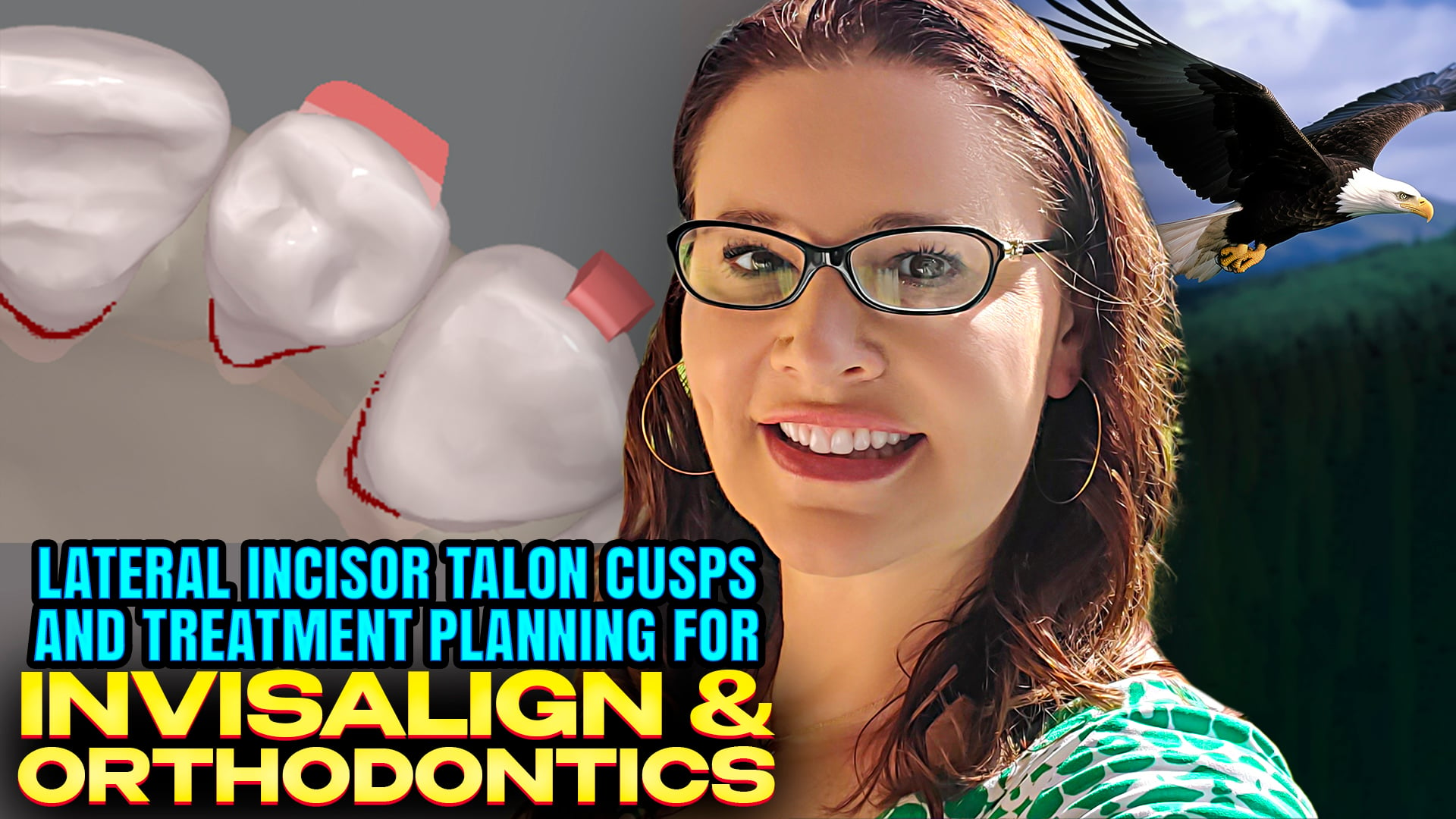
- Dr. Amanda from Straight Smile Solutions discusses lateral incisor talon cusps, a rare dental anomaly.
- Talon cusps resemble eagle talons and contain pulp inside, creating treatment challenges.
- The focus: how talon cusps affect occlusion, overjet, and orthodontic planning in both braces and Invisalign cases.
Understanding Talon Cusps
- A talon cusp is an extra cusp projection on a lateral incisor.
- Unlike normal incisors, which provide a smooth shelf for lower teeth to occlude, the talon cusp disrupts this natural fit.
- Presence of pulp beneath the cusp means reduced risk of pulp exposure and often necessitates endodontic intervention.
Treatment Challenges
- Orthodontists face two main pathways:
- Reduction in Endodontic Treatment:
-
- Grinding down the cusp requires prior endodontic therapy to avoid pulp complications.
- Allows creation of normal occlusal contacts.
-
- Maintaining the Cusp with Increased Overjet:
-
- Leaves the talon cusp intact but necessitates creating extra overjet.
- May involve introducing an artificial Bolton discrepancy by performing lower interproximal reduction (IPR) to gain clearance.
- Both approaches involve compromises: either invasive endo or unnatural occlusion adjustments.
Clinical Implications
- In Class I orthodontic cases, deliberately adding overjet contradicts ideal outcomes.
- Invisalign or braces planning must account for the anomaly early, as ignoring it leads to interference and poor function.
- Collaboration with endodontists may be necessary to determine pulp involvement before proceeding.
Conclusion
- Talon cusps present a unique orthodontic challenge with no perfect solution.
- Options are limited to endodontic reduction or maintaining overjet through lower IPR.
- Clinicians must balance esthetics, function, and patient expectations, as each path carries compromises.
- Dr. Amanda emphasizes awareness and early planning when encountering this rare dental condition.
Bonded Fixed Permanent Retainer Tricks and Tips for Warranty and Relapse
Bonded Fixed Permanent Retainer Tricks and Tips for Warranty and Relapse
Introduction
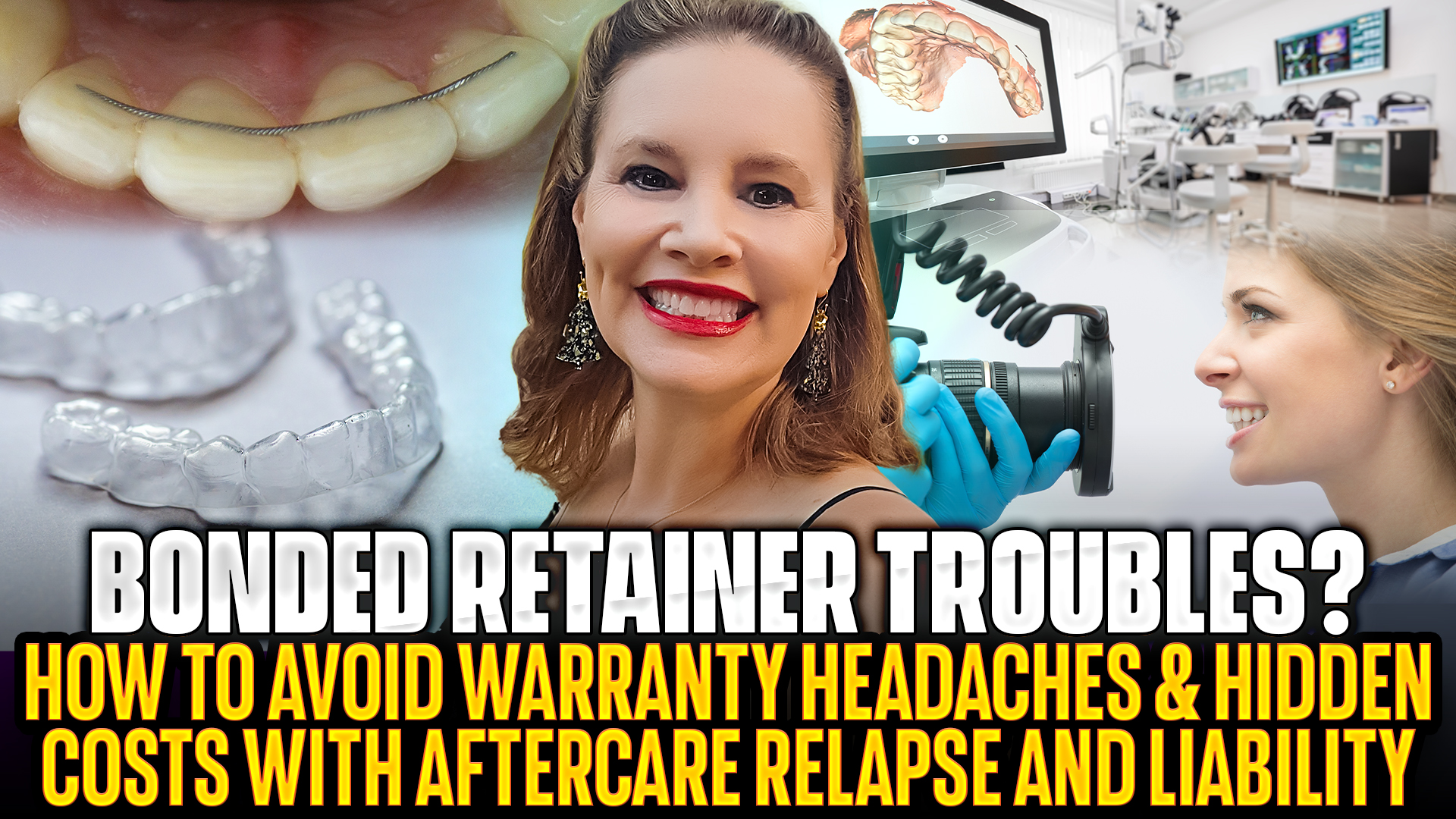
- Bonded retainers help preserve orthodontic results, but must not be the only form of retention.
- It should always be combined with removable retainers (Essix or Hawley).
- Video emphasizes tips for effective management, documentation, and liability protection.
Monitoring & Active Treatment
- Bonded retainers are active appliances requiring regular recall visits.
- Missing appointments increases the risk of relapses and provider liability.
- Must be treated like braces in terms of follow-up care.
Documentation & Photos
- Always take high-quality photos at delivery and recall visits.
- Photos prove bonding integrity and prevent disputes with patients.
- Essential safeguard for warranties and liability issues.
Digital Scans & Cloud Storage
- Save scans before and after placement to secure records.
- Cloud storage ensures long-term protection if retainers fail.
- Enables quick fixes with Essix retainers if relapse occurs.
Communication & Fees
- Patients must understand retainers require ongoing care.
- Practices should set expectations upfront: recall visits, insurance, and costs.
- Missed appointments should trigger structured reminders and, if necessary, dismissal.
Risk & Warranty Management
- Without proper documentation, providers face liability for failure/relapse.
- Written dismissal protocols protect practices when patients don’t comply.
Conclusion
- Bonded retainers are effective but not a standalone solution.
- Success requires pairing with removable retainers, consistent monitoring, and thorough records.
- Clear communication and use of digital tools minimize relapses, safeguard liability, and improve patient trust.
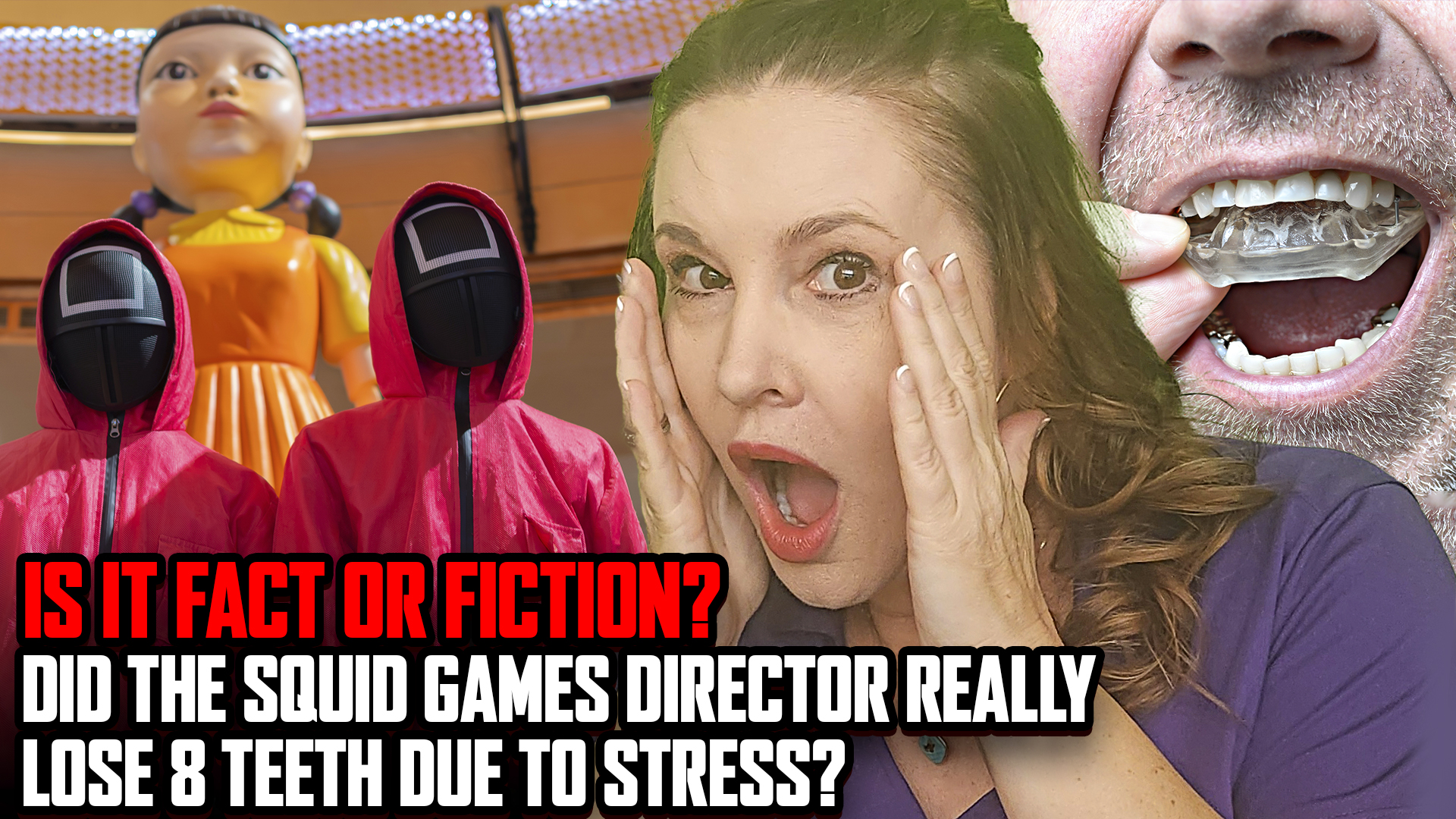
Can You Lose Teeth Due to Stress and Bruxism? A SQUID GAME Story
Introduction
- Dr. Amanda from Straight Smile Solutions addresses whether stress can cause tooth loss, sparked by a story that the Squid Game director lost eight teeth during filming.
- While the claim may be anecdotal, the question highlights real links between stress, bruxism, and oral health.
Stress and Bruxism
- Bruxism = clenching or grinding of teeth, often triggered by stress.
- Consequences include:
- Worn enamel and fractured teeth.
- Jaw pain and TMJ issues.
- Tooth mobility over time.
- Stress can indirectly worsen oral health by leading to neglected hygiene routines.
Stress and Gum Disease
- Stress weakens the immune system, making gums more vulnerable.
- Untreated periodontal disease damages gums, supporting bones, and ultimately leads to tooth loss.
- Poor oral hygiene (sometimes stress-related) accelerates periodontal progression.
Hormonal and Systemic Factors
- Stress can cause hormonal imbalances affecting oral health, like changes seen in pregnancy gingivitis.
- These imbalances increase gum inflammation and susceptibility to infection, raising the risk of tooth loss.
Prevention and Awareness
- Stress management is crucial for overall health and oral stability.
- Regular dental checkups help detect early signs of bruxism or gum disease.
- Maintaining consistent oral hygiene, even during stressful times, prevents long-term complications.
Conclusion
- Stress itself doesn’t directly “knock teeth out,” but it contributes to conditions like bruxism, gum disease, and neglected hygiene that can cause tooth damage and loss.
- Whether or not the Squid Game director’s story is true, the principle stands: stress management and oral care are essential to protecting teeth.
Top 5 Reasons for URGENT Phase 1 Interceptive Orthodontics Introduction
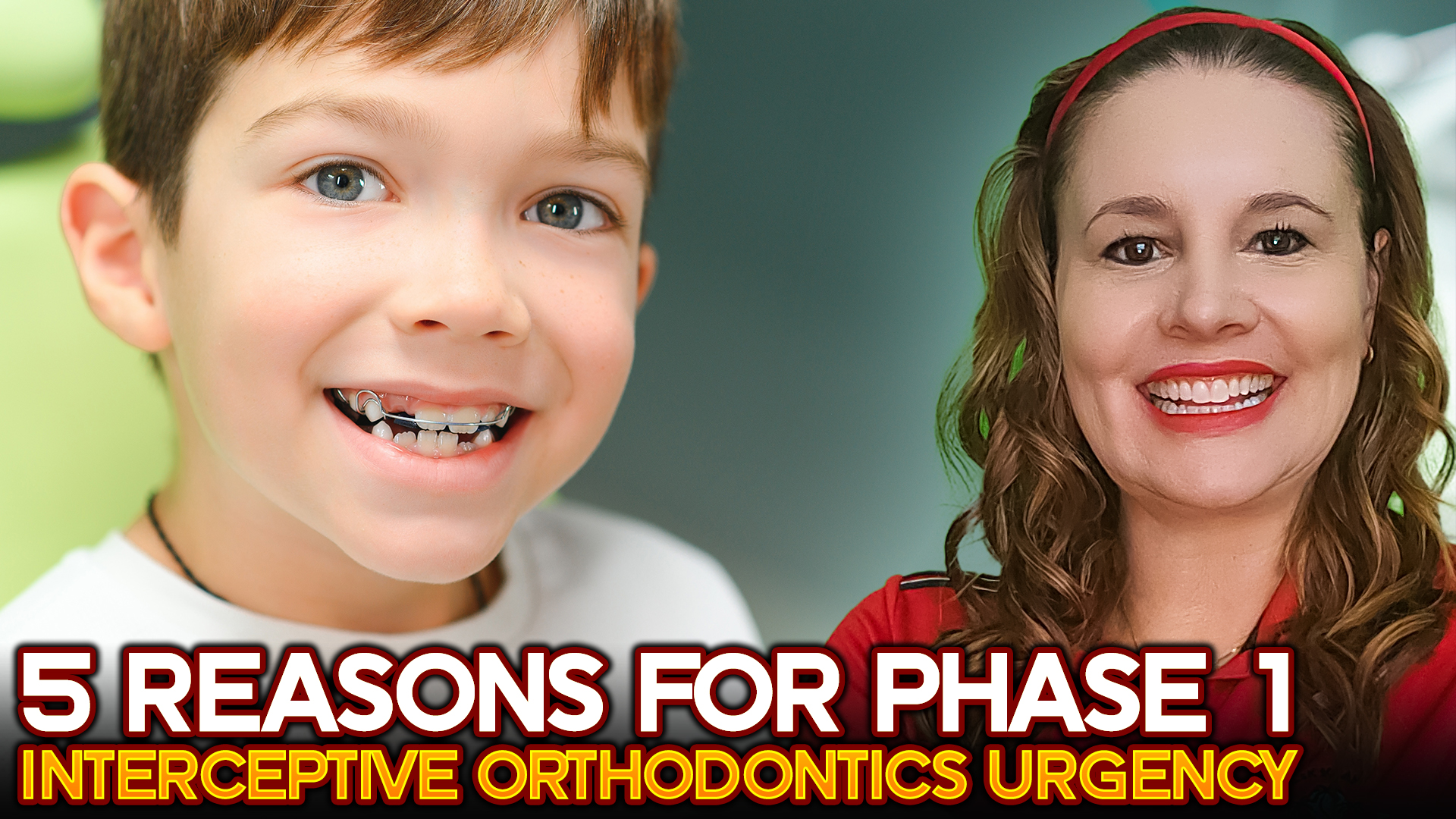 Top 5 Reasons for URGENT Phase 1 Interceptive Orthodontics
Introduction
• Parents often ask which child needs orthodontic treatment most urgently when multiple kids are being considered.
• Phase 1 (early) orthodontics can prevent severe future problems if addressed at the right time.
• This video outlines the top five urgent reasons for immediate Phase 1 intervention.
Key Takeaways
1. Risk of Impactions
• Most common in canines, premolars, and incisors (not third molars).
• Waiting increases the chance of teeth becoming stuck.
• Parents often regret being told to wait when impactions later require major treatment.
2. Risk of Root Resorption
• Occurs when teeth are pressing on other teeth.
• Leaving this untreated can permanently damage tooth roots.
• Early action prevents avoidable complications.
3. Shifts (AP or Transverse)
• Growth in the wrong direction creates skeletal problems.
• Early correction avoids worsening alignment or bite imbalance.
4. Asymmetries
• Midline or facial asymmetries worsen with growth.
• It is harder to fix later; early detection and correction are crucial.
5. Class III, Vertical, or Severe Class II with Airway Issues
• Class III cases are highly urgent due to growth patterns.
• Vertical discrepancies (open bites/deep bites) need early guidance.
• Class II combined with airway, speech, profile, or myofunctional issues requires immediate attention.
Conclusion
• Phase 1 interceptive orthodontics is not always urgent, but in these five situations, it should be prioritized.
• Early treatment can prevent long-term skeletal, dental, and functional problems.
• Orthodontists should guide parents toward urgent intervention when these signs are present to secure better outcomes.
Learn Ortho Mentorship, Study Clubs, and the “OrthoDentist” Mastermind Experience
 Learn Ortho Mentorship, Study Clubs, and the “OrthoDentist” Mastermind Experience
Introduction
• Dr. Amanda introduces a customizable mentorship and mastermind program for general and pediatric dentists who want orthodontic experience without traditional residency.
• Designed as a flexible, hands-on pathway for doctors to learn through real cases and guided support.
Course Foundations
• Participants should first complete a Phase I orthodontic course (Straight Smile Solutions offers one at ~$500 with CE credits; Dr. Simon Wong offers a version without CE).
• A Straight Wire course is also recommended; other comparable courses are acceptable.
• Dentists then study aligner playlists (Invisalign or non-Invisalign) for dozens of hours of foundational knowledge.
One-on-One Case Mentorship
• After coursework, dentists can join VIP or concierge mentorship programs.
• Process includes:
o Treatment planning all in-office patients (phase one, straight wire, aligner cases).
o Deciding whether to treat or refer cases after planning.
o Gaining residency-style training through direct orthodontist collaboration.
Study Clubs & Group Learning
• Option to form study clubs with friends for consistent group sessions.
• Group pricing is more affordable but involves less one-on-one time.
• Flexible structure allows participants to design learning based on availability and goals.
Cost and Comparison with Residency
• Traditional residency: $30,000–$100,000 per year for 2–3 years, often requiring a master’s research thesis with limited clinical benefit.
• Mastermind program: customizable, significantly lower cost, and focused on practical clinical learning rather than academic research.
• Dr. Amanda critiques residency mentors as often “book-based” and not focused on efficient, healthy treatment outcomes.
Flexibility & Commitment
• Program is contract-free and fully flexible: participants may pause or leave anytime with 30 days’ notice.
• Designed to adapt to life changes (e.g., family, personal commitments).
• Dr. Amanda shares her own experience taking time off for family, highlighting the program’s balance.
Conclusion
• The OrthoDentist Mastermind is a cost-effective, flexible, and hands-on alternative to residency.
• It blends coursework, mentorship, and real-world case planning to help dentists grow orthodontic skills at their own pace.
• Open enrollment is available, and Dr. Amanda invites interested dentists to schedule a free consultation.
RME and RPE Design for Older Teens, Lab Slips for Expanders
RME and RPE Design for Older Teens, Lab Slips for Expanders
Introduction
- Dr. Amanda discusses preferred designs for Rapid Maxillary Expansion (RME) and Rapid Palatal Expansion (RPE) in older teens.
- Expansion is more straightforward during mixed dentition, but fully erupted permanent teeth make treatment trickier.
- Focus is on achieving balanced expansion and avoiding common pitfalls with poor appliance design.
Challenges with Older Teen Expansion
- Expansion in older teens tends to create a V-shaped result if only mini-palatal expanders are used.
- Less effective widening in the anterior region compared to mixed dentition.
- Proper design is critical to achieving uniform results and long-term stability.
Appliance Design Preferences
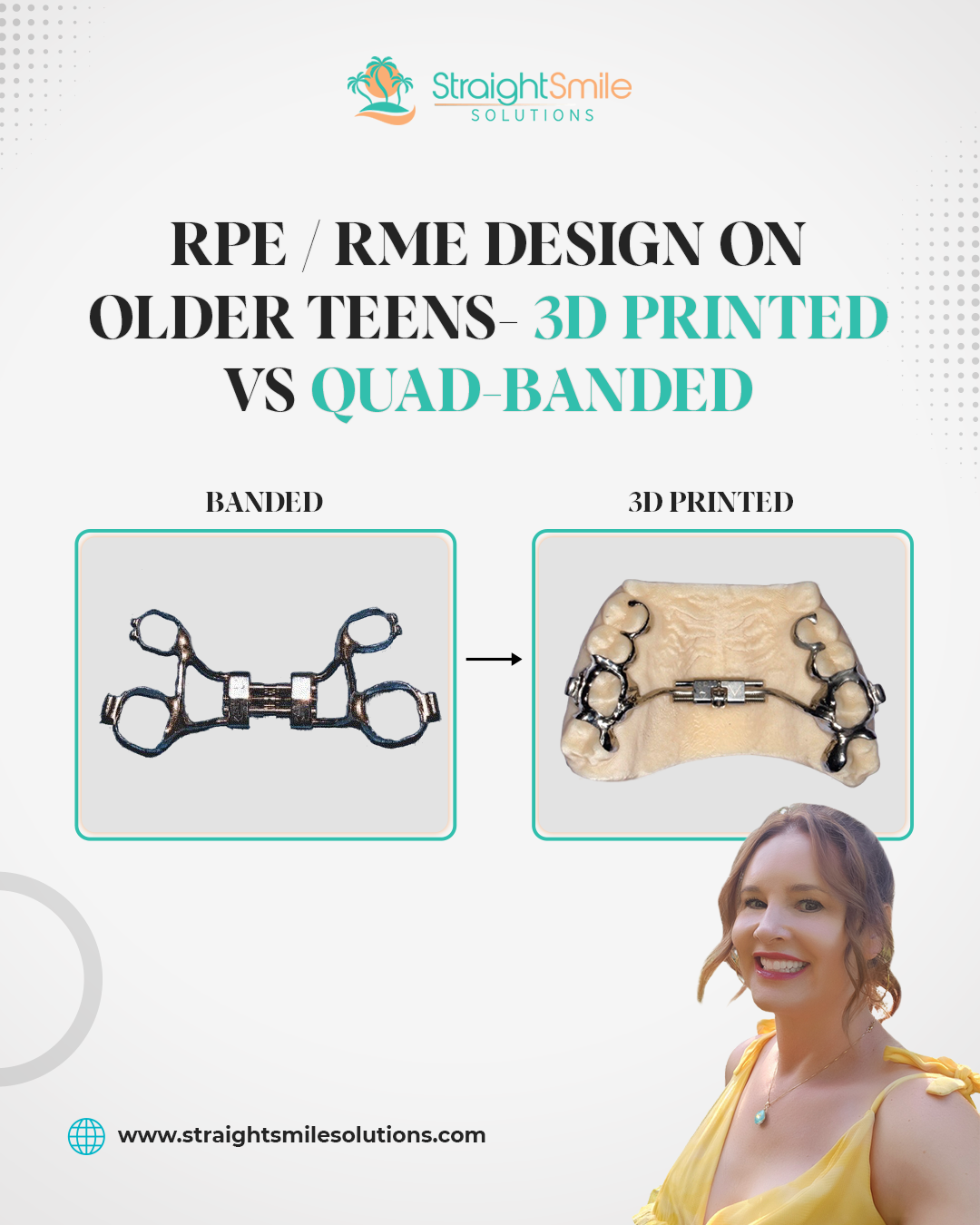
- Traditional Banded 46/46 Appliances:
- Old-school method requiring spacers.
- Provides more effective, stable expansion compared to minimalistic soldered bar designs.
- Considered healthier for gum tissues.
- 3D Printed Expanders:
- Must be well-adapted and fit precisely; should “drop right in” without adjustments.
- Poorly fitted or loose expanders should be rejected and remade.
- Superior fit reduces risks of gingival inflammation, decalcification, and decay.
- Larger labs with 3D metal-printing capabilities are generally recommended for quality appliances.
Practical Considerations
- Appliance costs range $150–$225, making proper fit essential to avoid wasted time and resources.
- Expanders typically stay on for 5–6 months, covering both activation (turns) and retention (holding) phases.
- Poor designs like simple soldered bars are ineffective and not worth using.
- Clinicians should maintain open communication with their labs to ensure design precision and durability.
Conclusion
- For older teens, achieving effective and healthy expansion requires careful appliance selection.
- Traditional banded expanders and precisely fitted 3D printed appliances provide the most reliable results.
- Ensuring fitness, lab quality, and patient comfort minimizes complications and maximizes long-term orthodontic success.
Inclined Bite Plates – Fixed and Removable Retainers for Class II
Inclined Bite Plates – Fixed and Removable Retainers for Class II
Introduction
- Dr. Amanda addresses a common orthodontic question regarding inclined bite plates versus standard anterior bite plates, applicable in both fixed and removable retainers.
- Focus: their role in correcting deep bites and managing Class II cases, along with when they may or may not be effective.
Understanding Bite Plates
- Types of bite plates:
- Inclined bite plates (upper or lower).
- Removable bite plates.
- Fixed anterior bite plates.
- Literature on this topic is limited, though some orthodontic research provides general insights into their effectiveness.
- Inclined designs add a ramp-like element, but the difference from standard plates is relatively minor.
Effectiveness and Limitations
- Inclined bite plates may not make a significant difference compared to standard anterior bite plates.
- They generally do not cause harm, so can be considered as an option.
- Effectiveness depends heavily on the patient’s growth stage and treatment goals.
Patient Age and Growth Considerations
- Older teens nearing the end of puberty:
- If significant overjet (e.g., 4mm) remains, inclined plates will not stimulate jaw growth.
- Options at this stage are limited to camouflage treatments or jaw surgery for true correction.
- Younger patients’ post-phase one:
- With growth potential remaining, inclined bite plates may be useful if compliance is good.
- They offer a non-invasive adjunct, though not a growth modification tool.
Alternatives and Enhancements
- Rickonator appliance:
- Functions as an incline bite ramp with a built-in ledge.
- More effective than a plain incline because it gives a tactile “resting point” for lower teeth.
- Encourages better compliance and functionality.
- Dr. Amanda suggests these can be more reliable than standard inclined bite plates.
Conclusion
- Inclined bite plates are a low-risk option but have limited effectiveness in jaw growth correction.
- Best suited for younger patients with growth remaining; less effective in older teens.
- Alternatives like the Rickonator may provide better control and outcomes.
- Ultimately, clinicians should consider patient age, growth stage, and treatment goals when selecting retainer designs.
How Much Movement in MM per Month for Class II and Class III Elastics Introduction
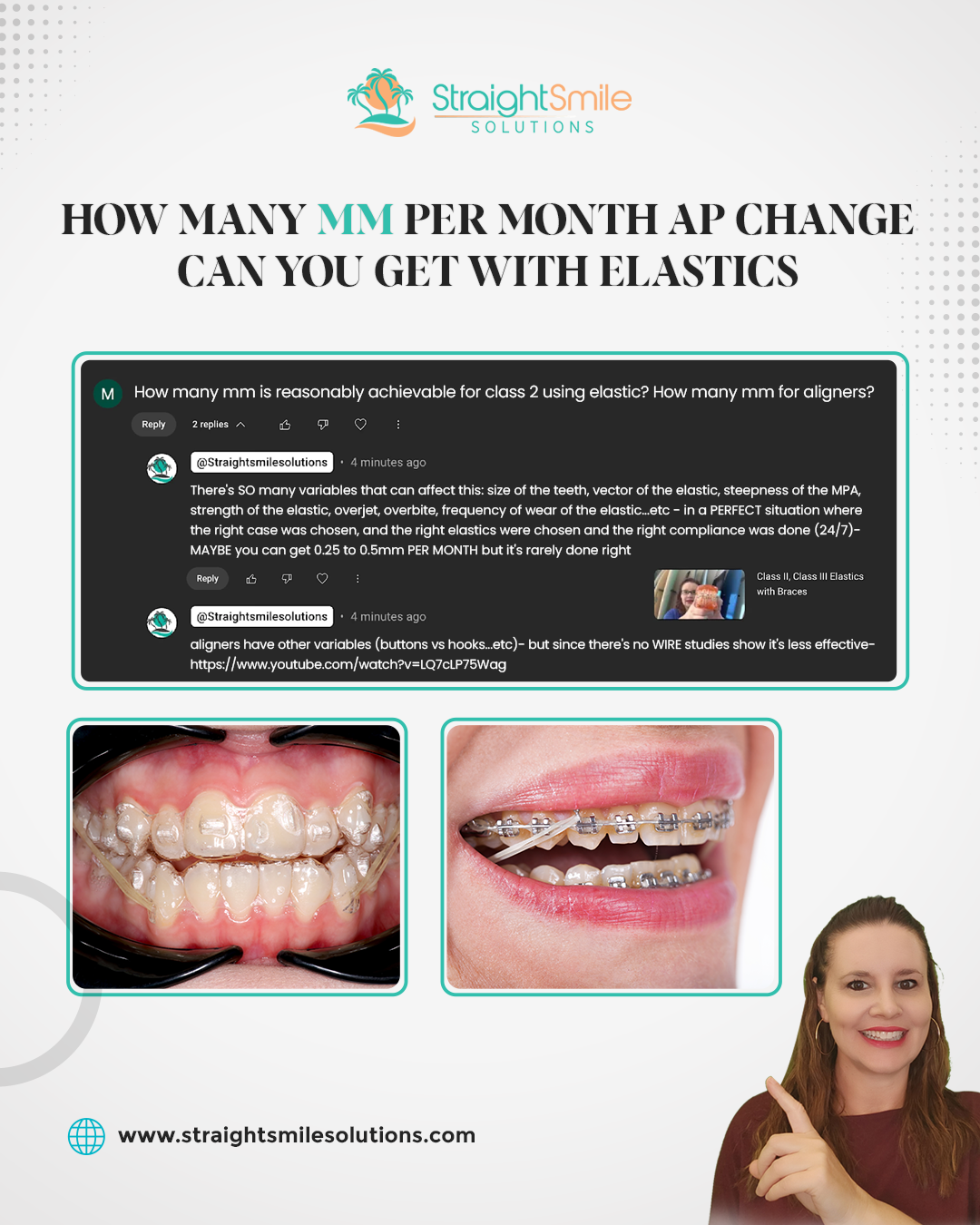 How Much Movement in MM per Month for Class II and Class III Elastics
Introduction
• Dr. Amanda from Straight Smile Solutions addresses a common orthodontic question: How many millimeters of correction can be expected per month with Class II or Class III elastics in braces or aligners?
• She emphasizes that this is a difficult question to answer precisely because of the many variables influencing outcomes.
Why It’s Hard to Measure
• A reliable scientific study on elastic movement is nearly impossible due to variables such as:
o Elastic strength, size, and diameter.
o Vector and direction of pull.
o Patient compliance (hours worn, removal during meals, etc.).
o Tooth size, mandibular plane angle, and amount of overjet/overbite.
• Compliance is the biggest unknown; until technology exists to measure actual wear, results will remain unpredictable.
General Estimates
• Most orthodontists would estimate 0.25–0.5 mm per month of AP change with proper elastic wear.
• Important reminder: elastics cause dental tipping and occlusal plane changes, not skeletal growth.
• Class II elastics: aim to reduce overjet by pulling the lower jaw forward.
• Class III elastics: aim to correct negative overjet by encouraging backward correction.
Braces vs. Aligners
• Braces: elastics attach to wires anchored across multiple teeth → generally more effective.
• Aligners: elastics attach to teeth or aligner wings → may cause aligner displacement and tracking issues.
• Common prescriptions:
o Braces → 3/16” heavy elastics.
o Aligners → 3/16” medium elastics.
• Clinicians must test multiple sizes to find the best fit for each patient.
Additional Factors
• Latex elastics perform better than non-latex due to less force decay.
• Growth-phase patients wearing elastics showed no negative jaw rotation effects.
• Clinicians should be cautious about “false correction” from patients subconsciously sliding their jaws forward in the chair to simulate improvement.
Conclusion
• No exact MM-per-month rule exists for Class II or Class III elastics because outcomes depend on compliance, appliance type, and patient biology.
• A rough average is 0.25 – 0.5 mm per month under ideal conditions, but results vary widely.
• Orthodontists should monitor every 4 weeks, verify stability by reducing wear to nights only, and remain realistic that many improvements are positional shifts, not permanent skeletal changes.
Autism Masking for Dentists: Neurodivergent Healthcare Provider Tips
Introduction
Dr. Amanda from Straight Smile Solutions addresses masking versus unmasking among neurodivergent dentists, particularly those with ASD, ADHD, Tourette’s, or similar traits. She shares her late-in-life realization about being neurodivergent, explains the concept of masking, and offers practical insights for adapting dental practice to align with personal strengths and limitations.
Body
- Prevalence & Misunderstanding
- Estimates suggest 19% of Americans are neurodivergent, likely higher in dentistry due to the profession’s appeal to certain traits.
- Media portrayals (e.g., “Love on the Spectrum”) often show extreme presentations, missing the more subtle, common realities.
- Many dentists may be unaware they are neurodivergent, misattributing challenges to their workplace, relationships, or mental health.
- Personal Journey
- Chose dentistry over medicine due to lifestyle fitness (daytime hours, orthodontics interest).
- I cannot sustain evening work — even with caffeine — and avoid stimulant medications due to side effects.
- Found private practice preferable over DSOs for control of schedule and environment.
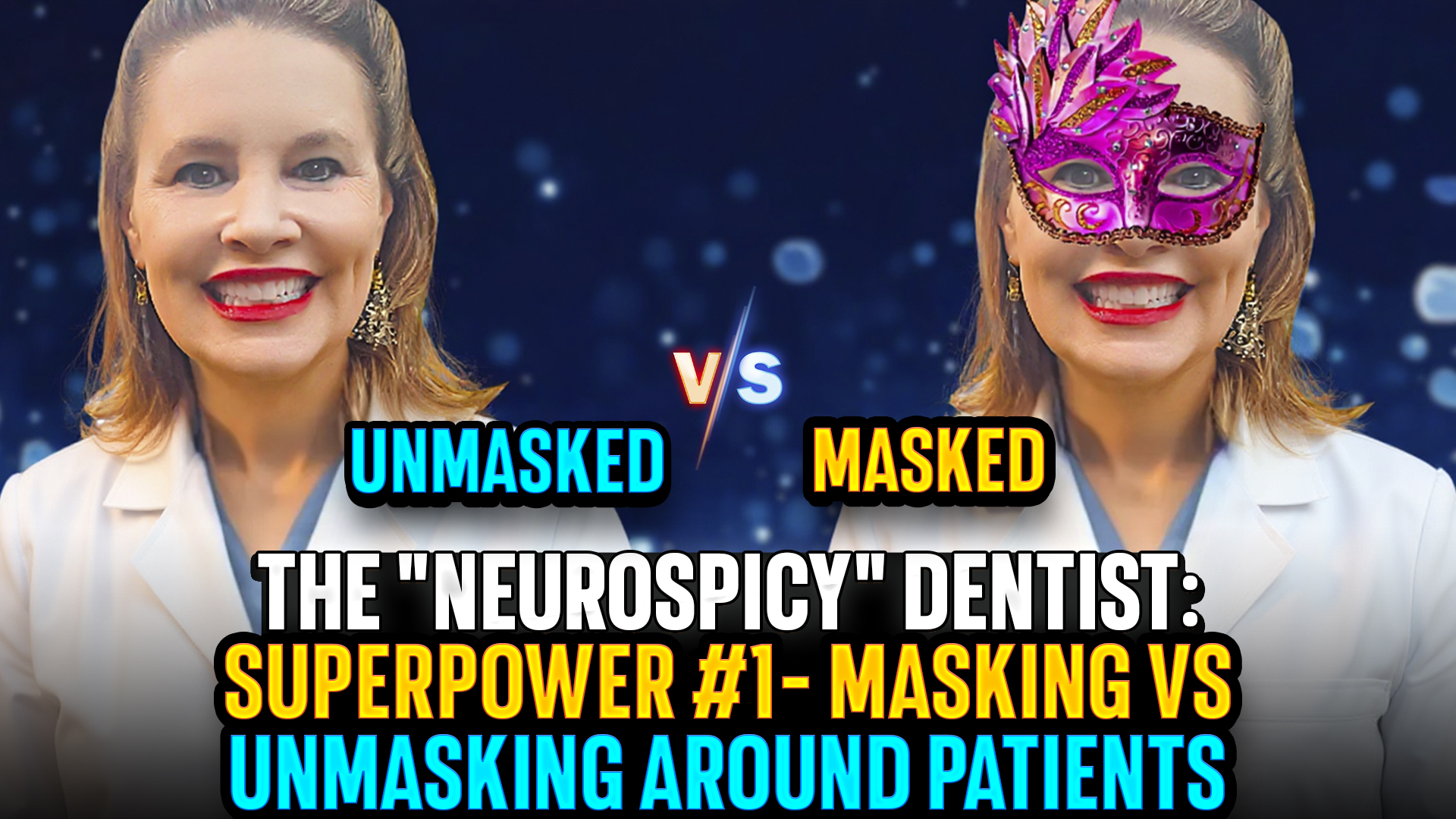
- Masking vs. Unmasking
- Masking: presenting a socially acceptable version of oneself (e.g., “Fun Amanda”) to meet professional or social expectations.
- Unmasking: authentic self, which may be quieter, shyer, and less socially energized.
- Masking becomes harder with age and hormonal changes, especially for women in their 40s and 50s.
- Unique Challenges & Traits
- Experiences alexithymia — delayed emotional recognition, requiring extra time to process feelings.
- Often perceived as unemotional, but deeply empathetic after processing.
- Adjusting hours, workload, and habits (earlier sleep, consistent routines) significantly improves well-being without medication.
- Call to Awareness
- Little published research on neurodivergent dentists compared to physicians.
- Recognizing neurodivergence allows tailored changes for greater career satisfaction.
Conclusion
Masking can help dentists navigate professional expectations, but it may be draining and harder to sustain over time. By recognizing their neurodivergence, dentists can adapt work environments, schedules, and personal habits to reduce stress and enhance fulfillment, often through small but intentional changes.
To All of My “Dentaspicy” Dentists Out There! Let’s Collab!
Dr. Amanda from Straight Smile Solutions introduces the playful new term “Dentaspicy” her rebranding of “neurodivergent” for dentists. This positive spin celebrates unique cognitive styles and strengths, moving away from clinical labels to something more fun and empowering. She calls on fellow Dentaspicy dentists to connect and collaborate on future projects.
From “Neurodivergent” to “Dentaspicy”
- The term “neurodivergent” covers a wide range of conditions such as ADHD, ASD, dyslexia, OCD, and more.
- Amanda prefers “Dentaspicy” as a lighthearted, pride-based identity for neurodivergent dental professionals.
- Emphasizes that intelligence is not diminished in fact, many neurodivergent people excel in creativity, innovation, and strategic thinking.
Personal Story & Perspective Shift
- Shares her own journey of recognizing her neurodivergence later in life.
- Initially wished to be “regular,” but later realized her different way of thinking was a professional superpower.
- Crafted a new way of practicing dentistry that aligns with her strengths and values, which she now teaches others.
Why Collaboration Matters
- Dentaspicy dentists may share similar challenges in traditional practice settings, such as sensory overload, administrative friction, or rigid systems.
- By connecting, they can exchange strategies, design flexible practice models, and innovate patient care.
- Highlights how many leaders, entrepreneurs, and innovators in dentistry and beyond are neurodivergent.
Invitation to Join
- Amanda is building a Dentaspicy dentist network.
- Considering launching a private online community for mutual support and project collaboration.
- Open to connecting one-on-one with Dentaspicy dentists to explore opportunities.
Dr. Amanda reframes neurodivergence in dentistry as a source of pride and power, coining “Dentaspicy” to unite like-minded professionals. She encourages dentists who identify with this mindset to reach out, join her network, and help reshape the dental profession through creativity and collaboration.