
Extracting Ankylosed Teeth in Mixed Dentition Cases
Mixed dentition cases can pose a range of unique challenges, and keeping this in mind can help you make sure that you’re following the right treatment plan for your patient’s needs. One such example of a potentially tricky case is ankylosed baby teeth – but when should you extract these for mixed dentition patients?
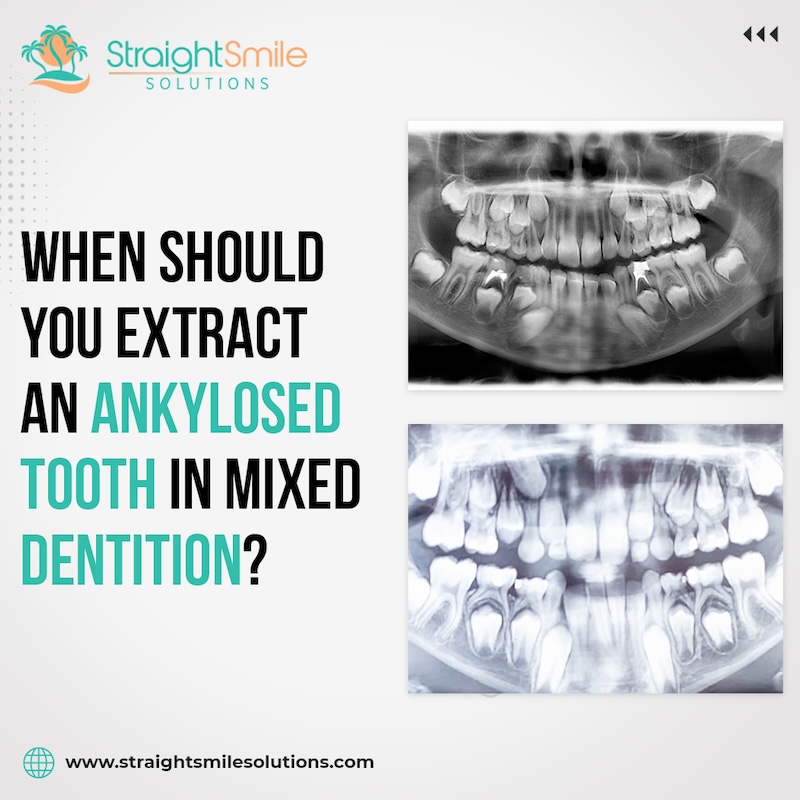
Before you make any decisions on a mixed dentition patient’s treatment plan, always confirm that the tooth is genuinely ankylosed. To do this, you’ll usually want to take a CBCT and get this read by a radiologist, OMFS, or an online tool. You should also always check whether there is a succedaneous tooth present; if there is, you’ll likely want to put the patient on a Watch treatment plan and take regular panoramic X-rays every three or four months.
If the ankylosed tooth does not also have a succedaneous tooth below, you may want to consider whether you could get away with simply leaving the tooth in for as long as possible. However, if you leave it in, you may notice a Bolton discrepancy over time, which may require you to remove part of the sides of the tooth.
Don’t forget: if you’re not yet in orthodontics and you remove an ankylosed tooth, your patient may experience supereruption in the primary or permanent upper teeth if there is a step. As such, if you do decide to extract an ankylosed tooth, you may want to add an appliance or retainer to prevent supereruption.
Overall, each mixed dentition orthodontics case must be addressed on an individual basis. If you’re not sure whether or not to extract the ankylosed tooth, don’t hesitate to contact a professional local orthodontist, or contact our Straight Smile Solutions experts for your own consultation on each case’s treatment plan.