
StraightSmile Solutions®
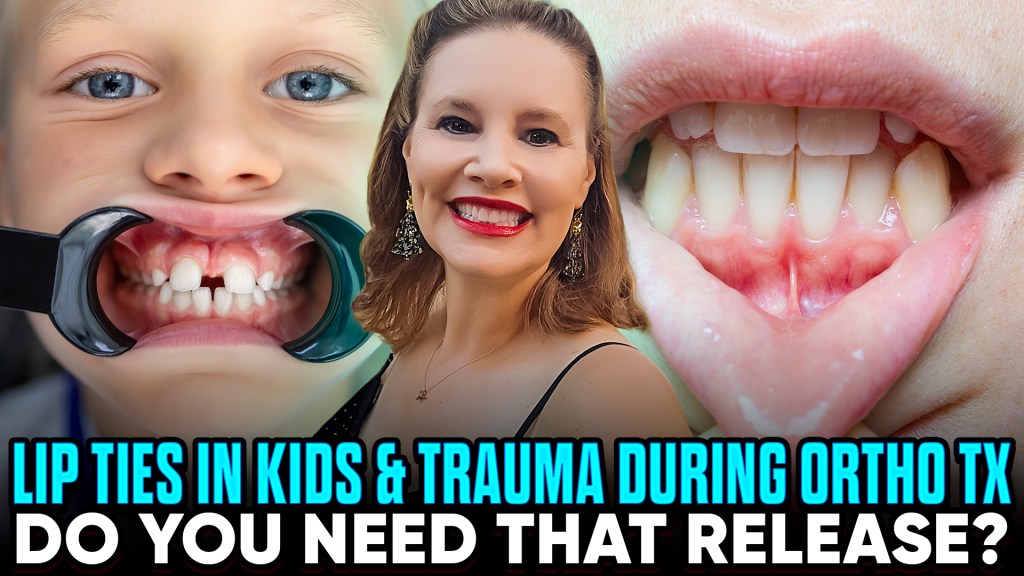
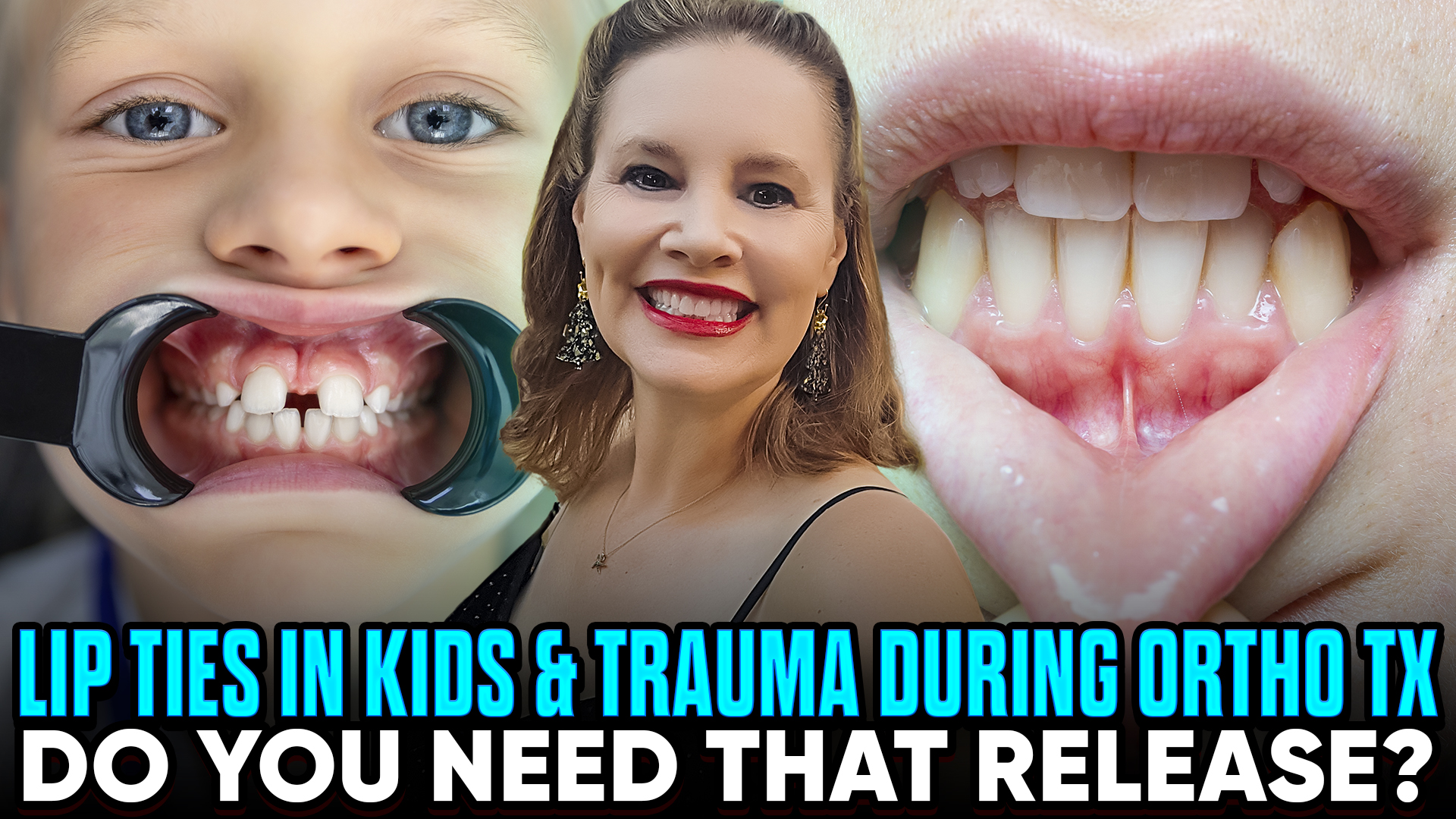
Tongue and Lip Ties in Kids and Adults: When to Trim the Frenum (Frenectomy)
Tongue and Lip Ties in Kids and Adults: When to Trim the Frenum (Frenectomy)
Dr. Amanda with Straight Smile Solutions
- Focus: tongue and lip ties in children and adults.
- Builds on prior content about maxillary labial frenectomies (timing with braces/Invisalign/Phase 1).
- Offers an orthodontist’s perspective on when trimming is necessary vs. avoidable.
Why/When Frenectomy is Indicated
- Upper lip ties:
- If a gap (diastema) between teeth exists, pulling the lip shows blanching and a visible tissue tag.
- Must close the space first with orthodontics before trimming → prevents scar tissue from blocking closure.
- Procedure timed after Phase 1, Phase 2, or comprehensive treatment and retention.
- Lower ties:
- Usually less of a concern unless affecting orthodontic closure/retention.
- Signs to trim:
- Space reopens quickly (within 12 hours) after removing the power chain/aligners.
- Persistent relapses despite retention.
- Requires bonded (permanent) retainer after trimming.
Testing Before Deciding on Surgery
- With braces:
- Remove power chain near the end of treatment → monitor if spaces pop open.
- If reopening occurs → frenectomy + bonded retainer.
- If not → surgery is often unnecessary.
- With Invisalign/aligners:
- “Day off” test → patient skips aligner wear during the day (under orthodontist’s supervision).
- If spacing reappears, → frenectomy may be indicated.
- Orthodontist verifies results in person, not just the patient’s word.
Clinical Decision Making
- Avoid trimming too early (can complicate closure).
- Base decision on relapse behavior rather than routine trimming.
- Collaboration with an OMT (orofacial myofunctional therapist) may guide lower tie management.
Key Takeaway
- Frenectomy should be timed strategically after space closure and retention testing.
- Not every tie requires trimming; only pursue it when relapse or spacing proves persistent.
Thrush, Tongue Scraping, and How to Tell if Your Tongue Has a Yeast Infection
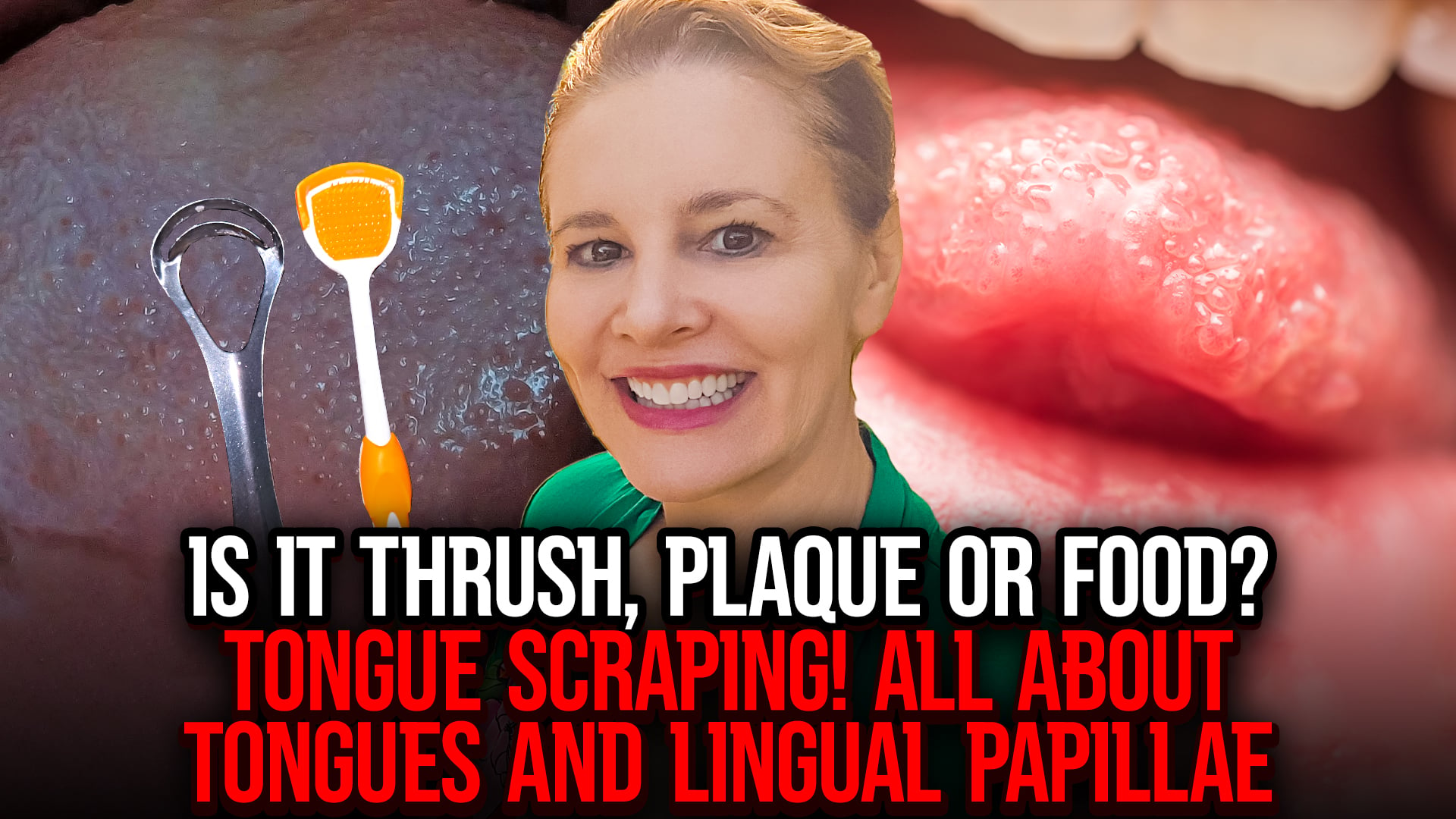
Thrush, Tongue Scraping, and How to Tell if Your Tongue Has a Yeast Infection
Dr. Amanda with Straight Smile Solutions discusses tongue health, tongue scraping, and signs of thrush (oral yeast infection).
She shares perspective from both professional experience and family traditions (grandmother checking tongue for illness).
Healthy Tongue Basics
- Tongue surface covered in papillae (taste buds) with sensory and functional roles.
- Grooved texture allows food, plaque, and bacteria to accumulate.
- Historically: brushing the tongue. Modern recommendation: scraping instead.
Tongue Cleaning Practices
- Scraping removes plaque, food, and debris more effectively than brushing.
- Tools: firmer scraper (more effective, harsher) vs. softer scraper (gentler).
- Best practice: scrape tongue twice daily along with brushing.
Normal vs. Abnormal Tongue Coating
- Normal: White coating that wipes/scrapes away easily = plaque or food residue.
- Thrush (oral yeast infection):
- Thick, creamy, cottage cheese-like patches.
- Cannot be fully removed by scraping.
- Red, raw, or bleeding tissue underneath.
- Other possible causes of white lesions: leukoplakia or lichen planus (non-fungal conditions).
Oral Microbiology & Thrush
- The mouth hosts good and bad bacteria plus fungi.
- Good bacteria → maintain balance.
- Bad bacteria → cavities, gum disease.
- Fungal imbalance (Candida) → thrush.
- Some individuals are prone to recurrent thrush, like recurring strep.
Transmission & Risk
- Thrush can spread through kissing or close contact.
- Choosing partners with poor oral or gut health increases risk.
- Links to earlier discussions on transmission of bad gut bacteria.
Management & Care
- If thrush is suspected: visit the dentist for a biopsy and diagnosis.
- Treated with antifungal medications.
- Important to distinguish from other white oral conditions.
Key Takeaway
- Practice daily tongue scraping.
- Learn to identify thrush vs. harmless debris.
- Oral health and partner health both influence long-term microbiome balance.
Scissor Bites and Joker Faces: Early RPE Expansion on Kids Before Molars

Context & Position
- Dr. Amanda clarifies her stance on early pediatric expansion (ages 2–5, before first molars erupt).
- Emphasizes standard, predictable orthodontics backed by literature and time, not “fringy” methods with higher risks.
- Holds insurance/liability coverage, chooses not to support unpredictable or legally risky cases.
Professional Responsibility
- As an educator, she may decline cases that she believes are unsafe, unpredictable, or outside scope.
- More clinicians are showing interest in early expansion, but risks remain significant.
AAPD Statement & Legal Concerns
- Refers to the AAPD’s official statement on early expansion (recommends collaboration with a physician).
- Like general dentists in sleep dentistry: must work with MDs (ENT, pulmonologist, etc.).
- If attempted solo and complications arise, legal/insurance risks are high.
- For this reason, Dr. Amanda opts out of supporting these cases directly.
Alternative Approaches & Safer Options
- She suggests non-expansion therapies:
- Tooth pillows, myofunctional trainers, habit correctors, U-concepts.
- ENT referrals for nasal breathing & posture correction.
- Endorses Dr. Simon Wong’s approach (no expansion on very young kids). Notes: Kevin Boyd teaches courses in this area.
Finishing & Practical Considerations
- Every early expansion case requires finishing with braces or Invisalign.
- Without the ability to deliver finishing, clinicians risk poor outcomes.
- Advises starting only once first molars + incisors are in (age ~7–8).
- Notes: lab fees are high and often not covered by insurance → financially messy.
- Personal reflection: even her husband, considering holistic dentistry, plans to avoid this route.
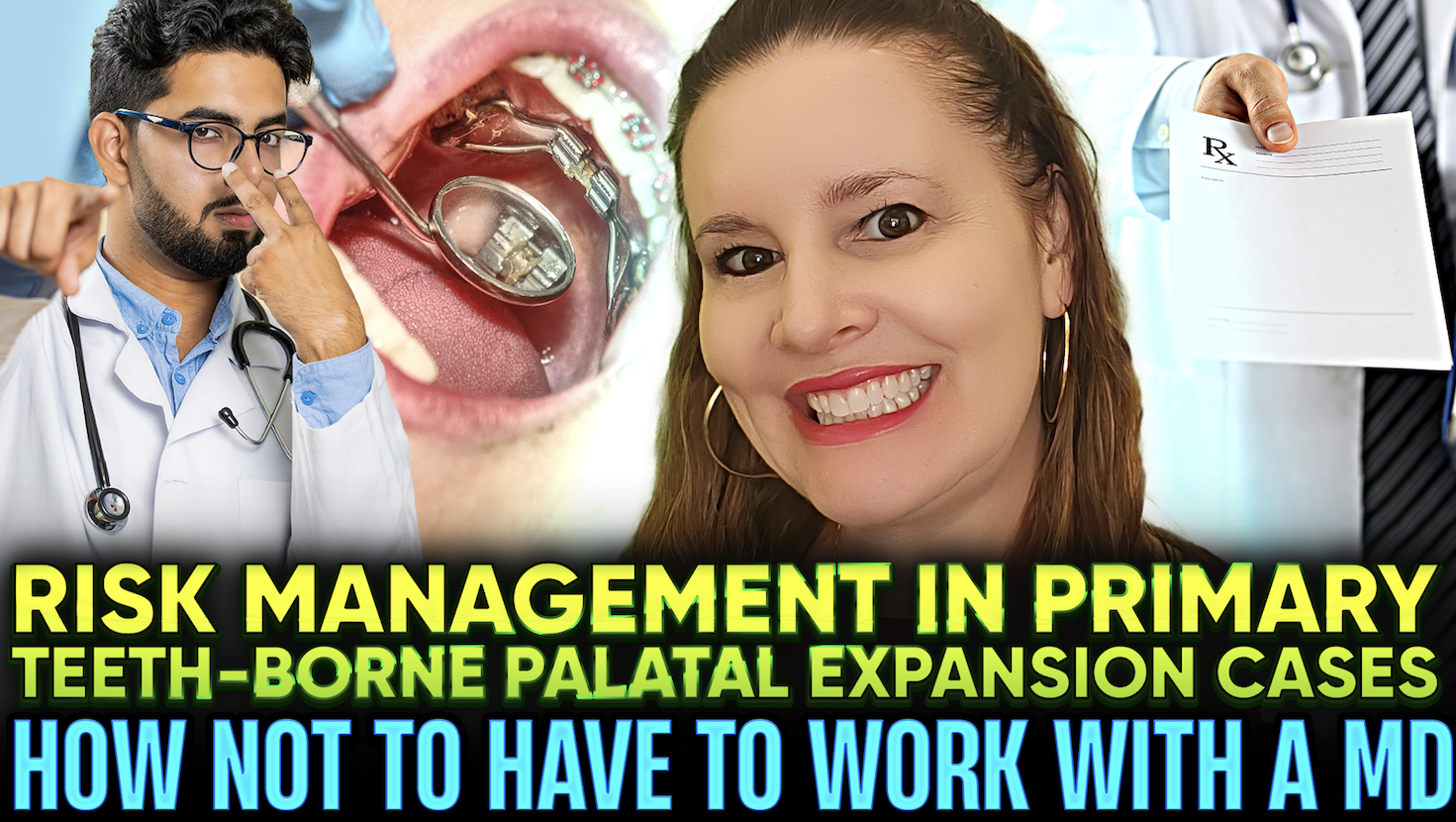
Risk Management in Primary Teeth-Borne Palatal Expansion Cases: How Not to Work with an MD
Context & Background
• Builds on her prior video about early expansion (ages 2–5) requiring physician involvement.
• Refers viewers to the AAPD’s policy (linked on her site under “Get Started → Help with RPE”).
Key Principle: Stay Within Standard Orthodontics
• To avoid needing MD oversight, avoid very young or very old cases.
• Stick to normal orthodontic expansion cases routinely done by orthodontists.
• Expansion must have an orthodontic indication, not purely medical/airway reasons.
Orthodontic vs. Medical Distinction
• Expansion for orthodontic problems = dentist/orthodontist scope.
• Expansion only for sleep/airway = classified as medical → requires physician collaboration.
• The difference is largely semantic but critical for liability and compliance.
Requirements for Safe Practice
• First permanent molars (all four) must be erupted before expansion.
• She will help with:
o Ortho-driven expansion (vaulted palate, tongue space issues).
o Case support via multiple service models (a la carte, premium, concierge, hourly).
• Will not assist with:
o Pre-molar eruption expansion.
o Adult expansion (too risky, not her scope).
Adult Expansion Risks & ADA/FDA Alerts
• ADA (April 3, 2023) urged dentists/public to report adverse effects in adults with expanders.
• FDA is also monitoring concerns → highlights increased scrutiny.
• Yes, adult expansion can be done, but it carries high risks and requires medical collaboration.
Closing Message
• Dentists should:
o Keep cases within orthodontic indications.
o Avoid pediatric “itty bitty” and adult-only airway cases unless working with MDs.
o Protect themselves legally and clinically by staying in the orthodontic lane.
What is the “Rule of Thirds” in Orthodontics and Facial Harmony for Treatment Planning (Vertical)
 What is the “Rule of Thirds” in Orthodontics and Facial Harmony for Treatment Planning (Vertical)
Introduction
• Topic Overview: Explanation of the “Rule of Thirds” as a simple screening tool for evaluating vertical facial harmony.
• Relevance: Used not only in orthodontics but also in aesthetics, plastic surgery, and facial symmetry analysis.
1. Defining the Rule of Thirds
• Upper Third: Distance from the hairline to the eyebrows (commonly inner corner/top due to eyebrow shape variations).
• Middle Third: From eyebrows to base of the nose.
• Lower Third: From base of the nose to the base of the chin.
• Goal: Ideally, all three vertical sections should be relatively equal in length.
2. Applications in Orthodontics & Aesthetics
• Screening Tool: Quick way to assess harmony without software.
• Communication Aid: Helps explain findings to patients in simple terms.
• Cross-Disciplinary Use: Applied in orthodontics, dermatology, plastic surgery, and cosmetic practices.
3. Common Findings
• Balanced Thirds: Indicates good vertical facial harmony.
• Asymmetry: Eyebrows, eyes, or other features may reveal discrepancies.
• Most Frequent Issue: Lower third too long or too short.
• Within the Lower Third:
o Assess proportion of upper lip vs. lower lip/chin.
o Abnormally long or short upper lip signals disharmony.
4. Clinical Implications
• Treatment Planning: Identifies vertical discrepancies that may influence orthodontic or aesthetic goals.
• Holistic View: Complements dental analysis by considering facial proportions.
• Patient Education: Builds trust by explaining harmony in a way patients can visualize easily.
Conclusion
The Rule of Thirds provides a quick, accessible framework for assessing vertical facial balance. By integrating this tool into orthodontic evaluation, clinicians can identify disproportionate areas, explain them clearly to patients, and guide more harmonious treatment planning.
IPR SAFE PLAN – Why You Always WAIT for the PANO or CBCT to Submit an Invisalign or ClearCorrect Case

IPR SAFE PLAN – Why You Always WAIT for the PANO or CBCT to Submit an Invisalign or ClearCorrect Case
Introduction
- Topic Overview: Importance of including radiographs (PANO, FMX, or CBCT) when submitting aligner cases.
- Relevance: Ensures accurate treatment planning, avoids delays, and prevents compromised outcomes.
- Why Radiographs Are Essential
- Crown vs. Root Position: Photos only show crowns, not root angulation.
- Example: Tooth #6 (UR3) may appear acceptable in photos, but X-ray reveals distal root tip needing mesial up righting.
- Without X-rays: The aligner company cannot detect or plan for accurate tooth movement.
- Risks of Submitting Without X-rays
- Inaccurate Setup: Treatment plan is based solely on crowns, leading to compromised outcomes.
- Verification Issues: Clinician has no baseline to compare progress against.
- Delays: Progress X-rays must later be taken, checked, and resubmitted, extending case timelines.
- Limited Review: Even if emailed later, the X-ray may not be officially included in the case record.
- Best Practices for Submission
- Always Wait: Do not submit the case until PANO or CBCT is available.
- Include Baseline Imaging: Upload PANO, FMX, or CBCT with initial submission.
- Streamline Workflow: Prevents re-work, ensures accuracy, and saves time.
- Clinical Tip: Treat X-rays as non-optional just as essential as photos or impressions.
Summary and Recommendations
- Key Takeaways:
- Submitting only photos compromises treatment quality.
- X-rays provide critical root positioning data.
- Waiting for radiographs saves time and avoids re-submissions.
- Final Note: For predictable, high-quality aligner results, always pair your photo records with PANO or CBCT before case submission.
Conclusion
Efficient orthodontic workflows depend on accurate diagnostics. Submitting PANO or CBCT from the start ensures the aligner company can plan root movement correctly, reduces delays, and improves case outcomes. Never skip or delay radiographs accuracy begins at submission.
How Associates in House Ortho Can Quit with Active Ortho Cases without Risking Patient Abandonment
How Associates in House Ortho Can Quit with Active Ortho Cases without Risking Patient Abandonment
Introduction
- Topic Overview: Guidance for associates handling active Invisalign/ortho cases when leaving a dental office.
- Dilemma: Associates may need to exit due to personal, professional, or workplace issues.
- Key Issue: Ensuring continuity of care without exposing oneself to legal, ethical, or financial risks.
- Contractual and Employment Status
- Check Your Contract: Read carefully; consult an attorney if necessary.
- Employment Type:
- W2 Employee: Generally, not obligated to finish cases (unless unusual clauses exist).
- 1099 Contractor: May carry more responsibility for continuity of care.
- Account Ownership:
- Cases under owner doctor/company account → associate usually not liable.
- Cases under associate’s own account → more complex; may need transfer or completion.
- Practical Challenges of Staying to Finish Cases
- Unrealistic Arrangements: Offering limited availability (e.g., 1 Saturday/month) rarely works.
- Patient Dissatisfaction: Missed availability leads to frustration, negative reviews, and conflict.
- Compensation Issues: Associate may not be fairly paid for extended commitments.
- Solutions for Transitioning Patients
- Transfer Options:
- Transfer cases to the owner doctor’s account.
- Refer patients to an orthodontist; owner covers finishing costs.
- Another associate takes over with proper support.
- Virtual Oversight:
- In some regions, associates can monitor cases remotely.
- Office team can handle attachments/checks under dentist supervision.
- ClinCheck Continuity:
- Strong, predictable ClinCheck makes transition easier.
- Refinements can continue with minimal disruption.
- Role of Straight Smile Solutions
- Case Auditing: Provides reviews to ensure predictable ClinCheck setups.
- Support for Transition: Gives owner doctors peace of mind when taking over cases.
- Continuity of Care: Reduces risk of abandonment by guiding smooth case handoff.
Conclusion
Associates leaving with active Invisalign cases must balance contractual obligations, patient care, and professional reputation. By clarifying account ownership, planning for transfers, and leveraging external auditing support, associates can exit gracefully while ensuring patients receive uninterrupted orthodontic care.
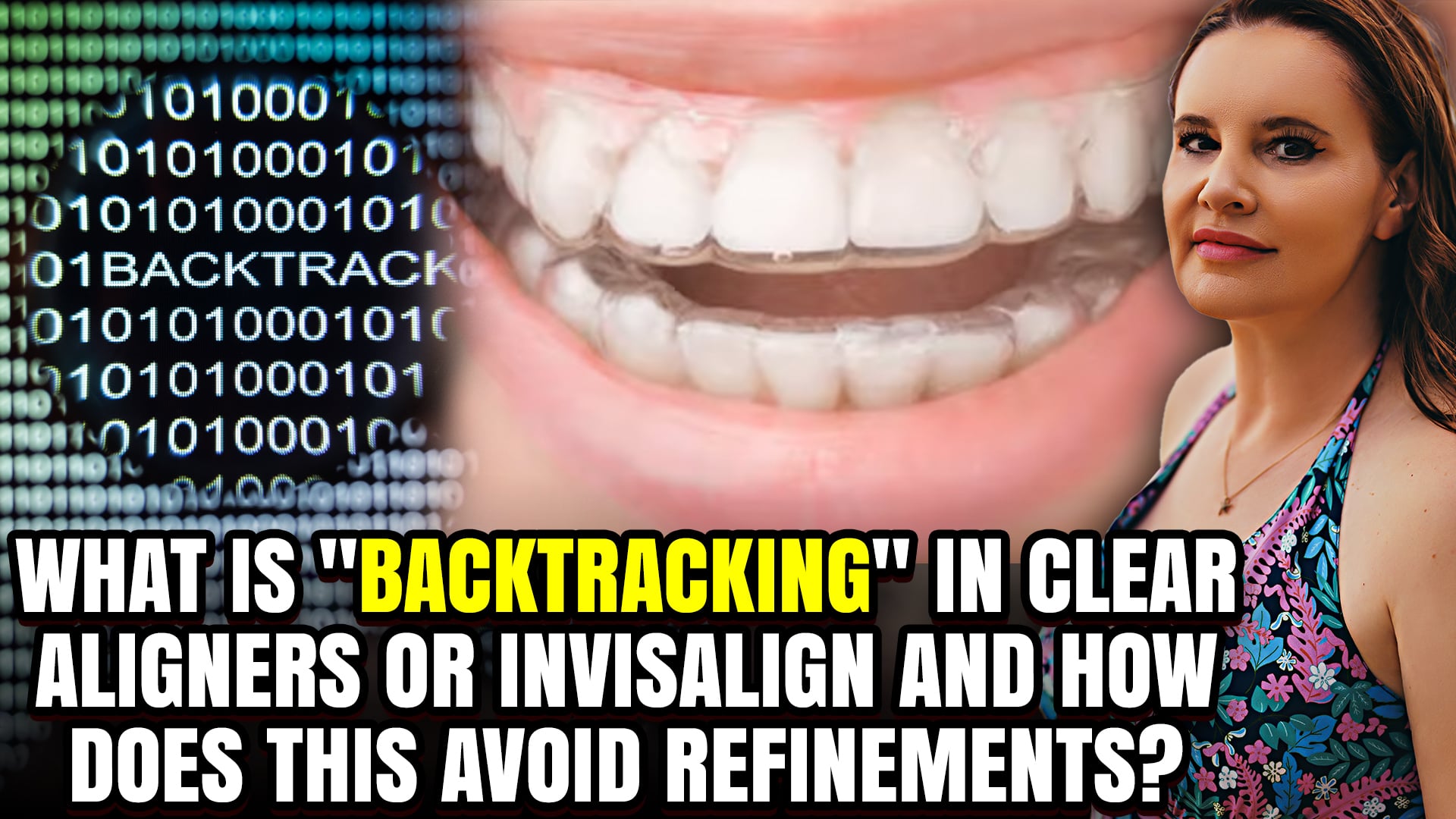
How to Avoid Invisalign and ClearCorrect Refinements with Backtracking
Introduction
- Topic Overview: Exploring how backtracking can reduce the need for refinements in clear aligner therapy.
- Relevance: Helps clinicians save time, reduce costs, and improve patient satisfaction by avoiding unnecessary refinements.
- What is Backtracking?
- Definition: Returning patients to previously worn aligners when treatment falls off track.
- Goal: Realign teeth with earlier trays rather than ordering refinements.
- Foundation for Success
- Proper Treatment Plan: Backtracking only works if the initial plan (ClinCheck or aligner setup) was designed correctly.
- Accurate Speed & Movements: Treatment pacing must be biologically realistic.
- Limitations: If the original plan was flawed, backtracking won’t fix issues.
- Importance of Expert Oversight
- Orthodontist Review: Always consult a licensed US orthodontist with proven aligner expertise.
- Avoid Company Bias: Technicians working for aligner brands may prioritize company interests over treatment success.
- Key Questions for Support:
- What’s their refinement rate?
- What’s their treatment philosophy?
- How many successful cases have they guided?
- When Backtracking Works
- Stored Aligners: Patients must keep older aligners for use if needed.
- Stable Conditions: Effective if there are no new issues such as cavities, trauma, or broken teeth.
- No Major Biological Setbacks: Works best when progress simply lags behind, not when treatment planning errors exist.
- Clinical Benefits
- Efficiency: Saves time by avoiding redesigning aligners.
- Cost Savings: Eliminates or reduces refinement fees.
- Patient Satisfaction: Prevents frustration from treatment delays.
Conclusion
Backtracking is a powerful tool for avoiding refinement, but its success depends on a strong foundation: a well-planned case, proper movement sequencing, and oversight from an experienced orthodontist. With these safeguards in place, clinicians can keep cases on track, reduce costs, and deliver predictable results.
Can Bad Gut Bacteria Be Transferred from a Partner to You or Your Child and Make You Sick?
 Can Bad Gut Bacteria Be Transferred from a Partner to You or Your Child and Make You Sick?
Introduction
• Topic Overview: Examines whether harmful gut bacteria can be transmitted between partners or from parent to child.
• Relevance: Highlights the health risks tied to partner selection, lifestyle, and hygiene habits.
1. Transmission of Gut Bacteria
• Partner-to-Partner Spread:
o Kissing and close contact can transfer oral and gut bacteria.
o Once bacteria colonize, they become part of your long-term microbiome.
• Parent-to-Child Spread:
o Babies can inherit gut bacteria directly from parents through contact and environment.
2. Health Implications
• Permanent Colonization: Harmful bacteria, once established, are difficult or impossible to remove completely.
• Impact on Wellness: Bad bacteria can influence digestion, immunity, and overall health.
• Lifestyle Link: Poor hygiene and unhealthy diets in one partner can negatively affect the other.
3. Role of Research and Verification
• Scholarly Evidence:
o Verified through academic sources, white papers, and journal reviews.
o Search keywords: scholar, gut bacteria transmission, kissing, partner.
• Scientific Consensus: Yes, harmful bacteria can be transmitted and sustained.
4. Preventive Considerations
• Partner Choice: Selecting a healthy partner with good hygiene and diet lowers the risk.
• Long-Term Outlook: Once acquired, harmful bacteria are not easily reversed, stressing prevention over cure.
Conclusion
Harmful gut bacteria can indeed be transmitted between partners and from parents to children, with long-term effects on health. Once these bacteria colonize, they cannot simply be “uncaught.” Preventive measures such as choosing a healthy partner and prioritizing hygiene are essential for safeguarding long-term wellness.
Why You Shouldn’t Just “Wing It” When You Exit Your Practice
 Why You Shouldn’t Just “Wing It” When You Exit Your Practice
Okay, friend—real talk. You’ve spent your career building this thing. The long days, the headaches, the awkward staff meetings, the late-night charting sessions… all of it. You’ve poured your whole self into your practice.
And then one day, you’re going to be done. Maybe you’re dreaming about sipping margaritas on the beach, or maybe you just don’t want to deal with braces emergencies anymore. Whatever it is, the day’s coming.
Here’s the problem: most docs wait until the last second to figure out their exit plan. And when do you wing it? You usually end up with less money, more stress, and way too many “why didn’t I do this sooner” regrets.
The Ugly Truth About Waiting
I’ve seen it. More than once. Books are a mess. Staff are unsettled. Buyers can smell the chaos from a mile away and lowball the offer. Suddenly, what could’ve been your grand exit feels more like a fire sale. And trust me, you don’t want to go out like that.
What a Smart Exit Looks Like
It’s not rocket science. A good exit comes down to three things:
• Know what you want (retire, sell, hand off).
• Know what your practice is worth today.
• Clean up the stuff that drags value down.
Do those, and you’re already ahead of the game.
Why I Push for Retainer Support
This isn’t just me trying to sell you something; it’s me telling you the truth. Exits take time. Stuff changes. Maybe you will get an offer sooner than expected, or maybe the market shifts. Having someone in your corner means you don’t have to scramble when life throws a curveball.
For me, I’d rather see you steady, prepared, and ready for anything. Think of it like keeping a go-bag by the door. You might not need it tomorrow but when you do, you’ll be glad it’s there.
My Two Cents
Look, you’ve worked too hard to let your story end in chaos. You deserve to leave with peace of mind, a fat check, and maybe even a smile on your face.
So yeah, don’t wing it. Start planning now. Trust me, in the future you will be raising a glass in your honor.