
I. Introduction
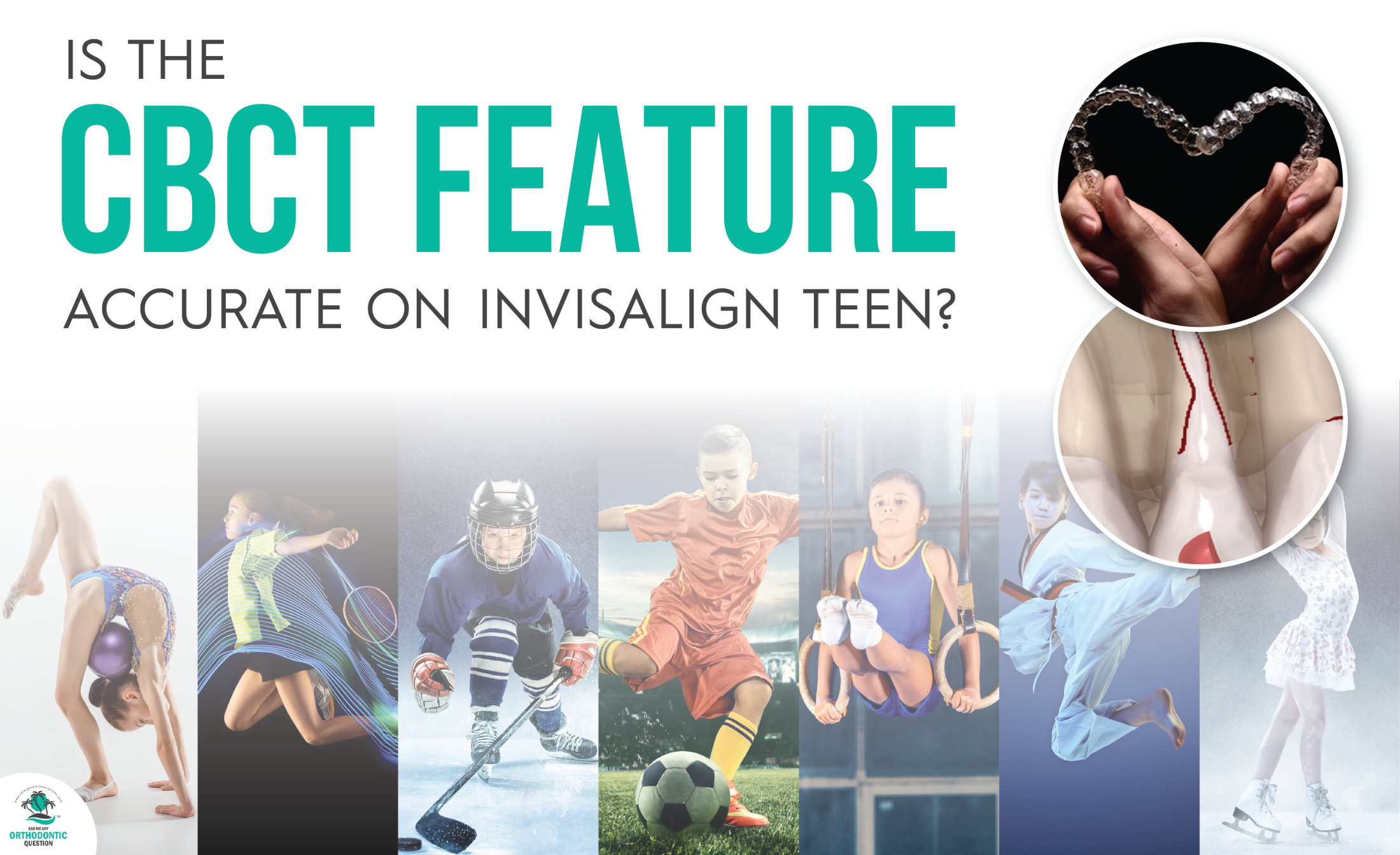
Dr. Amanda from StraightSmile Solutions provides valuable insights into using Invisalign’s CBCT feature for orthodontic treatment planning. She explains how this technology has been a “game changer” for adult cases, giving great accuracy and confidence to fix more complex issues. However, Dr. Amanda cautions against over-reliance on CBCT for teenage and child patients. Through her 20 years of clinical expertise, she has found regular aligners and braces can safely achieve expansion in growing patients without risk of harm. She advises using judgment based on skeletal maturity rather than just applying CBCT routinely. Dr. Amanda offers constructive feedback to Invisalign on improving their AI to account for growth potential. Overall, her goal is to educate doctors on the appropriate and safe use of advanced tools like CBCT for orthodontic treatment.
II. Positive Experience with CBCT in Adults
A. Dr. Amanda’s clinical opinion
B. Confidence in treating cases over 30
C. Addressing conservative approaches
D. Increased confidence with posterior crossbites
III. Accuracy and Reliability of CBCT Feature in Adults
A. Dr. Amanda’s claim of accuracy
B. Pushing the treatment envelope
C. Dependence on AI and CBCT feature
D. Enhanced ability to tackle challenging cases
IV. Concerns Regarding CBCT in Kids and Teens
A. Lack of confidence in AI for younger patients
B. Dr. Amanda’s extensive experience with children and teens
C. Skepticism about the need for CBCT in younger cases
D. Preference for more traditional expansion methods
V. Skepticism about Safety and Necessity in Kids and Teens
A. Dr. Amanda’s concern about overusing CBCT
B. Lack of differentiation for growing kids
C. Fear of unnecessary treatment restrictions
D. Emphasizing the need for caution in utilizing CBCT in younger cases
VI. Addressing Usage Patterns
A. Observation of widespread use in every case
B. Dr. Amanda’s disagreement with the necessity
C. Caution against defaulting to CBCT for kids and teens
D. Preference for selective and justified application
VII. Call for Improvement in AI for Kids and Teens
A. Dr. Amanda’s suggestion for AI enhancement
B. Incorporating skeletal maturity in AI
C. Acknowledging the need for educating dentists
D. Highlighting the challenges in programming skeletal age
VIII. Advice for Orthodontic Professionals
A. Caution in using CBCT for growing patients
B. Stressing the importance of orthodontic expertise
C. Encouraging continual education on skeletal maturity
D. Dr. Amanda’s recommendation to learn more from free resources on the StraightSmile Solutions YouTube channel
IX. Conclusion
Dr. Amanda of Straight Smile Solutions passionately emphasizes the transformative impact of Invisalign’s CBCT feature, particularly for adult cases, especially those aged 30 and over. With confidence born from successful cases, she lauds the CBCT’s accuracy in addressing challenges like posterior crossbites and complex scenarios that previously seemed risky. However, she urges caution with its application in kids and teens, citing a perceived over-reliance on CBCT for every case and highlighting the need for further AI development to incorporate skeletal maturity. Dr. Amanda concludes with a reminder of the ongoing education resources available for dental professionals seeking to enhance their orthodontic expertise.