StraightSmile Solutions®
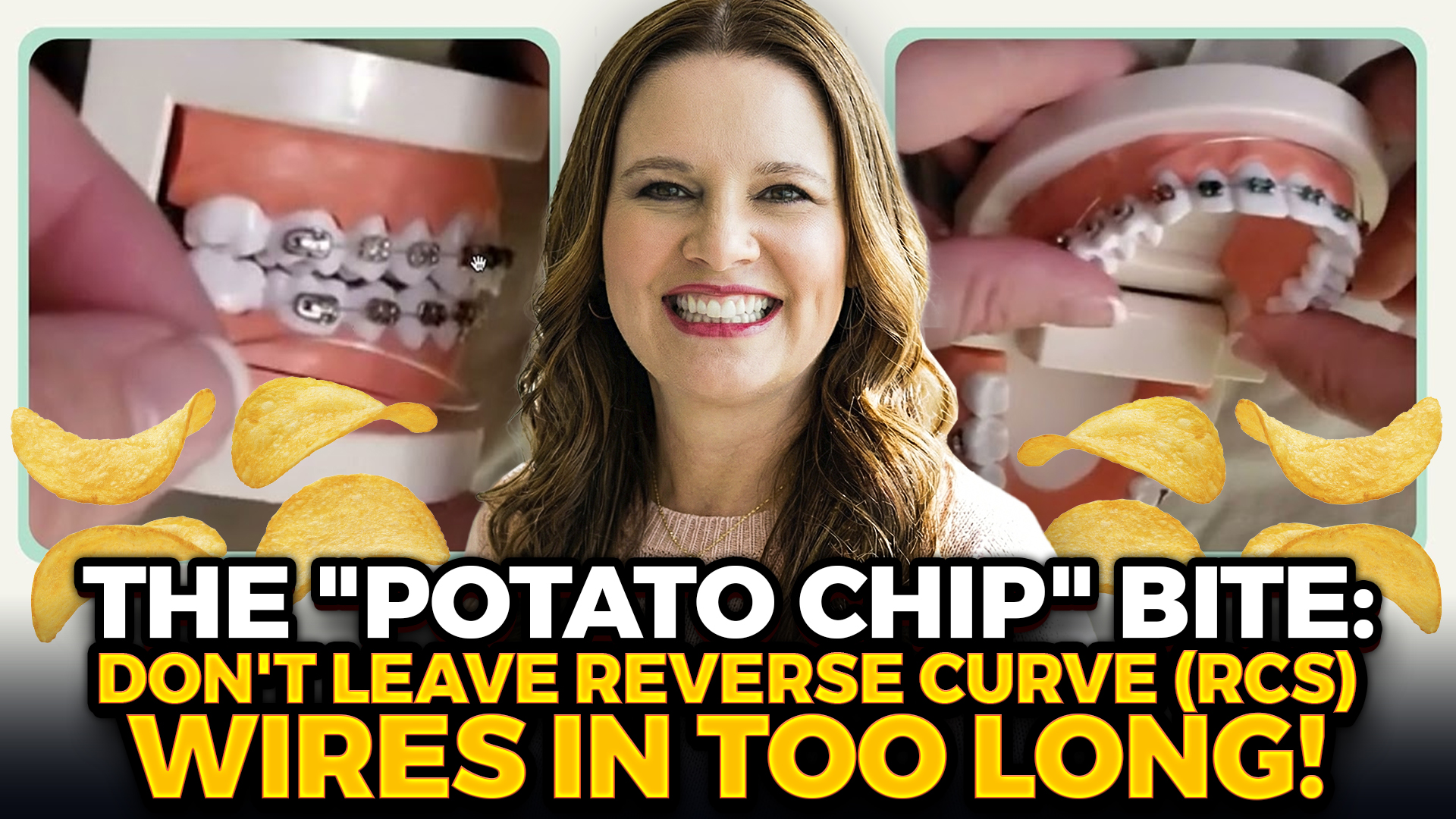
Reverse Curve of Spee (RCS) Wires: Clinical Dangers and Mechanics
- Lower RCS Wires: This is the standard protocol for deep bite correction. It levels the mandibular curve of Spee predictably. It is also highly effective for opening a bite briefly to unlock the occlusion when closing upper arch spaces.
- Upper RCS Wires: Upper application is rare but can be used strategically to intrude the maxillary incisors to correct a highly pronounced gummy smile.
- Create Internal Alerts: Flag every patient chart immediately when an RCS wire is active.
- Strict Screening: Never place these wires in unreliable, flaky, or compliance-compromised patients.
- Rigid Recare Windows: Mandatory appointments must occur precisely at set intervals.
Class 3 Extraction Patterns When Face Masks Fail: Orthodontic Camouflage
Can You Get Invisalign or Braces with Periodontal Disease?
Can You Get Invisalign or Braces with Periodontal Disease?
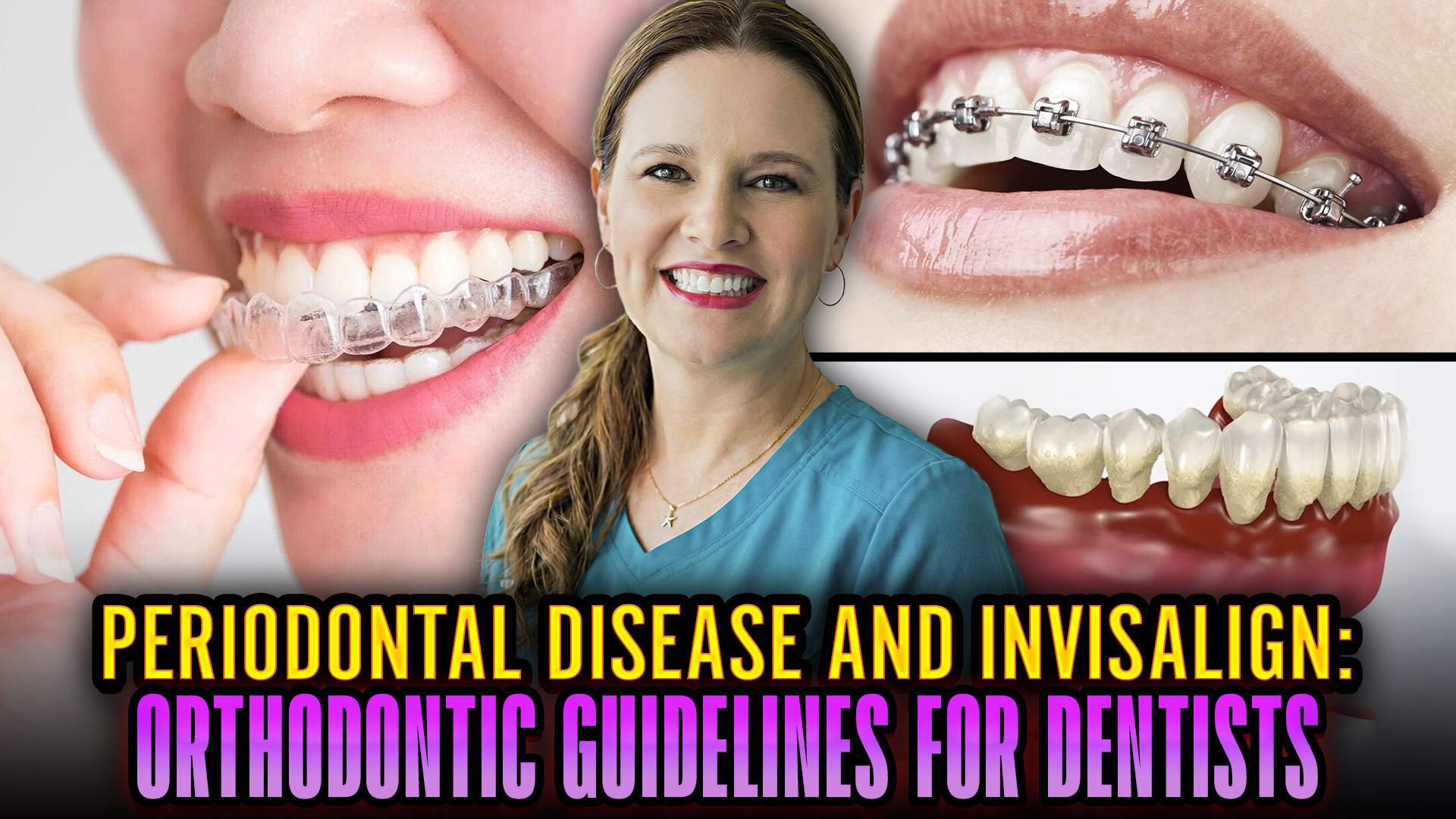
For patients asking “Can I get Invisalign if I have gum disease?”, the short answer is yes—but with strict conditions. Moving teeth in the presence of active inflammation can accelerate bone loss and tissue breakdown. Managing these cases requires a clear distinction between active infection and historical, fully resolved tissue recession.Active vs. Passive Periodontal DiseaseBefore starting any orthodontic treatment, a comprehensive periodontal evaluation is mandatory.Active Disease: Characterized by bleeding on probing, bacterial infection, and active inflammation. Orthodontic forces must never be applied to teeth with active disease.Passive (Historical) Disease: The infection is resolved, and tissue is stable, though some bone loss or gum recession remains. These patients are generally safe for teeth straightening, provided they have adequate bone support.Why Clear Aligners Outperform Traditional BracesWhen treating a stable periodontal patient, traditional braces are highly discouraged. Braces utilize heavy, intermittent forces that peak during routine tightening appointments, causing structural stress on compromised bone.Instead, a specialized clear aligner protocol is preferred for several reasons:Slow and Low Forces: Aligners can be programmed for frequent tray changes to deliver light, highly consistent forces.Scalloped Trim Lines: Systems feature a scalloped edge that contours to the teeth without impinging on delicate, receded gum tissue. Straight-line trimmer options should be avoided as they place unnecessary pressure on the gingival margins.Hygiene Access: Removable aligners allow patients to maintain meticulous daily brushing and flossing routines, preventing plaque buildup.Best Practices for General DentistsIf you are a general practitioner managing a complex case, protect your patient and your practice by adhering to standard clinical workflows:Require a Periodontal Referral: If bone support is questionable, refer the patient to a specialist. Secure written clearance from a periodontist before manufacturing aligners.Perform Post-Treatment Evaluations: Do not rely solely on scaling and root planing (SRP). Conduct a mandatory re-evaluation to document that pocket depths and inflammation have objectively improved.Maintain Strict Recare: Ensure the patient remains on a dedicated periodontal maintenance program throughout their active orthodontic treatment.To review full clinical guidelines or schedule an orthodontic case consultation, visit the StraightSmile Solutions Services Portal.
The Critical Scan: Why the Last Molar Can Make or Break Your Clear Aligner Cases
 The Critical Scan: Why the Last Molar Can Make or Break Your Clear Aligner Cases
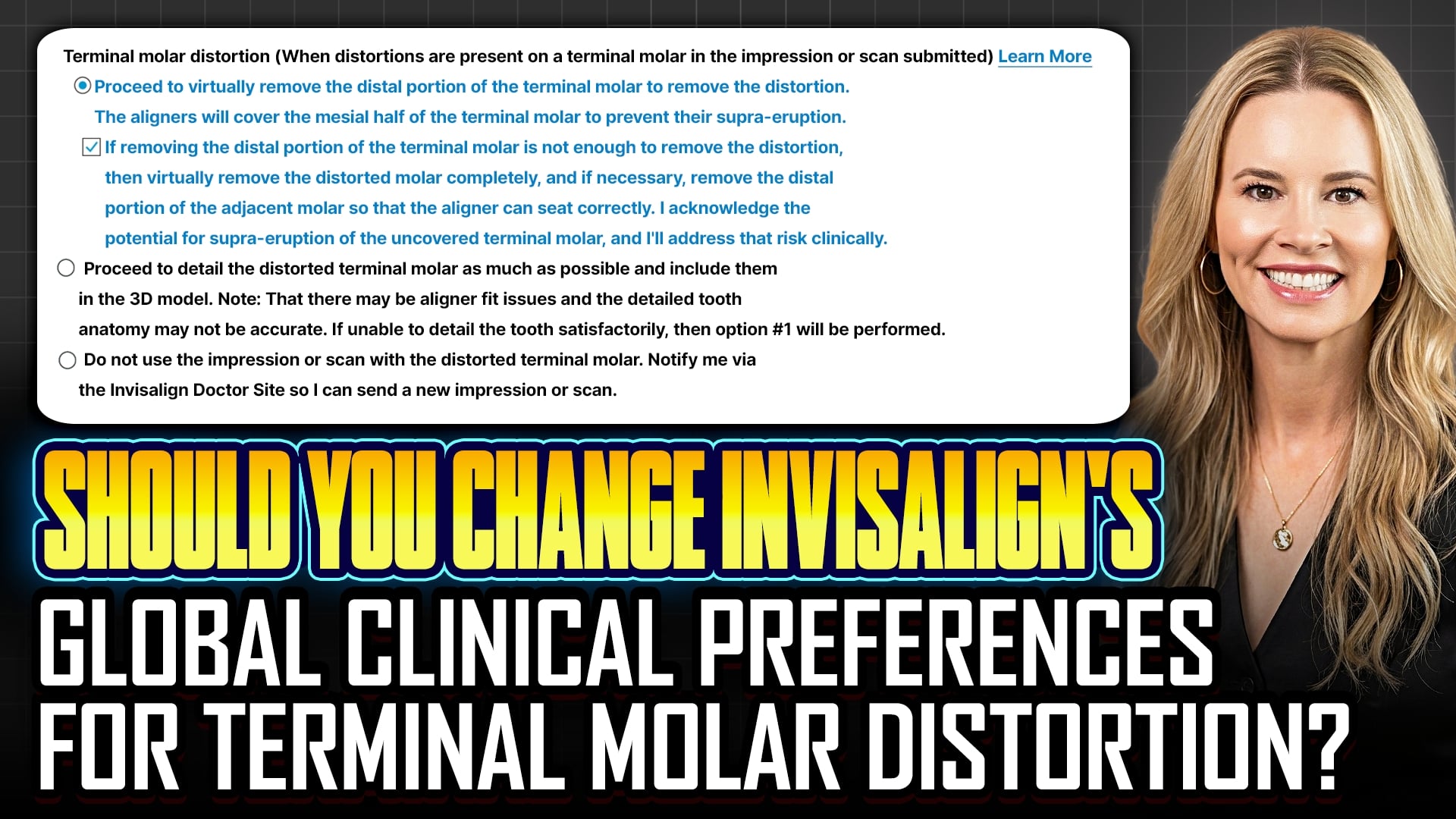
Capturing a perfect digital impression is the foundation of any successful clear aligner treatment. However, many practitioners consistently struggle with one specific area of the mouth: the terminal molars. While it is tempting to rush through the back of the mouth, neglecting these final teeth can severely compromise your clinical outcomes.
The Problem in the Back of the MouthIt is easy to get sloppy when scanning terminal molars. The back of the mouth presents a perfect storm of clinical challenges. Patients often struggle to open wide enough, cheek muscles create tight resistance, the tongue gets in the way, and a hyperactive gag reflex can make positioning the scanner incredibly difficult.
Because of these hurdles, doctors and clinical assistants frequently settle for incomplete scans of the second or third molars.Why Every Millimeter MattersIn traditional orthodontics, practitioners occasionally bypass the last molars if they are not actively moving them. In clear aligner therapy, this is a recipe for disaster. The aligner plastic relies on the total anatomy of the dental arch for retention and proper seating. If your digital model cuts off half of a terminal molar, the final manufactured tray will not fit securely over that tooth.
This lack of proper engagement creates a loose fit, reduces the overall tracking of the aligners, and can lead to unwanted posterior open bites.The TakeawayDo not let patient anatomy or clinical fatigue compromise your digital impressions. Take the extra time to retract the cheeks, manage the tongue, and fully capture the distal surfaces of those last molars. A complete scan guarantees a better-fitting aligner, smoother treatment tracking, and far fewer mid-course corrections.
https://linktr.ee/straightsmilesolutions
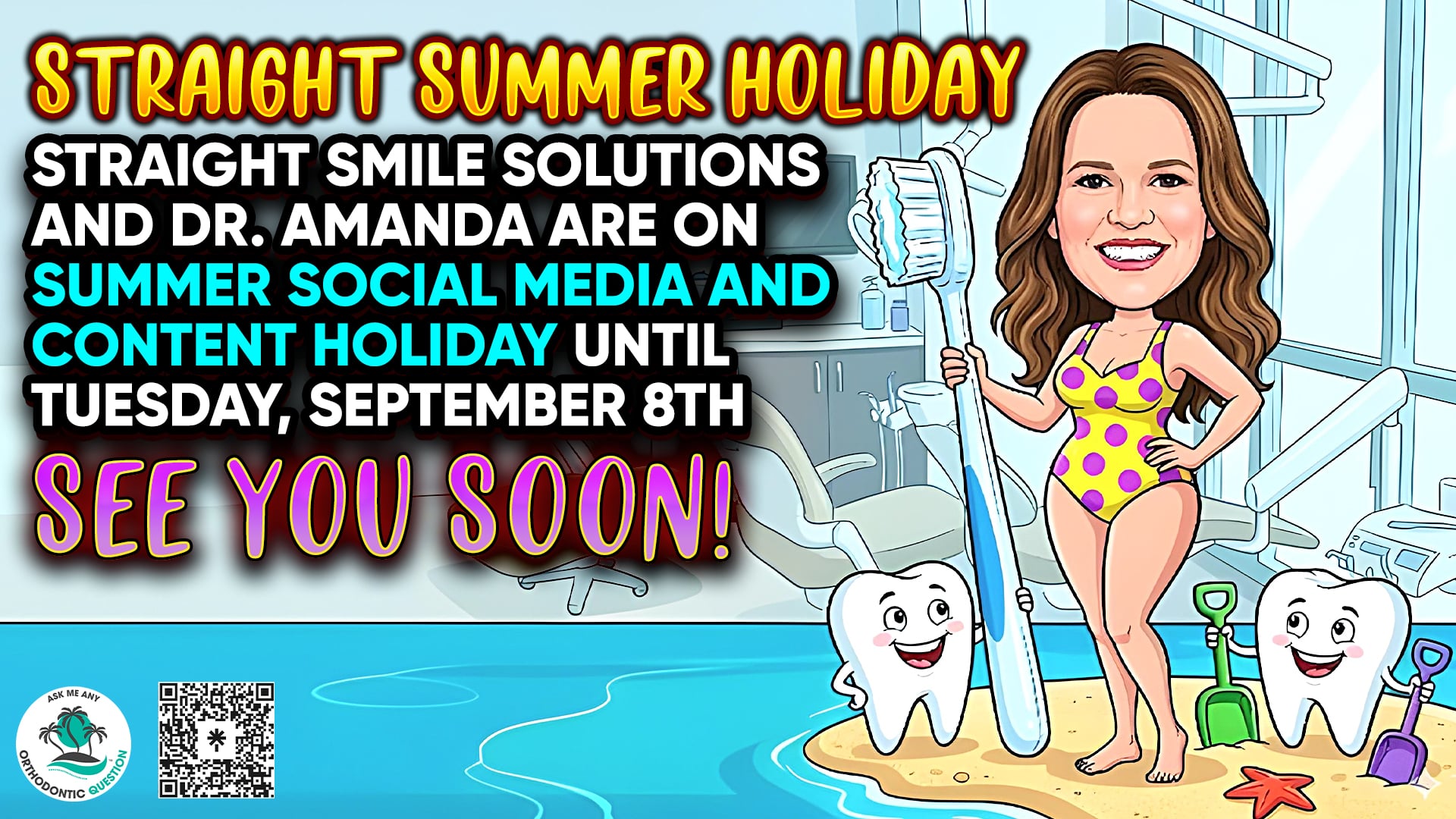 The StraightSmile Team is on Break—But Your Interceptive Ortho Growth Starts Now!The StraightSmile Solutions content creation team is officially on summer break from August 20th until September 8th.
But while our cameras are off, your practice’s most profitable season is turning on.The back-to-school rush is the absolute prime time to launch interceptive orthodontics (Phase 1). Parents are focused on wellness, schedules are resetting, and kids are ready for a healthy start.If you are a general or pediatric dentist looking to explode your production this fall, now is the time to sign up as a StraightSmile Solutions customer. Here is why our doctor-to-doctor coaching completely outperforms any other engine on the market.1. We Are 100% Brand & Lab AgnosticUnlike corporate clinical support lines that force you into a specific ecosystem, we have zero loyalty to any single brand. We teach you good, foundational orthodontics—not a software package.Complete System Mastery: We teach you how to succeed with Invisalign, ClearCorrect, standard brackets, wires, and customized appliances.Your Choice of Labs: We work seamlessly with national brands or your favorite local boutique labs.Unbiased Case Selection: Our only goal is helping you choose the safest, most efficient workflow for your practice and your patient.2. Zero Surgical Liability, Maximum Peace of MindMany doctors avoid introducing advanced ortho because they fear getting stuck in complex, surgical traps.Strict Non-Surgical Focus: We explicitly do not support or coach on surgical cases.Safe Clinical Boundaries: We teach you exactly how to identify, treat, and scale predictable, non-surgical cases in-house.Smart Referral Hygiene: We help you confidently screen and refer out high-risk skeletal or surgical cases, keeping your practice safe and stress-free.3. Why Signing Up Now Changes Your Entire Fall ProductionDon’t wait for our team to return from break to start scaling. While we recharge, our onboarding infrastructure is ready to scale your skills.Capture the School Rush: Parents are actively looking for Phase 1 interceptive solutions right now to fix airway, crowding, and bite issues before the school year hardens habits.Instant In-House Expertise: We give you the exact blueprints, staging feedback, and treatment planning confidence to say “Yes” to the next ten parents who walk through your door.Ready to massively boost your practice’s revenue this school year? Don’t let another season pass referring out thousands of dollars in profitable ortho cases. Explore our tailored coaching programs directly on the StraightSmile Solutions website and lock in your competitive edge today!
The Illusion of “Mewing” and Growth Modification
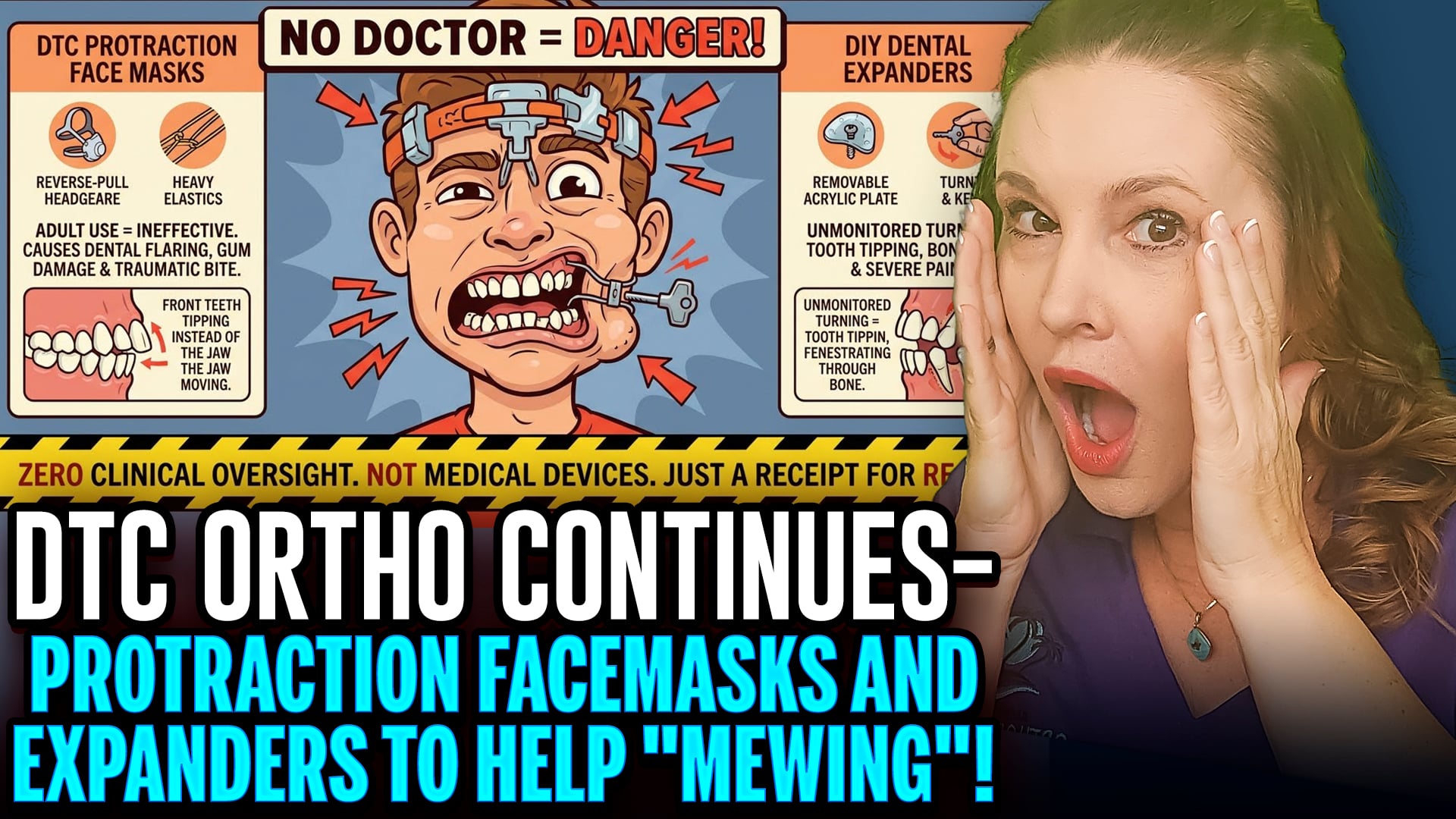 The Illusion of “Mewing” and Growth Modification
Many of these products are sold on websites capitalizing on viral online trends. They are heavily advertised on social media platforms to promote “forward facial growth”.However, true growth modification requires professional diagnostic tools and precise monitoring. Devices like protraction face masks only work effectively on growing children whose skeletal structures are still developing. When an adult uses these devices, their cranial sutures are already fused. The skeletal bones will not move or open up as advertised; instead, the forces are transferred entirely to the teeth and supporting tissues, causing severe trauma.Severe Medical and Dental RisksUsing unmonitored orthodontic appliances at home poses critical threats to your oral health. Without a dentist gauging the force of the elastics or checking the alignment, users risk the following complications:Root Resorption: The roots of the teeth can shorten and dissolve due to inappropriate, heavy forces, leading to loose or permanently lost teeth.Severe Bite Malocclusions: Users frequently develop unexpected posterior open bites, severe canting (an uneven, tilted jawline), or completely misaligned chewing surfaces.Bone Loss: Uncontrolled pressure can push teeth entirely out of their supporting alveolar bone pocket.Regulatory and Legal LoopholesOrthodontic expanders and face masks are classified as medical devices. By law, selling them without a licensed dentist’s or orthodontist’s prescription violates the FDA and state dental practice acts.To bypass these laws, many direct-to-consumer companies operate entirely out of Europe, manage their customer support solely through encrypted channels like WhatsApp, and bury disclaimers in their terms stating their items are “not intended for medical use” or are merely for online attention. Because they operate outside domestic jurisdictions, consumers are left with zero legal recourse when they suffer severe physical damage.Always double-check the physical label and structural integrity of any dental product. If you are considering facial or dental adjustments, consult a licensed orthodontist rather than purchasing unverified devices online.
Navigating the Airway Triage Maze: Who Treats the Pediatric Patient First?
 Pediatric airway management is a complex puzzle. Dentists, orthodontists, myofunctional therapists, and pediatricians are all trying to figure out the right treatment workflow. When a child presents with mouth breathing, a high palatal vault, or enlarged tonsils, knowing who takes clinical priority is essential for patient safety.Legally, medical doctors hold ultimate diagnostic power. Only a physician can diagnose systemic conditions like Obstructive Sleep Apnea and provide surgical clearance. Dentists screen for airway issues and modify skeletal structures, but they cannot diagnose sleep apnea. Myofunctional therapists retrain soft tissue function, placing them subordinate to both medical and dental clearance. Dentists should design treatment around orthodontic needs, and therapists should not utilize mouth taping on a child without an evaluation from an Ear, Nose, and Throat specialist.An objective way to determine the treatment order is by evaluating the patient’s tonsil grade. Grade three and four tonsils occupy more than seventy-five percent of the oral pharynx and represent an acute mechanical airway hazard. Palatal expansion or tongue exercises will not shrink this tissue overnight. In these cases, treatment must halt, and the patient must go directly to an ENT. Placing an appliance in a severely compromised airway risks further obstruction at night. Conversely, grade one and two tonsils with a high palatal vault indicate a structural plumbing problem. Here, the orthodontist can safely initiate Phase One skeletal treatment to widen the nasal floor.Myofunctional therapy serves as the final piece of the puzzle because function follows form. A therapist cannot successfully retrain tongue posture if large tonsils push the tongue forward or if a narrow arch lacks physical space. Therapy takes the primary position after the ENT clears the airway and the orthodontist builds the skeletal framework. To eliminate long medical wait times and streamline care, major dental and medical organizations must collaborate to establish a standardized, interdisciplinary workflow.
Overview of Olive Clear Aligners: An Orthodontist-Exclusive Alternative
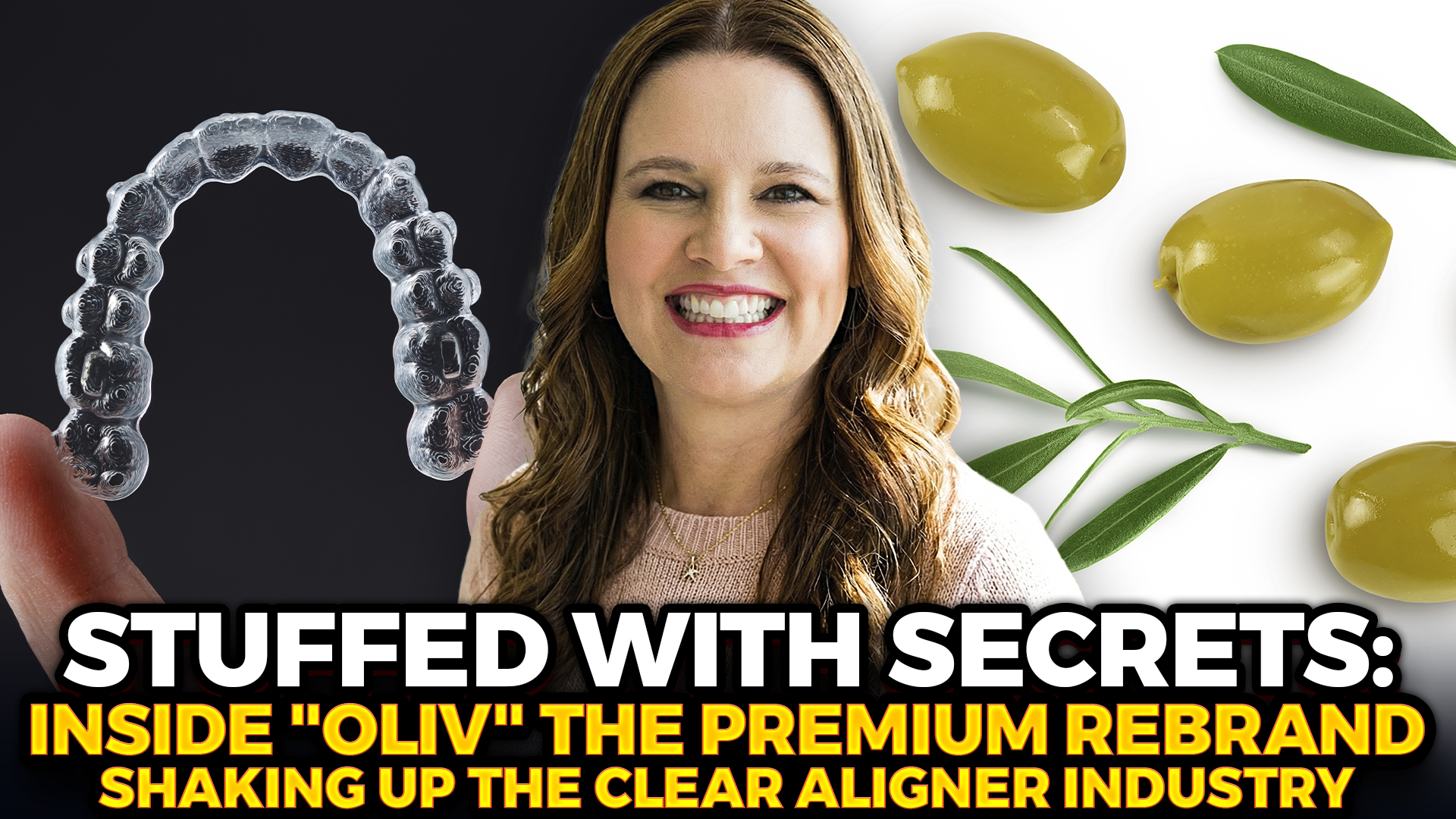 Overview of Olive Clear Aligners: An Orthodontist-Exclusive Alternative
Dr. Amanda from StraightSmile Solutions reviews “Olive,” a new clear aligner brand positioned as an “elevated, curated, premium” alternative to Invisalign. The company targets a niche market by operating strictly as an orthodontist-exclusive brand, effectively blocking general dentists from ordering their products. This strategy appeals directly to specialists who feel their professional degrees have been devalued by mass-market options. However, history suggests that strictly exclusive domestic dental brands often face legal hurdles or eventually expand to general practitioners to scale successfully.Branding and Product ExperienceOlive differentiates itself through a “quiet luxury” and hospitality-focused branding aesthetic. Instead of utilizing traditional cold medical plastics and clinical blue tones, the company leverages warm color palettes, soft olive tones, linen textures, and high-end unboxing experiences for patients. The product presents teeth alignment as an art form rather than a simple clinical correction.Pricing, Software, and Market ViabilityThe lab fees for Olive are exceptionally high, which means providers must charge a premium price and deliver a highly elevated practice experience to justify the return on investment. On the technology side, Olive features concierge software that integrates Dental Monitoring (DM) directly into its ecosystem. While digital monitoring has been standard practice for a decade, Olive aims to eliminate automated “hocus pocus” AI setups by utilizing smaller-scale, human-curated movements designed strictly by and for orthodontists.Ultimately, utilizing an exclusive premium brand allows specialists to differentiate their practices. However, because similar business models have historically struggled to remain viable, doctors should exercise caution before entirely shifting away from established brands.
Braces, Bots, and Blunders: My Latest AI Marketing Fail
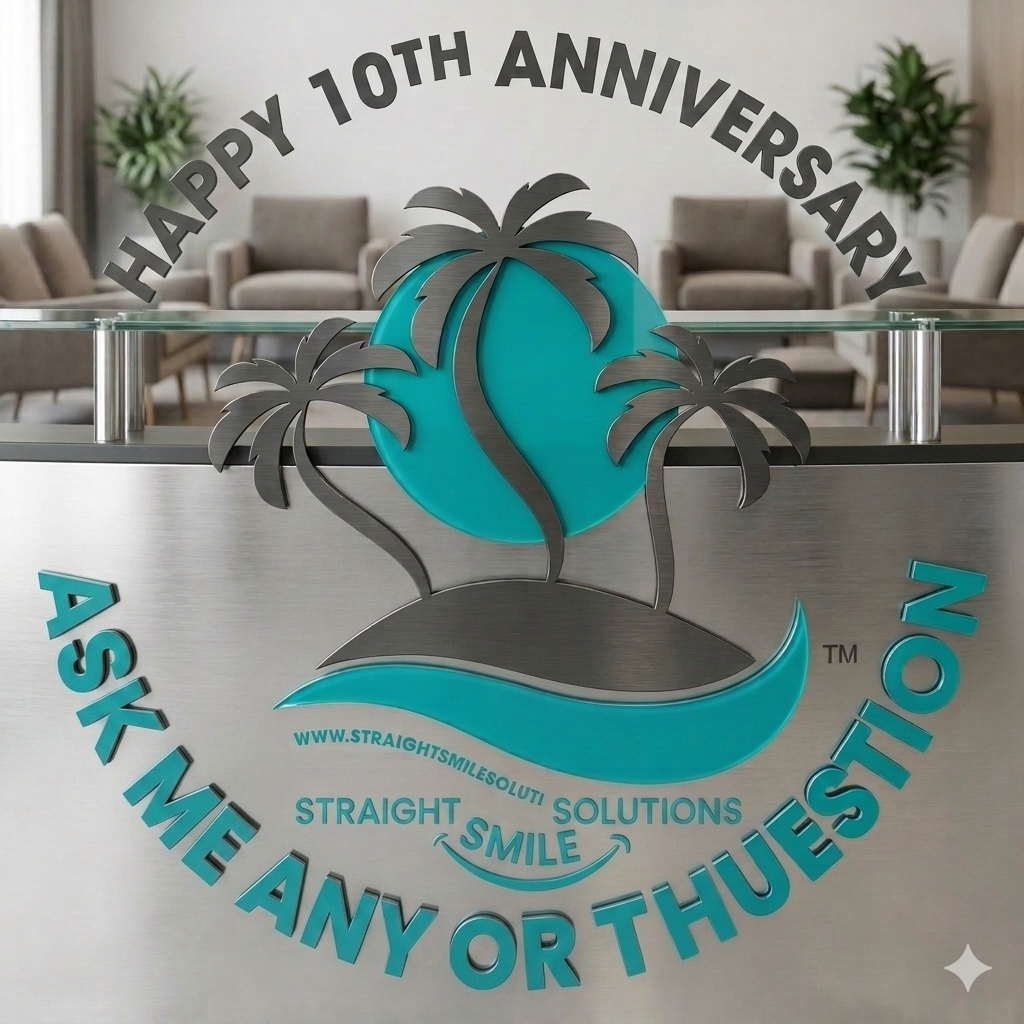
Ever since taking over the digital content for Straight Smile Solutions, my journey from rigid Canva templates to AI content generators has been a wild, hands-on labor of love. I usually use our social platforms and YouTube channel to break down complex clinical concepts like 3D AI brackets, washboard roots, and interceptive mechanics.However, AI text and image tools have a mind of their own. My latest content creation attempt ended in a hilariously bizarre fail. Instead of a polished orthodontic tip, the tool hallucinated completely nonsensical, mangled instructions, layered with bizarre formatting and predictive timestamps that looked more like broken computer code than a marketing post!AI is fantastic for brainstorming structural outlines, but it completely lacks clinical intuition and cultural context. If you do not keep a human-in-the-loop to audit the final output, it will quickly turn your professional brand into a comedy routine.Have you had a hilarious AI content fail yet? Let’s laugh about it in the comments below!
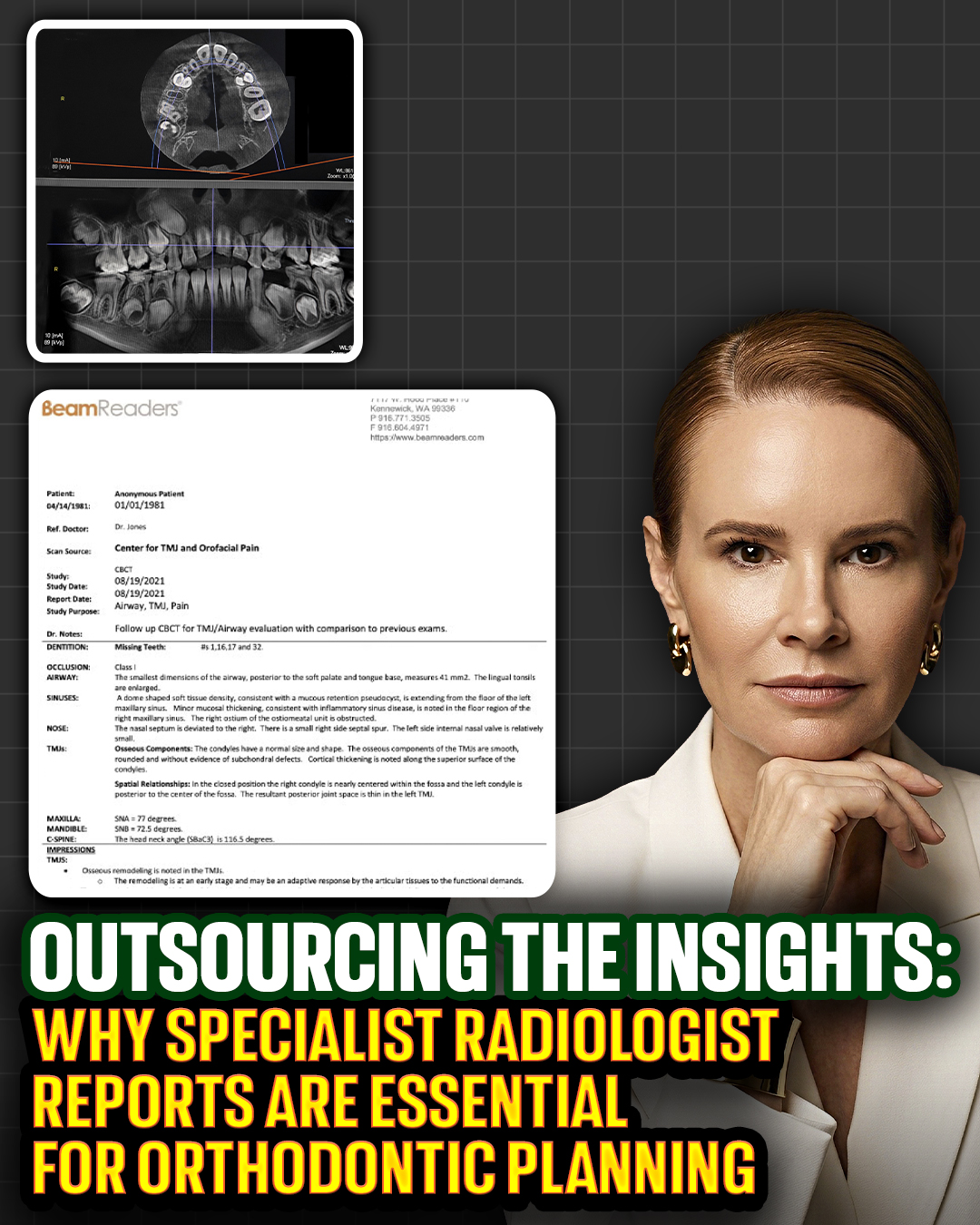
Navigating CBCT Interpretations: The Case for Outsourcing OMFR Reports