
Reevaluating Class Three Chin Cup Therapy in Modern Orthodontics
Orthodontists historically used chin cup therapy to treat Class three malocclusions and high-angle jaw discrepancies. This traditional approach aims to restrict lower jaw growth by applying direct backward pressure. Clinical realities and alternative therapies have caused many modern practitioners to shift away from this specific appliance.
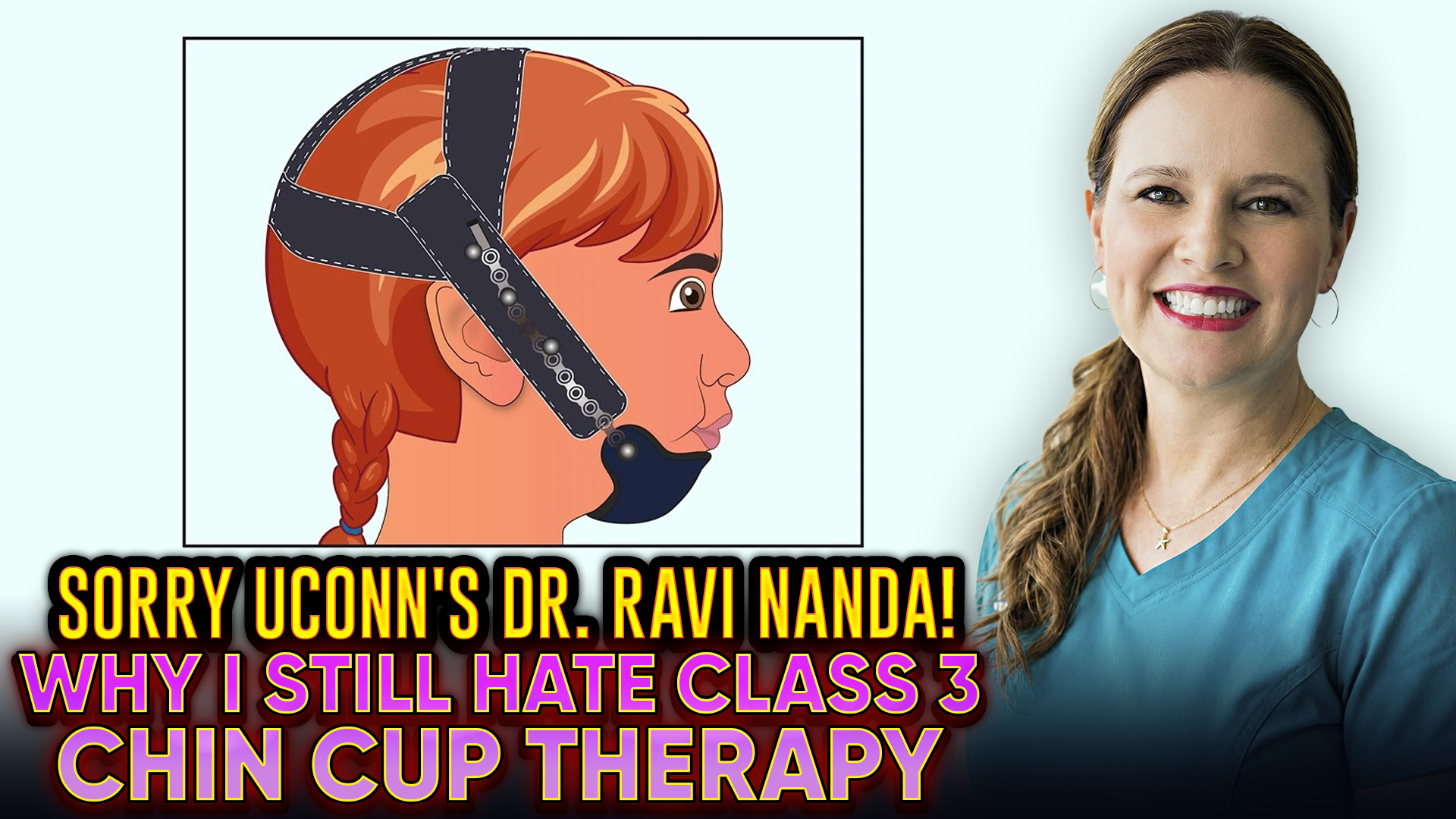
The mechanics of the chin cup appliance present several risk factors for young patients. The device works by forcing the mandibular condyles directly into the joint sockets. This constant backward pressure can cause long-term damage to the temporomandibular joints. Improper use before correcting a crossbite can also cause trauma to the front teeth. Beyond physical risks, the appliance requires a massive commitment of fourteen plus hours of daily wear. Younger patients frequently reject the device due to social discomfort and peer teasing.
Many Class three profiles actually stem from maxillary retrognathism, which means an underdeveloped upper jaw. Chin cups attempt to hold back the lower jaw instead of advancing the upper jaw where the restriction lies. Applying a chin cup to older teenagers does not change these skeletal patterns effectively. Severely genetic Class three cases often require corrective jaw surgery after growth finishes, and chin cup therapy cannot prevent the ultimate need for surgical intervention.
True childhood Class three development often stems from underlying functional health issues rather than pure genetics. Addressing these environmental factors early redirects facial growth naturally without invasive headgear. Enlarged tonsils or adenoids can force the lower jaw forward to maintain an open airway. Chronic mouth breathing alters resting jaw posture and restricts upper jaw expansion. Furthermore, a low resting tongue position fails to support the natural widening of the palate, and severe tongue-ties can pull the mandible forward.
Modern interceptive orthodontic treatment focuses on solving these root structural and functional causes. Protraction face masks successfully bring the maxilla forward in growing patients when worn consistently at night. Rapid palatal expanders widen narrow upper arches to unlock the bite and improve nasal breathing. Myofunctional therapy retrains correct resting tongue position and proper swallowing habits. Providers can also utilize alternative mechanical strategies like sequential distalization or posterior bite turbos to achieve healthy alignment.