
StraightSmile Solutions®
Understanding Mentalis Strain: Structural Orthodontics vs. Neurodivergence
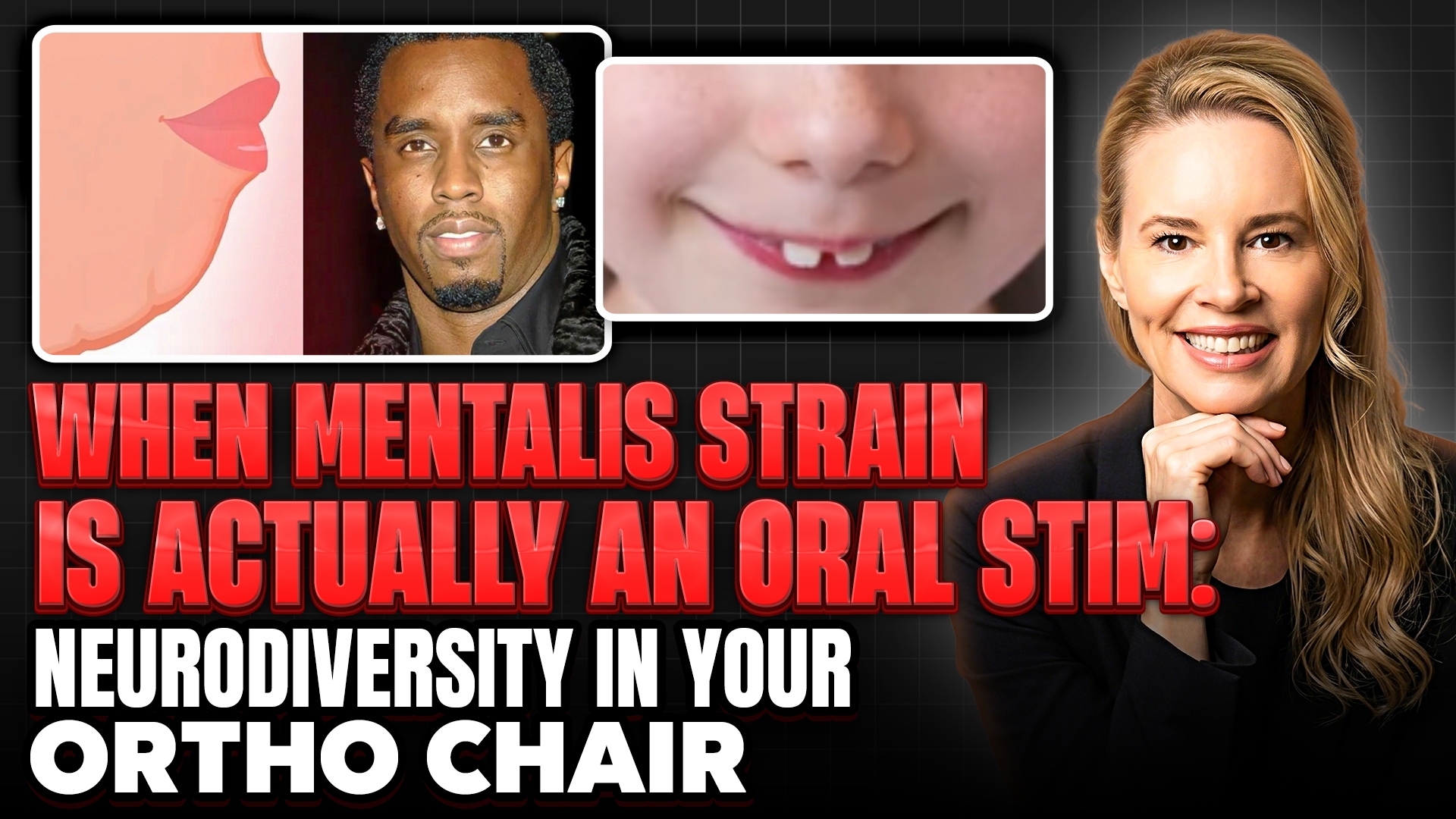
Understanding Mentalis Strain: Structural Orthodontics vs. Neurodivergence
When evaluating a pediatric or adult orthodontic patient, seeing a dimpled chin or puckered lower lip instantly points toward mentalis strain. Traditionally, dentists and orthodontists view this as a purely mechanical or airway issue. We assume the jaws grew vertically or backward, creating lip incompetence where the patient must force their soft tissue around protrusive teeth.However, there is an entirely separate cause that receives very little research in dental circles: muscle tone and neurodivergence.High Tone and Central Nervous System RegulationHypertonia, or high muscle tonicity, can cause chronic oral tension completely independent of skeletal growth. Individuals with high tone naturally carry rigid, highly active muscles in their cheeks, lips, and tongue. This type of oral posturing is highly documented within neurodivergent populations, including individuals on the autism spectrum (ASD) or those with ADHD.For these patients, mentalis strain is often a subconscious micro-stimming behavior. Rhythmic jaw clenching, lip pursing, and tight oral posturing provide sensory feedback or motor regulation through the central nervous system. It is a neurologic function, not a lack of dental space.Spotting the Difference in Your ChairMisdiagnosing neurodivergent or high-tone tension as a skeletal issue can lead to an ineffective or unnecessary treatment plan, such as inappropriate growth redirection or extractions. Dentists can use a simple rest-position check to differentiate the two:Skeletal Strain: Watch the patient when they do not realize you are looking, such as when they are resting or distracted. If their mouth hangs open at rest (lip incompetence) but the chin dimples only when they actively force their lips to close, you are dealing with a mechanical or airway issue.Neurologic Tone: If the chin dimpling, teeth clenching, or lip pursing occurs consistently at rest, during stress, or rhythmically throughout the appointment, it is likely driven by tone or sensory stimming.
Adult AOB Cases: Straight Teeth or a Massive Orthodontic Lawsuit?
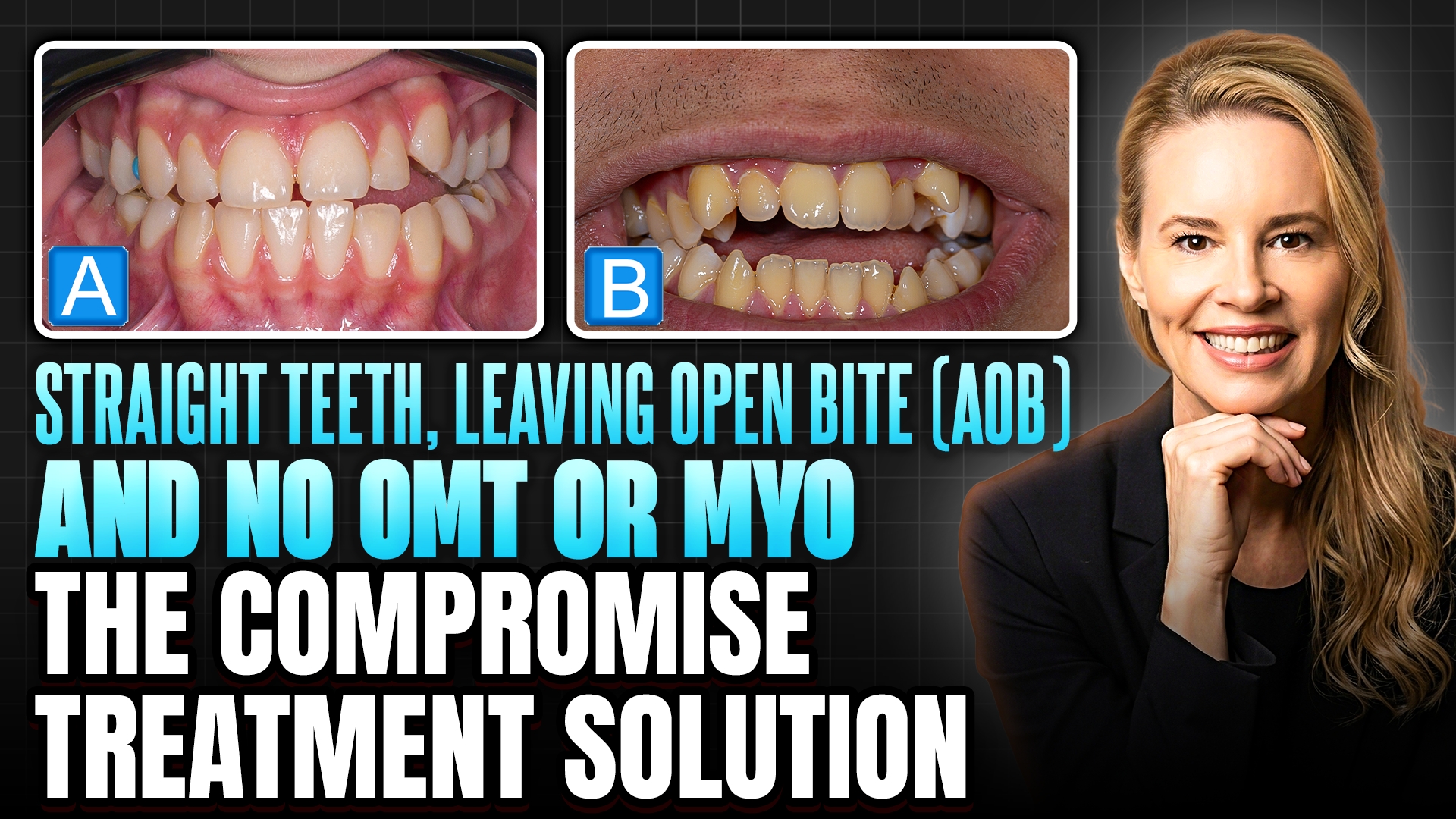
Adult patients with an anterior open bite (AOB) frequently demand a dangerous shortcut: “Just give me straight teeth and leave my bite alone!” While clear aligners make this biomechanically possible, treating a compromised adult AOB case without a myofunctional therapy (myo) release is playing Russian roulette with your dental license.The Hidden Trap of Compromised OrthodonticsLeveling crowded teeth in traditional braces causes serious flaring, actively worsening the open bite. While Invisalign or ClearCorrect offers superior vertical control, you will still likely finish with a 1.5mm residual AOB. Patients always claim they won’t mind, but once treatment ends, reality sets in. They cannot bite into a sandwich, they develop speech issues, and they quickly forget they signed up for a compromised result. When functional problems appear, they will run to another doctor who says you butchered them, sparking a formal board complaint.Protecting Your LiabilityTo avoid a catastrophic malpractice issue from a disgruntled patient, follow these non-negotiable rules:Identify the underlying etiology like tongue thrust, airway issues, or aggressive nail-biting.Force the patient to get a baseline myologist evaluation and sleep assessment first.Never accept insurance for a compromised case because these must strictly be cash-pay.Draft a ruthless, custom informed consent form outlining every functional risk.If a complex skeletal case refuses a CBCT scan or jaw surgery discussion, do not risk your clinical reputation. Simply walk away from the case.Conclusion: Protect Your License FirstAt the end of the day, a patient’s aesthetic desire should never compromise your medical judgment. Fulfilling a risky request for quick, straight teeth can turn into a legal nightmare if their function suffers. Protect your dental practice by setting firm clinical boundaries, demanding myofunctional collaboration, and ensuring your liability paperwork is completely airtight before beginning any compromised adult treatment.
Why Your Dental Office Needs a Linktree for Instagram: Streamlining the Patient Experience
 Why Your Dental Office Needs a Linktree for Instagram: Streamlining the Patient ExperienceIn the fast-paced digital world, capturing a potential patient’s attention is harder than ever. Many dental practices invest heavily in complex websites, only to find that visitors leave because the information they need is buried under tabs. For modern dental offices looking to optimize their online presence, using a Linktree for Instagram is the ultimate solution to simplify navigation and boost patient engagement.The Power of Digital FlexibilityIn the past, businesses relied heavily on marketing funnels or website splash pages to direct traffic. While effective, these setups can be bulky, slow, and resource-heavy to maintain. An optimized Linktree for Instagram offers incredible flexibility by acting like a centralized hub right in your social media bio. When a patient clicks the link, every major resource—from appointment booking and patient forms to educational content—is neatly organized right at their fingertips. This eliminates the frustration of digging through a traditional website, keeping users from giving up and clicking away.Weighing the Pros and ConsWhile Linktree provides an exceptional user experience, it is important to consider the trade-offs. The main drawback is that direct traffic from social media hits the Linktree landing page first rather than your primary website, which can make it trickier to instantly capture data via a Google or Facebook tracking pixel. However, for many practices, the high return on investment (ROI) in terms of patient organization, conversion, and ease of access far outweighs this tracking gap.Low Cost, High ValueThe best part about implementing this tool is its accessibility. Running an optimized profile is highly budget-friendly, costing around $12 a month—or well under $200 a year. Given how easy it makes the patient journey directly from your social profile, it is a small price to pay for seamless digital organization.
Is Invisalign’s “Pay Per Aligner” Program Worth It?
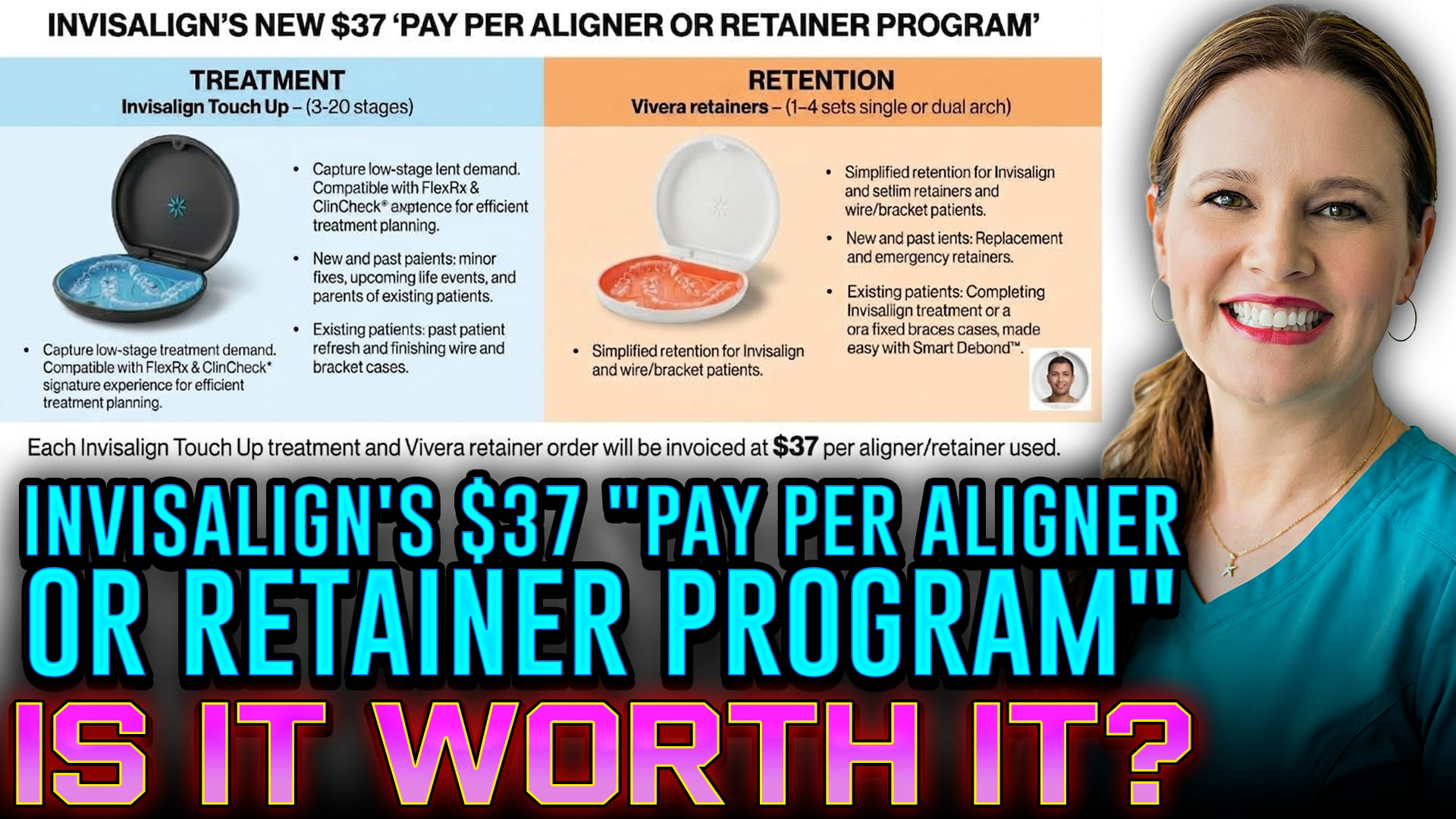 Is Invisalign’s “Pay Per Aligner” Program Worth It?
A new feature on the Invisalign dashboard has dental professionals talking. Invisalign is introducing a “Pay Per Aligner or Retainer” program. This shift aims to offer doctors and patients more flexibility with clear aligner treatment pricing. However, it also introduces unique challenges for modern dental practices.An Opportunity for Patients and DoctorsThis pay-per-aligner model can be incredibly beneficial. For patients, it provides a highly customizable entry point into orthodontic treatment. Individuals who only need minor touch-ups or specific standalone retainers no longer have to commit to expensive comprehensive packages. Doctors can utilize this program to offer targeted, cost-effective adjustments. It can also build a robust aftercare program for long-term retention.The Industry ShiftDespite the convenience, this model represents what many in the industry call a “race to the bottom”. Decades ago, clear aligner orthodontics was a premium, high-margin service. Today, the market is highly commoditized. Once patients discover the base lab fees for individual aligners, practices may face heavy pressure to lower their consumer pricing. This shift can make it incredibly difficult to maintain standard profit margins on basic treatments.Strategic Solutions for Your PracticeTo survive this changing landscape, general and pediatric dentists must adapt their business strategies. Relying solely on standard adult aligner cases is no longer a viable long-term strategy for high profitability. Instead, practices should focus on complex phase-one interceptive treatments and growth modifications. Additionally, dentists must learn to properly monetize their aftercare and retention programs. Offering structured long-term maintenance packages ensures stable revenue while protecting patient smiles.If you are a dental professional navigating these new pricing structures, consider evaluating your current overhead. I can help you analyze your lab fees, design an aftercare subscription, or explore phase-one tracking strategies.
How Smartee’s Technology is Transforming Straumann’s ClearCorrect

Navigating the DSO Landscape: How to Protect Your Dental Career
ClearCorrect vs. Invisalign: CBCT Functionality Compared

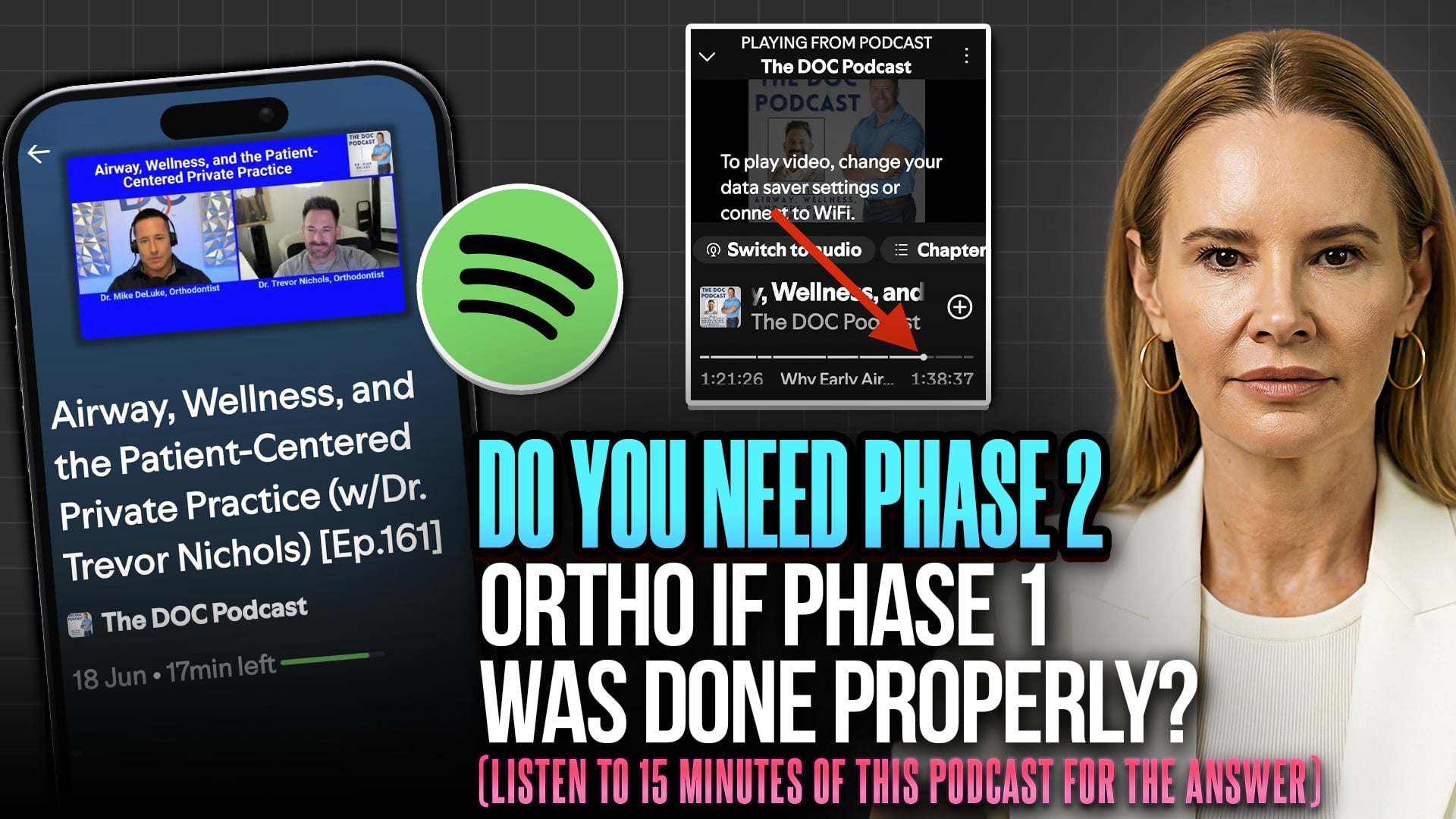
Rethinking Phase Orthodontics: Do Your Patients Really Need It?
Why You Need an Orthodontic and Airway Evaluation Before Plastic Surgery
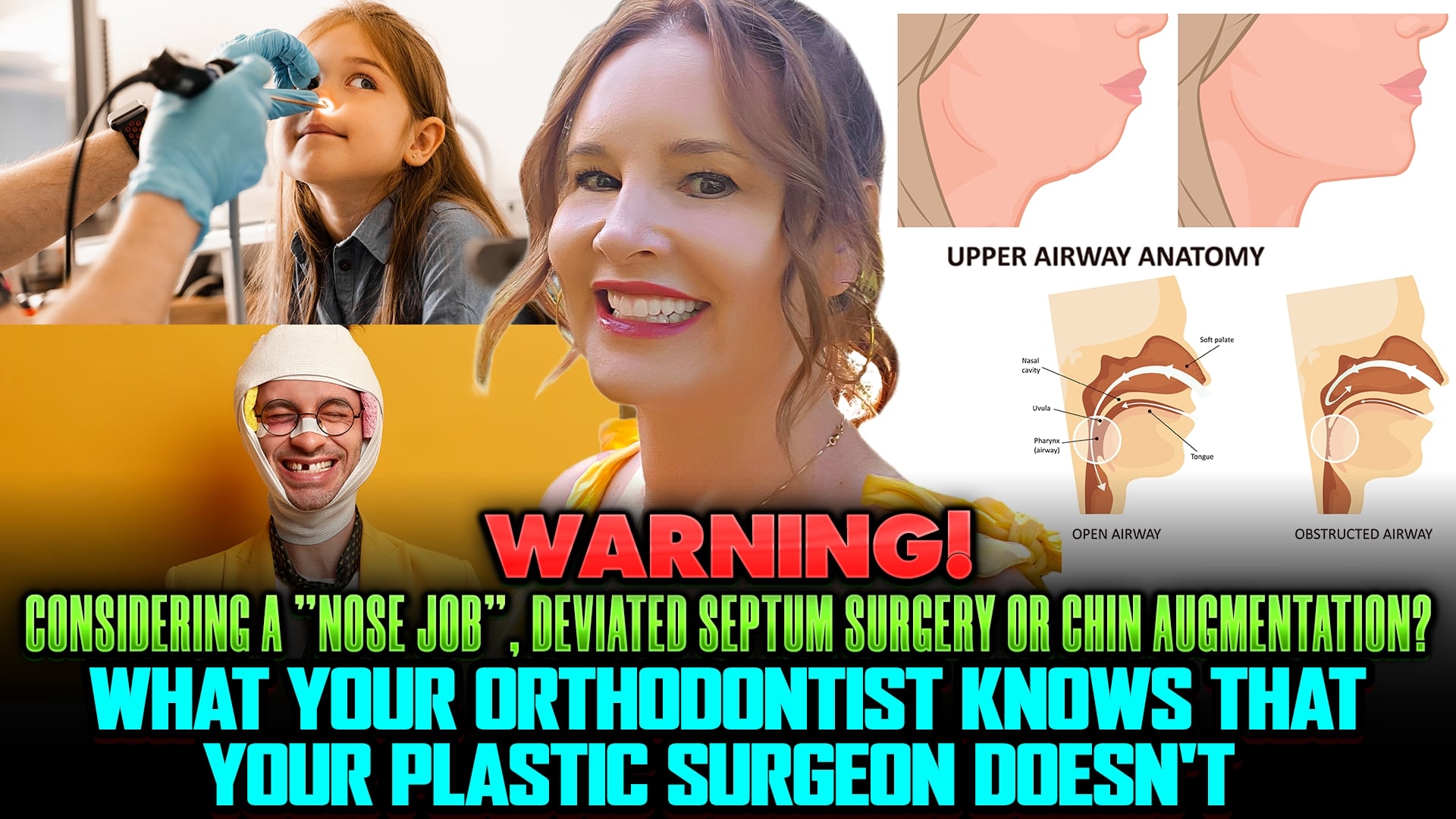 Why You Need an Orthodontic and Airway Evaluation Before Plastic Surgery
Are you considering a rhinoplasty or a chin advancement to enhance your facial profile? Before you book that consultation with a plastic surgeon, there is a critical step you might be missing. Seeking an orthodontic and airway evaluation first can completely change your treatment outcome—and potentially save you thousands of dollars.The Hidden Link Between Structure and BreathingYour nose, jaw, and teeth do not exist in isolation. They form a complex, interconnected system that dictates how you look, bite, and breathe. Often, what appears to be a purely cosmetic concern is actually a sign of an underlying structural issue. For instance, a crooked or deviated nose resulting from a childhood injury isn’t just an aesthetic flaw; it frequently causes significant airway compromise, making it harder to breathe properly through your nose.Why Orthodontics Comes FirstEvaluating your bite and jaw alignment before undergoing plastic surgery ensures that any cosmetic changes do not accidentally worsen your breathing or oral health. An orthodontist can look at the big picture. If your chin appears recessed, the root cause might be a misaligned jaw that requires structural correction rather than a simple cosmetic implant. Addressing the foundation first ensures your aesthetic results look natural and last a lifetime.The Insurance AdvantageHere is the most compelling reason to start with a medical evaluation: financial coverage. If an airway assessment proves that your breathing is compromised due to structural trauma, your procedure moves from “cosmetic” to “medically necessary.” In many instances, health insurance will cover a rhinoplasty or reconstructive surgery if it corrects a functional deficit.
Flying Safely: Can You Board a Plane with a Toothache?
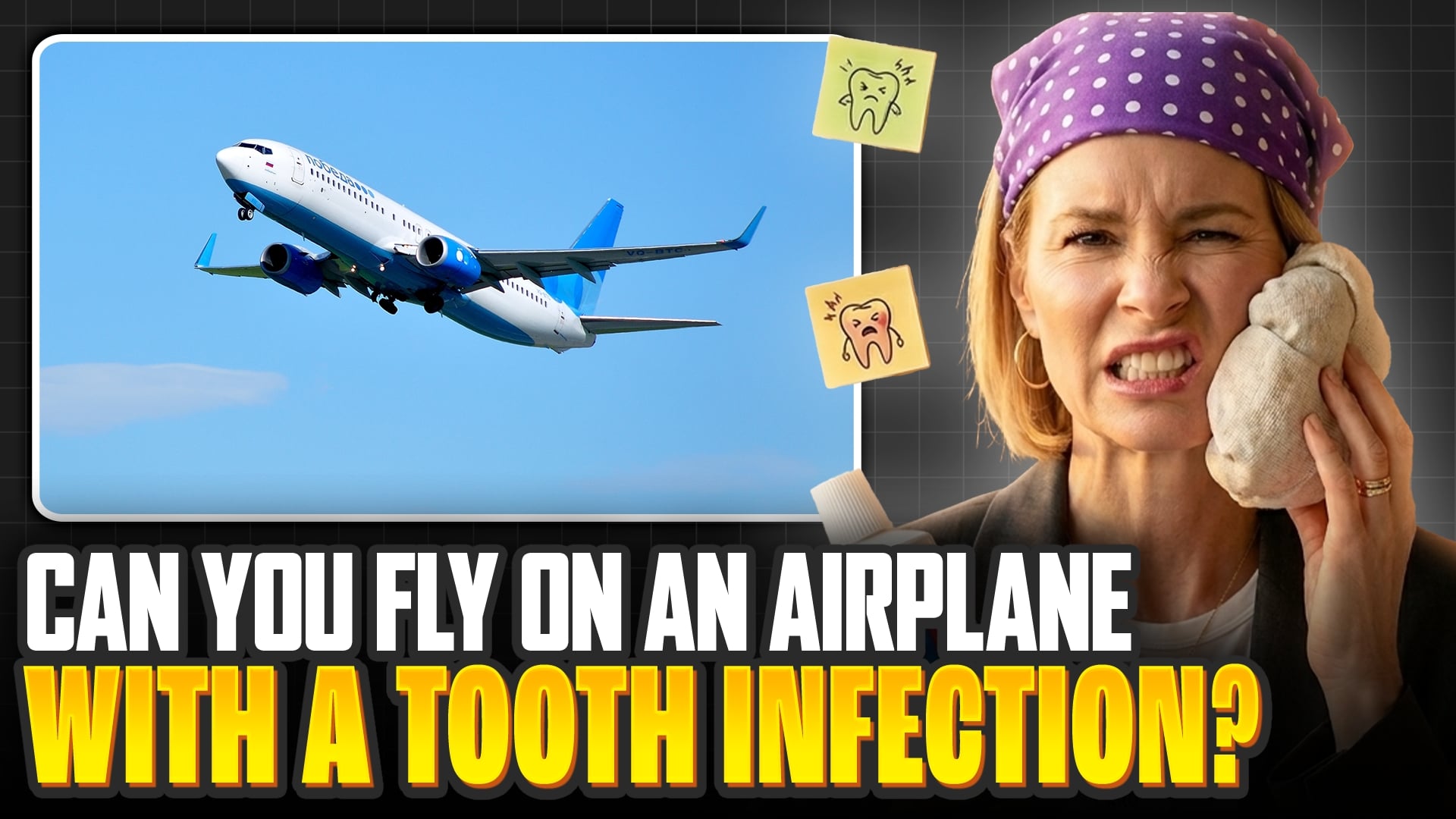 Flying Safely: Can You Board a Plane with a Toothache?Taking to the skies with a sudden toothache can turn a dream vacation into a painful nightmare. The unique environment inside an airplane cabin has a surprising impact on dental health. Understanding how cabin pressure affects your teeth is essential for a safe and comfortable journey.The primary culprit behind mid-flight dental pain is a phenomenon called barodontalgia, commonly known as “tooth squeeze.” As an airplane climbs, atmospheric pressure drops, causing pockets of trapped air to expand. If you have an untreated cavity, a cracked filling, or a hidden infection at the root of a tooth, the air trapped inside those microscopic spaces expands rapidly. This internal pressure pushes directly against the sensitive nerves of your teeth, causing sudden, sharp, and sometimes excruciating pain.While a mild ache might feel manageable on the ground, the pressure shift during a flight can amplify the discomfort dramatically. More importantly, flying with an active dental infection or an abscess carries serious risks. The changing pressure can alter blood flow and potentially worsen the inflammation or spread the infection, which can lead to severe medical complications mid-flight.To protect your health, scheduling a dental checkup before any long-haul flight is a smart strategy. Dentists can identify hidden issues and ensure your fillings are secure. If you absolutely must fly with a minor toothache, pack over-the-counter pain relievers and a cold compress in your carry-on luggage. Staying hydrated and avoiding extremely hot or cold beverages during the flight will also help minimize nerve irritation.Prioritizing your dental health ensures a smooth journey. Never ignore dental pain before boarding. A quick visit to a professional can save your trip and keep your smile intact.Would you like some tips on how to handle a dental emergency while traveling abroad?1