StraightSmile Solutions®
Navigating Crowding: Lower Incisor Extraction vs. IPR
 Navigating Crowding: Lower Incisor Extraction vs. IPR
When treating severe dental crowding, orthodontic professionals often face a critical crossroads. There is no single, uniform strategy for every case. Practitioners must weigh distinct clinical methods against a patient’s unique anatomy and aesthetic preferences.
The primary techniques utilized to generate necessary space in the arch include expansion, lower incisor extraction, and interproximal reduction.Assessing the Clinical Paths
Each clinical route presents specific structural variables and physiological consequences:
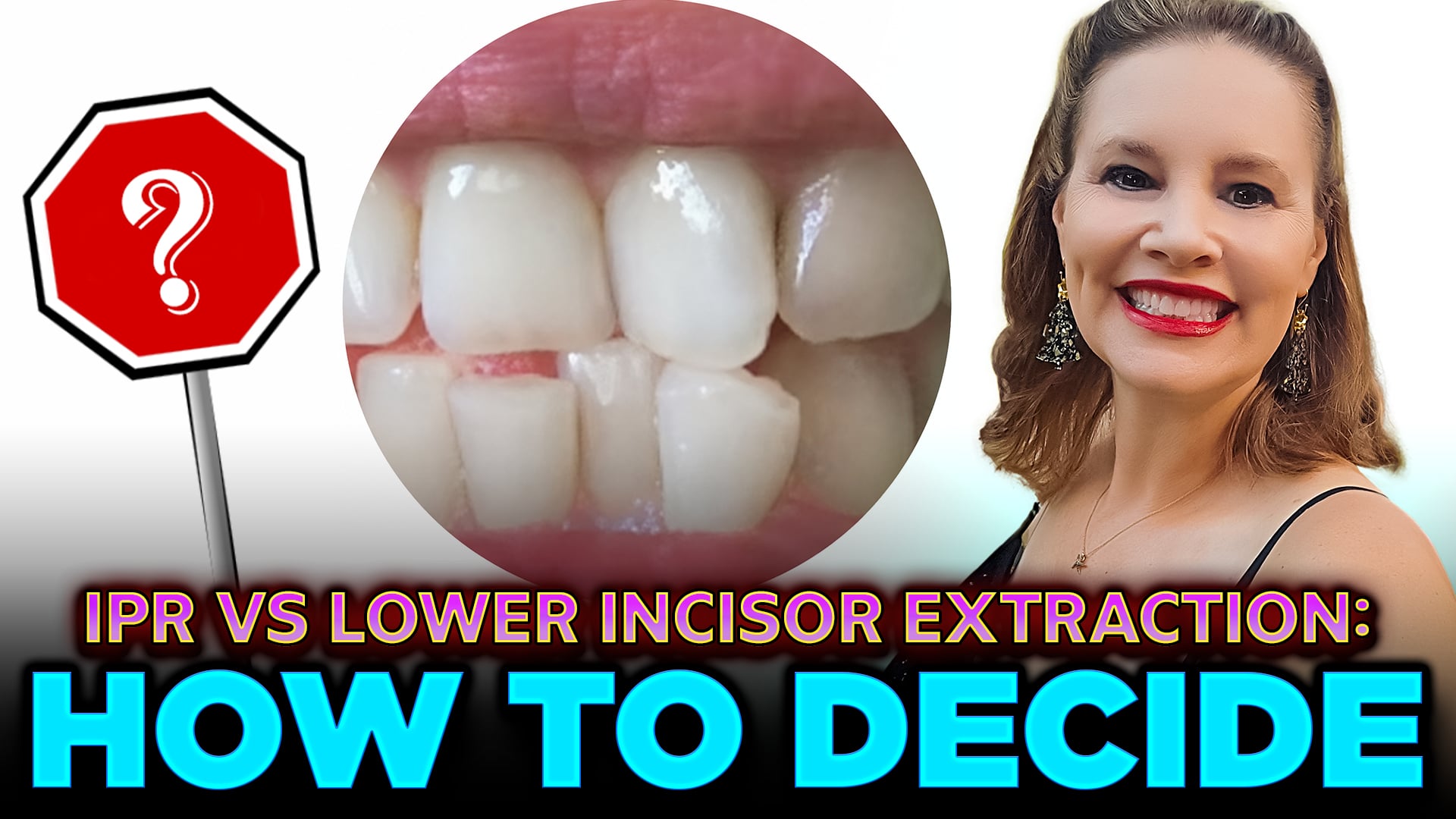
Lower Incisor Extraction: This permanent removal route targets the most severely displaced or rotated tooth. Before proceeding, clinicians must critically evaluate localized periodontal health, overall tooth mobility, and specific bite mechanics.
Interproximal Reduction: This slenderizing technique shaves down enamel borders to create precise pocket spaces. While highly effective for gaining mild to moderate space, it strips away natural, valuable enamel structure.
Expansion & Proclination: This alternative framework widens the dental arch or pushes teeth slightly outward to accommodate crowding. This approach relies heavily on the patient’s existing facial profile and soft tissue limitations.
Prioritizing Informed Consent
Because both significant interproximal reduction and tooth extractions carry lifelong structural alterations, patient collaboration is essential. Clinicians need to transparently outline the distinct risks, long-term benefits, and structural alternatives of each option.
Securing a formal, signed informed consent form acts as a vital tool for proper medical risk management. It also prevents critical communicative missteps between the provider and the patient during treatment.To learn more about tailored orthodontic treatment planning or to submit a specific clinical inquiry, visit StraightSmile Solutions.
The Lindsay Clancy Trial: High IQ, Neurodivergence, and Postpartum Burnout in Healthcare
 When we look at high-achieving women in healthcare, we see individuals who are resilient and highly capable. However, behind a successful clinical practice, many are silently navigating a profound mental health crisis.In a recent video, Dr. Amanda from StraightSmile Solutions stepped away from orthodontics to share her deeply personal experience with severe postpartum depression (PPD).
Prompted by the tragic Lindsay Clancy case, Dr. Amanda opened up about a hidden intersection that the medical community rarely addresses: the collision of high intelligence, late-diagnosed neurodivergence, and maternal burnout.
The Collision of Giftedness and Neurodivergence
For many female healthcare professionals, rigorous training means delaying children until their 30s. Once they have families, they frequently jump straight back into high-stress clinical roles. Many of these women possess exceptionally high IQs alongside undiagnosed neurodivergence, such as ADHD or autism.
Historically, these traits were studied in silos. However, modern literature highlights a dangerous reality: when an undiagnosed neurodivergent mother raises an exceptionally bright child, it can create a perfect storm for severe PPD and autistic burnout.
Surviving the Silence
Dr. Amanda recalled her own early 30s as a time of isolation. Despite feeling completely miserable every day, she masked her struggles, gritted her teeth, and kept smiling for her clients and family. She shared how putting herself last for two decades left her completely exhausted.By sharing her story, Dr. Amanda hopes to encourage other mothers—especially those in demanding medical fields—to recognize the signs of executive dysfunction, push back against inadequate care, and aggressively advocate for their own mental well-being
Navigating Orthodontic Treatment Planning in the Era of Lip Fillers
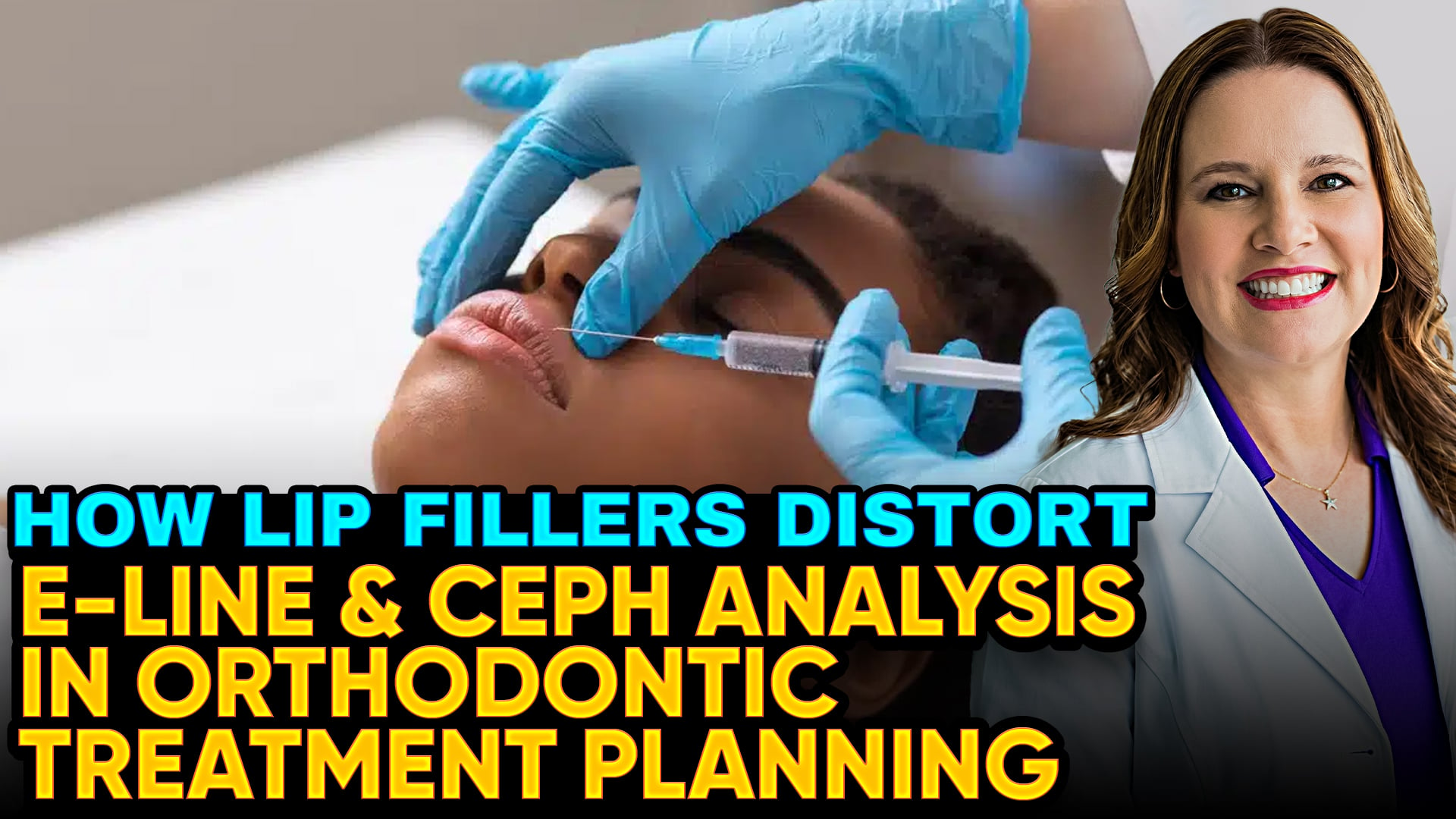
The rise of cosmetic injectables has introduced an unexpected variable into dental offices. For orthodontists and general dentists offering teeth-straightening treatments, lip fillers are becoming a critical factor to screen for during initial consultations.Traditionally, practitioners rely heavily on the facial E-line (Esthetic Line) and soft tissue profiles to guide their diagnosis. However, artificial volume from dermal fillers completely throws off these classic diagnostic metrics. When soft tissue measurements are artificially enhanced, relying solely on visual profiles can lead to drastic diagnostic errors. For instance, a patient might appear to have severe dental protrusion due to their full lips, tempting a doctor to plan for the extraction of four premolars to pull the teeth back.To prevent these errors, a comprehensive skeletal analysis is more critical than ever. Practitioners must rely on full-face cephalometric X-rays and traditional skeletal analysis methods—such as Steiner or SUNY—rather than the integrated soft-tissue visuals found in digital aligner software. Analyzing the underlying hard tissue and the actual inclination of the incisors provides the true picture. If the incisors are upright but the soft tissue profile is unusually prominent, temporary dermal fillers are the likely cause.Because lip fillers typically degrade and wear off in less than a year, permanent orthodontic changes should never be designed around temporary cosmetic adjustments. Interestingly, proper orthodontic alignment that flares retroclined incisors can actually provide natural, permanent lip support. In many cases, a well-executed orthodontic treatment plan can completely eliminate a patient’s perceived need for lip fillers in the first place. Clinicians must add questions about recent cosmetic injectables to their medical history forms to ensure they are treating the true skeletal structure, not a temporary aesthetic trend.
The “Why” Behind Adult Spacing: Why Orthodontists Must Look Before They Leap
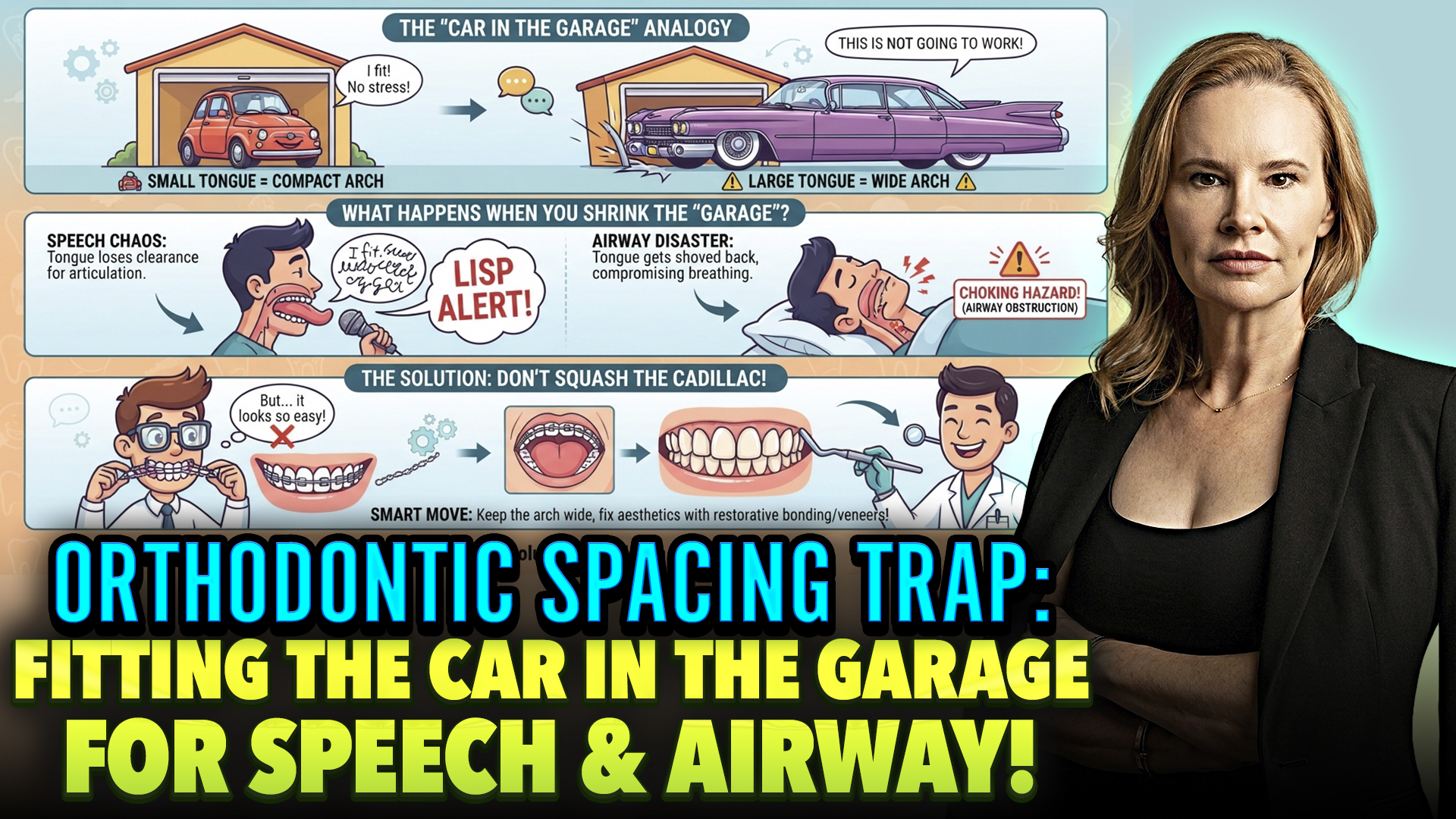 The “Why” Behind Adult Spacing: Why Orthodontists Must Look Before They Leap
Closing spaces in adult orthodontic patients might seem like a quick win, but doing so blindly can lead to severe bite failures and tissue damage. In adult cases where growth has stopped, spaces do not appear by accident. Before a provider promises to close gaps with braces or clear aligners, they must definitively answer why the spacing exists in the first place.One primary cause of adult spacing is a Bolton mismatch, which is an imbalance between the physical sizes of the upper and lower teeth. If a practitioner forces these spaces closed without accounting for tooth-size discrepancies via diagnostic tools like Invisalign ClinCheck or ClearCorrect, they can inadvertently create an anterior or posterior open bite.Beyond structural tooth sizes, spacing is frequently driven by environmental and functional forces within the mouth. Pathologic tooth migration (PTM) or micro-trauma often occurs when a tooth shifts out of alignment to escape a traumatic bite collision. Forcing that tooth back into its old position without correcting the overall bite shift will simply subject it to traumatic occlusion once again, risking long-term periodontal and bone damage. Additionally, issues like posterior bite collapse can cause the front teeth to flare outward, creating new gaps.Finally, the mouth’s natural soft tissue envelope and myofunctional habits dictate where teeth rest. Conditions such as an active tongue thrust require myofunctional therapy before orthodontic intervention. Without addressing these underlying muscular forces, any closed space will inevitably fail and relapse. For a safe and stable outcome, dentists must thoroughly analyze bite shifts, tooth dimensions, and soft tissue habits before initiating space closure.
Unlocking the Face God Intended: The Power of Phase 1 Orthodontics
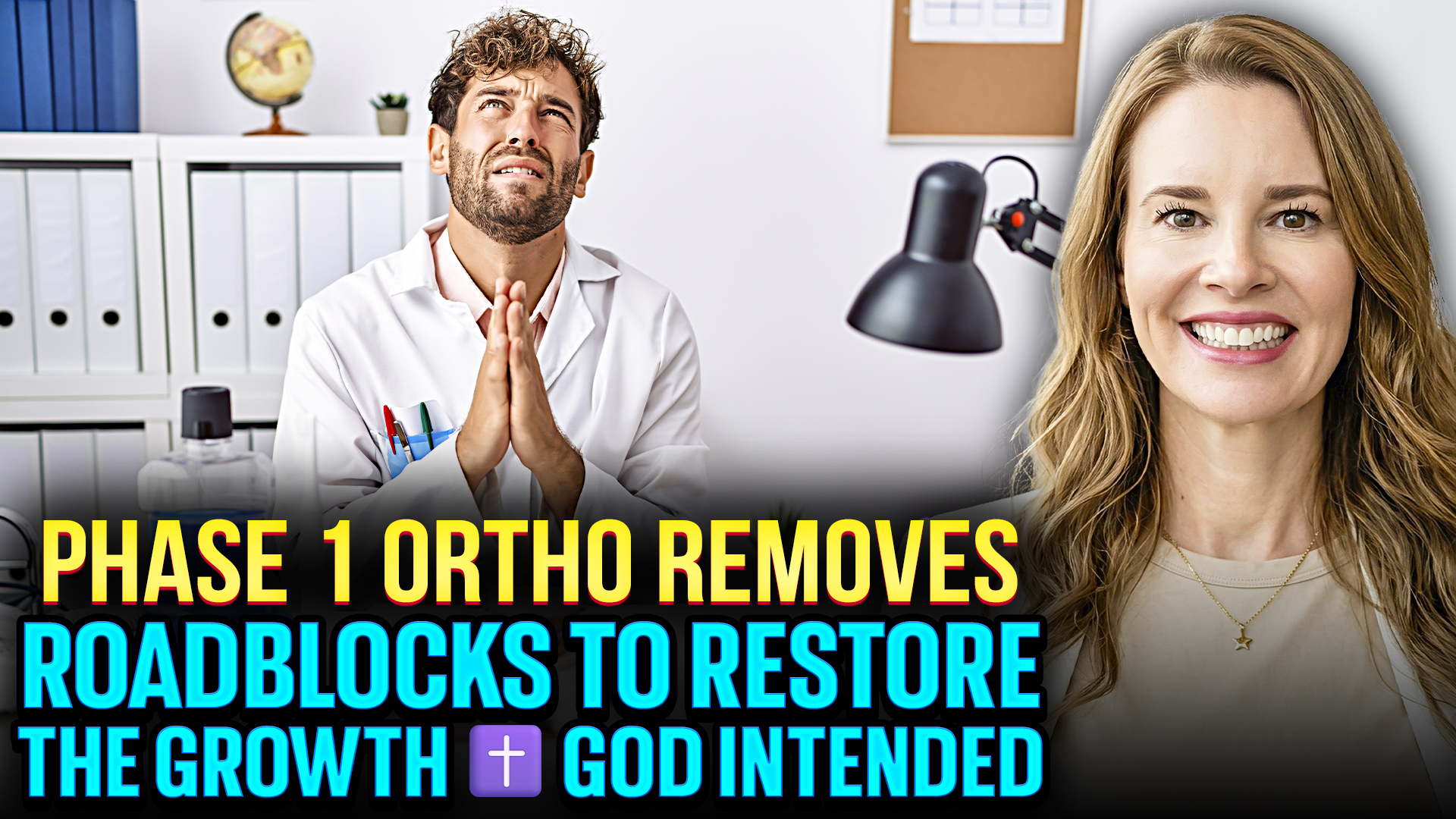 Unlocking the Face God Intended: The Power of Phase 1 OrthodonticsAs a clinician, I approach orthodontics through a philosophical lens grounded in faith. Psalm 139:13 reminds us that we are fearfully and wonderfully made. God’s blueprint for the craniofacial complex is perfect, designed to accommodate wide dental arches, an open airway, and harmonious skeletal relationships.However, modern roadblocks often interfere with this divine design. Environmental and behavioral factors alter natural development. These challenges include chronic allergies, mouth breathing, tongue ties, soft diets, and poor oral habits. These issues cause the jaws to grow narrow and drop backward, which traps the airway, prevents proper chewing, and blocks the divinely intended growth pattern.As clinicians, we are stewards of this growth. We use our skills not to manipulate nature, but to restore it. Waiting until a patient is an adult reduces orthodontics to a mere tooth puzzle. While adult tooth straightening can realign teeth, it never turns out as well as early intervention because we miss the opportunity to grow the face and guide the skeletal structure.Not everyone chooses to restore their child’s face to its original design, and some prefer to wait until growth is complete. The main thing is that parents know these options exist. Unfortunately, our insurance-based system rarely covers this interceptive work, making it a fee-for-service situation. Still, the structural and airway benefits are undeniable.This philosophy marks my third act in orthodontics. I want to partner with like-minded professionals who view craniofacial orthopedics as a way to restore rightful growth. If you are an orthodontist, pediatric dentist, myofunctional therapist, ENT, or oral surgeon who wants to look past basic tooth puzzles and collaborate, please reach out so we can chat.
Navigating Personality Profiles in the Dental Profession
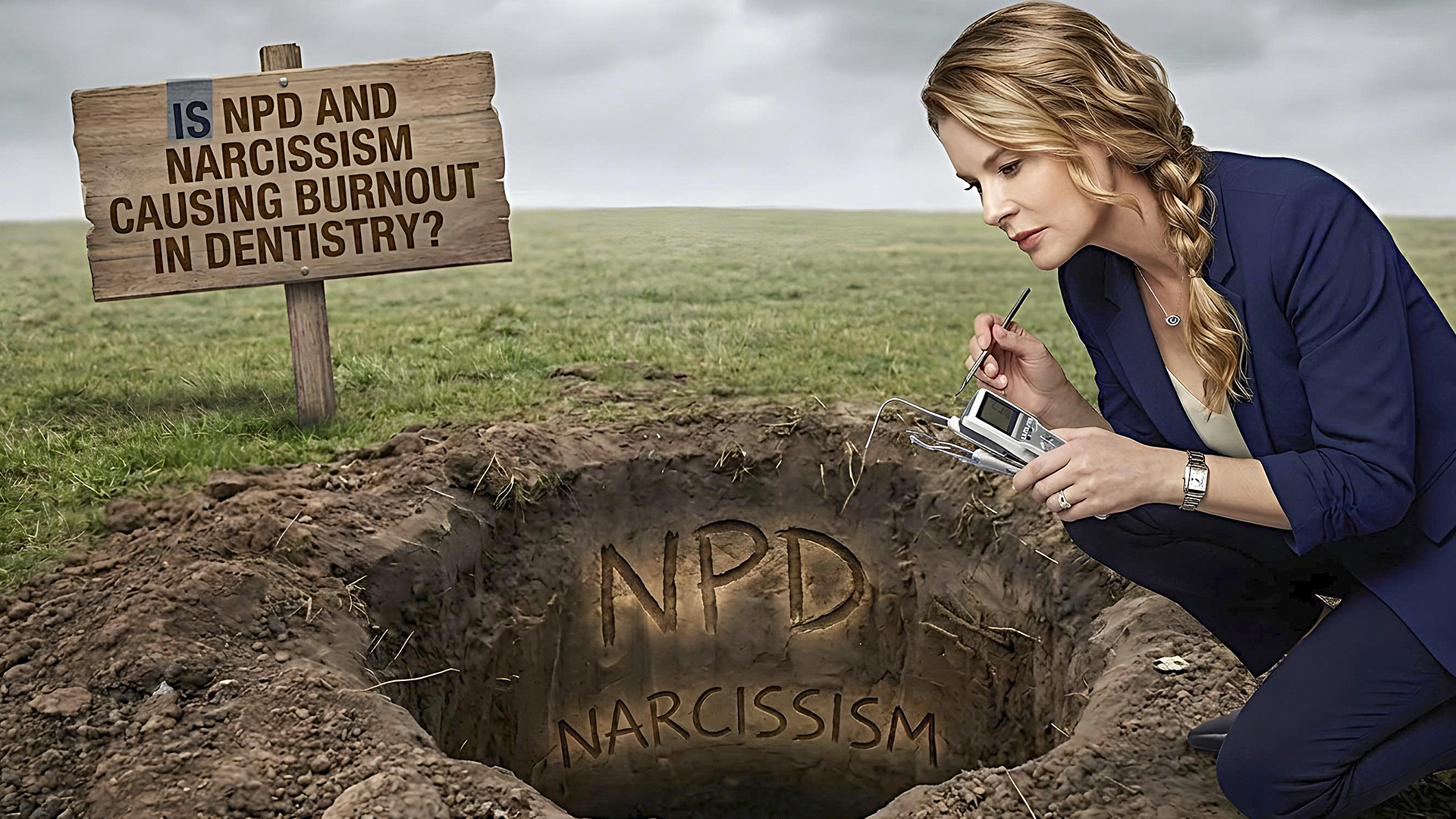 Navigating Personality Profiles in the Dental Profession
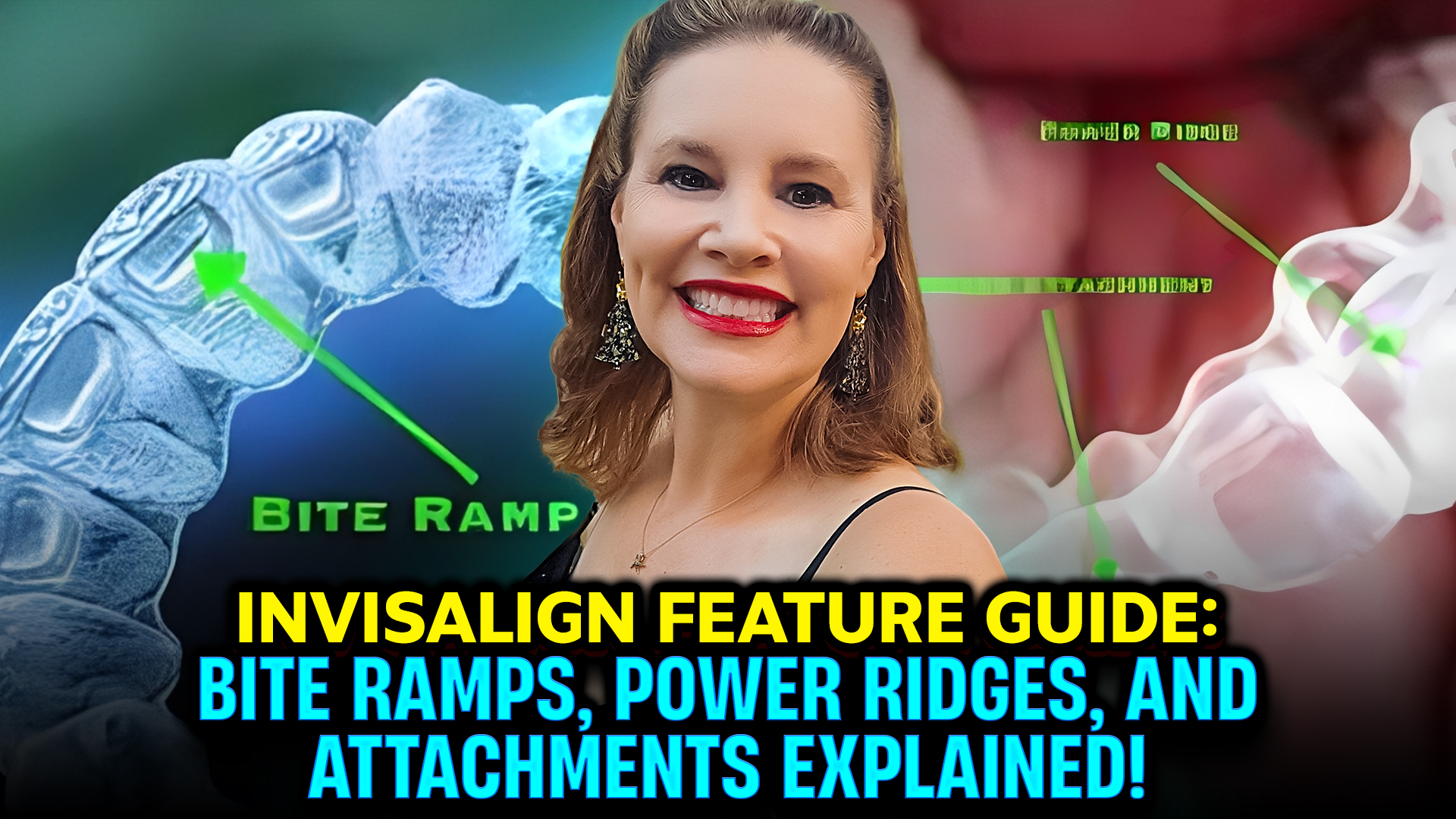
Demystifying Clear Aligner Features: Bite Ramps, Attachments, and Power Ridges
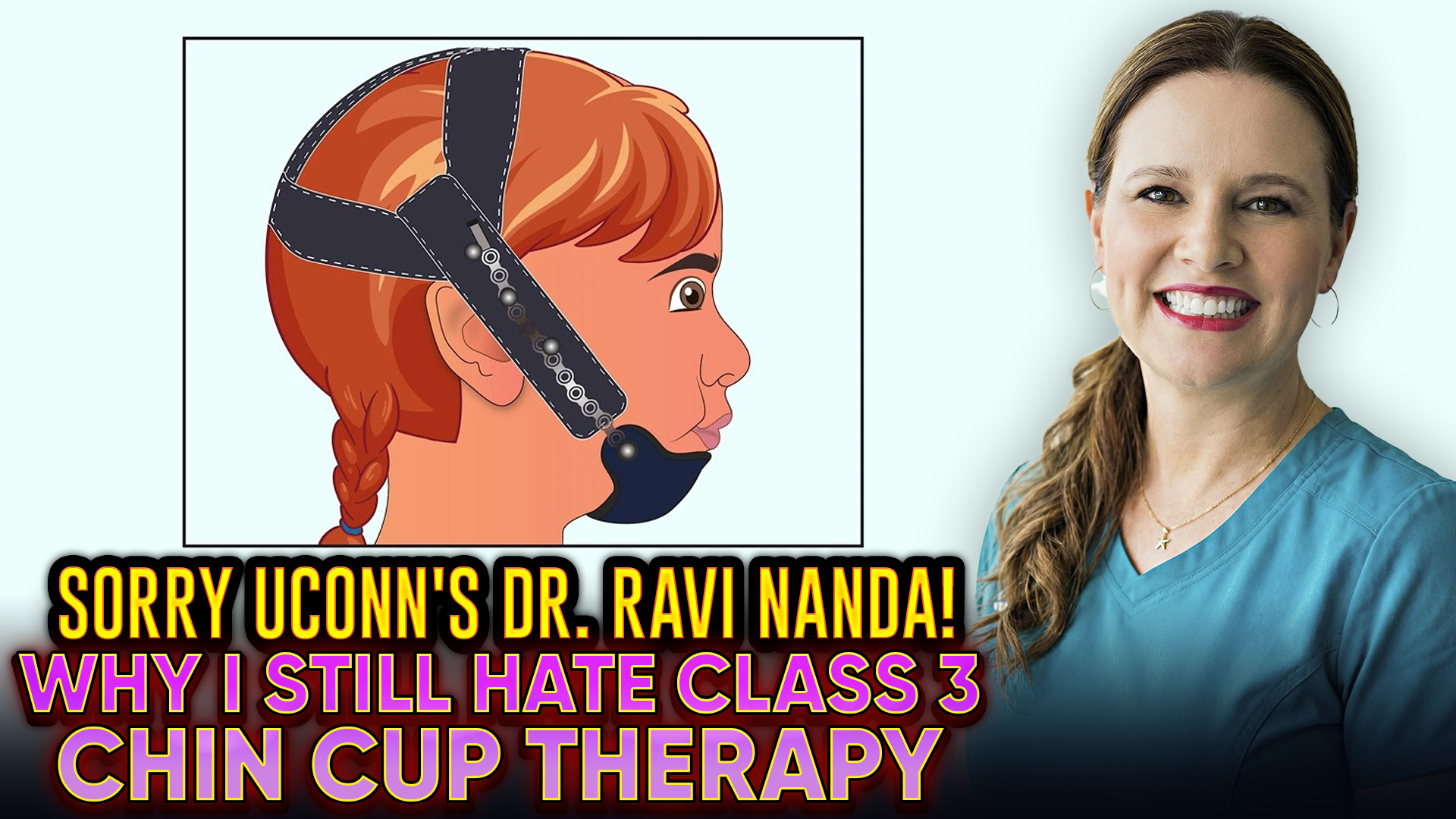
Reevaluating Class Three Chin Cup Therapy in Modern Orthodontics
Understanding Buccal Crossbites: What They Are and Why They Need Fixing
Understanding Buccal Crossbites: What They Are and Why They Need Fixing
A buccal crossbite, also known as a Brodie bite or scissor bite, is an orthodontic condition where an upper tooth is positioned entirely outside of the lower teeth. This is the exact opposite of a traditional crossbite, where teeth are tucked inward.
When a Brodie bite occurs, all the cusps of the affected upper tooth sit completely on the outside of the opposing lower tooth, preventing them from meeting flatly when chewing.
Common Causes of a Buccal Crossbite
Orthodontic issues like a scissor bite can develop due to several factors:
Crowding: Lack of jaw space can force a tooth to erupt completely out of alignment.
Bite Misalignment: Natural discrepancies in jaw width or structural growth can create a mismatched bite.
Periodontal Disease: Gum and bone breakdown can increase tooth mobility, causing a tooth to drift outward.
Risks of Leaving a Brodie Bite UntreatedIgnoring a buccal crossbite can lead to severe long-term dental complications, including:
Abnormal Force Distribution: The bite loads mechanical chewing forces in the wrong direction, straining the tooth structure.Accelerated Gum Breakdown:
The improper alignment exacerbates gum disease and tissue recession around the misaligned tooth.Premature Tooth Loss:
Continuous trauma and localized bone degradation eventually result in losing the tooth much earlier than normal.
Treatment OptionsCorrecting a scissor bite requires professional orthodontic intervention to move the teeth back into functional alignment and safeguard your oral health:Traditional Braces:
Brackets and archwires apply continuous, strategic pressure to pull the buccal tooth inward and push lower teeth outward into a healthy position.Clear Aligners: Sequenced plastic trays can systematically correct certain crossbites by expanding or constricting specific segments of the dental arch.
Palatal Expanders or Auxiliaries: In skeletal cases, specialized appliances help reshape or narrow the upper jaw arch to properly match the lower jaw framework.Following active alignment treatment, long-term compliance with a custom orthodontic retainer is strictly required to prevent the teeth from shifting back into a crossbite. If you suspect your bite does not fit together correctly, consult an orthodontist or a dental professional to evaluate your unique dental structure.
Eyelets and Elastic Thread in Orthodontics: Strategic Tracking and Mechanics
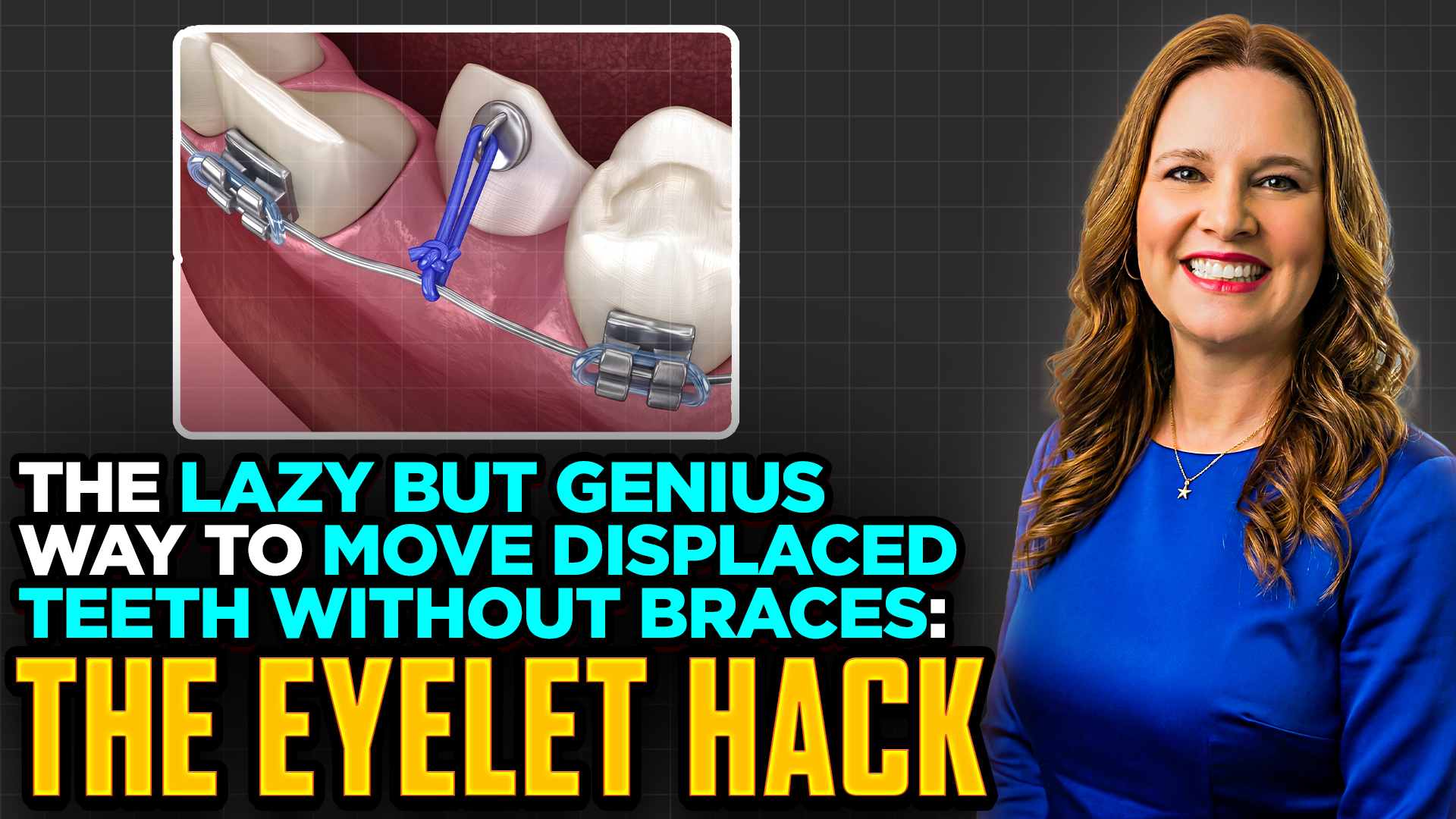
- Elastic Thread: This flexible, high-utility material delivers targeted traction to malpositioned teeth. Because it is highly adaptable, it can be passed through narrow spaces where traditional power chains or wire ligatures fail.
- Orthodontic Eyelets: An eyelet is a specialized bondable attachment featuring a smooth, small loop instead of standard bracket slots. Standard brackets cannot adequately secure elastic thread on severely displaced surfaces. Bonding a low-profile eyelet directly to the tooth structure creates a secure anchor point to thread the elastic material through.
- Prevent Mesiodistal Sliding: If elastic thread is tied directly over an open space on a main archwire, it will slide out of position across the wire span. To eliminate this issue, place a passive, exactly sized open coil spring over the main wire. Tie the elastic thread so it seats directly between the coils, anchoring it firmly in place.
- Tie Secure Double Knots: The slick surface of elastic thread is prone to unravelling under tension. Clinicians must tie a tight, distinct double knot at the attachment site to prevent mechanical failure.
- Shorten the Appointment Cycle: Elastic thread loses its internal elastic memory much faster than standard power chains. Patients wearing active thread should bypass the standard long-term tracking cycle and be recalled frequently to have the thread reactivated.