
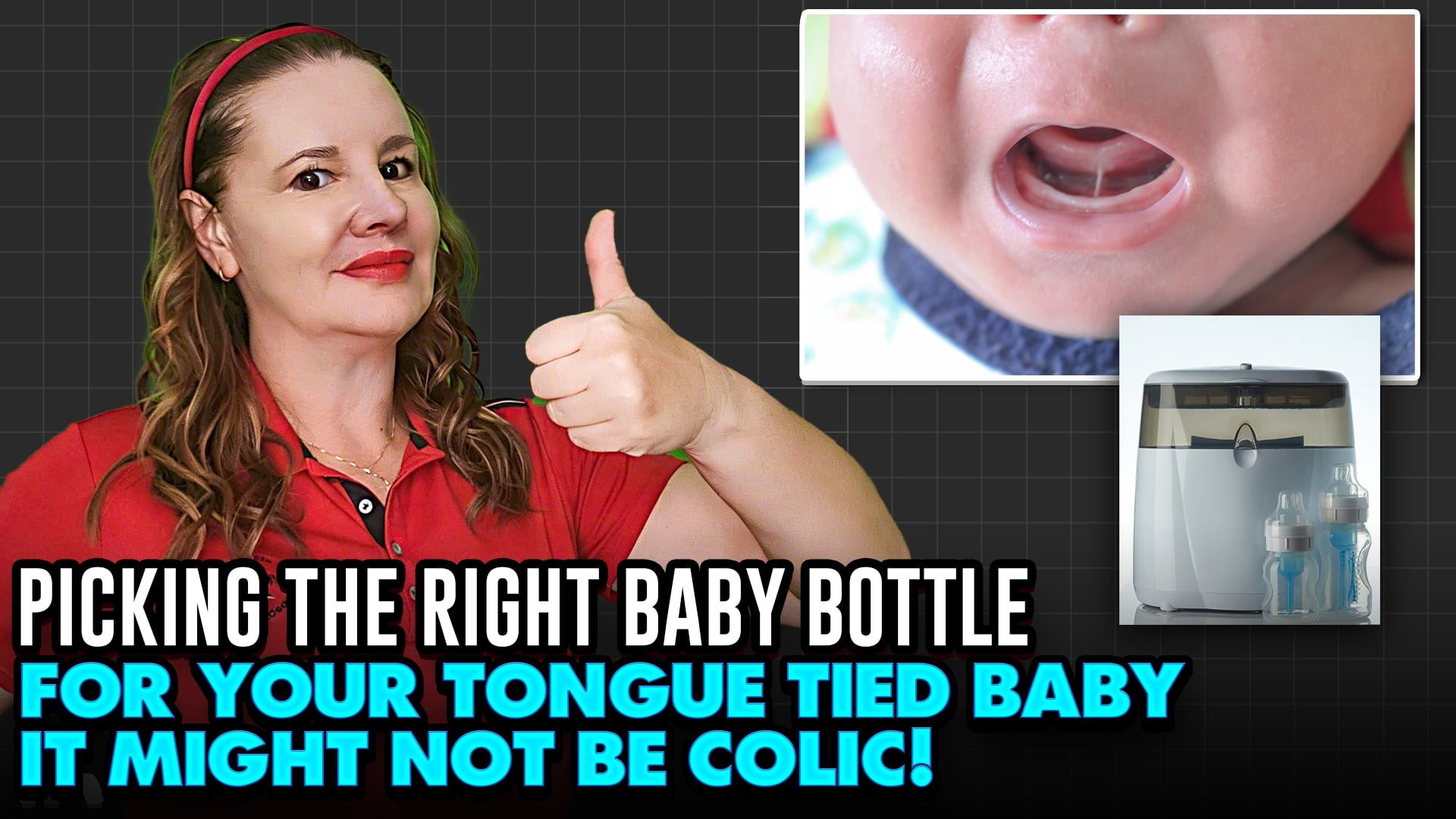
 Understanding Tongue-Ties: Symptoms, Types, and Feeding SolutionsIs your baby struggling to feed, crying constantly during meals, or failing to gain weight? These heartbreaking challenges often point to a common, treatable condition: tongue-tie (ankyloglossia).Identifying the SignsTongue-tie occurs when the membrane connecting the tongue to the floor of the mouth is too short or thick.In infants, look for:Repeatedly losing a firm latch on the breast or bottle.Severe fussiness and crying during feeding cycles.Poor weight gain despite a steady milk supply.In older children, symptoms manifest as:Speech articulation difficulties.Gagging, choking, or intolerance of specific food textures.Inability to poke the tongue past the lower teeth.Restless sleep and nighttime awakenings.Anterior vs. Posterior TiesNot all tongue-ties look the same. They generally fall into two categories:Anterior Ties: Located near the front tip of the tongue. These are highly visible and easily diagnosed during a standard pediatric exam.Posterior Ties: Hidden further back or embedded beneath mucous membranes. They are virtually impossible to see visually. While a child with a posterior tie might briefly touch the roof of their mouth, they cannot sustain it. This restricts the mid-tongue elevation required for a proper feeding vacuum.Bottle Management StrategiesIf your baby is struggling, modifying your bottle system and feeding style can bypass structural restrictions:Nipple Shape: Choose narrow-neck nipples with a gradual slope (such as Dr. Brown’s Narrow, Pigeon, or Lansinoh). Avoid wide-base nipples, as narrow profiles allow the tongue to cup the underside naturally.Slow Flow: Use extra-slow or preemie flow rates to keep the fluid from overwhelming your baby’s airway.Paced Feeding: Hold your baby upright or side-lying. Keep the bottle horizontal so your baby dictates the flow speed, and introduce regular pauses to minimize swallowed air.Treatment OptionsFamilies can manage tongue-ties through non-surgical therapy or a quick corrective procedure:Conservative Care: Use feeding positions like the upright koala hold to shift the jaw forward. Work with a feeding therapist on oral motor exercises to relax tense facial muscles.Surgical Release (Frenulotomy): A specialist makes a precision incision to release the tight tissue. If you choose surgery, you must perform daily post-operative oral stretches to prevent the tissue from reattaching as it heals.Disclaimer: Latching difficulties can stem from many causes, including a recessed jaw or neonatal infections. Always consult a licensed pediatrician or lactation specialist for a personalized evaluation.