
StraightSmile Solutions®
Is the Profession of Orthodontics Going Extinct? Should You Specialize?
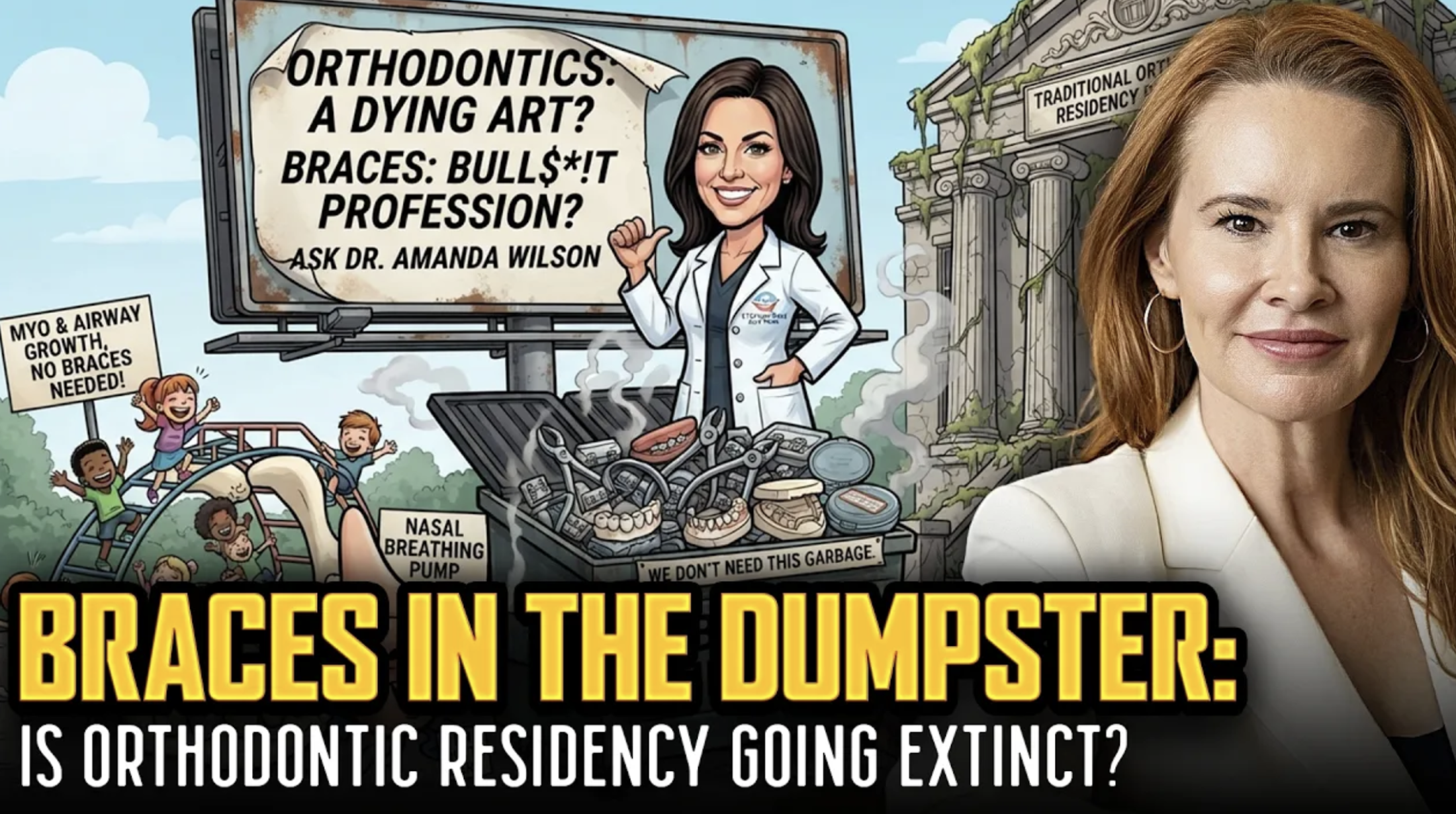 Is the Profession of Orthodontics Going Extinct? Should You Specialize?
I. Introduction
Dr. Amanda from StraightSmile Solutions delivers a candid take: orthodontics as a specialty is facing extinction within her lifetime, not fully, but significantly.
More orthodontists are being produced than needed, while GPs and pediatric dentists are increasingly doing ortho.
If given the choice again, she would not specialize in orthodontics, and she advises others against it.
II. Why the Shift?
Traditional orthodontics addresses symptoms (crooked teeth) rather than root causes (poor facial development, airway, posture).
Waiting until age 10–12 means missing the growth window – 60% of facial growth is complete by age 6, 80% by age 8.
Insurance‑driven models and corporate DSOs profit from waiting until development fails, then selling mechanical solutions (braces/aligners).
Residency programs do not prioritize interceptive growth, airway, or early pediatric intervention because the business model is built on backend treatment.
III. The Preventive Alternative
If we focus on early intervention – nasal breathing, posture, diet, myofunctional therapy – the vast majority of children would never need braces (cosmetics aside).
True craniofacial orthopedics is about preventing structural failures, not hiding them behind a straight smile.
Functional issues should be addressed early (age 2–5), not at age 10 when growth is nearly complete.
IV. The Current Landscape
Orthodontists are unhappy; the system is not working.
Pediatric dentists and GPs who adopt early interceptive models are thriving (cash‑pay, fee‑for‑service).
However, the current insurance model does not pay adequately for the pre‑work (Phase 1) – it pays for Phase 2.
The solution: shift to fee‑for‑service and medicalize early airway/orthopedic care.
V. What This Means for You
If you are considering specializing in orthodontics, think twice.
The future belongs to primary care dentists who learn early interceptive growth guidance.
Dr. Amanda is building a West Coast team (ENT, OMT, pediatric dentists) focused on airway and growth – not traditional tooth straightening.
She recommends courses by Dr. Simon Long (removables) and her own (Invisalign/fixed) – and is open to collaboration with like‑minded clinicians.
VI. The Bottom Line
Traditional orthodontics is becoming obsolete. The old model of waiting, extracting, and mechanically aligning teeth is being replaced by early, preventive, growth‑guided care.
The money and satisfaction are in Phase 1 interceptive treatment and airway management, not in routine braces.
Specializing in orthodontics is no longer a safe bet. Instead, learn to grow faces, not just straighten teeth.
The Evolving Fluoride Debate: Why Dental Professionals Must Analyze the Raw Research
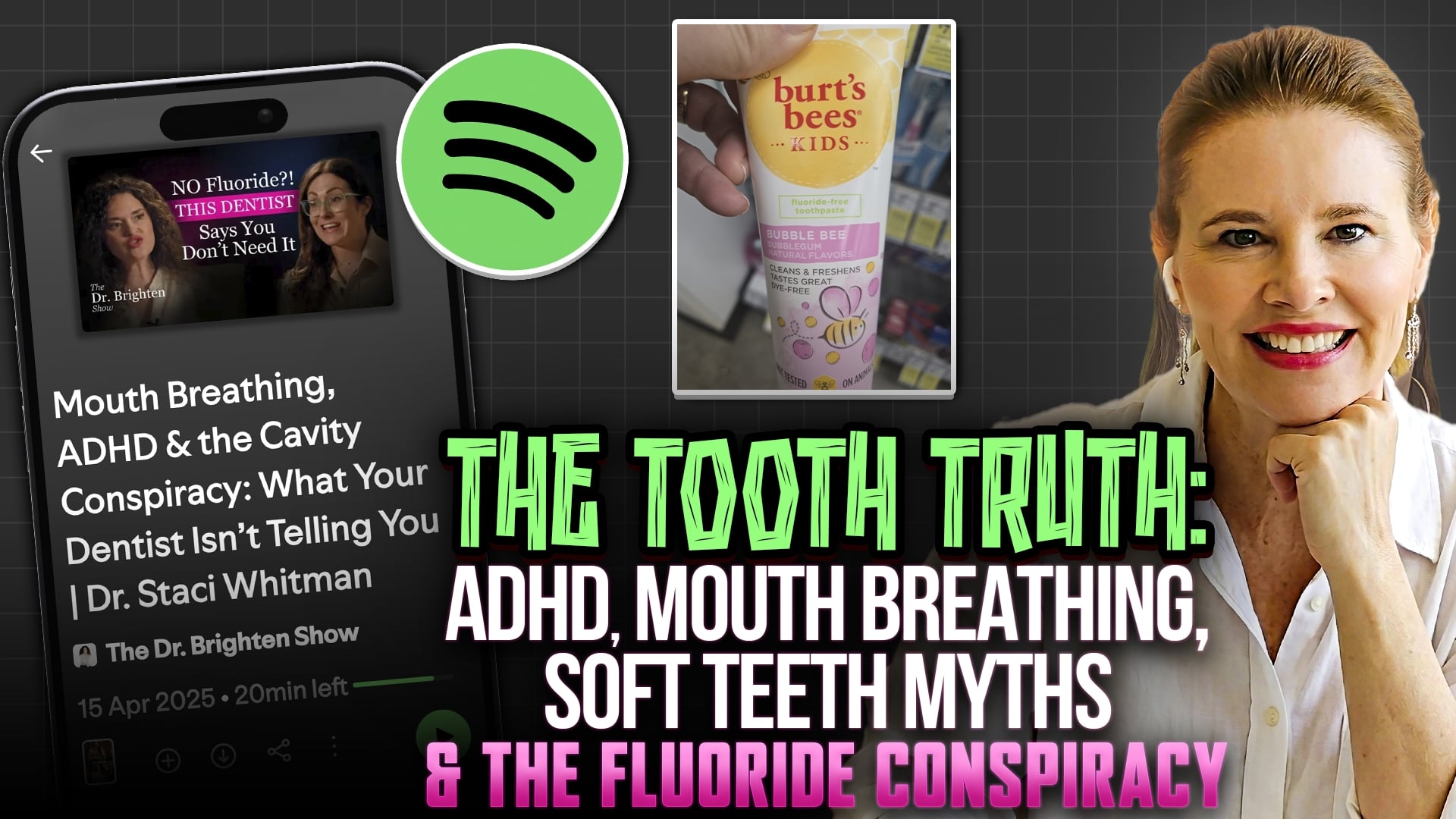 The Evolving Fluoride Debate: Why Dental Professionals Must Analyze the Raw Research
For decades, community water fluoridation has been accepted as an absolute standard in dental care. However, a growing dialogue within the profession urges practitioners to look past organizational guidelines and directly analyze the foundational science. Relying solely on third-party interpretations of dental health policies can create critical blind spots. Engaging firsthand with emerging white papers ensures that dentists stay ahead of evolving science and preserve patient trust.Topical Benefits vs. Systemic IngestionTraditional dental training has often treated the mouth as an isolated environment, managing cavities through standard mechanical drilling, filling, and routine fluoride application. Yet, modern insights reveal the oral cavity as an integrated gateway to systemic health. While fluoride is highly effective at preventing decay, the scientific consensus emphasizes that its benefits are primarily topical rather than systemic.When fluoride is distributed globally through public drinking water, managing individual exposure becomes highly unregulated. This raises valid clinical questions, especially since modern consumer diets already introduce organic sources of concentrated fluoride through items like matcha. Targeted, direct topical application remains a viable option for those who utilize it, but a universal systemic approach may no longer be necessary.Preserving Clinical Credibility and TrustBlindly following institutional narratives without verifying the core data poses a severe risk to practitioner credibility. Today’s patients are highly proactive, independently researching clinical studies and noticing when a provider cannot explain the underlying science behind a recommendation.A parallel can be drawn to the field of gynecology, where a historical over-reliance on a rigid institutional consensus regarding hormone replacement therapy led to widespread patient mistrust once the underlying data evolved. To prevent a similar shift in dentistry, professionals must independently review the data to remain open-minded and answer patient inquiries with confidence. Looking into holistic factors, such as the impact of mouth breathing on oral health, allows for a much more comprehensive approach to patient care.Medical Disclaimer: This content is for general informational purposes only and does not constitute medical or dental advice. Always consult with a licensed healthcare professional regarding specific medical or dental conditions.
Finnish Orthodontics: Why Early Intervention Wins the Airway Game
When it comes to dental health, Finland is quietly leading a global revolution. While traditional orthodontics often adopts a “wait and see” approach—typically waiting until adolescence to fix crooked teeth with braces—Finnish dentists are taking a radically proactive stance. By focusing on interceptive orthodontics, myofunctional habits, and pediatric airway health, they are correcting smiles before alignment issues even solidify.Prevention Over CorrectionThe core philosophy of the Finnish model relies on early intervention. Instead of merely straightening teeth after they have grown in incorrectly, interceptive orthodontics addresses the underlying skeletal structure and facial development in young children. Dentists look closely at how a child’s jaw is growing and intervene when the bones are still highly malleable. This early guidance often reduces, or completely eliminates, the need for complex orthodontic treatments or tooth extractions later in life.The Airway and Habit ConnectionWhat truly sets the Finnish approach apart is its deep integration of myofunctional therapy and airway health. Finnish practitioners recognize that crooked teeth are frequently a symptom of larger, systemic issues rather than an isolated genetic trait. Poor oral habits, such as chronic mouth breathing, improper tongue resting posture, and reverse swallowing patterns, directly impact facial development.When a child breathes primarily through their mouth, it alters the resting position of the tongue and jaw, leading to a narrow palate and crowded teeth. By addressing these foundational habits early on, Finnish dentists help children transition to healthy nasal breathing. This does not just pave the way for a straighter smile; it optimizes the child’s oxygen intake, improves sleep quality, and boosts overall systemic health.A Holistic Framework for the FutureFinland’s dental methodology treats the mouth as an integrated gateway to the rest of the body. By combining structural alignment with habit re-education, they provide a holistic healthcare model that goes far beyond aesthetics. It proves that the future of orthodontics lies not in reactive mechanics, but in early, comprehensive wellness.
The Shift from Straightening Teeth to Growing Faces: Why Modern Orthodontics Has It Wrong
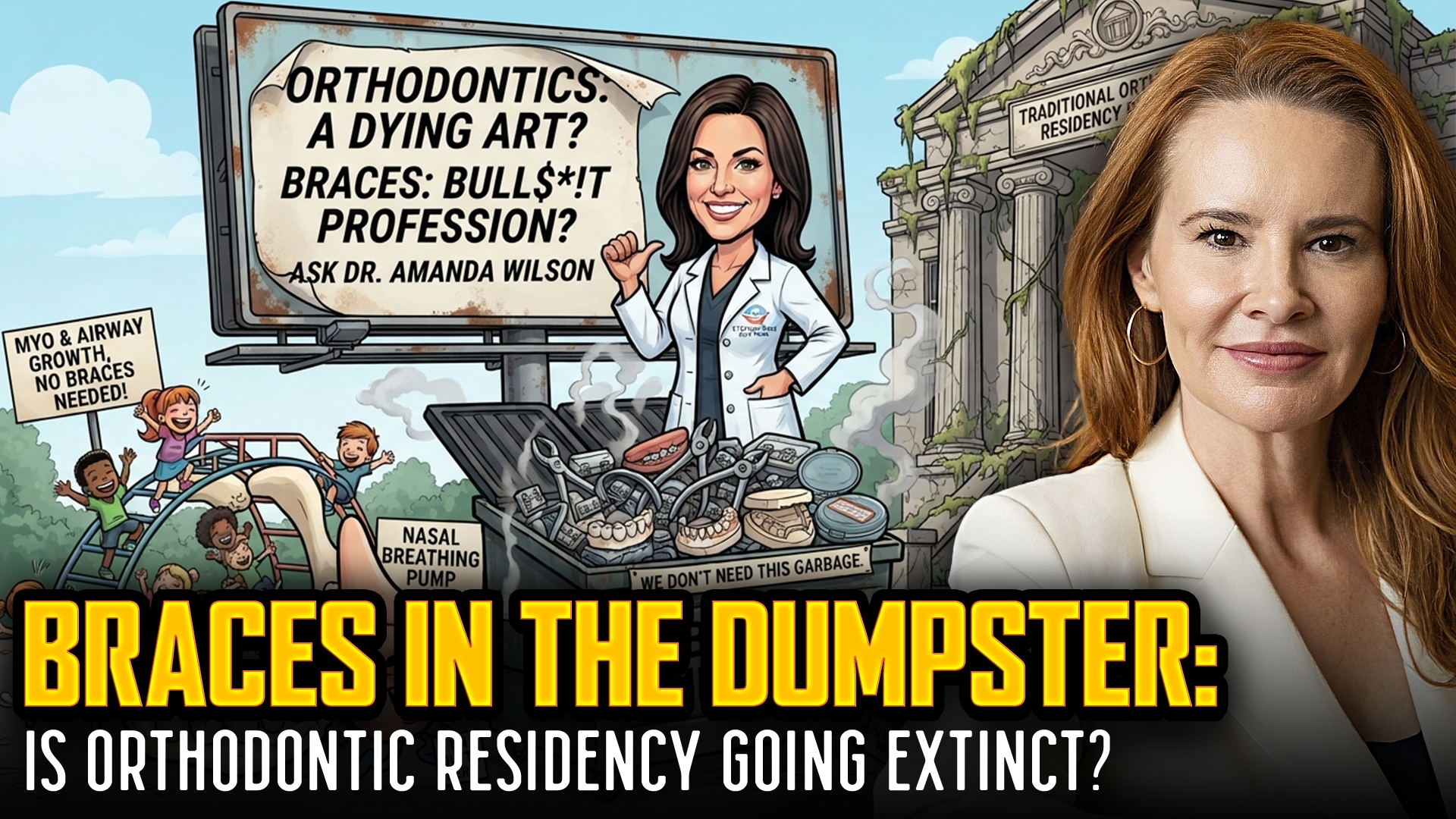
The Shift from Straightening Teeth to Growing Faces: Why Modern Orthodontics Has It Wrong
For decades, we have been conditioned to believe that braces and clear aligners are a mandatory rite of passage for almost every child. If teeth are crooked, you take them to an orthodontist, pay thousands of dollars, and mechanically force the teeth into a straight line.
But if we look at the core of human biology, traditional orthodontics is largely addressing a symptom rather than the actual problem. In modern dental structures, conventional braces and retroactive straightening are often an unnecessary approach to a preventable issue.
The Root Cause: Why Teeth Crooked in the First Place
Teeth do not simply choose to grow crowded or misaligned without reason. Crooked teeth are a symptom of a larger developmental issue: an underdeveloped jaw and a compromised airway.
When a child’s facial structure develops correctly, the jaw grows wide enough to naturally accommodate every single tooth. When the jaw fails to grow to its full potential, teeth become crowded. Traditional orthodontics waits for this poor development to finish, and then attempts to crowd straight teeth into a small, underdeveloped arch—sometimes even extracting healthy teeth to make room.
The Preventive Approach: Growing the Face
If we shift our focus entirely toward early intervention, proper growth, and development, the vast majority of children would never need traditional braces. True oral health is achieved by focusing on systemic habits between the ages of two and five, including:
Nasal breathing: Ensuring children breathe through their nose rather than their mouth, which heavily dictates jaw posture and facial expansion.
Airway health: Correcting airway issues early so the tongue can rest on the roof of the mouth, naturally expanding the upper jaw.
Diet and posture: Emphasizing proper chewing habits and off-the-grid, less-processed diets that require heavy mastication to stimulate bone growth.
When you grow the child right, correct their posture, and secure a functional airway, the face develops as nature intended. The teeth then align themselves naturally because the body has provided the physical space for them to do so.
Upending an Insurance-Driven Industry
The current orthodontic landscape is heavily dictated by an insurance-driven model and corporate dental groups that benefit from waiting until development has failed so they can sell a mechanical solution. Residency programs routinely fail to prioritize interceptive growth, airway development, and early pediatric intervention because the business model is built on the backend: braces and aligners.
It is time to move away from a model that treats the human mouth like a puzzle of isolated pegs. True craniofacial orthopedics shouldn’t be about hiding structural developmental failures behind a straight smile; it should be about educating parents early enough to ensure those structural failures never happen in the first place.
Why You Shouldn’t Take on Orthodontic Cases Combining Periodontal Disease and Multiple Missing Teeth
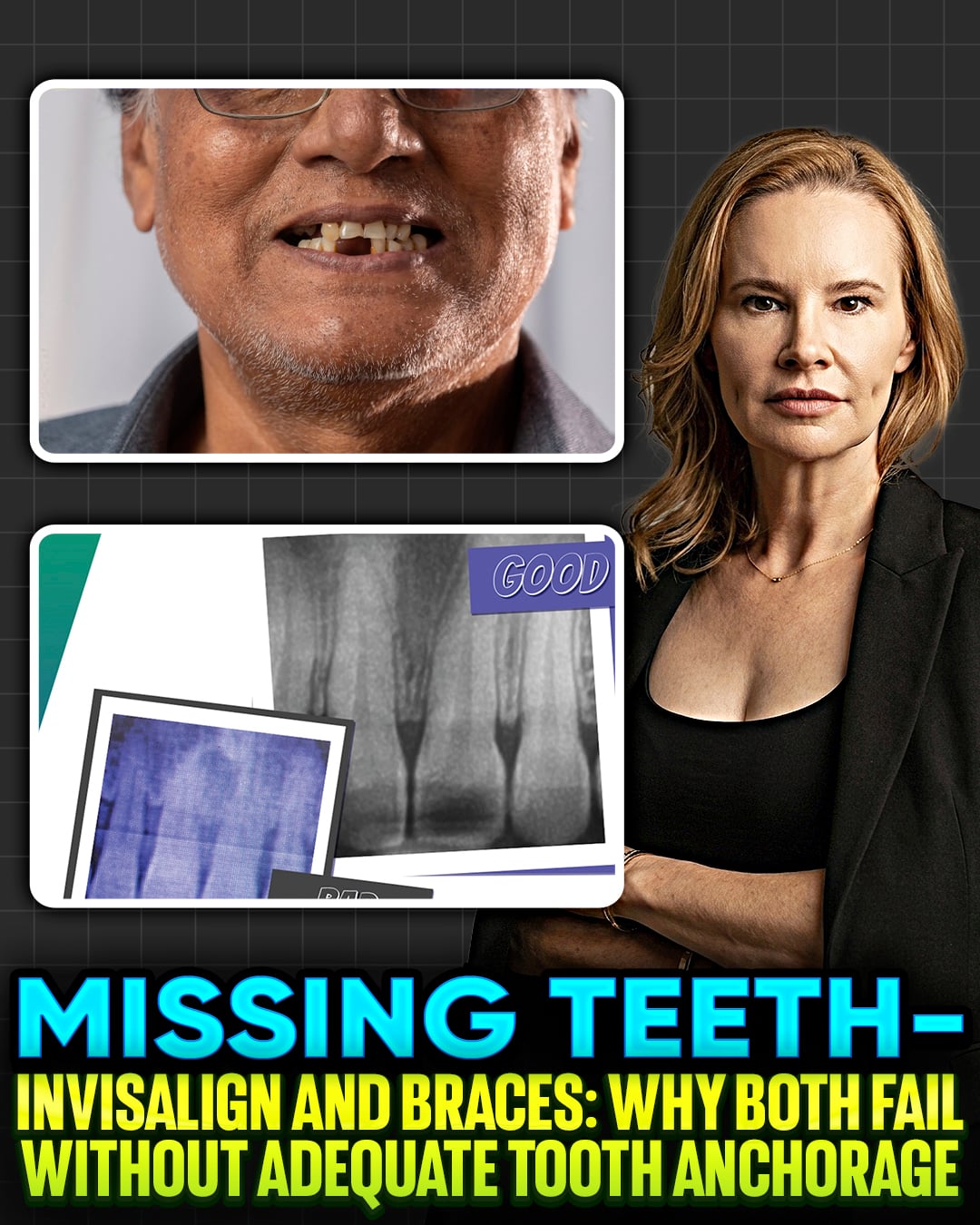 Orthodontic technology like clear aligners and modern braces makes expanding a dental practice easier than ever. However, certain clinical boundaries should not be crossed in general dentistry. One of the most dangerous combinations a practitioner can face is a prospective patient with both active periodontal disease and multiple missing teeth.While it is tempting to try and help these patients achieve a straighter smile, taking on these high-risk cases without a specialized, multidisciplinary workflow is a recipe for clinical failure. This article breaks down why these cases are structurally unstable and why standard orthodontic mechanics will fail.The Double Whammy: Loss of Bone and Loss of Anchor PointsOrthodontic movement relies entirely on predictable bone remodeling—the controlled breakdown and rebuilding of bone tissue as a tooth moves through the jaw. For this process to work safely, a patient needs a healthy periodontium to serve as a baseline. Combining gum disease and missing teeth destroys the essential biomechanics needed for tracking.1. Compromised Bone SupportPeriodontal disease attacks and destroys the underlying bone structure anchoring the teeth. When you apply orthodontic forces to teeth sitting in compromised bone, you are no longer safely moving them. Instead, you risk accelerating bone loss, causing extreme tooth mobility, or accidentally extracting the teeth entirely.2. Missing Anchorage LoopsTo move specific teeth, an orthodontic system requires stable teeth to act as anchors. When multiple teeth are missing, those critical anchor points vanish. The remaining teeth are forced to bear a higher load. Because their bone support is already weakened by periodontitis, these anchor teeth will tip or migrate unpredictably rather than remaining stationary.3. Unpredictable Digital TrackingModern clear aligner software creates an idealized digital setup based on healthy dental anatomy. However, the software cannot accurately simulate how a tooth will behave when moving through a severely degraded, low-density bone envelope. The tracking will fall off almost immediately, leaving you with an unmanageable clinical mess.The Required Safe Treatment ProtocolIf a patient presenting with these dual conditions walks into your clinic, a standard clear aligner or braces setup should be completely off the table. The case must follow a strict, phased multidisciplinary approach:Periodontal Stabilization: The patient must first see a specialist to eliminate active infection and achieve absolute periodontal clearance. Orthodontic force must never be applied to actively inflamed tissues.Restorative Mapping: A definitive plan for replacing the missing teeth via implants, bridges, or partials must be established prior to moving any teeth.Specialist Referral: Because the biomechanics require advanced tools like temporary anchorage devices (TADs) or highly specific segmented force systems, these cases should be managed exclusively by an experienced orthodontist working alongside a periodontist.Protect your practice and your patients’ oral health by learning to recognize these anatomical red flags early. When bone support is compromised and anchor teeth are missing, saying “no” to a standard clear aligner setup is the highest standard of care.
Hidden Precision: How Inside-the-Tooth Attachments Keep Invisalign Truly Invisible
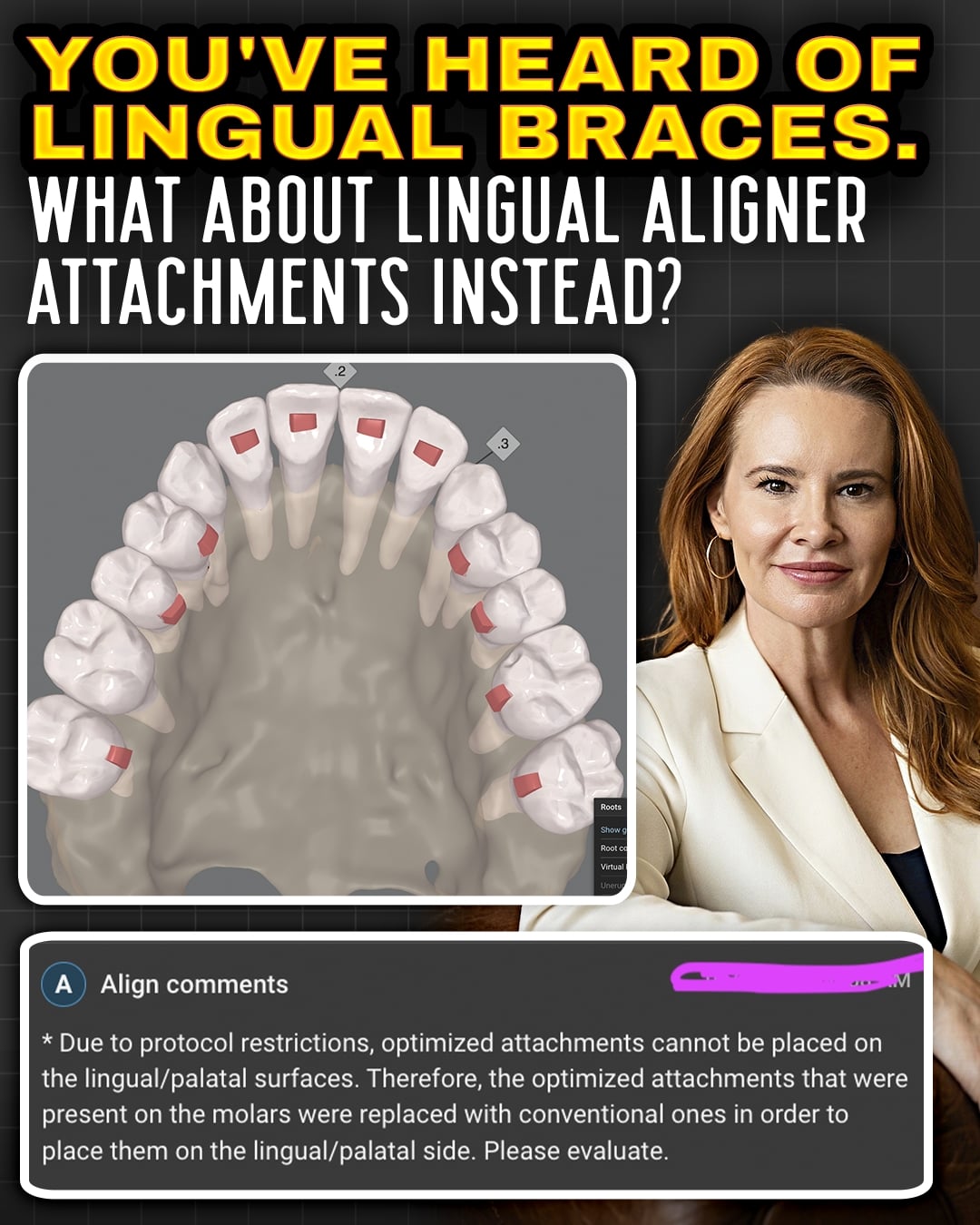 Hidden Precision: How Inside-the-Tooth Attachments Keep Invisalign Truly InvisibleStandard Invisalign treatments rely on tooth-colored composite bumps placed on the front surface of the teeth to guide movement. However, advanced digital customization allows providers to request traditional attachments placed strictly on the lingual and palatal surfaces instead. This technique completely eliminates the visible exterior bumps, offering an entirely invisible alternative for highly aesthetic or concierge-level patient demands.While highly discreet, inside-the-tooth positioning requires careful clinical execution. The shape and anatomy of the back of the teeth differ significantly from the front, meaning standard automated software defaults cannot be used. Doctors must manually override the aligner software and design the plan step-by-step. This process requires more clinical time, hands-on planning, and four-handed chairside dentistry to successfully bond the composite materials.Because of the specialized techniques required, lingual attachments work best when restricted to the upper arch to avoid the extreme bonding difficulties commonly found on lower teeth. Patients may experience slight initial bite interference, similar to standard anterior bite turbos used in traditional orthodontics. To prevent knocking the attachments loose and to keep tooth-moving forces completely consistent, patients are often encouraged to keep their aligners in place while eating, followed immediately by strict brushing and flossing routines.For modern dental practices, offering interior attachments serves as an excellent boutique marketing tool. Instead of a standardized, cookie-cutter approach, providers can offer this highly customized aesthetic experience under a premium, specialized billing model. By thinking outside the box, dentists can cater directly to patients seeking premium discretion throughout their smile journey.
Phase 1 Interceptive Orthodontics: Comparing the Finnish and American Models
- Early Universal Screening: All children undergo systematic screenings directly within the school system between the ages of 5 and 7 to check for developing malocclusions or airway issues.
- Standardized Myofunctional Training: Early treatment relies heavily on pre-made myofunctional bio-trainers. Children wear these through a prescriptive sequence to guide jaw growth naturally, drastically minimizing the need for complex braces or aligners later in life.
- Clinical Workforce Utilization: An orthodontist designs the overarching treatment plan, but the routine check-ins and clinical supervision are handled by dental hygienists every three to four months.
- The Compliance Clause: Early care is entirely taxpayer-funded with zero out-of-pocket costs for parents. However, if the orthodontist deems a patient non-compliant, public coverage is revoked. The parents must then choose to pay an out-of-pocket fee for subsequent corrective treatment.
- The Diagnostics Deficit: In the U.S., a practitioner might spend considerable uncompensated time mapping out a Phase 1 interceptive treatment plan, only for families to decline the startup phase entirely.
- Corporate and Administrative Pressure: Corporate dental structures and venture-capital-backed firms frequently shield parents from accountability regarding poor compliance. Clinicians can face internal administrative pressure to absorb tracking failures, shifting blame away from non-compliant behaviors to protect customer service metrics.
- Comprehensive Second Phase Coverage: In Finland, an advanced second phase of treatment is only funded publicly if a severe genetic issue or an unpreventable problem arises. In the U.S., insurance coverage tiers rarely tie funding directly to clinical compliance metrics.
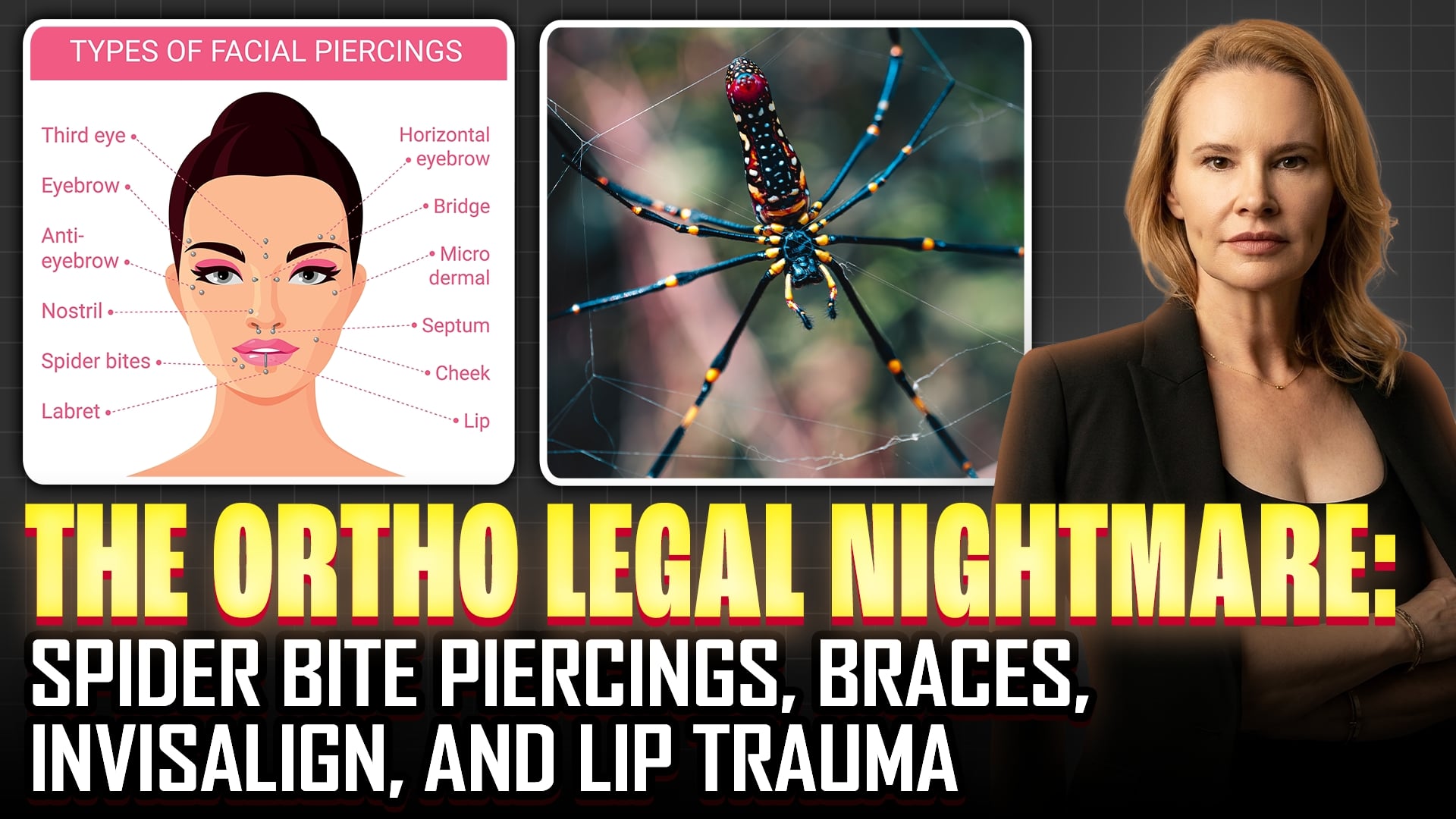
Treating Orthodontic Patients with Spider Bite Piercings: Clinical and Legal Risks
- Severe Structural Snagging: Oral jewelry can easily snag on the edge of an aligner tray, an archwire, or a bracket during routine movements like yawning, speaking, or laughing. This catching can lead to sudden, painful macro-trauma and severe tearing of the inner lip tissue.
- Chronic Root and Bone Trauma: Because spider bite piercings sit directly over the roots of the lower incisors, the hard metal backing constantly bangs against the incredibly thin alveolar bone. This repetitive micro-trauma can lead to root damage and premature devitalization of the teeth.
- Localized Infections: Constant movement of the jewelry introduces micro-trauma beneath the skin layer, elevating the risk of chronic irritation and localized soft-tissue infections.
- Mandatory In-Person Inspections: To legally defend your standard of care, you must visually inspect the piercing site and surrounding bone structure at every single appointment. This requirement completely eliminates the ability to use remote monitoring tools or virtual check-ins.
- The Insurance Limitation: Managing these high-risk cases demands extra doctor time and additional physical visits. However, if your practice operates under a standard insurance model, you cannot adjust or raise your flat-rate treatment fees to compensate for this specialized care.
- The Reality of Legal Defense: If a patient signs a supplemental informed consent form acknowledging potential damage, a malpractice lawsuit may eventually get thrown out of court. However, defending yourself against a claim still requires paying a retainer fee and enduring months of stressful litigation that drains your practice both emotionally and financially.
The Blueprint for Neurodivergent Dental Students: How to Pick the Right Specialty
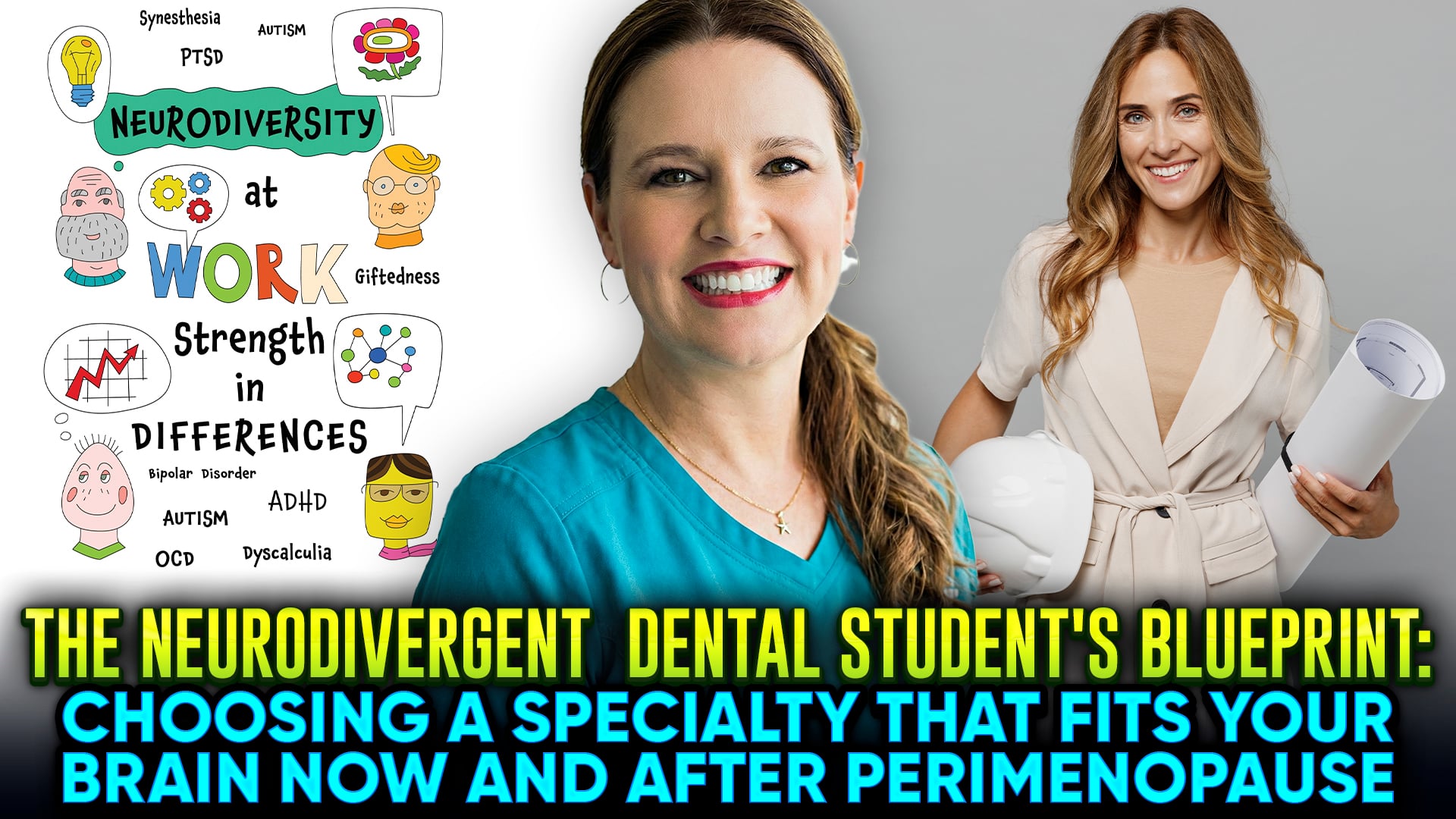 The Blueprint for Neurodivergent Dental Students: How to Pick the Right Specialty
-
- The Superpowers: Individuals with ADHD are exceptionally fast and calm during severe clinical crises, bringing high-level creative problem-solving and intense hyperfocus to urgent situations.
- The Traps: Repetitive administrative tasks, slow-paced environments, or highly predictable schedules can lead to severe stagnation and understimulation.
- Optimal Fits: Oral surgery, emergency medicine, trauma surgery, and urgent care dentistry provide the necessary pace and constant procedural variety to keep an interest-driven brain fully engaged.
-
- The Superpowers: This neurotype brings unparalleled deep focus, exceptional accuracy, and systemic logic to complex medical challenges.
- The Traps: Environments with high social demands, unpredictable patient behaviors, and loud, chaotic sensory stimulation can cause rapid burnout.
- Optimal Fits: Oral pathology, oral medicine, and dental radiology allow for specialized technical expertise within low-sensory, highly controlled environments that limit overwhelming patient face-time.
-
- The Superpowers: When the systemic focus of autism combines with the charismatic, highly communicative nature of ADHD, it creates a powerful clinical skill set. You can see solutions to structural problems rapidly while remaining exceptionally skilled at talking to people.
- The Traps: The high-volume social interaction required to run a busy multi-chair practice can completely empty your gas tank by the end of the day, especially when dealing with workplace conflict or insurance restrictions.
- Optimal Fits: Orthodontics and dentofacial orthopedics serve as excellent fields. The specialty acts as a systemic, highly predictable digital puzzle that constantly evolves alongside new technologies, providing the ideal baseline structure for the autistic traits alongside the fluid novelty needed for ADHD.
How to Get Orthodontic Mentoring with StraightSmile Solutions
- General Discussion Only: These sessions are reserved for broad orthodontic concepts, professional questions, or learning more about structured courses and consulting services.
- No Case Reviews: You cannot share patient records, emails, or images during a free session.
- Strict Cancellation Policy: Sessions that do not meet the outlined booking criteria or are identified as spam will be canceled automatically.
- Protected Health Information (PHI): Reviewing specific clinical records or patient files incurs a cost to maintain professional consulting standards.
- Secure Document Sharing: Paid consultations utilize a HIPAA-compliant method to safely upload and review patient records. Never email unprotected patient data before a formal agreement is established.
- Review Process: Pitch meetings generally require a fee due to high demand.
- Alternative Pitching: You can email your proposal directly to the consulting team. If there is a high potential return on investment or a prior relationship, an invitation for a complimentary meeting may be extended.