
StraightSmile Solutions®
ClearCorrect Update: Understanding the New Purple and Orange Movement Warnings
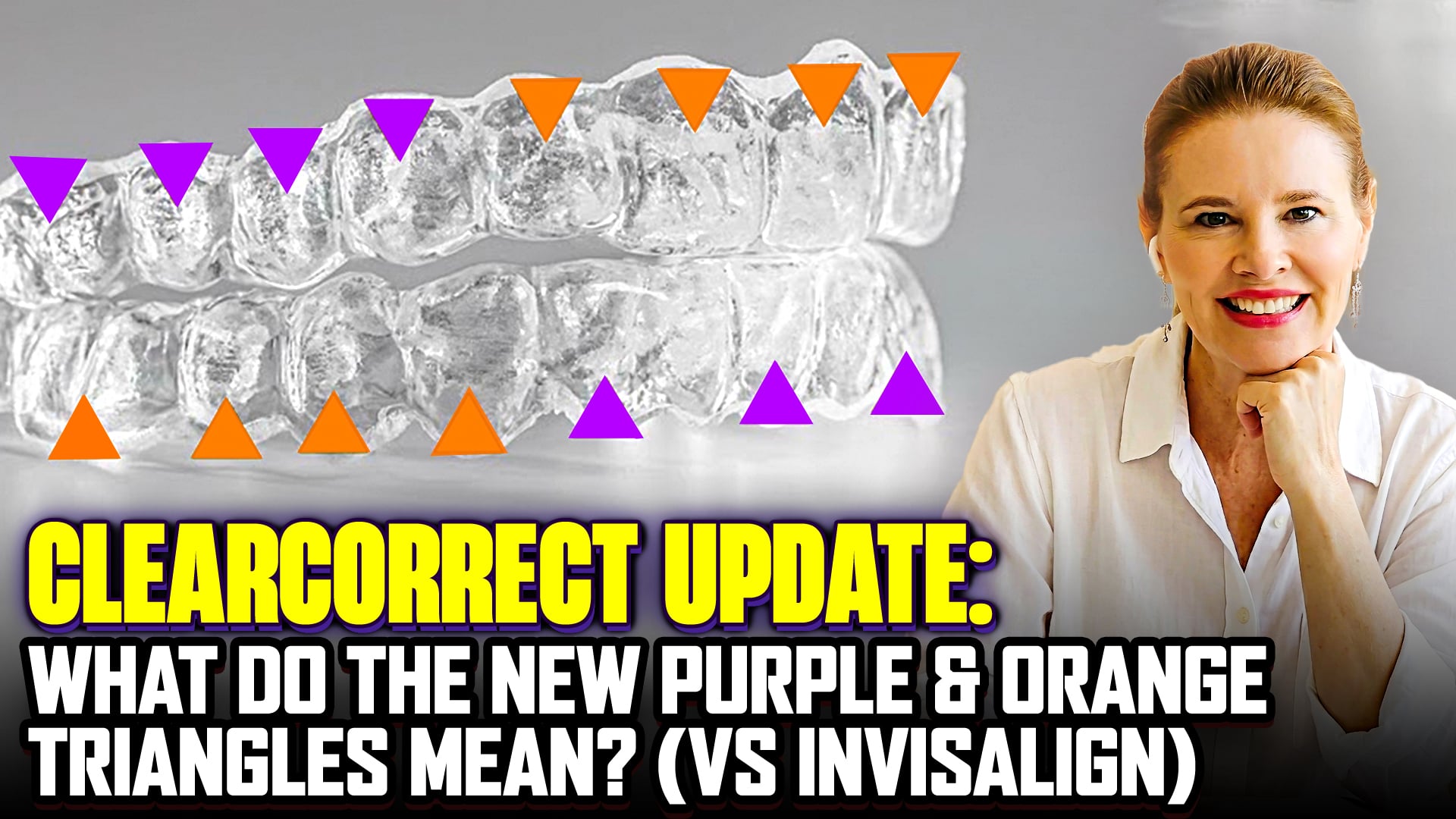 ClearCorrect Update: Understanding the New Purple and Orange Movement WarningsClearCorrect recently updated its predictive tooth movement warnings, changing its classic system to a multi-colored approach. If you are a general or pediatric dentist using ClearCorrect, understanding these color-coded indicators is critical for assessing case difficulty and minimizing tracking errors.Here is what the new warning system means for your practice and how it compares to Invisalign’s tracking alerts.The New Color IndicatorsClearCorrect previously relied solely on yellow triangles to flag complex tooth movements. To align closer with industry standards and avoid confusion with other features, ClearCorrect has shifted to orange and purple indicators.Orange Triangles (Moderate Difficulty): These indicate moderately difficult tooth movements. They are equivalent to Invisalign’s blue dots.Purple Triangles (Advanced Difficulty): These represent a major red flag for complex movements. They are equivalent to Invisalign’s black dots.What to Do When You See Purple TrianglesSeeing one purple triangle on a setup shouldn’t cause immediate panic, provided the overall case looks straightforward. However, multiple purple triangles require immediate action.Re-evaluate the Treatment Plan: If a case seems simple but displays multiple purple warnings, the treatment parameters may have been input incorrectly.Expect Longer Treatment Times: Cases heavily flagged with purple triangles are complex and typically require a higher volume of aligners to achieve the desired results.Know When to Refer: In the orthodontic classification system, multiple purple warnings designate a highly advanced setup. General and pediatric practitioners should carefully evaluate these risks or consider referring the patient to a specialist.Why the Change MattersBecause Invisalign dominates the clear aligner market, most dental professionals are primarily trained to read Invisalign’s blue and black tooth movement assessments. ClearCorrect updated its software to map directly to those familiar difficulty tiers, making it much easier for cross-trained providers to evaluate setups accurately.
Navigating the Orthodontic Crossroads: When Non-Extraction Fails
 Navigating the Orthodontic Crossroads: When Non-Extraction FailsThe debate between extraction and non-extraction therapy is a prominent conversation in modern orthodontics. Pulling teeth used to be the standard approach to resolve severe crowding. Today, contemporary practices are highly influenced by an airway-aware era where patients frequently advocate against extractions. Influenced by online trends, many individuals fear that removing bicuspids will compromise their facial profile or lead to sleep apnea. While interceptive treatment can minimize the need for extractions in growing children, adult borderline cases present a steeper challenge. When providers push non-extraction therapies too far to satisfy patient preferences, they often create severe, unintended complications.Avoiding extractions at all costs in a crowded mouth can push teeth entirely out of their biological boundaries. Without proper bone support, teeth flare forward and wide, resulting in an unnaturally protruding profile. This excessive protrusion creates lip incompetence, forcing patients to struggle to close their mouths or default to chronic mouth breathing. Beyond the poor aesthetic outcome, these over-expanded arches can push roots completely outside the facial bone. This lack of structural support triggers severe periodontal issues, including tissue thinning, sloughing, and advanced gingival recession.Orthodontists must carefully monitor borderline cases for specific clinical signs that indicate the non-extraction approach is failing. Key warning signs include the development of an anterior or posterior open bite, excessive tipping of the back teeth, and a palatal cusp hanging lower than normal. Providers should also observe the patient when they are relaxed to look for facial muscle tightness, jaw straining, or lip incompetence. Unwanted vertical growth that causes the face to look longer is another clear indicator that the oral environment cannot accommodate the current tooth volume. When these biological boundaries are violated, it is time to pivot to an extraction treatment plan.Successfully managing these complex cases requires a deep understanding of biomechanics rather than a total reliance on computer-generated treatment plans or predictive artificial intelligence. Crucially, the possibility of pivoting to an extraction plan must be clearly communicated to the patient during the very first appointment. Informing the patient upfront about a potential change in treatment direction protects the practice from negative reviews and legal liabilities while keeping the patient well-informed throughout their orthodontic care.
From Band-Aids to Better Bites: Why Dental Sleep Medicine is Shifting to Interceptive Orthodontics
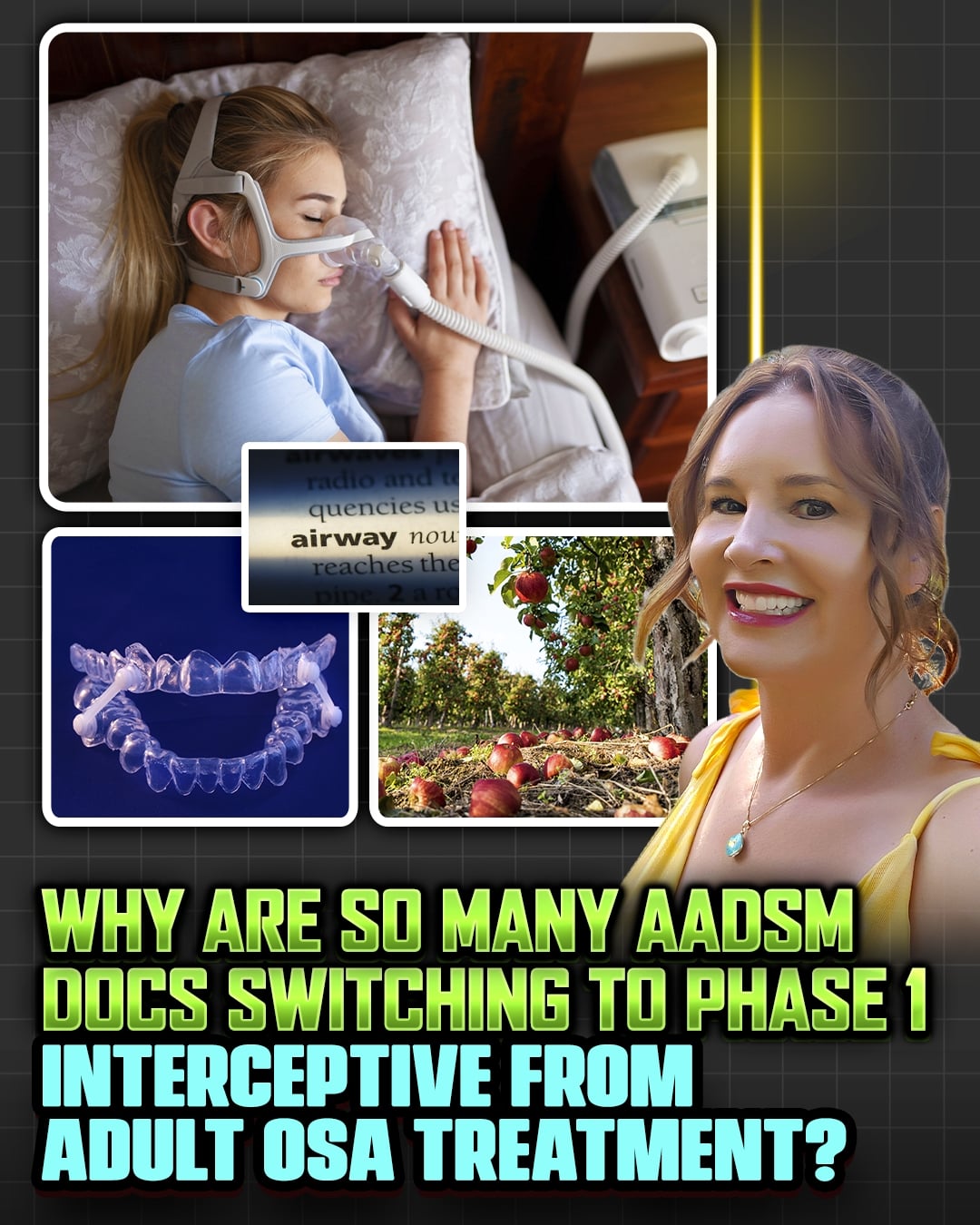 A major perspective shift is happening within the dental sleep medicine community. For years, practitioners focused heavily on adult care by managing sleep apnea with oral appliances. Today, a growing number of doctors associated with the American Association of Dental Sleep Medicine are pivoting away from these traditional methods. Instead, they are embracing Phase Interceptive orthodontics for children as a primary tool for patient care. This clinical evolution represents a shift from lifelong symptom management to proactive health optimization.Moving Past the Lifetime Band-AidTraditional adult sleep apnea treatment relies heavily on Mandibular Advancement Devices. While these oral appliances are highly effective at managing acute breathing issues, they function primarily as a lifetime band-aid. They mechanically force the lower jaw forward each night to clear the airway. However, long-term use over decades introduces chronic structural challenges.Patients frequently experience progressive, sometimes irreversible dental changes. The constant pressure alters the natural occlusion, shifts teeth out of alignment, and leaves patients with permanently wonky bites. Practitioners face complex administrative and coordination burdens when constantly working alongside physicians. Dealing with medical insurance networks and patient complaints regarding altered bites creates significant logistical friction.The Power of Growth ModificationInterceptive orthodontics introduces an entirely different paradigm by permanently modifying craniofacial growth during early childhood. Practitioners target the structural root causes of airway restrictions rather than managing symptoms later in life. Common anomalies like narrow dental arches, myofunctional deficits, and recessed jaws can be safely remodeled while a young patient is still growing.Doctors employ specific growth-guiding techniques to expand the skeletal boundaries of the oral cavity. Rapid palatal expansion actively widens a narrow upper jaw to increase nasal airflow. Functional appliances permanently encourage healthier jaw positioning without pulling joints out of their natural sockets. Clear aligner treatment employs customized clear aligners featuring built-in mandibular advancement features to simultaneously widen arches and guide lower jaw development.By fundamentally increasing the physical size and structural stability of the pediatric airway, doctors mitigate sleep disorders before they solidify into chronic adult diseases. This early intervention vastly reduces the likelihood that a child will ever grow up needing nightly breathing appliances.Holistic Benefits of PreventionThe clinical advantages of pediatric intervention reach far beyond basic respiratory health. Optimizing a developing child’s breathing directly correlates with improvements in neurocognitive development and daily behavior. Proper sleep quality supports childhood growth milestones that adult treatment options simply arrive too late to influence.Doctors are systematically shifting from a practice built on managing disease to a model focused entirely on prevention. Many practitioners routinely evaluate the young children of their current adult sleep patients, identifying structural narrowness before chronic issues emerge. Correcting a growing jaw builds a fundamentally stable bite and an open airway that functions naturally, eliminating the need for a bulky nightly device.Learning the core foundations of early pediatric expansion is highly accessible for general dentists. It does not require investing in complex, proprietary, turnkey appliance systems that demand uncritical brand loyalty. Mastering basic skeletal principles allows any clinician to build a highly rewarding preventative practice that safeguards a child’s systemic health for a lifetime.
Navigating the Legal Risks of AI Predictions in Modern Orthodontics
 Navigating the Legal Risks of AI Predictions in Modern OrthodonticsArtificial intelligence is rapidly reshaping the dental landscape. From digital smile simulations to CBCT root predictions, AI tools provide powerful visual aids for treatment planning. However, relying heavily on these digital previews introduces significant legal and clinical vulnerabilities for practicing dentists. Dental practitioners must actively manage patient expectations to protect their practices from modern liability traps.The Illusion of Perfection vs. Biological RealityAI predictive software operates on mathematical algorithms rather than human biology. These programs easily generate perfectly leveled midlines, symmetrical gingival margins, and idealized smile lines on a digital screen. Unfortunately, algorithms cannot accurately control for individual biological variables like bone density, tongue thrusting, root morphology, or patient compliance. Because teeth rarely move exactly as a computer predicts, showcasing an idealized simulation can cause a patient to assume that the digital preview is a guaranteed mirror of their future smile.The Breach of Contract TrapWhile standard medical consent forms state that results may vary, they rarely shield a provider from the legal traps of digital simulations. Presenting a highly detailed, AI-generated image of a patient’s exact face and teeth can inadvertently create an implied contract or express warranty. If a patient saves a screenshot of that simulation and their final physical result differs, an attorney could argue that the clinician promised a precise physical outcome.Proactive Protection StrategiesTo bridge this informed consent gap, dental teams must immediately adjust how they present digital simulations. Consider implementing the following steps to safeguard your practice:Train Your Staff: Ensure assistants and treatment coordinators never say that this is how teeth will look.Shift Your Phrasing: Reframe the simulation as a blueprint the software uses to help the doctor see the direction of treatment, rather than a final destination.Implement Custom Documentation: Standard consent forms may not cover AI failures. Consult with a local healthcare attorney to create a supplemental informed consent form tailored to digital simulations.Thoroughly Record Every Visit: Patients frequently use smartphones to record consultations. Always document your explicit verbal disclaimers in the patient’s chart after every single case presentation.AI is an excellent educational benchmark, but it remains a tool rather than a definitive guarantee. Prioritizing transparent communication and robust legal protections ensures your practice thrives safely in a technology-driven era.
What to Do If Your Orthodontist Closes Overnight: A Guide to Your Rights
- Credit Card Chargebacks: Contact your financial institution immediately to dispute the charges for unrendered services.
- State Attorney General: File an official complaint with your state’s attorney general or local dental board to report the sudden closure.
- Proof of Claim: If the practice enters formal bankruptcy court proceedings, file a proof of claim as a creditor to potentially recoup some losses.
Going Old School: Localizing Impacted Canines Without a CBCT
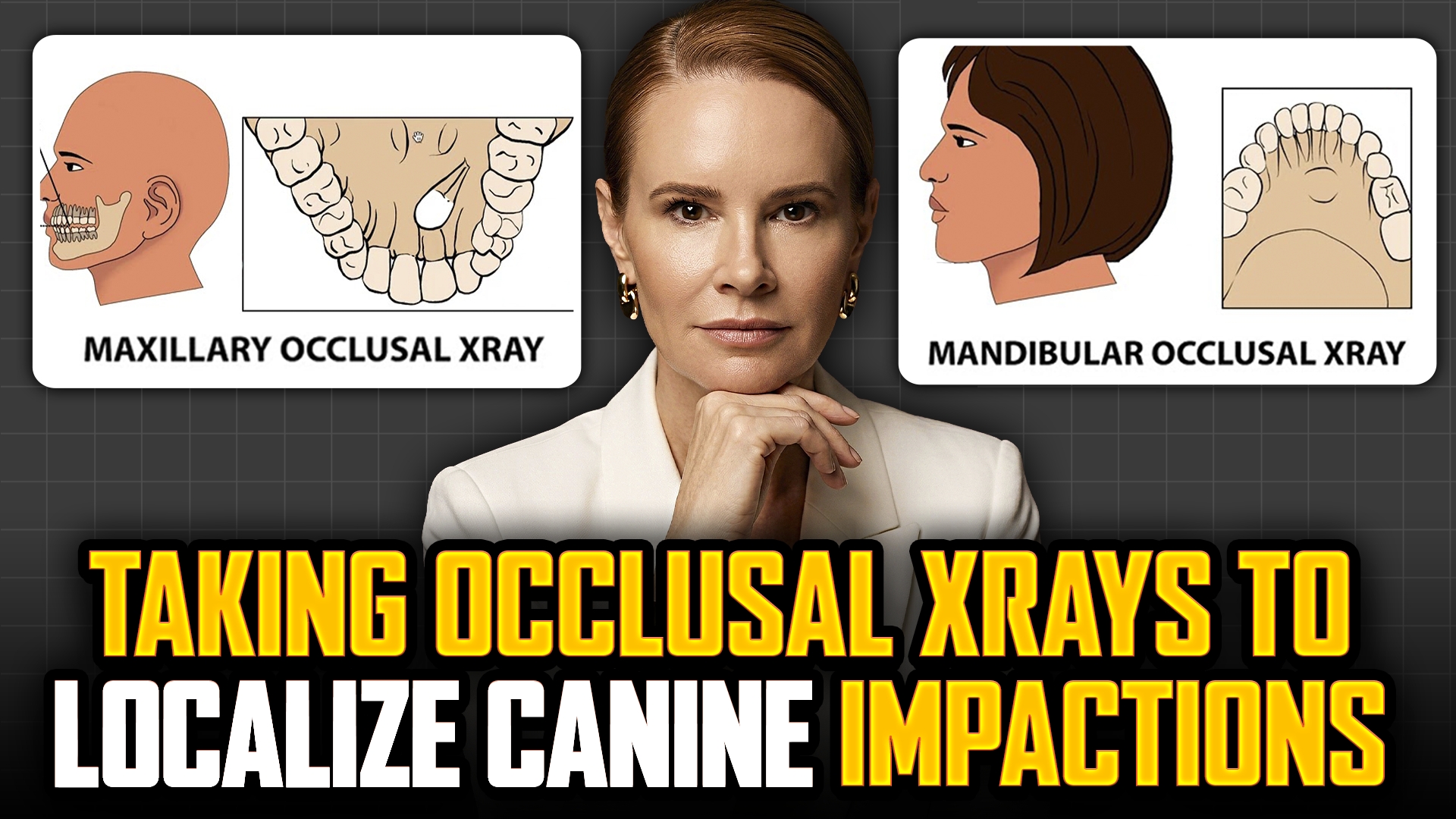
- For Maxillary Views: Position the X-ray cone at a steep 60 to 65-degree downward angle relative to the patient’s occlusal plane.
- For Mandibular Views: Have the patient lie completely flat and position the cone directly beneath the jaw, shooting upward.
Embracing Uniqueness: How to Discuss Facial Asymmetries in Orthodontics
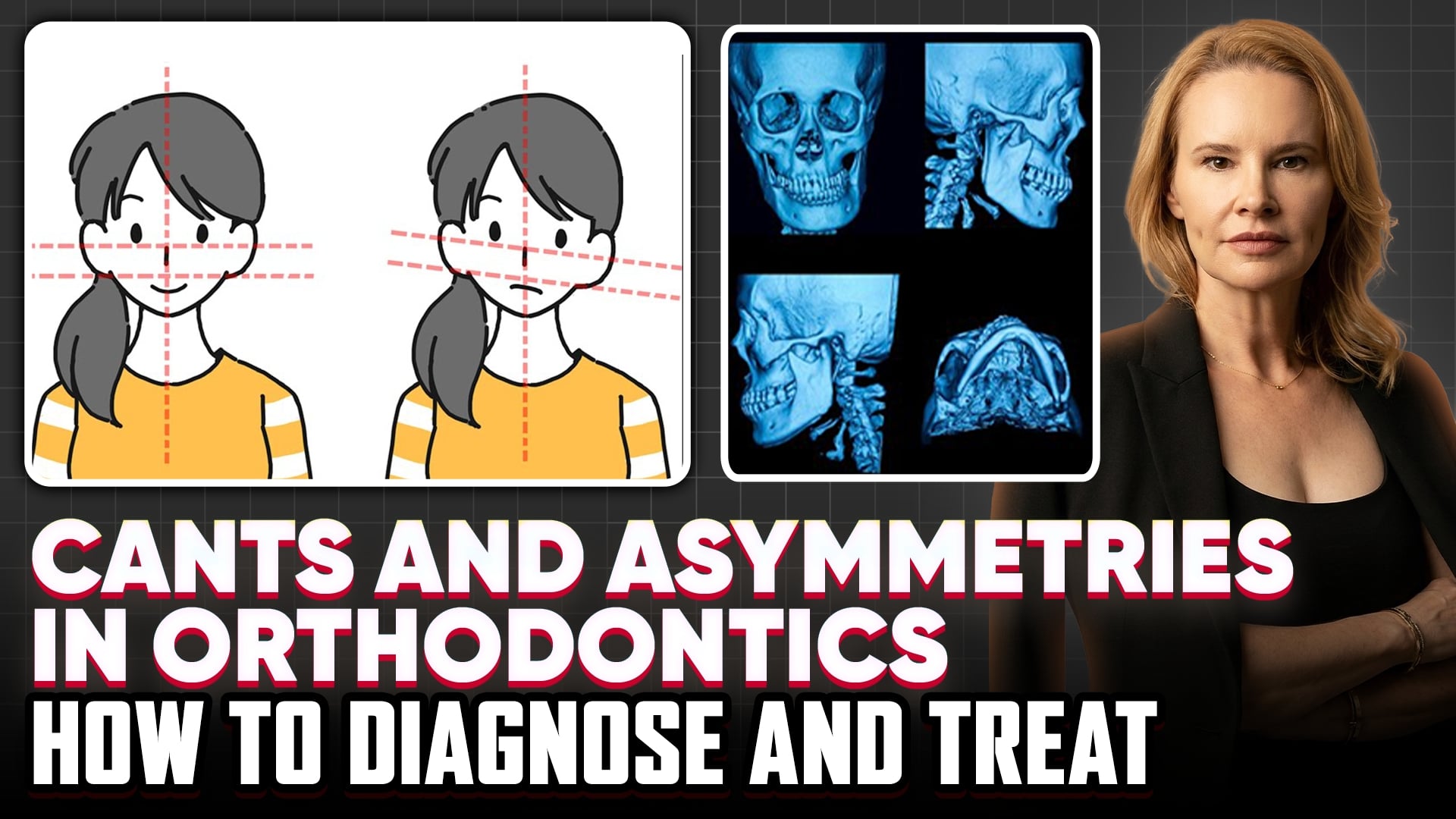 Embracing Uniqueness: How to Discuss Facial Asymmetries in Orthodontics
In the world of orthodontics, no two faces are exactly alike. As practitioners, one of the most delicate challenges we face isn’t just bending wires—it is navigating sensitive conversations about facial asymmetries and dental cants with our patients.Why Early Communication MattersIt is a common mistake to stay silent about a minor asymmetry, hoping the patient won’t notice. However, avoiding the topic can lead to misunderstandings later in treatment. You should never assume a patient is unaware of their unique facial structure. Addressing these traits openly during the initial consultation builds trust and sets realistic expectations from day one.Changing the Narrative with Gentle LanguageWhen pointing out a cant or asymmetry, the language we choose is incredibly important. Instead of using clinical words that might sound alarming or negative, we can use simple, everyday analogies to normalize these differences.Comparing facial variations to the natural differences in our fingers or toes is an excellent approach, especially when speaking with younger patients. It helps them understand that variation is a normal part of human anatomy. By reframing the conversation, we can help patients see these traits not as flaws, but as a unique fingerprint that makes them who they are.Managing Expectations SafelyEvery successful orthodontic journey relies on clear communication. During the diagnosis phase, it is vital to explain exactly what treatment can and cannot fix.Growth Factors: Explain how natural growth might impact the asymmetry over time.Treatment Limits: Clearly outline which elements can be corrected with braces alone and which might require surgical intervention.Documentation: Always document these detailed conversations in the patient’s chart.Thorough documentation is not just about keeping good clinical records. It protects your practice legally and financially, ensuring everyone remains on the same page throughout the treatment process. By balancing clinical honesty with empathy, we can guide our patients toward beautiful, healthy smiles while celebrating their individuality.
Orthodontic Emergencies: What to Do When a Patient Swallows a Bracket or Wire
- The Monitoring Window: Instruct the parents to closely observe the patient for several days following the incident.
- Red Flags: Advise them to look out for symptoms like severe stomach pain, persistent cramping, or bloody stool.
- Emergency Action: If any of these warning signs appear, the patient should be directed to an urgent care clinic or emergency room immediately.
- Inform the Doctor: Office staff must ensure the lead dentist is immediately made aware of the swallowed component.
- Chart the Incident: Document the timeline, the specific part swallowed, and the advice given directly into the patient’s chart.
- Proactive Follow-Ups: Do not simply leave the ball in the patient’s court. Schedule follow-up calls over the next few days to check on the patient’s condition and log those conversations. Keeping an open line of communication ensures patient safety while protecting your practice legally.
Clear and Connected: Self-Ligating Braces vs. Traditional Mini Twins
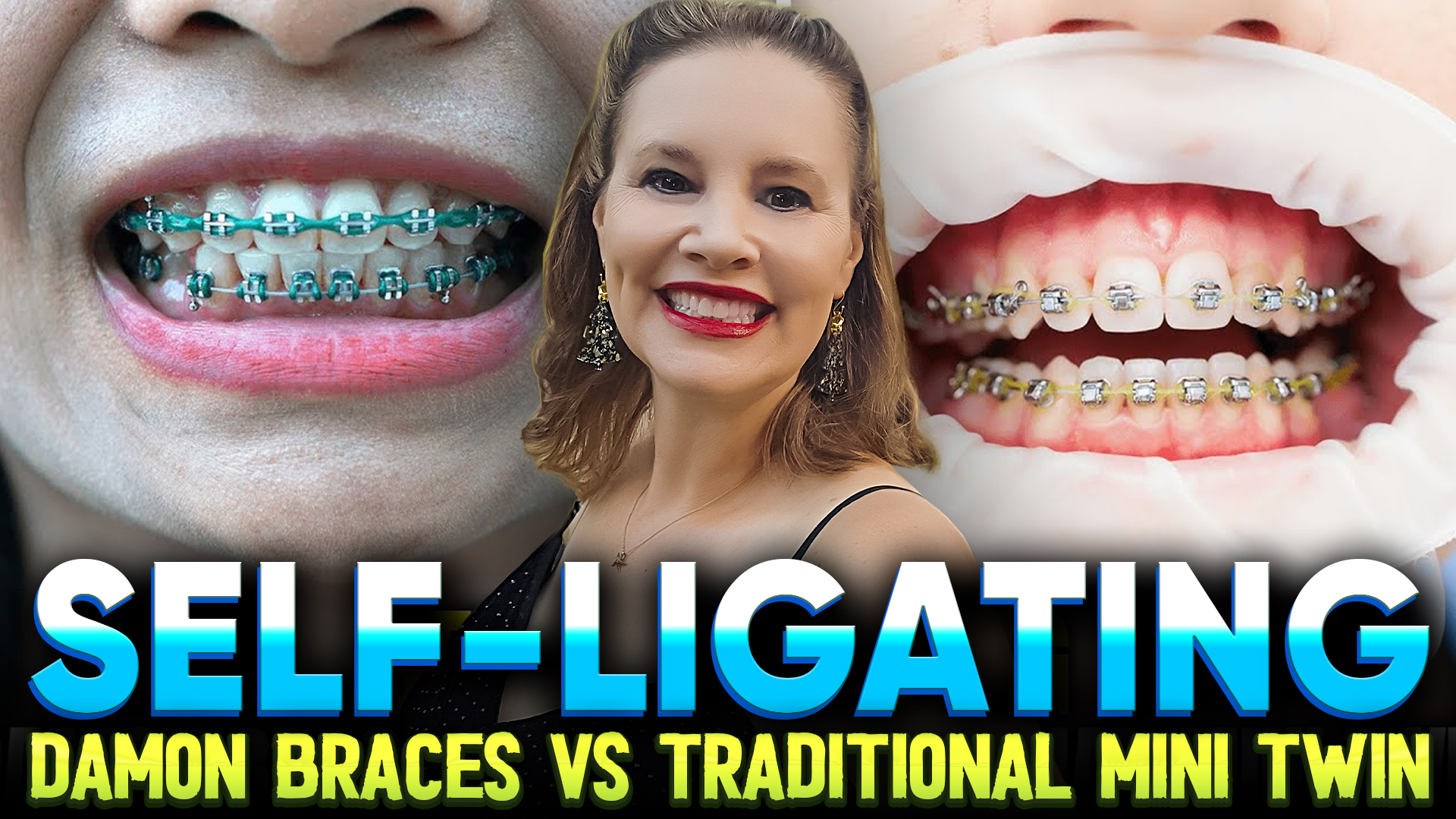
- Traditional Mini Twins: These brackets require a small elastomeric O-ring or rubber tie to hold the wire in place. These ties come in various colors but naturally degrade, stretch, and lose their tightness over time.
- Self-Ligating Braces: These specialized brackets feature a built-in “trap door” mechanism. The door slides or snaps shut directly over the archwire, completely eliminating the need for external rubber ties.
- Severe Crowding: If your teeth are heavily crowded, self-ligating brackets shine during the initial leveling and aligning phase. The low-friction mechanism allows teeth to slide into place more freely. This can lead to a more efficient alignment process and fewer office visits.
- Spacing Issues: If your goal is to close large gaps, self-ligating brackets offer no extra clinical benefits over traditional braces. Closing spaces requires the use of interconnected rubber power chains anyway, which bypasses the benefit of the built-in bracket doors.
Mastering Maximum Anchorage: How to Use Steel Orthodontic Ligature Ties
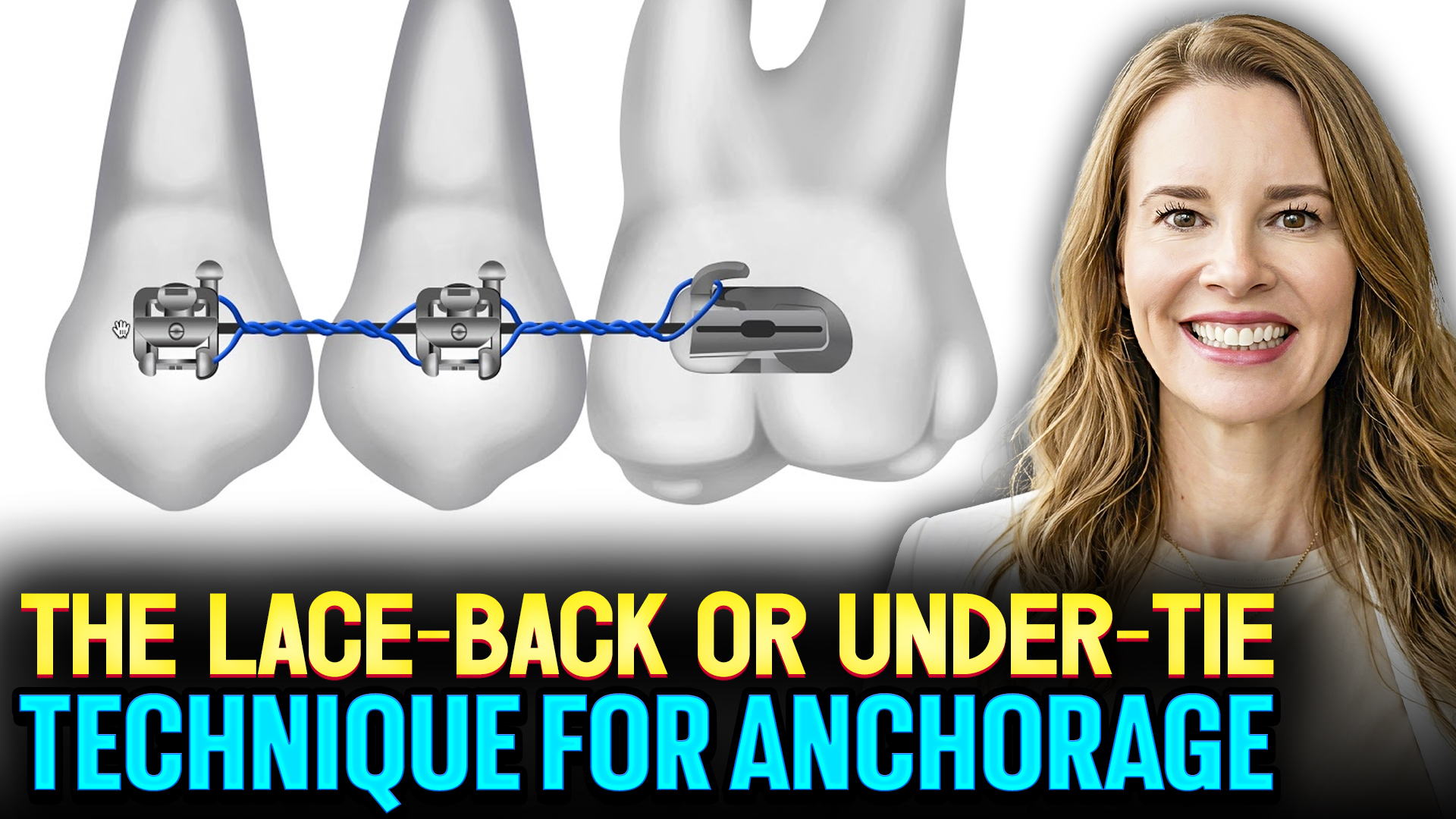
- Loop the Terminal Tooth: Take the steel wire and loop it securely around the terminal hook of your furthest back molar.
- Twist Between Every Bracket: Pull the wire forward and perform multiple tight twists in the dead space between the brackets before moving to the next tooth. Skipping these intermediate twists drastically reduces the structural strength of the unit.
- Secure the Unit: Continue threading, looping, and twisting across the adjacent premolars until your entire anchor group is tightly linked together.
- Tuck the Tail: Terminally twist the very end of the wire, clip it short, and tuck it neatly under the archwire so it cannot poke or irritate the patient’s cheek.