
StraightSmile Solutions®
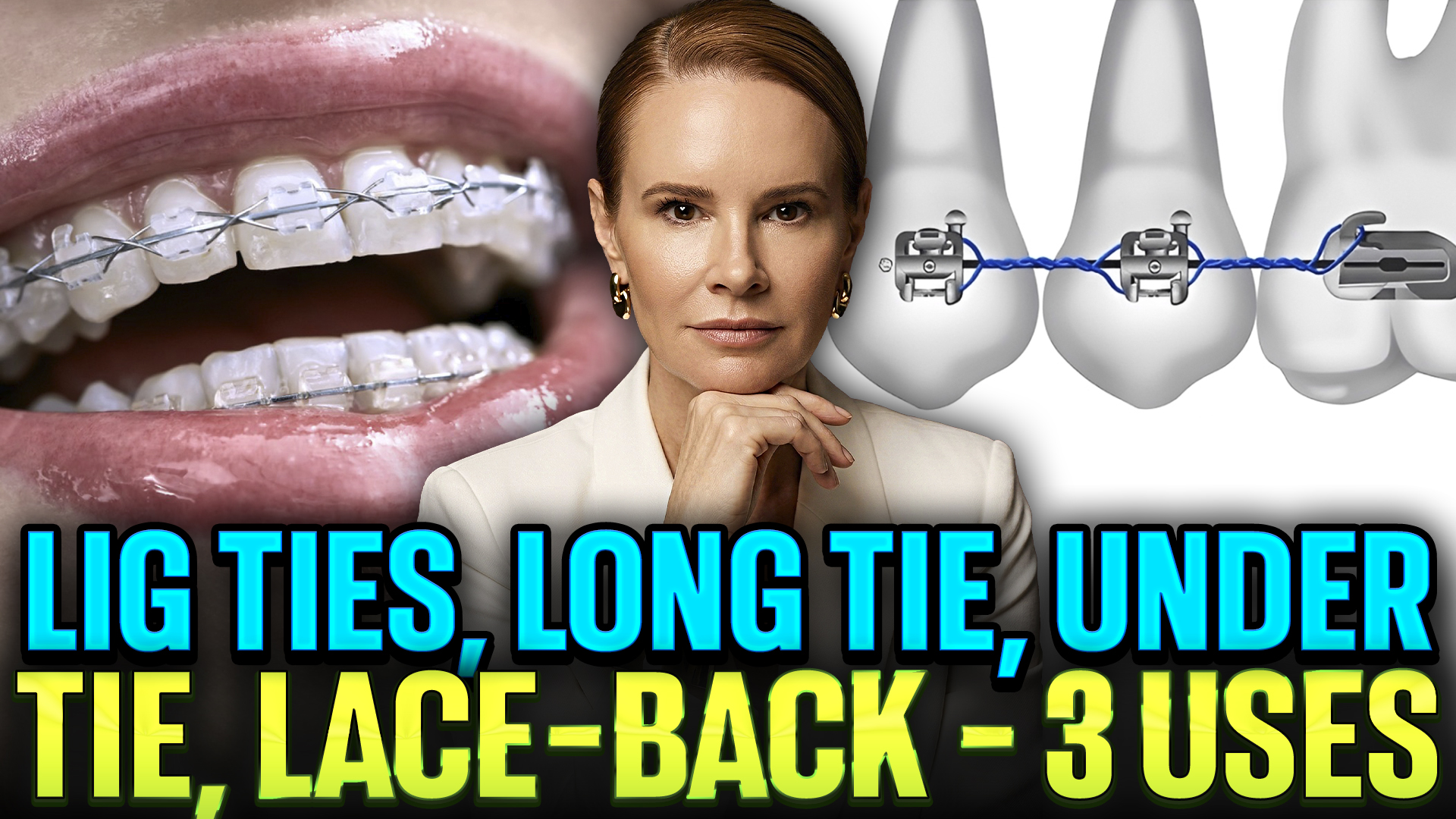
Behind the Smile: Three Crucial Uses for Steel Orthodontic Ligature Ties
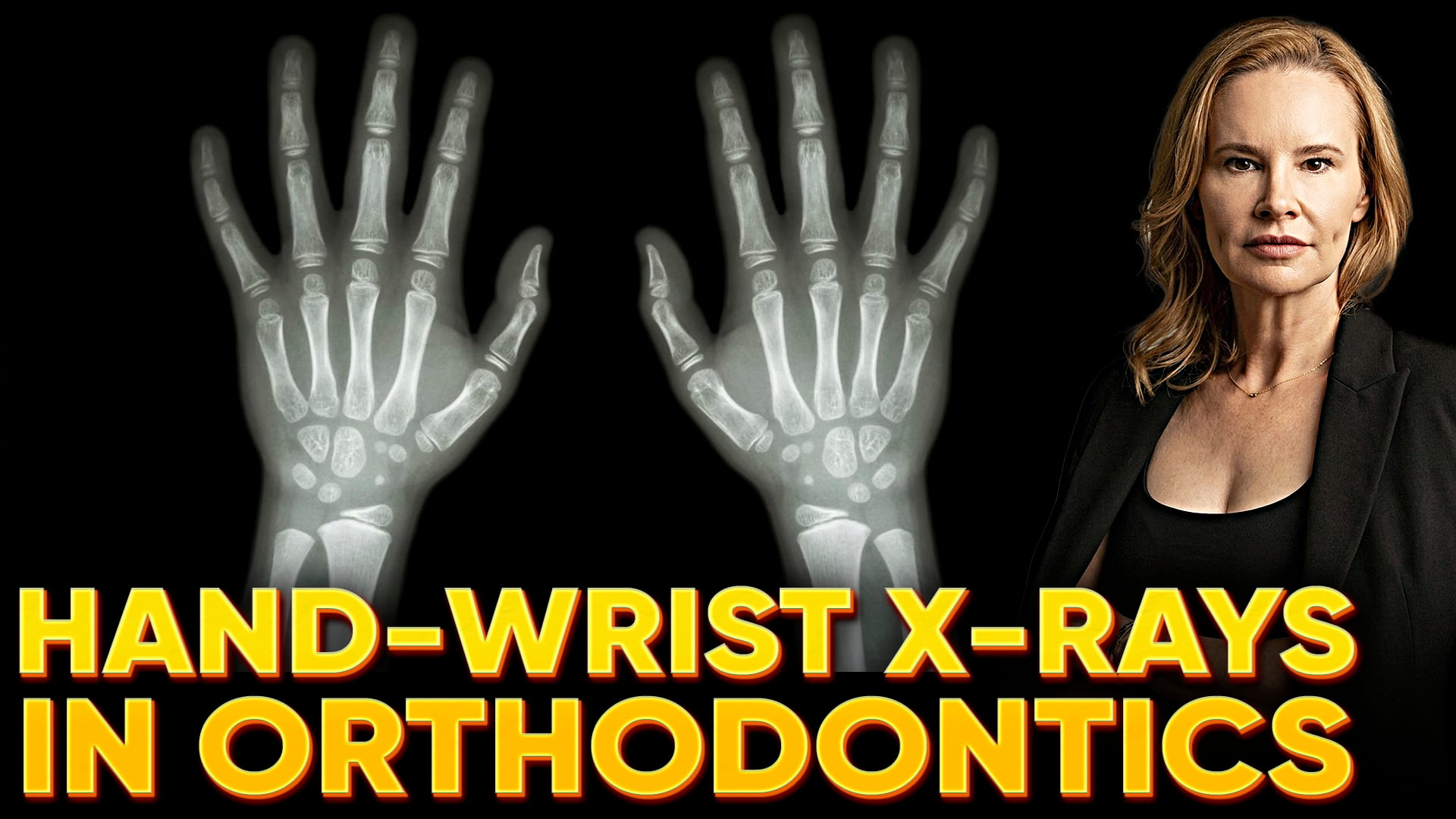
Timing is Everything: Why Orthodontists Use Hand-Wrist X-Rays
- The Middle Finger: Doctors look at the growth plates in the middle phalanx bone. They observe how the wide end cap (epiphysis) relates to the main shaft (diaphysis) of the bone.
- The Sesamoid Bone: This is a tiny, seed-like bone that forms near the thumb joint. Its appearance is a definitive milestone that signals the exact onset of puberty.
- The Radius Bone: Located in the wrist, this bone is the ultimate indicator of maturity. Once the radius fully fuses with the wrist, skeletal growth is officially complete.
The Power Chain Guide: Continuous vs. Short vs. Long Braces Elastics
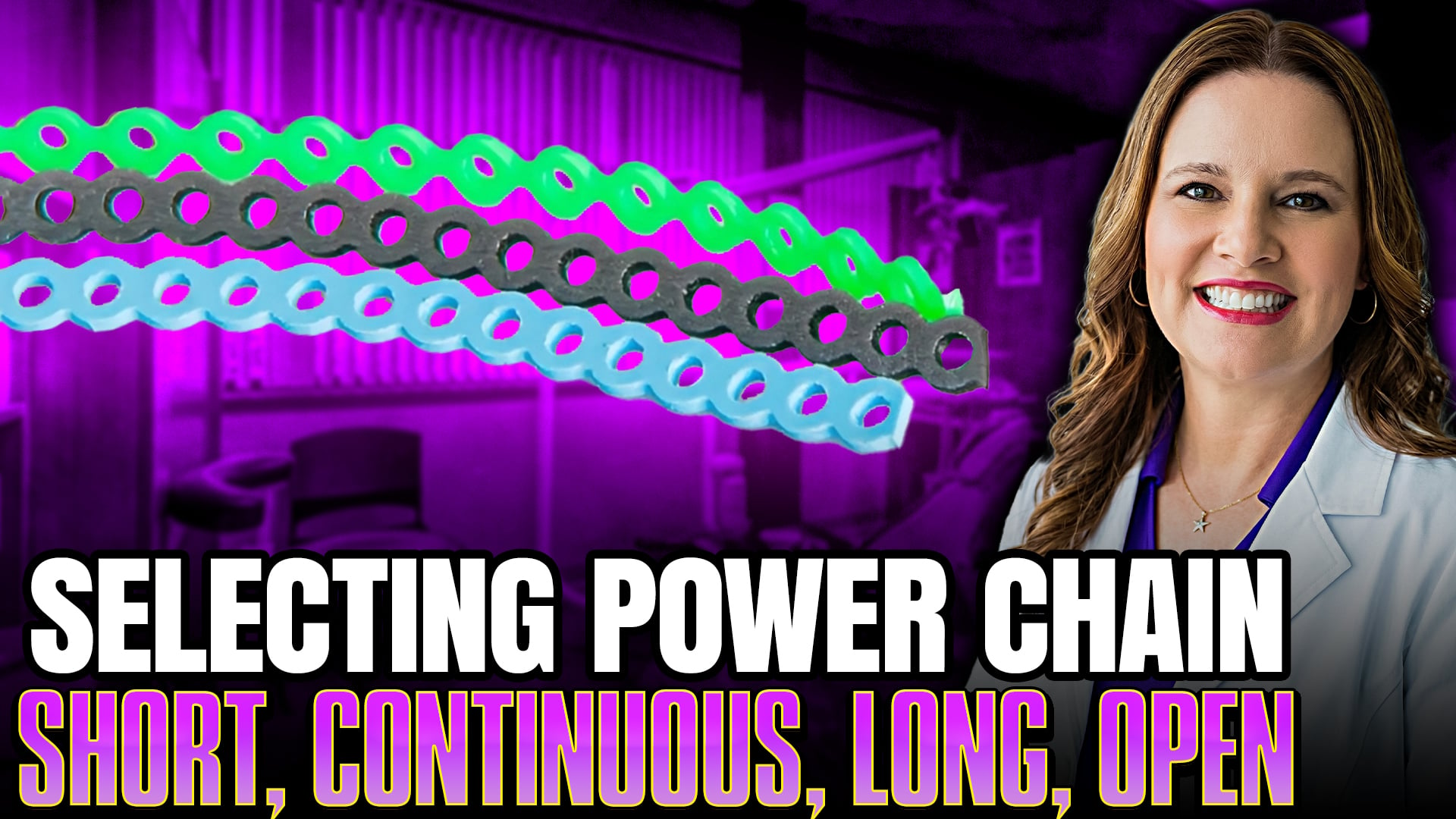
- The Fit: The loops sit flush side-by-side on adjacent teeth.
- When It is Used: This style is perfect for small brackets or closely grouped teeth where you need maximum force over a short distance. It is highly effective for squeezing together remaining microscopic gaps.
- The Fit: This slight separation accommodates the average physical space between standard-sized dental brackets.
- When It is Used: Orthodontists frequently choose short chains for standard, everyday gap closure or rotational correction on normal-sized teeth.
- The Fit: The loops are spaced further apart to stretch across wider distances.
- When It is Used: This style is ideal for large teeth, wider bracket spacing, or spanning across extraction sites. It delivers a lighter, more gradual pull over a longer distance.
Fresh and Clean: How to Clean Under Fixed Bite Plates and Orthodontic Appliances
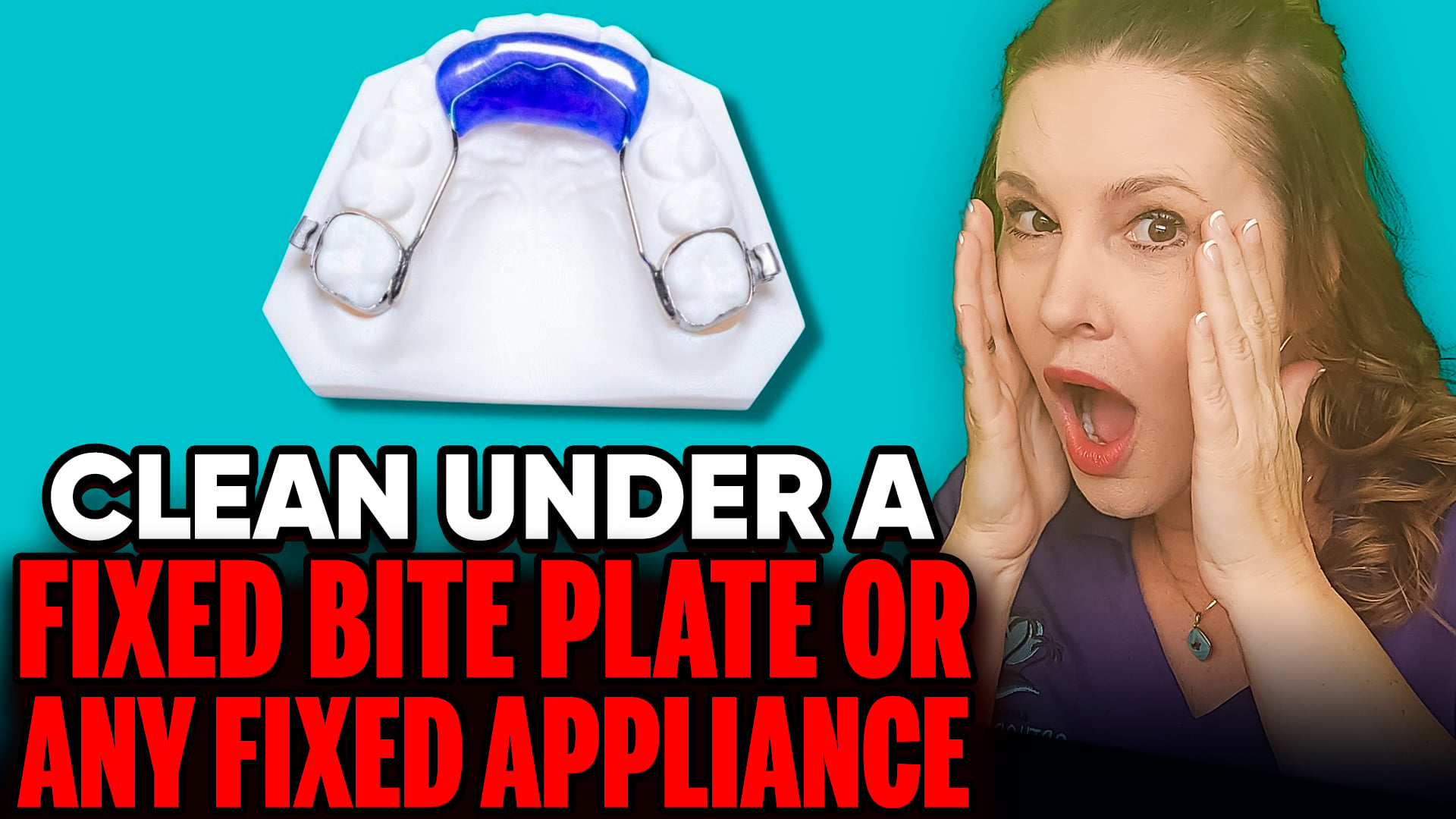
- Fill the syringe with clean, warm water.
- Lean directly over your bathroom sink.
- Position the curved tip right under the edge of the appliance.
- Press the plunger firmly to flush out the debris.
Say Goodbye to the Gap: The Modern Guide to Laser Frenectomies
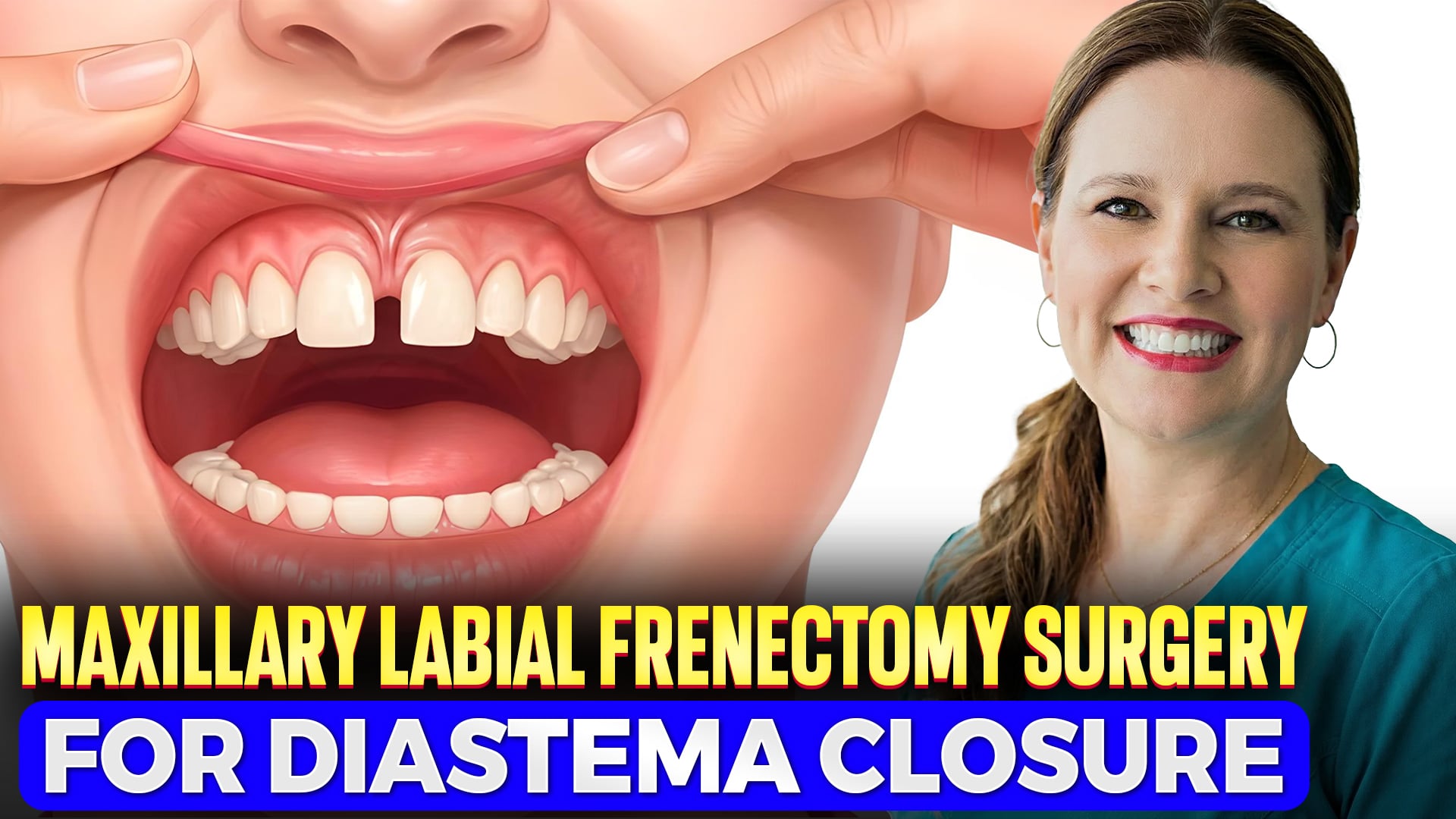 Have you ever noticed a large gap between your front teeth? In dentistry, this space is called a midline diastema. While orthodontic treatments like braces or clear aligners can easily close this gap, the teeth often want to drift right back to their original positions. The culprit behind this stubborn movement is frequently a small piece of tissue called the maxillary labial frenum.What is a Labial Frenum?The labial frenum is the fold of tissue connecting the inside of your upper lip to your gums. When this tissue attaches too low or is unusually thick, it acts like a rubber band pulling your two front teeth apart. To fix this permanently, dentists perform a quick procedure called a frenectomy to remove or reshape the tissue.Scalpel vs. Laser: The Modern ChoiceTraditionally, a frenectomy required a scalpel, incisions, and stitches. This older method often results in:Significant postoperative swellingFacial bruisingExtended recovery timesFortunately, modern dental technology offers a much better alternative: laser frenectomies.Choosing a doctor who uses a dental laser completely transforms the patient experience. Lasers precisely vaporize the tissue while sealing the blood vessels at the same time. This means minimal to no bleeding, very little swelling, and a significantly faster healing process. Best of all, laser procedures rarely require any painful stitches.Lifelong BenefitsInvesting in a laser frenectomy provides an incredible long-term benefit for your smile. Without the strong tissue pulling your teeth apart, your orthodontic results become highly stable. You will no longer have to worry about wearing a retainer 24/7 for the rest of your life just to keep your gap from reopening.If you or your child are planning to close a gap with orthodontics, ask your dentist if a labial frenectomy is necessary. Just be sure to seek out a provider who utilizes laser technology for a quick, comfortable, and stitch-free recovery.
How to Do Interceptive Orthodontics Without a Ceph Machine?
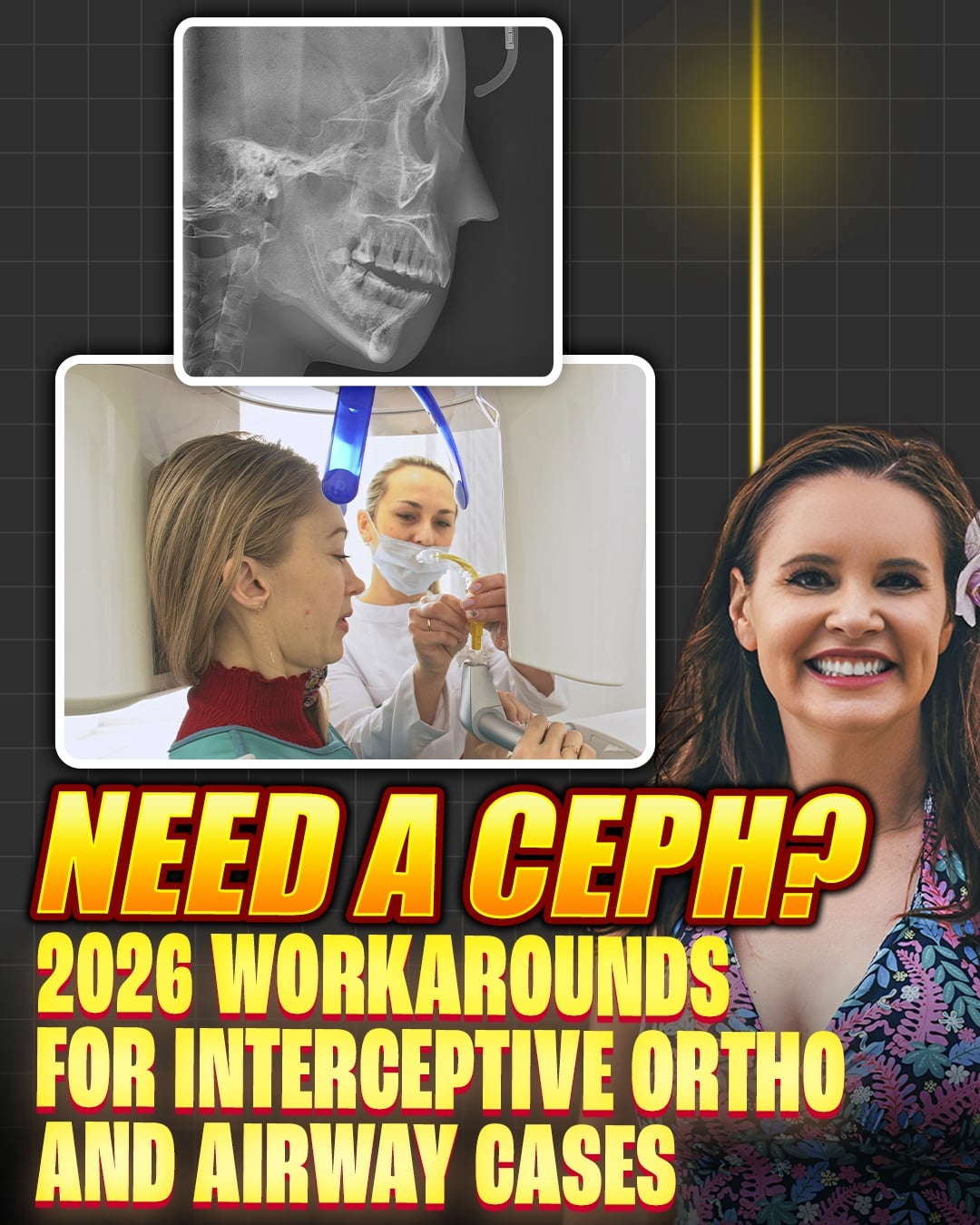 How to Do Interceptive Orthodontics Without a Ceph Machine?
Are you a pediatric or general dentist who wants to offer Phase 1 interceptive orthodontics, but you feel stuck because you do not own a cephalometric (Ceph) machine?Purchasing a Ceph machine or a large Field of View (FOV) CBCT is a massive financial investment. For many doctors, this upfront cost acts as a barrier to entry. The good news is that you do not need to buy expensive new equipment to provide excellent orthodontic care. By utilizing smart, modern workarounds, you can easily get the diagnostic records you need while keeping your overhead low.Here is how you can successfully navigate interceptive orthodontics using outsourced imaging workflows.Top 3 Diagnostic WorkaroundsIf your clinic lacks a Ceph machine, you can utilize three highly effective alternatives to capture the necessary skeletal data:1. Independent Dental Imaging CentersIn many urban and suburban areas, you can find dedicated dental imaging centers or mobile dental imaging vans. These businesses specialize exclusively in taking high-quality cone beams, Cephs, and digital scans. You simply give your patient a prescription slip, send them to the center, and the center sends the digital files back to you. The patient pays a reasonable flat fee directly to the imaging center, removing the equipment burden from your practice entirely.2. Strategic Specialist CollaborationsLook around your local community for specialists who already own a Ceph or a large FOV CBCT. Oral surgeons and periodontists are excellent partners because they do not compete with you for primary pediatric or orthodontic patients, eliminating any risk of “patient poaching.”You can establish a professional relationship where you utilize their equipment. To make it a win-win, offer to compensate their staff for their time if you send patients during off-hours, ensuring everything is handled legally and fairly.3. Maximize a Small FOV CBCTIf you already own a small FOV CBCT machine in your office, do not count it out. While a small FOV cannot capture a full orthodontic head film in a single shot, modern imaging software allows you to stitch multiple smaller scans together. You can also use it to perform precise sectional airway analyses, giving you critical diagnostic data without requiring a brand-new machine.Managing the Logistics and LegalitiesTo ensure your outsourced diagnostic workflow runs smoothly, you must plan your legal, billing, and technical systems ahead of time.The Necessity of OMFR Radiologist ReadsEvery single time you take a CBCT scan or outsource one, you must send the file to a remote Oral and Maxillofacial Radiologist (OMFR) for an official interpretation. Expect to pay a standard fee between $75 and $150 per read. This is not optional; it is a critical step that protects both you and the partner practice legally. Furthermore, you must ensure strict compliance with anti-kickback laws, meaning you cannot exchange financial incentives or finder’s fees for patient referrals.Setting Up Your Billing WorkflowThe cleanest way to handle finances is through a direct doctor-to-doctor monthly invoicing system. The partner specialist or imaging center should bill your office directly for the scans. You then bundle this cost into your total patient diagnostic fee. This keeping-it-in-house approach keeps your billing clean, looks professional to the patient, and protects your practice during financial audits.Handling Large File TransfersCBCT scans generate massive DICOM files that are far too large to send via standard email. You will need to use secure, HIPAA-compliant healthcare transfer tools such as Ambra, Dropbox, or Biopath. Additionally, ensure your office computers are equipped with proper viewing software—like Romexis, Blue Sky Plan, or Anatomage Vivo—so you can properly open, view, and evaluate the files once they arrive.Grow Your Practice TodayDo not let a lack of heavy machinery hold your practice back from offering high-value interceptive orthodontics. By outsourcing your imaging, you can start helping patients immediately. Once your Phase 1 workflow is running smoothly, the internal revenue you generate will easily fund your own in-office technology upgrades down the road.Create a standard clinical imaging prescription form, reach out to local specialists, and expand your clinical options today!
Bridging the Gap: How Dentists Can Navigate ENT Gatekeeping in Airway Orthodontics
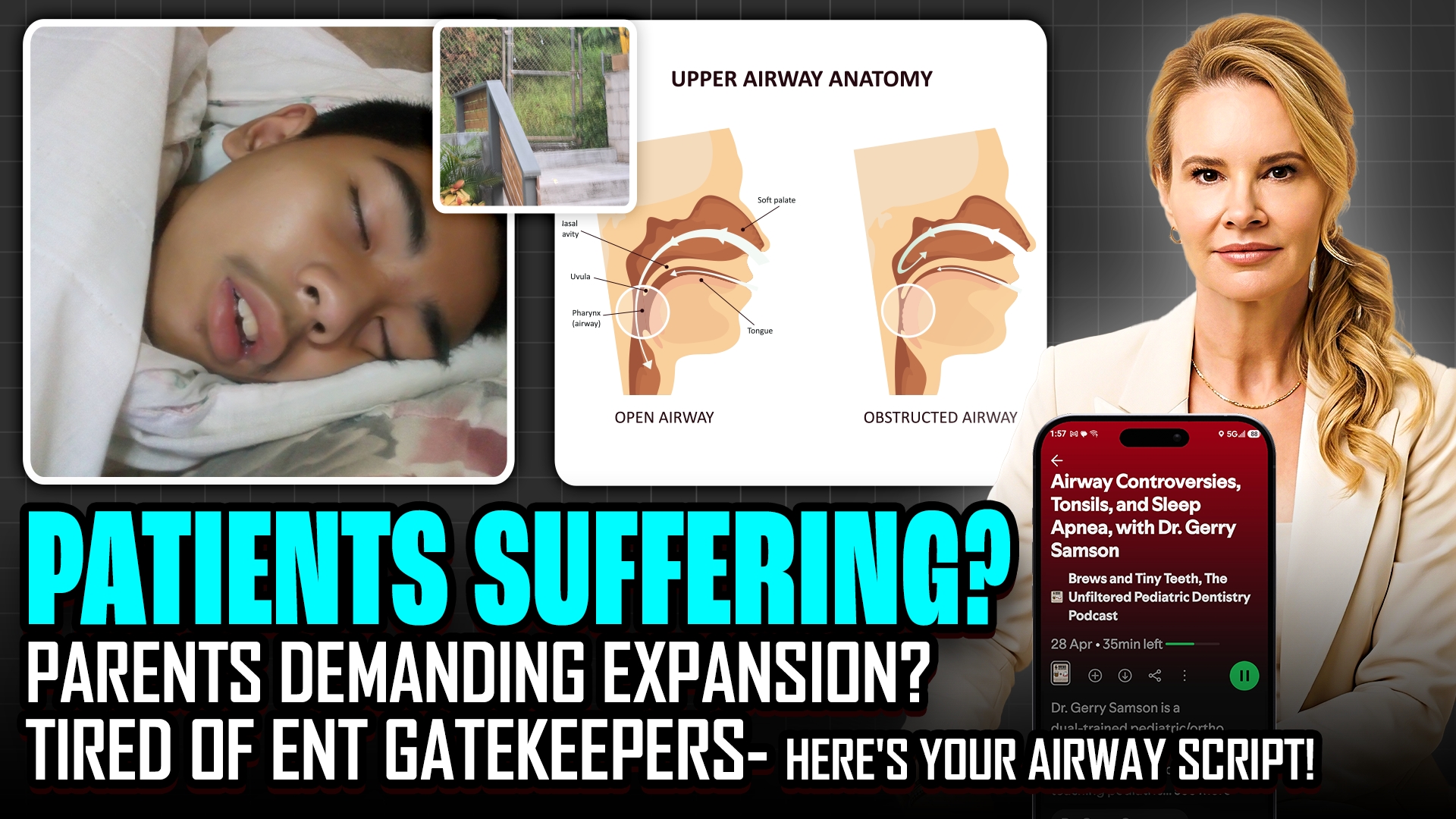 Bridging the Gap: How Dentists Can Navigate ENT Gatekeeping in Airway OrthodonticsAirway health is reshaping modern dentistry. More general and pediatric dentists now recognize the life-changing benefits of early palatal expansion. However, a common roadblock stalls this vital care: the Ear, Nose, and Throat (ENT) gatekeeper. Many practitioners struggle when an ENT dismisses the need for interceptive orthodontic treatment.Overcoming this communication barrier is essential. Dentists need actionable scripting and strategic approaches to collaborate effectively with medical specialists. This ensures young patients receive timely, comprehensive airway care.Understanding the “Gatekeeper” DynamicDentists and ENTs view the upper airway through different clinical lenses. An ENT often focuses on acute pathology, severe physical obstructions, or surgical interventions like adenotonsillectomies.Conversely, an airway-focused dentist looks at structural development. They evaluate how a narrow maxillary arch restricts nasal airflow and compromises tongue posture.When an ENT tells a parent that a child’s airway is “fine,” it usually means there is no immediate surgical emergency. It does not mean the airway is optimized for healthy development. Dentists must bridge this gap not by challenging the medical specialist, but by reframing the conversation around craniofacial growth.Strategic Scripting for Patient CareNavigating these conversations requires precise, collaborative language. The goal is to position the dentist and the ENT as a unified care team rather than opposing forces.1. The “Co-Management” ApproachInstead of asking an ENT for permission to treat, position the referral as a request for data.The Script: “We are initiating maxillary expansion to optimize craniofacial growth and nasal volume. We would value your assessment of the nasal mucosa and lymphoid tissue to ensure the upper airway is clear during this active orthopedic phase.”2. Reframing the TimelineENTs often prefer to wait and watch mild airway issues. Dentists must emphasize the limited window of childhood growth.The Script: “While the respiratory symptoms may not warrant surgery today, the patient is currently in a peak skeletal growth phase. Interceptive expansion now will permanently alter the hard palate anatomy, optimizing the nasal floor before the midpalatal suture fuses.”3. Educating the ParentsParents are often caught in the middle of conflicting medical opinions. Empower them with clear structural analogies.The Script: “The roof of the mouth is also the floor of the nose. If the mouth is narrow, the nasal passage is crowded. The ENT checked to make sure nothing is blocked today, but our job is to widen the room so your child can breathe easily through their nose long-term.”Building Lasting Medical AlliancesConstantly fighting upstream against local specialists is exhausting and counterproductive. Dentists should proactively build a network of airway-aware medical allies.Share Objective Data: Send CBCT scans, acoustic rhinometry data, or intraoral photos alongside your referral notes to visually demonstrate structural narrowness.Host Interdisciplinary Meetups: Invite local ENTs, myofunctional therapists, and sleep physicians to informal study clubs to align clinical philosophies.Highlight Post-Op Success: When a child’s sleep, behavior, or nasal breathing improves after expansion, send a brief follow-up report to the referring ENT to showcase the concrete results of orthodontic expansion.ConclusionInterceptive orthodontics is a powerful tool for pediatric wellness, but its success relies heavily on collaborative care. By shifting from a defensive posture to an educational, data-driven framework, dentists can transform ENT gatekeepers into valuable partners in pediatric airway health.
The Hidden Risks of Bonded Retainers and Why Virtual Removal is a Trap
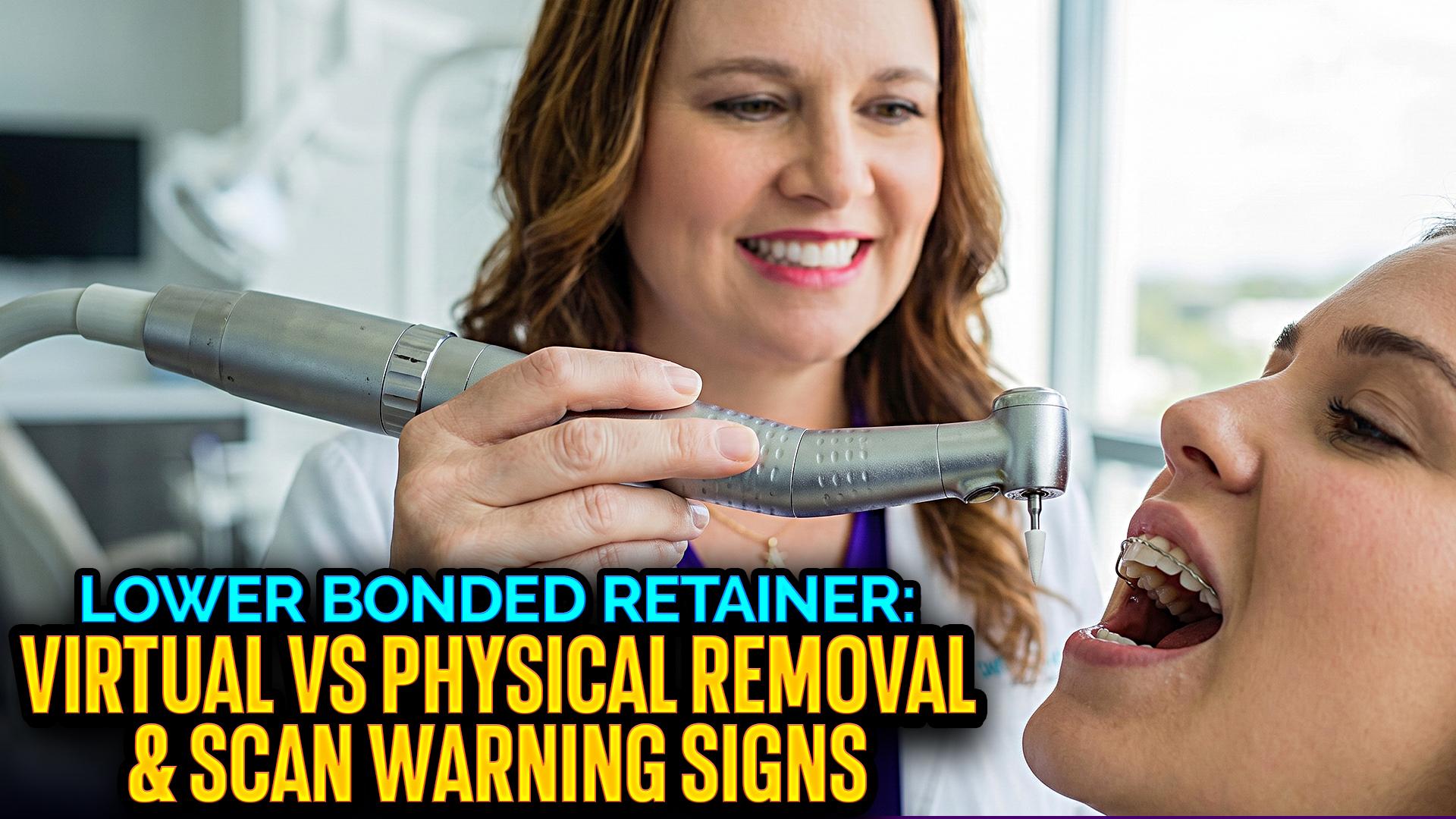 The Hidden Risks of Bonded Retainers and Why Virtual Removal is a TrapBonded retainers are a staple in orthodontic treatment. Many general practitioners and pediatric dentists view them as a standard, permanent solution to maintain straight teeth. However, as an orthodontist, bonded retainers—whether upper or lower—often raise red flags.Taking a handpiece and zipping off a wire is easy mechanical work. The real challenge lies in managing the legal liabilities, underlying biological risks, and software tracking limitations that come with managing or removing these devices.Here is what you must evaluate before removing or placing a bonded retainer.Why Virtual Retainer Removal Failing in Aligner SoftwareWhen prepping a patient for an aligner retreatment case, clear aligner companies frequently offer to “virtually remove” the existing bonded retainer from the digital model. They tell you it is perfectly fine, but it is not.The Problem with AI GuessworkA bonded retainer is built in multiple layers. Moving from the tooth out, you have:The natural enamelThe adhesive layerThe mesh pads or wireThe artificial intelligence used by clear aligner software tries to guess where the tooth ends and the adhesive begins. AI is simply not smart enough to accurately distinguish between these layers.The Consequences of InaccuracyOverestimating Structure: If the software over-removes structure on the digital model, the fabricated aligner will have a gap on the lingual side. This gap functions like an air bubble, creating a software-induced tracking issue. The tooth will not move properly, forcing you into an early, costly refinement phase.Underestimating Structure: If the software under-removes the retainer structure, the actual physical aligner will be too tight or sit too high. It will fail to seat 100%, causing poor tooth movement and dragging out the overall treatment timeline.The Rule of Thumb: Do not rely on virtual removal. Remove the physical retainer first, clean off the residual composite completely, and then take a fresh digital scan.Red Flags: The Underlying Biomechanical FailuresIf a patient presents with a bonded retainer and their teeth have relapsed, it means something went wrong. Bonded retainers do not simply fail without cause. The breakdown is usually due to one of three issues:1. High Frenum Pulls and Anterior ContactsUpper bonded retainers are particularly problematic. If a patient had a large midline diastema caused by a high frenum pull, a bonded retainer is often slapped on as an insurance policy. However, if the patient has heavy anterior occlusal contacts, trapping the teeth tightly with a wire can cause severe trauma. This constant force frequently leads to root resorption—a major clinical failure and legal liability.2. Undiagnosed Myofunctional or Airway IssuesTeeth move when forces are out of balance. If a patient has a tongue thrust, habit, or airway issue, their tongue exerts massive outward pressure on the anterior teeth. Placing or leaving a bonded retainer against a tongue thrust creates a damaging counter-force system. The teeth are splinted together but pushed constantly, which accelerates root resorption and eventual structural failure.3. Severe Periodontal IssuesLower bonded retainers are notorious plaque traps. Even with excellent home care and specialized tools, keeping the lingual surfaces of lower incisors clean around a wire is incredibly difficult. For many patients, it leads to chronic calculus accumulation, gingival recession, and localized periodontal disease.Protecting Your Practice: Disclaimers and WarrantiesIf you decide to remove a bonded retainer for a patient, you inherit the legal responsibility for whatever happens to those teeth next. Without the proper paperwork in place, you are legally responsible for any subsequent relapse or underlying root damage.Before touching a bonded retainer case, protect your practice with these parameters:Require Myofunctional Screening: Do not touch retreatment or removal cases unless you have basic training to screen for tongue thrusts and airway blockages.Draft a Custom Informed Consent: Your paperwork must explicitly state the risks of relapse, existing periodontal issues, and the potential for underlying root resorption.Define Aftercare Boundaries: Orthodontists typically offer retainer maintenance for only one year post-treatment. If you place a bonded retainer as a general practitioner, establish clear boundaries regarding who pays for long-term checks and repairs.A smart strategy for general dentists is to tie retainer maintenance directly to hygiene compliance. Inform the patient that as long as they maintain their regular six-month hygiene appointments, you will inspect their bonded retainer at no additional cost. If they miss their checks and the wire breaks, the liability shifts entirely back to them.
Patient Delivery Instructions for My LM Activator BioTrainer – Phase 1 Interceptive Airway (Planmeca)
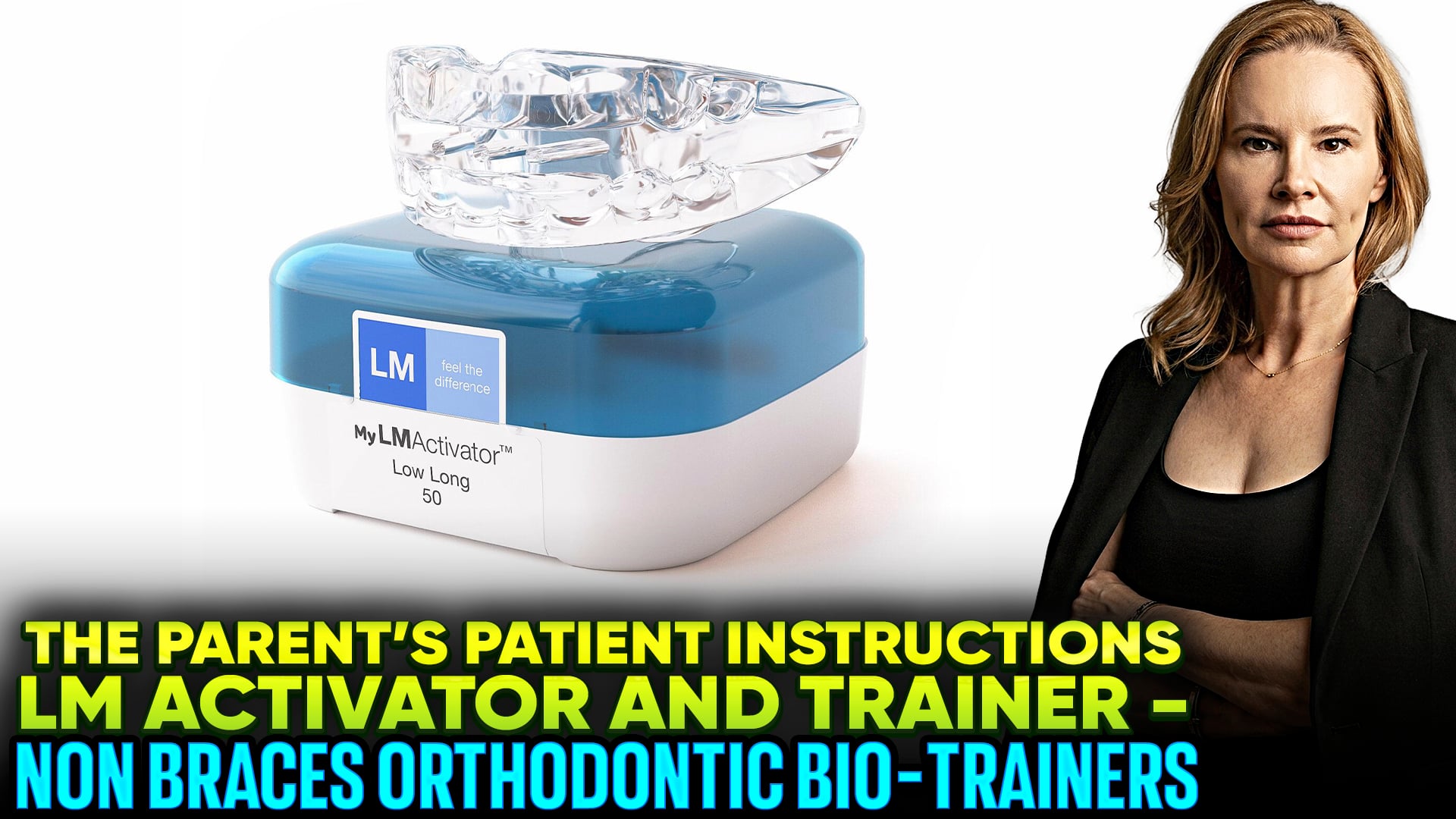 Patient Delivery Instructions for My LM Activator BioTrainer – Phase 1 Interceptive Airway (Planmeca)
I. Introduction
Dr. Amanda from StraightSmile Solutions provides patient‑facing instructions for the LM Activator BioTrainer (Planmeca), a semi‑custom silicone appliance for early interceptive airway and myofunctional therapy.
She has over 10 years of experience with similar bio‑trainers; compliance is easiest in children under 10, especially ages 2-6.
II. Ordering and Pricing (US Only)
Doctors purchase directly from Planmeca’s US distributor: Salish Medical and Dental Supply.
Cost per appliance: $71 (doctor’s price).
Optional ortho‑sizer tool: $37.
No lab fees, no scans required; stock appliances shipped immediately.
Kits available by profile: low angle / high angle, short (first molars only) / long (second molars in).
III. Appliance Generations
LM Activator (older), LM Activator 2, and My LM Activator (newest flagship).
Newest version (My) is more lightweight, high‑gloss, comfortable, and has an optimized lingual channel for tongue space and natural swallowing.
Older generations may be preferred for very young children or specific deep‑bite cases.
IV. Treatment Progression
Typical patient goes through 3-6 appliances as they grow (short → long, width adjustments).
Start as early as age 2-5 (primary dentition) for best results.
Appliance corrects habits, encourages nasal breathing, and improves tongue posture – not a guarantee of perfect alignment, but improves occlusion and airway.
No custom fit; it is a stock appliance, so perfection is not expected.
V. Patient Selection and Compliance
Ideal patients: young children (homeschooled or on the spectrum often wear them willingly), with committed parents.
Wear during the day AND night for best results; chewing on the appliance accelerates improvement.
Night-only wear gives improved but not dramatic outcomes.
Multiple appliances needed as child grows; total cost ~$71 × 4–6 plus supervision fees.
VI. Delivery and Follow‑Up
Size the patient using the ortho‑sizer tool.
Dispense the correct generation and size.
Monitor growth and eruption with periodic X‑rays (pano) – but no active orthodontic adjustments.
As teeth straighten and arches develop, move to the next size (wider or longer) as indicated.
No active chairside work; check fit and progress.
VII. Cost and Practice Integration
Total program should be well under $2,000, making it accessible for families.
Dr. Amanda recommends stocking all shorts (low and high) and ordering longs as needed.
This is a low‑overhead, high‑value service that positions the practice as a leader in early airway and myofunctional care.
VIII. The Bottom Line
The LM Activator is a simple, affordable, semi‑custom appliance for early interceptive treatment.
Start young (age 2-5), pick the right patient and parent, and expect multiple appliances over time.
No guarantees, but consistent wear produces significant improvements in airway, bite, and facial growth.
As DTC models emerge, practices should embrace the “medicalization” of early orthodontics now.
Rethinking the Pediatric Airway Trend: Why General Dentists Should Focus on Phase 1 Orthodontics Instead
 Rethinking the Pediatric Airway Trend: Why General Dentists Should Focus on Phase 1 Orthodontics InsteadAirway health has become an incredibly popular topic among pediatric and general dentists. Many practitioners are eager to find a specialized, off-the-shelf pediatric airway course to implement in their practices. However, looking for a standardized airway curriculum might actually be the wrong approach for your dental practice.The Compliance Pitfalls of Airway CoursesThe truth is that a generic, official airway course does not truly exist within the standard of care. The American Association of Orthodontists (AAO) maintains a highly conservative stance on this matter. Their official white papers and guidelines explicitly emphasize that orthodontics is not a proven, definitive cure for pediatric airway issues.Because of this stance, marketing or practicing under a standardized airway curriculum presents massive compliance and legal challenges. Promoting a generic course can unintentionally expose your practice to unnecessary liability risks.Shifting Focus to Phase 1 Interceptive OrthodonticsInstead of chasing a standalone airway curriculum, dentists should shift their focus toward mastering Phase 1 Interceptive Orthodontics. By focusing entirely on pure orthodontic mechanics, staging, and jaw development, you can safely help your patients while remaining fully compliant with current dental association guidelines.When managing Phase 1 cases on a patient-by-patient basis, you naturally address the structural environment that influences breathing. Proper interceptive mechanics allow you to:Optimize overall jaw growth and facial developmentMaximize dental arch widthMinimize or eliminate harmful oral habitsImprove tongue posture and promote healthier nasal breathingThis structured mechanical approach optimizes a child’s physical growth environment while keeping your clinical documentation perfectly safe and defensible.Ethical Practice and Building Community TrustPrioritizing early growth management is not a quick strategy to maximize immediate profits. Instead, it represents an ethical commitment to early intervention for practitioners who want to do what is right for their patients.For decades, traditional orthodontic practices have frequently gatekept information, often telling parents to wait until a child is older to begin treatment. Unfortunately, this waiting period can cause children to miss critical early growth windows. By actively screening young patients and applying Phase 1 interceptive mechanics early, primary care dentists can correct foundational structural issues before they worsen. Over time, this dedication to early intervention helps build immense long-term trust within your entire community.Disclaimer: This blog post is for general informational purposes only and does not constitute professional medical or dental advice. Always consult with a licensed orthodontist or a specialized dental sleep medicine group for diagnostic protocols.