StraightSmile Solutions®
Why PodMatch is My Go-To Marketing Tool for Q2 (Under $65/Month!)
 Why PodMatch is My Go-To Marketing Tool for Q2 (Under $65/Month!)Finding cost-effective ways to market a specialized business can feel like an uphill battle. Traditional advertising often drains your budget without guarantee of reaching the right people. In a recent video from StraightSmile Solutions®, the host breaks down a brilliant, low-cost marketing strategy for the second quarter of the year. By leveraging a platform called PodMatch for just $64 a month, the channel demonstrates how business-to-business (B2B) marketing can be both highly targeted and incredibly affordable.Here are the major highlights and takeaways from the video on how to maximize your visibility without breaking the bank.The Power of Automated MatchingPodMatch operates like a matchmaking service, but for broadcasters and experts. Instead of spending hours cold-emailing podcast hosts who might ignore your pitches, the platform uses an algorithm to connect you with hosts who are already looking for your exact expertise. For niche industries—like orthodontic consulting for pediatric dentists—this eliminates wasted ad spend and puts you directly in front of your ideal audience.Maximizing a Minimal BudgetThe standout feature of this strategy is the price point. For only $64 a month during Q2, the creator is able to secure guest spots on relevant shows. When you break down the return on investment, appearing as a guest on a single podcast can yield hours of evergreen content. Listeners hear your voice, trust your expertise, and can find your services months or even years after the episode airs, making it far more valuable than a fleeting social media ad.B2B Networking Made EasyFor professional consultants, authority marketing is everything. The video emphasizes that being a podcast guest establishes instant credibility. You are not just selling a product; you are sharing valuable knowledge. This organic approach builds trust faster with other professionals, driving high-quality B2B leads straight to your business.Ultimately, the video proves that successful marketing does not require a massive agency budget. By utilizing smart, algorithmic tools like PodMatch, niche businesses can automate their outreach, land high-impact speaking opportunities, and dominate their industry vertical for less than the cost of a daily cup of coffee.
Breaking the Habit: Understanding and Correcting Lip Biting
 Breaking the Habit: Understanding and Correcting Lip BitingDo you or your child struggle with a chronic lip biting habit? It is a common issue, but from an orthodontic perspective, it often brings up a classic “chicken or the egg” dilemma. Does lip biting cause poorly aligned teeth, or do misaligned teeth trigger the habit?According to orthodontist Dr. Amanda Wilson, the answer usually points to a dental condition called overjet. Overjet occurs when the upper front teeth protrude too far forward horizontally over the lower jaw. When this gap exists, the lower lip naturally rests behind the front upper teeth, paving the way for a constant lip biting cycle. In these instances, fixing the bite is the key. By correcting the overjet and properly moving the teeth, the subconscious urge to lip bite generally disappears on its own.However, not every lip biter has an overjet. Some patients present a perfectly normal bite but still struggle with a chronic, repetitive habit. For these unique cases, specialized dental appliances are highly effective. Orthodontists frequently turn to a tool known as a lip bumper. This device utilizes small molar bands combined with a slim wire bow that sits directly in front of the lower teeth. It works by removing intense muscle pressure from the lips and cheeks, blocking the physical habit entirely while safely protecting the dental arch.For patients dealing with both jaw misalignment and spacing issues, a custom approach is best. Treatment may involve a specialized plan to help grow the lower jaw forward while closing up any spacing or gaps at the top.If you notice a persistent lip biting habit, a quick consultation with an orthodontist can identify the exact structural cause and deliver a personalized, comfortable solution.
Shaping the Face: Epigenetics, Nasal Breathing, and Long-Term Retention
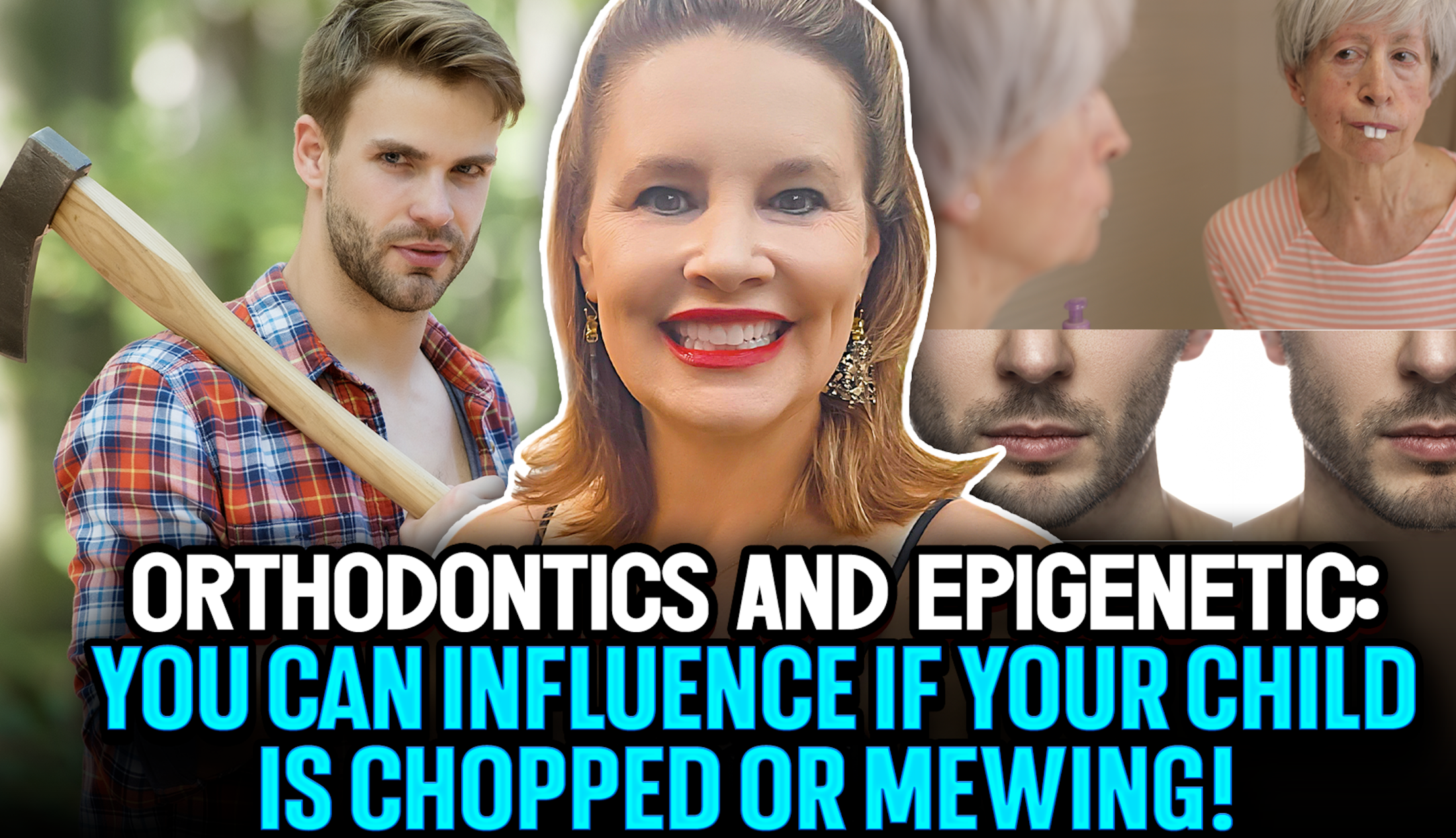 Shaping the Face: Epigenetics, Nasal Breathing, and Long-Term RetentionOur faces are not entirely set in stone by our genetic code. While DNA provides the blueprint, the field of epigenetics proves that environmental factors actively influence how our physical features develop. For children especially, facial growth, jaw structure, and airway health are heavily swayed by daily habits. Understanding these mechanisms allows parents to positively impact their child’s physical development from infancy.The Power of Nasal Breathing and BreastfeedingThe foundation of ideal facial structure starts at birth. Encouraging consistent nasal breathing from day one is one of the most critical interventions for proper development. Breathing through the nose keeps the tongue resting against the roof of the mouth, which naturally widens the upper jaw and accommodates growing teeth.Similarly, breastfeeding acts as natural myofunctional therapy. The physical effort required to nurse strengthens a baby’s jaw muscles and promotes forward facial growth. When modern lifestyles or busy schedules make extended breastfeeding difficult, incorporating targeted myofunctional tracking can help ensure the airway and jaw develop correctly.Rethinking Long-Term Bonded RetainersOrthodontic philosophy is also shifting when it comes to maintaining straight teeth. While bonded retainers are widely used to prevent relapse, many practitioners hesitate to recommend them for long-term use. Emerging perspectives from holistic health fields raise concerns about how permanently anchoring teeth affects the cranial base, spine, and overall posture.Nasal breathing widens the upper jaw and dental arch. Breastfeeding promotes forward jaw alignment. Temporary retention allows natural bone and cranial settling. Permanent retainers may limit natural cranial movement.Rather than locking the teeth into a fixed position indefinitely, a more flexible approach utilizes retainers temporarily to allow the bite to naturally settle. Over-reliance on permanent hardware can sometimes fight against the body’s natural alignment.A Holistic Framework for Oral HealthWe do not live in a biological vacuum; our environment constantly reshapes us. By prioritizing nasal breathing, monitoring myofunctional habits, and questioning continuous orthodontic intervention, we can foster better structural health. Embracing these environmental adjustments gives your child the best path toward a healthy airway and a naturally balanced face.
Elevating Orthodontic Care: The Power of the Social Photo
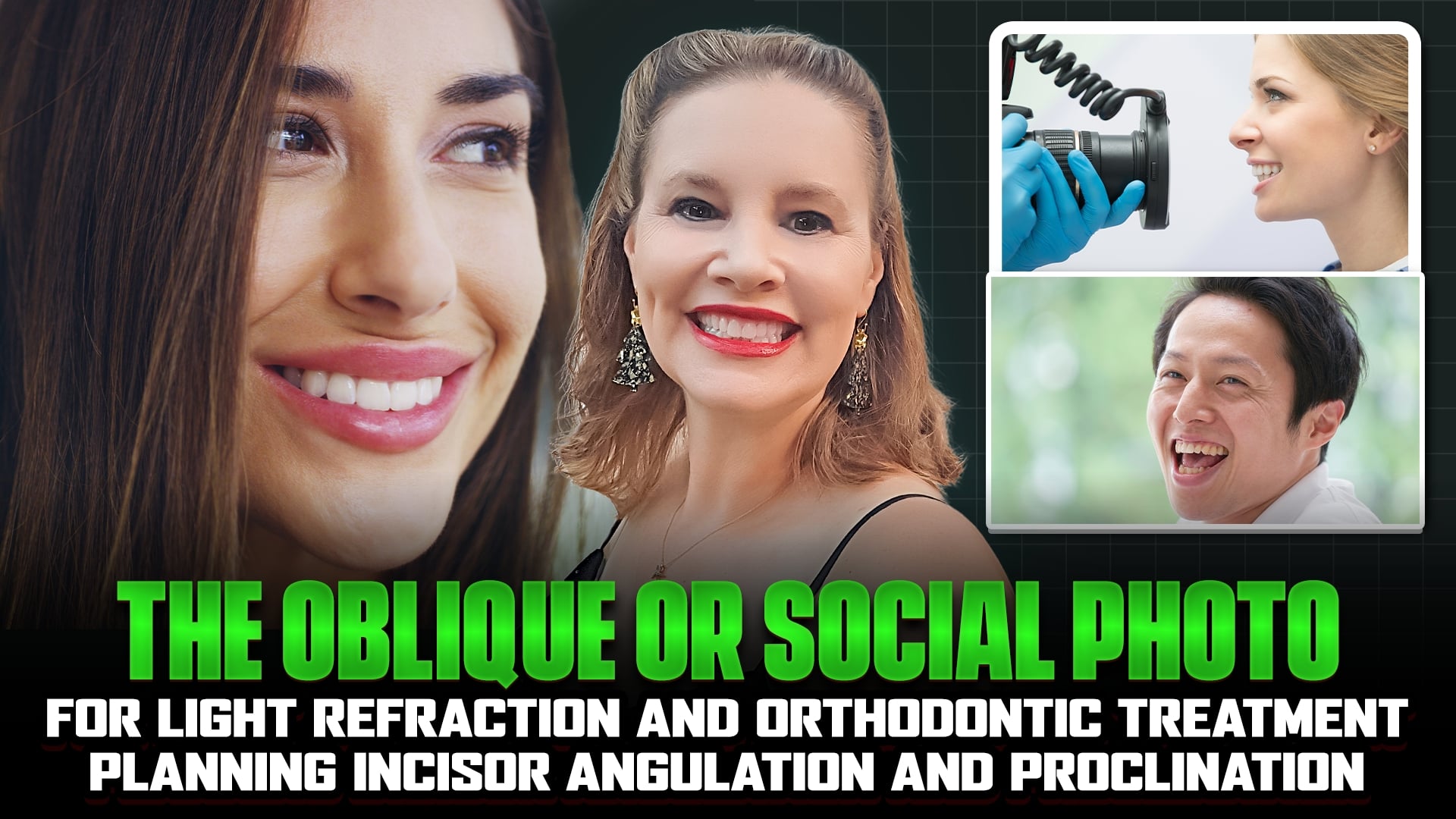 Elevating Orthodontic Care: The Power of the Social PhotoIn modern orthodontics, capturing the perfect smile requires looking beyond traditional dental angles. While standard front and side views offer essential structural data, they often miss how a smile functions in real-world interactions. This is where the oblique, or “social,” photo becomes an indispensable tool for your practice. Taken at a 45-degree angle, this view bridges the gap between clinical diagnostics and patient-centered cosmetic outcomes.Why the Social Photo MattersThe social photo captures the smile as the world actually sees it. When patients converse or laugh, people rarely view them dead-on or in profile. This angled perspective provides critical insights that standard records miss:Light Refraction: It reveals how light interacts with the tooth surface, highlighting natural contours and imperfections.Proclination Assessment: You can better evaluate the forward tilt of the anterior teeth.Anatomical Thickness: It helps gauge the actual thickness of the enamel and structure, which heavily influences the final aesthetic result.Enhancing Patient CommunicationIntegrating the social photo into your records changes how you present treatment plans. Patients often struggle to understand complex x-rays or standard intraoral photos. However, they instantly recognize their own smile from a social angle. Showing this view fosters a deeper, more collaborative relationship, as patients can clearly visualize the cosmetic improvements you propose.A Modern Approach to Practice GrowthEmbracing this technique allows general practitioners to think outside the box. Incorporating cosmetic, day-spa-inspired visual tools elevates the standard patient experience. It shifts the perception of orthodontics from a rigid medical procedure to a personalized aesthetic journey. By updating your photography protocols to include the oblique view, you enhance your diagnostic precision while setting your practice apart in a competitive market.
Why the Orthodontic Profession is Going Extinct
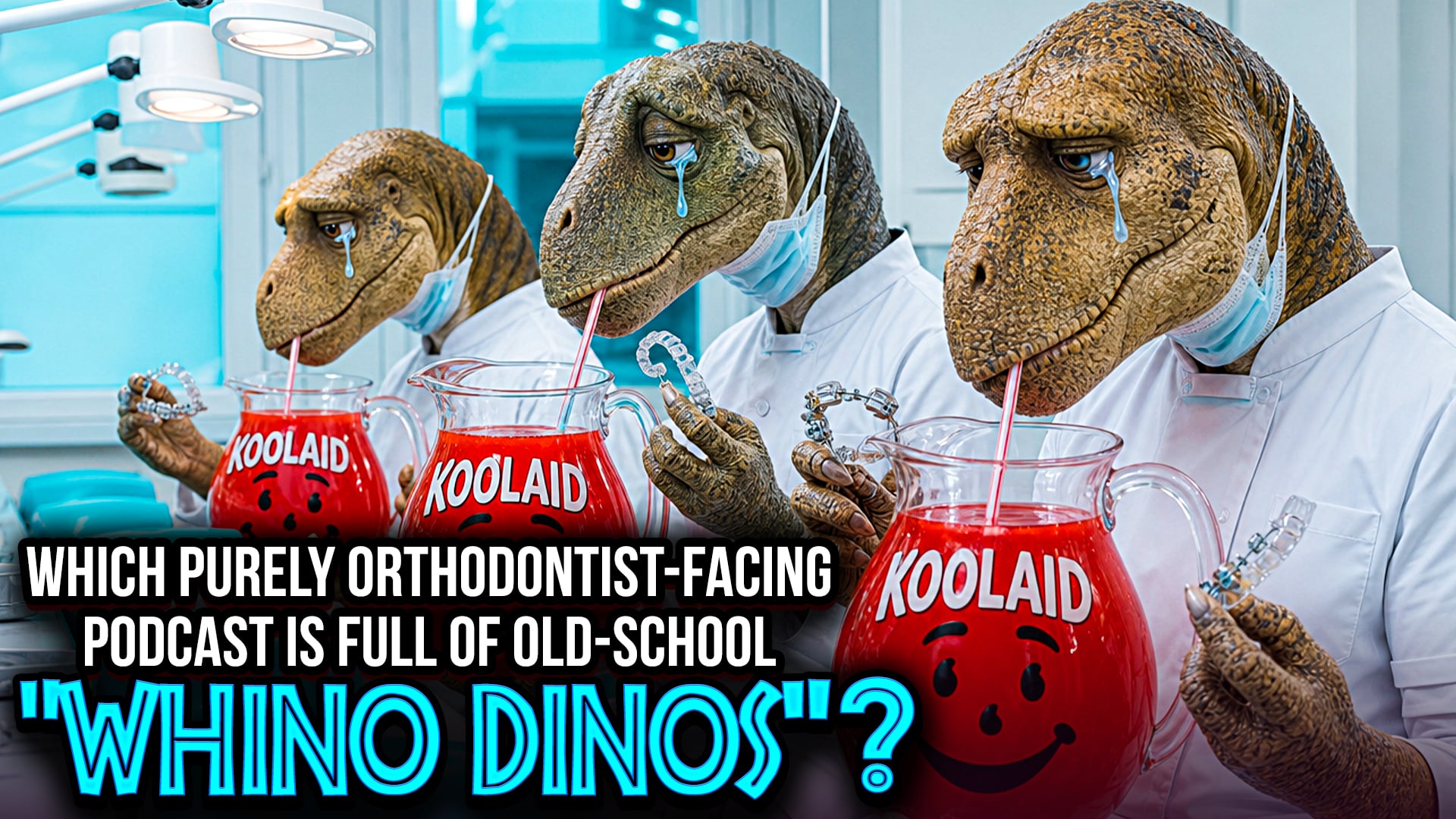 Why the Orthodontic Profession is Going ExtinctHey everyone! Today, we need to have a serious, unfiltered reality check about the orthodontic profession. To put it bluntly: traditional orthodontics is going extinct. The old-school ways of practicing are completely outdated, and if doctors don’t adapt quickly, the entire profession is toast.The Rise of the Wino DinosThere is a massive wave of “wino dino” orthodontists out there right now. These are old-school practitioners burying their own profession by whining about industry changes instead of evolving. They stubbornly ignore critical modern trends—like airway-aware dentistry and phase one interceptive care—just because they claim there isn’t enough double-blind research yet. But a lack of research doesn’t mean a trend isn’t real or beneficial; it just means the industry is too slow or too stubborn to fund the studies.A Broken SystemThe standard American insurance-based model simply does not work for modern, comprehensive airway care. Pediatric dentists and aggressive venture capitalists are already preparing to completely take over the interceptive orthodontic space. If traditional orthodontists continue to refuse to adapt, the corporate world will happily step in and finish the job.A Call for ChangeWe can no longer sleep well at night knowing what we know about the systemic health connections to dental development, yet choosing to do things the old way anyway. The industry needs a massive structural shift so that practitioners can be compensated fairly while still providing accessible, right-fit care to the children who need it most. It is time to stop complaining, drop the outdated dino mindset, and fix the system from the inside out.
Navigating “Free” Dental Implant and Braces Trials: Real Deal or Social Media Scam?
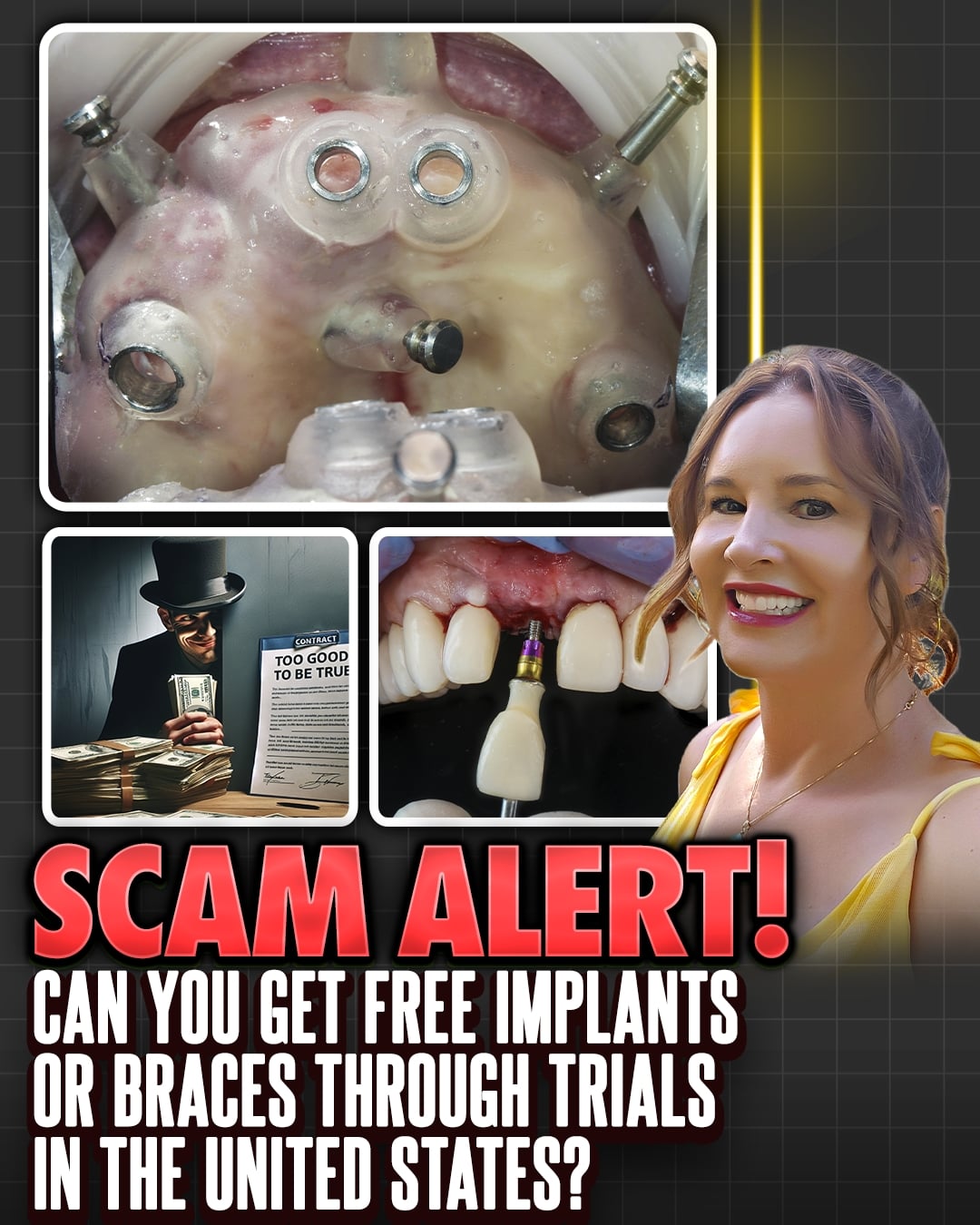 Navigating “Free” Dental Implant and Braces Trials: Real Deal or Social Media Scam?Social media feeds are flooded with enticing advertisements promising “free dental implant trials” or “no-cost braces”. For anyone struggling with the high costs of dental care, these offers look like a lifeline. However, according to Dr. Amanda from Straight Smile Solutions, the vast majority of these online advertisements are deceptive scams designed to exploit desperate patients. Understanding how legitimate clinical trials operate can protect you from predatory marketing tactics.Red Flags of a Dental Trial ScamFraudulent dental offers rely on specific deceptive strategies to pull you in:The Lead Generation Trap: You click an ad for a “free trial” and fill out a questionnaire. Soon after, a telemarketer calls to inform you that you “didn’t qualify”. They then pressure you into high-interest financing or expensive loans for a local, paid clinic.The Ghost Practice: Scams often claim to be “local clinical research facilities” but refuse to name the licensed dentist, provide a physical clinic address, or state a sponsoring university.Bait-and-Switch Pricing: An ad might claim the implant hardware itself is free. However, they hide massive mandatory fees for essential supporting procedures, such as bone grafts, extractions, and advanced imaging.Urgent Grant Language: Ads promising “instant grant approval” or telling you to “claim a spot before time runs out” are highly suspect.How Real Clinical Trials WorkLegitimate medical and dental clinical trials operate under strict ethical and scientific boundaries. They generally do not advertise aggressively on mainstream social media feeds. Instead, candidates are recruited directly through hospitals, university dental schools, or established doctor networks.Furthermore, real trials do not offer “instant approval”. Candidates are selected purely on objective, rigid medical criteria to test if a brand-new material or technique is safe. Because standard dental implants and braces have been safely used for decades, legitimate trials for them are exceptionally rare today.Protecting Your Health and WalletWhen seeking major dental work, always get a second or third opinion from a licensed professional. Insist on a comprehensive pricing breakdown that covers the entire treatment plan from start to finish. When done correctly by a qualified doctor, quality dental implants can last a lifetime; however, falling for low-quality or “junky” dental schemes can cause severe, long-term health headaches.Disclaimer: This content is for general informational purposes only and does not constitute dental, medical, or professional health care advice. Always consult with a licensed dentist or orthodontist regarding your specific oral health needs.
How to order this LM Biotrainer Activator from Planmeca in the 🇺🇸
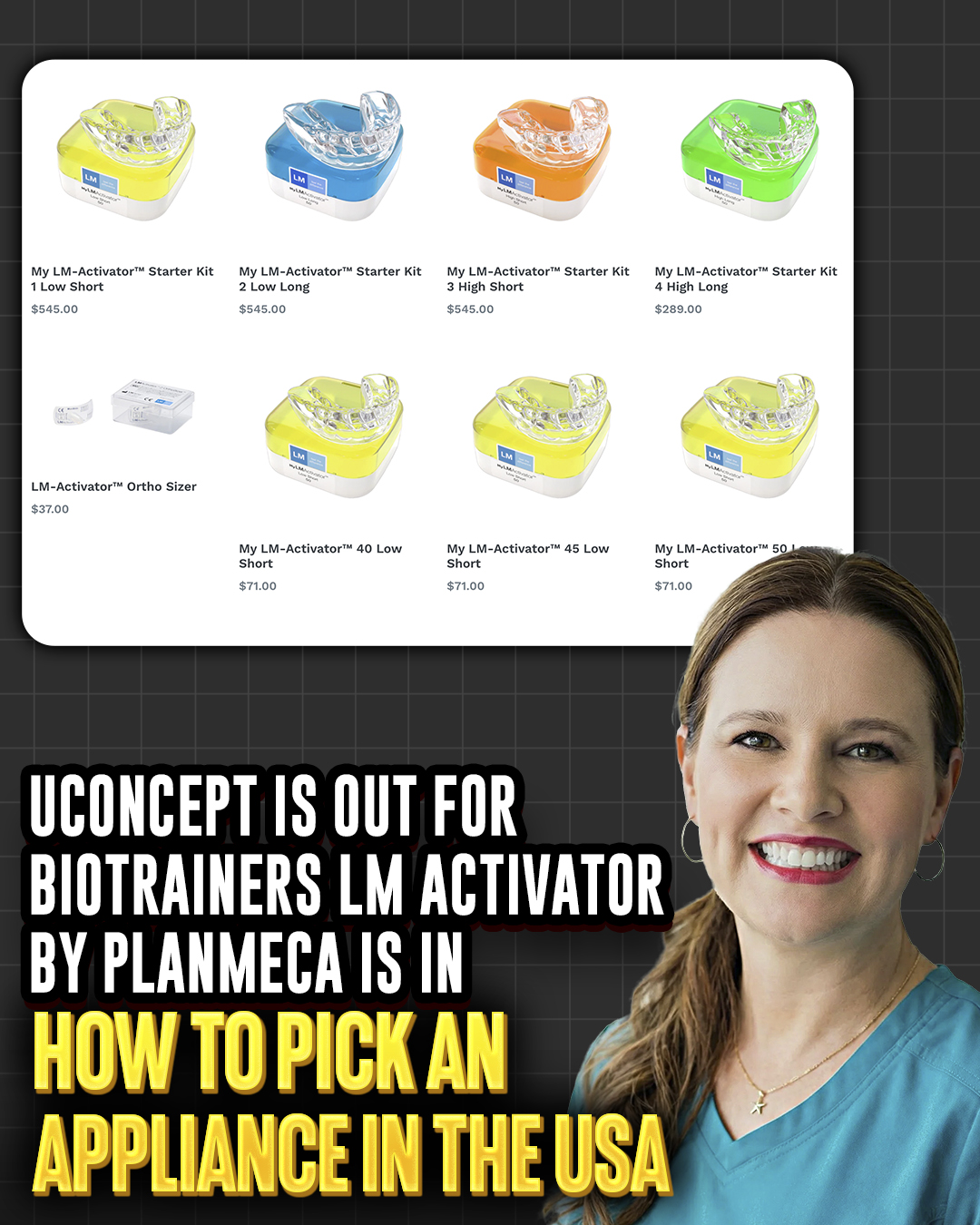 How to Order an LM Activator BioTrainer in the USA for Airway and Myo – Early Interceptive Ortho
I. Introduction
Dr. Amanda from StraightSmile Solutions introduces the LM Activator, a European bio‑trainer now available in the US.
She is familiar with other systems (Healthy Start, MRC, Myobrace, U Concept) but emphasizes there is no single “right way” – use what works for your practice.
She has not used the LM Activator personally but has researched it thoroughly, including European CE courses.
II. Where to Order in the US
US doctors must order from Salish Medical and Dental Supply (Montana‑based distributor).
Website: https://smdsupply.com/– navigate to the LM Activator product page.
Orders are processed within 2 business days, shipped via UPS Ground (1‑4 business days delivery). USPS is used occasionally.
Customer receives email tracking.
III. Pricing and Ordering Process
Cost per appliance: $71
Shipping: $15 flat fee (may increase seasonally)
No special course or buy‑in required – add to cart and check out.
For uncertain sizing, Dr. Amanda recommends buying both likely sizes and trying them in person (appliances cannot be sterilized, so no patient‑to‑patient reuse).
IV. Sizing and Selection Features
Unlike many competitors that use only age, LM offers narrow and wide options within each size, allowing a two‑step width progression.
Short vs Long: Short = only first molars erupted; Long = second molars are in.
Low vs High angle: Low angle (short face) and High angle (long face) – matches the patient’s vertical facial pattern.
For crowding, choose a larger/wider size; for spacing, choose a smaller/more constricted size.
Stages: Primary dentition (Stage 1), mixed dentition (Stage 2 and 3).
V. Trainers vs Activators
Trainers focus on myofunctional therapy (tongue posture, habits, nasal breathing).
Activators focus on orthodontic alignment after myo issues are controlled.
Start with a trainer, then progress to an activator.
VI. Additional Features
Reinforcement – metal insert in the incisor area to aid intrusion.
Optimized lingual channel – creates tongue space, reduces gag reflex.
Lightweight, less bulky design with lower cheek irritation.
Made of BPA‑free silicone; manufacturer claims boiling water disinfection is safe (unlike Healthy Start – verify).
VII. Clinical Philosophy
Dr. Amanda advocates “medicalization” of early orthodontics for ages 2‑5 – focusing on airway, habits, and myofunctional coaching, not insurance‑driven treatment.
The $71 price is low‑risk. Widespread early use could greatly reduce the need for major orthodontics later.
Free webinars and resources are available; no prerequisite courses.
VIII. The Bottom Line
The LM Activator is an affordable, customizable bio‑trainer easily ordered in the US.
Its sizing logic (narrow/wide, short/long, low/high) is intuitive and more granular than many competitors.
Ideal for young children to encourage nasal breathing and proper tongue posture.
Dr. Amanda would standardize its use if she restarted her practice.
Botched Aligner Expansion & Schwarz Cases: How to Fix Tipped Teeth Due to Poor Compliance
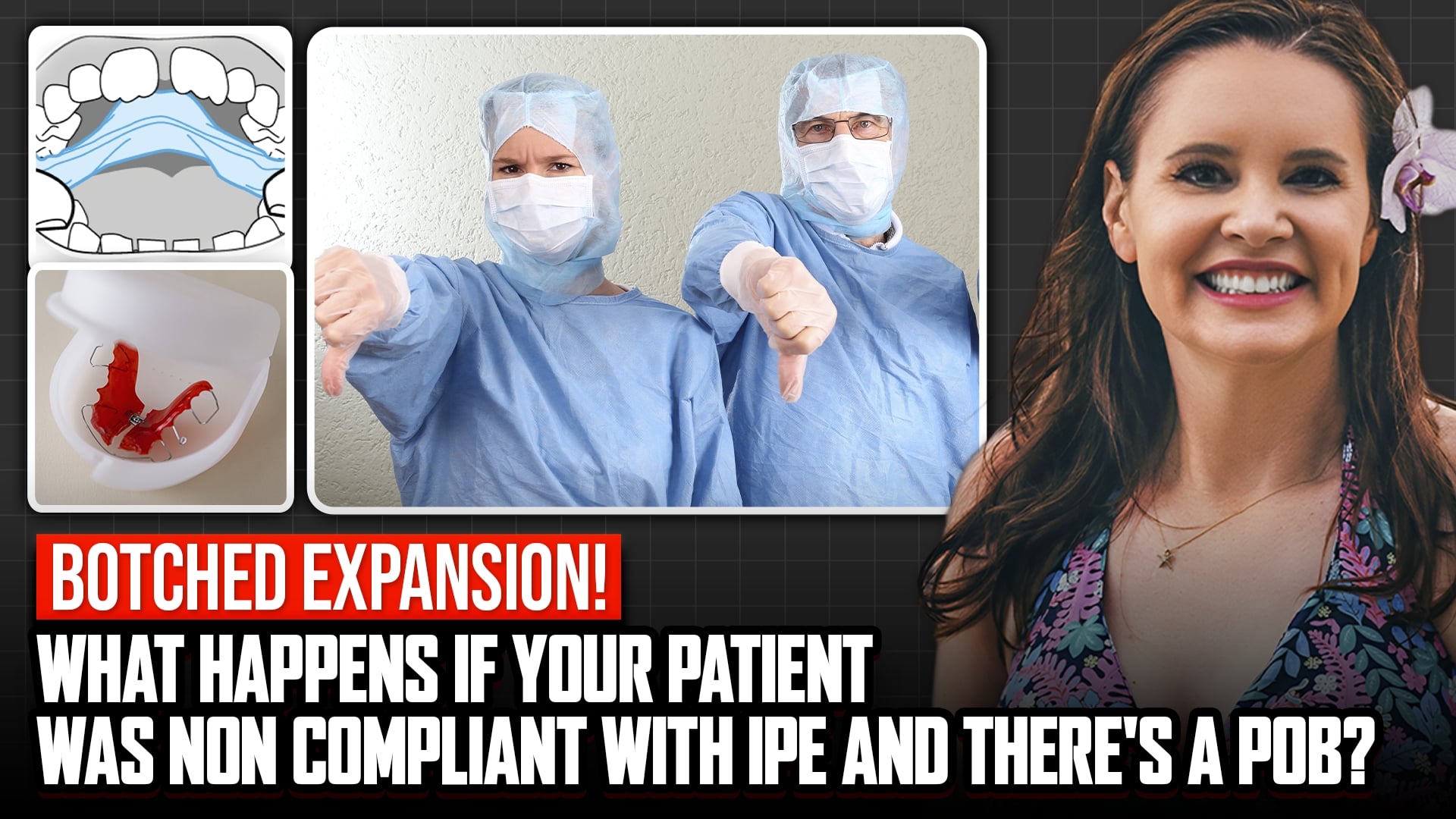
- Tipped Teeth: Instead of true skeletal expansion, the teeth simply flare or tip buccally.
- Poor Appliance Fit: The palate section of the appliance begins to hang down or no longer sits flush.
- Missing Tactile Response: The appliance stops clicking securely into place.
- Zero Suture Opening: An X-ray will reveal that the palatal suture has failed to open.
3rd Molars & Orthodontics: Why Preventive Extraction is Your Best Risk Management Strategy
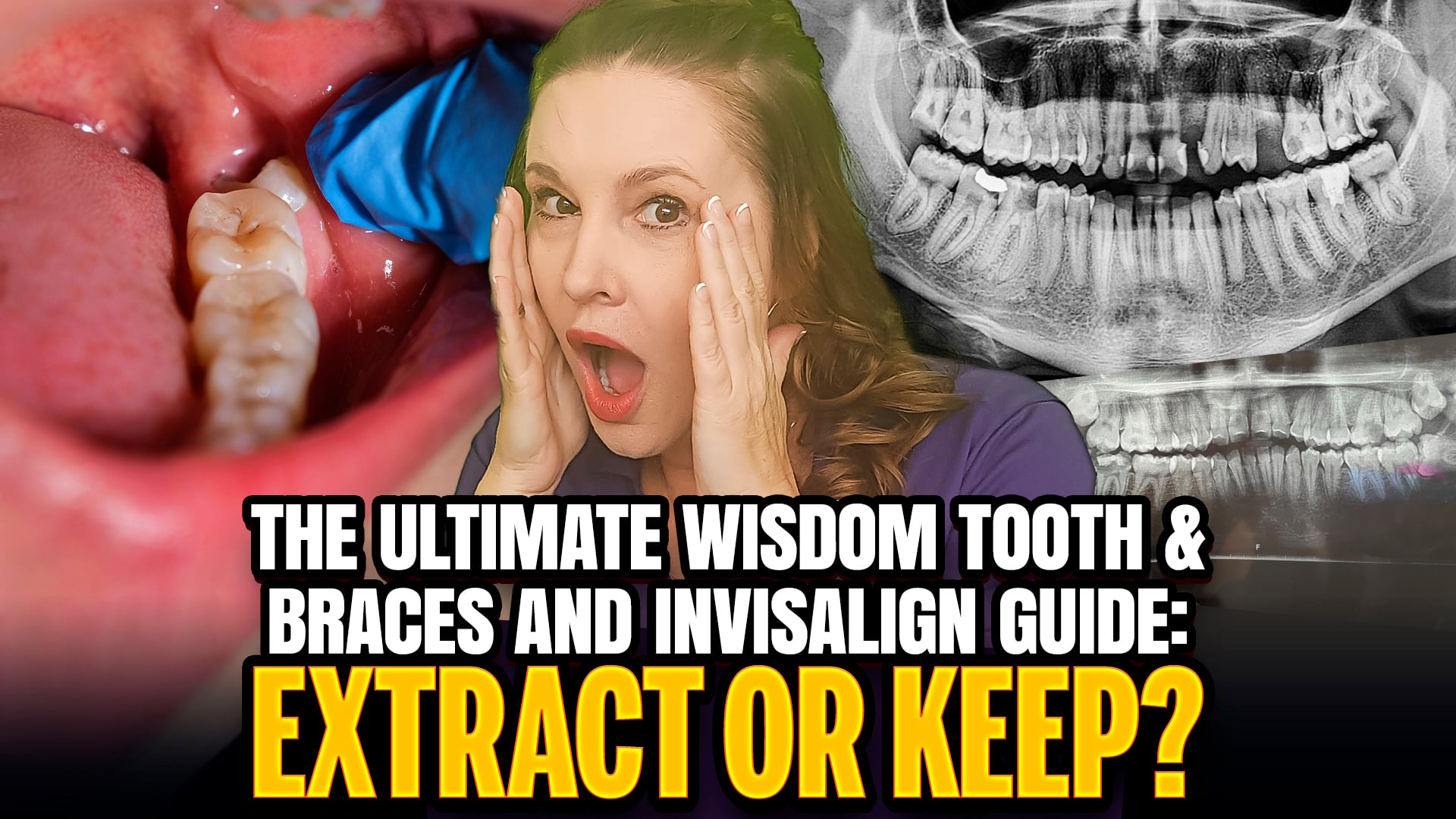 As general and pediatric practitioners diving into orthodontics, navigating third molars can feel like walking through a liability minefield. When mapping out a braces or Invisalign case, patients often ask, “Do my wisdom teeth really need to come out?”. While international protocols vary, a preventive extraction approach in the United States remains a highly reliable way to protect your orthodontic outcomes.Leaving impacted or partially erupted third molars in place introduces unnecessary chaos into a treatment plan. Here is why taking a firm, proactive stance on wisdom teeth is the smartest move for your dental practice.The CBCT Standard of CareThe clinical standard has evolved. You cannot accurately evaluate the risks of moving adjacent teeth—such as second molars—without a Cone Beam Computed Tomography (CBCT) scan. If a patient declines a CBCT or refuses an oral surgery referral to assess impactions, you are forced into a compromised, locked-back treatment plan. This severely limits your orthodontic predictability and outcome.Eliminating Technical and Financial HeadachesRetaining third molars complicates execution from day one:Scanning Difficulties: Capturing fully erupted wisdom teeth in a digital impression is a nightmare for your assistants. Incomplete scans lead to poorly fitting aligners.Informed Consent Burdens: If you proceed without extractions, your chart documentation, liability waivers, and risk management paperwork must be absolutely bulletproof.The “Mid-Treatment Mid-Course Correction”: Delaying extractions until “later” frequently causes mid-treatment infections, swelling, or tracking issues. When a case stalls due to third molar pain, patients rarely blame their teeth—they blame you and ask for refunds.Your Best Practice ProtocolUnless the third molars are fully erupted, in perfect occlusion, and completely accessible for the scanner, the cleanest path forward is removal before bonding or tracking.Yes, scheduling oral surgery might delay your orthodontic start by a few weeks. However, it completely eliminates liability, speeds up your overall treatment time, and delivers a highly predictable clinical outcome. Be firm with your boundaries, clear in your documentation, and set your cases up for success from the very first scan.
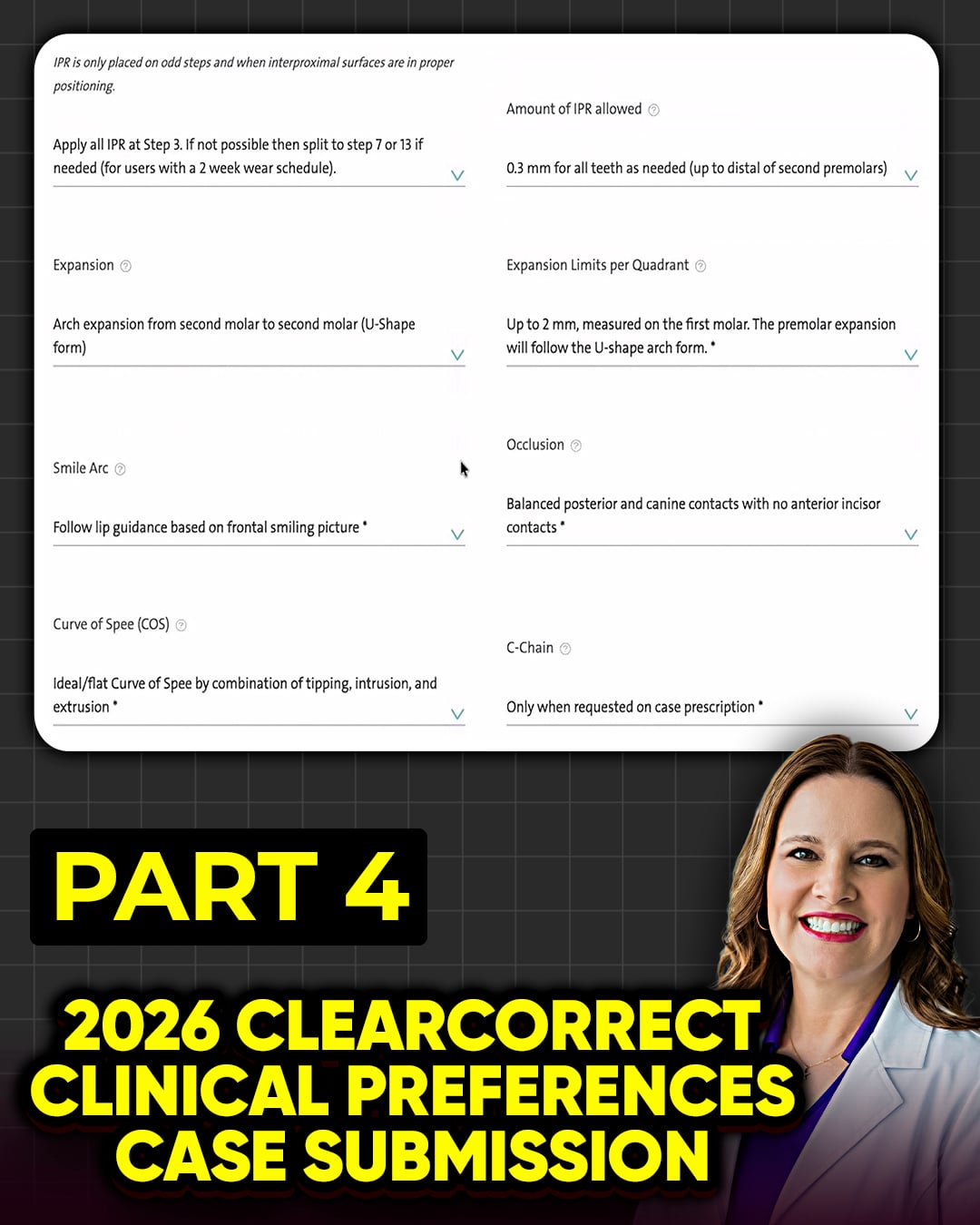
ClearCorrect Part 4: Occlusion, Curve of Spee, & C-Chains