
I. Introduction
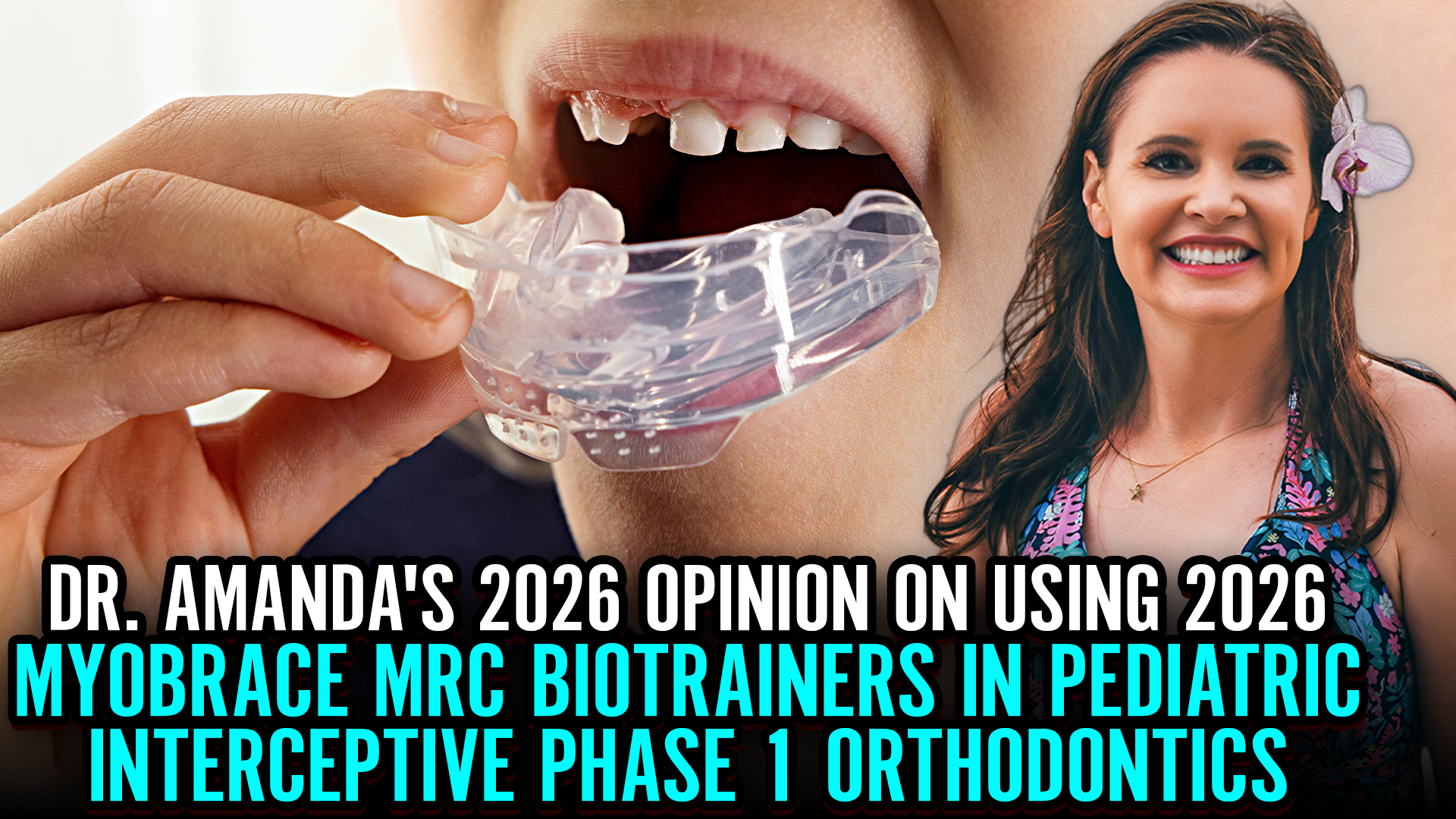
- Dr. Amanda from StraightSmile Solutions addresses the ongoing question about Myobrace/MRC appliances for early Phase 1 treatment.
- Despite years of outreach, MRC has been consistently uncooperative, refusing even a free audit of their courses.
- So, she cannot recommend specific MRC products. But she can share what she knows about pre-orthodontic trainers in general.
II. The Company Problem
- MRC has been “extraordinarily rude” for over a decade at conferences, via email, even when she offered to visit Australia on her own dime.
- Other companies (Healthy Start/Ortho-Tain) she knows well but can’t discuss due to pre-COVID litigation.
- Her point: If a company won’t educate a willing orthodontist with 24 years of experience, something’s off.
III. When Trainers Actually Work
- Bio-trainers can work—but only with:
- The right patient
- The right parent
- The right doctor
- The right product
- Best candidates: Neurodivergent and special needs patients (including spectrum) who happily wear them while gaming.
- Must start EARLY, age 2 or 3, before baby teeth fall out.
- Must address habits, myofunction, airway, posture, and nasal breathing simultaneously.
IV. The Reality Check
- These are marathons. You won’t see major changes in 6 months, 1 year, or even 3 years.
- They deliver IMPROVEMENT, not PERFECTION.
- American parents want perfection. When the trainer series ends, and teeth aren’t straight, who pays for braces or Invisalign to finish?
- You need an “out clause” in your treatment plan, with clear terms for switching modalities.
V. The Compliance Litmus Test
- Smart doctors use trainers as compliance indicators, not profit centers.
- Start at age 3-6, pre-ortho. Charge a minor cash fee or even give it.
- See if the child can wear an oral appliance consistently.
- If they pass this test, they’re likely compliant for Phase 1.
- Dr. Amanda chats with the patient alone if they buy in, compliance follows.
VI. Financial Caveats
- You will never profit using only trainers. Impossible.
- Companies make money on expensive certification courses, not the appliances themselves.
- Lab fees are low ($50-$150), but the upfront course cost is where they get you.
- Dr. Amanda just wanted to take the course. They wouldn’t let her.
VII. Conclusion
- Trainers have a place as early intervention, as compliance tests, and as gentle starts.
- But they require the right family, realistic expectations, and a clear finish-line plan.
- MRC may never let Dr. Amanda in the door, but her advice stands: Use trainers wisely, document everything, and know when to pivot to traditional orthodontics.