
I. Introduction
Dr. Amanda from StraightSmile Solutions addresses an emerging concern: GLP-1 medications and their impact on orthodontic treatment.
With 10% of Americans on or recently on these drugs, dentists need to understand the implications.
This isn’t anti-GLP-1, she’s a fan and user herself. But ignorance isn’t an option.
II. The GLP-1 Phenomenon
These drugs are “obnoxiously accessible” and changing patient physiology at scale.
They alter the gut, the oral biome, and daily eating patterns.
Patients save money on food and Starbucks, but their oral environment shifts dramatically.
III. The Oral Health Connection
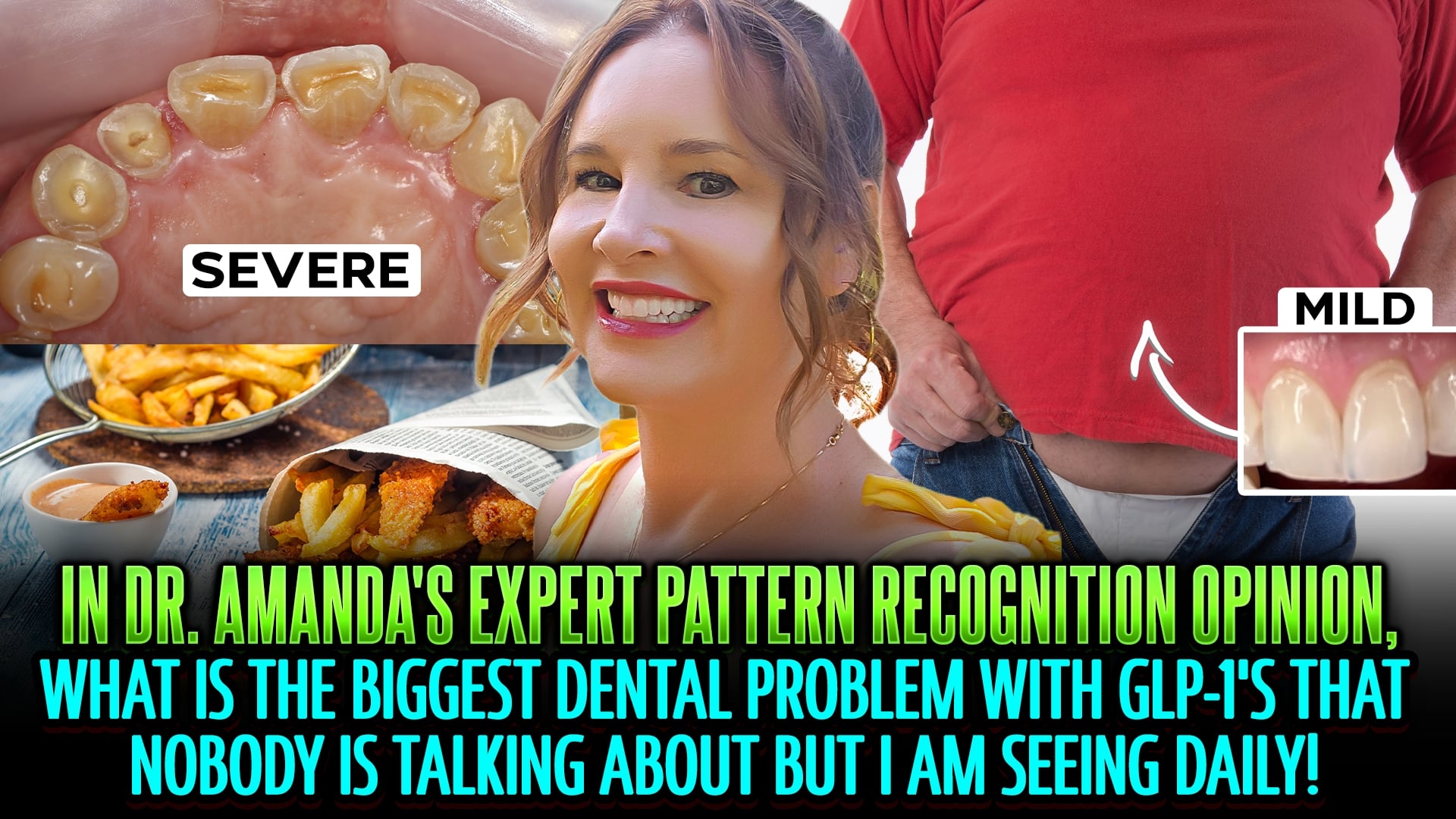
GLP-1s can make saliva more acidic consistently, not just occasionally.
Acidic saliva bathing teeth 24/7 creates erosion risks.
Unlike bulimia (lingual-only erosion), GLP-1 erosion can appear anywhere.
It’s subtle. You might not see it in photos. You have to look.
IV. The Aligner Problem
Now imagine aligner trays sitting in that acidic saliva all day and night.
Trays trap acid against teeth, accelerating erosion, especially on incisors.
Dr. Amanda is seeing this pattern repeatedly: cases that start fine, then suddenly develop unexplained erosion months in.
Question these patients: “Are you on GLP-1s?” The answer is increasingly yes.
V. Clinical Signs to Watch
Erosion that appears mid-treatment without an obvious cause
Lingual and facial surfaces are both affected
Progressive demineralization despite good hygiene
Patients may not volunteer GLP-1 use; you have to ask
VI. Monitoring Protocol
The doctor must personally check each patient at every visit.
Don’t delegate aligner check-ins entirely to assistants.
Sixty seconds: check fit, check tracking, check TEETH.
Look for erosion. Feel for texture changes. Document everything.
VII. The Bottom Line
GLP-1s aren’t going away. They’re becoming standard of care for weight management.
Orthodontic treatment on these patients requires heightened vigilance.
Acidic saliva + aligners = accelerated erosion risk.
Ask the question. Monitor closely. Document findings.
And yes, patients can still have treatment, but you need to know what you’re dealing with.