StraightSmile Solutions®
The Dangers of “Expand and Pray”: Safe Workarounds for Clear Aligner Cases Without CBCT
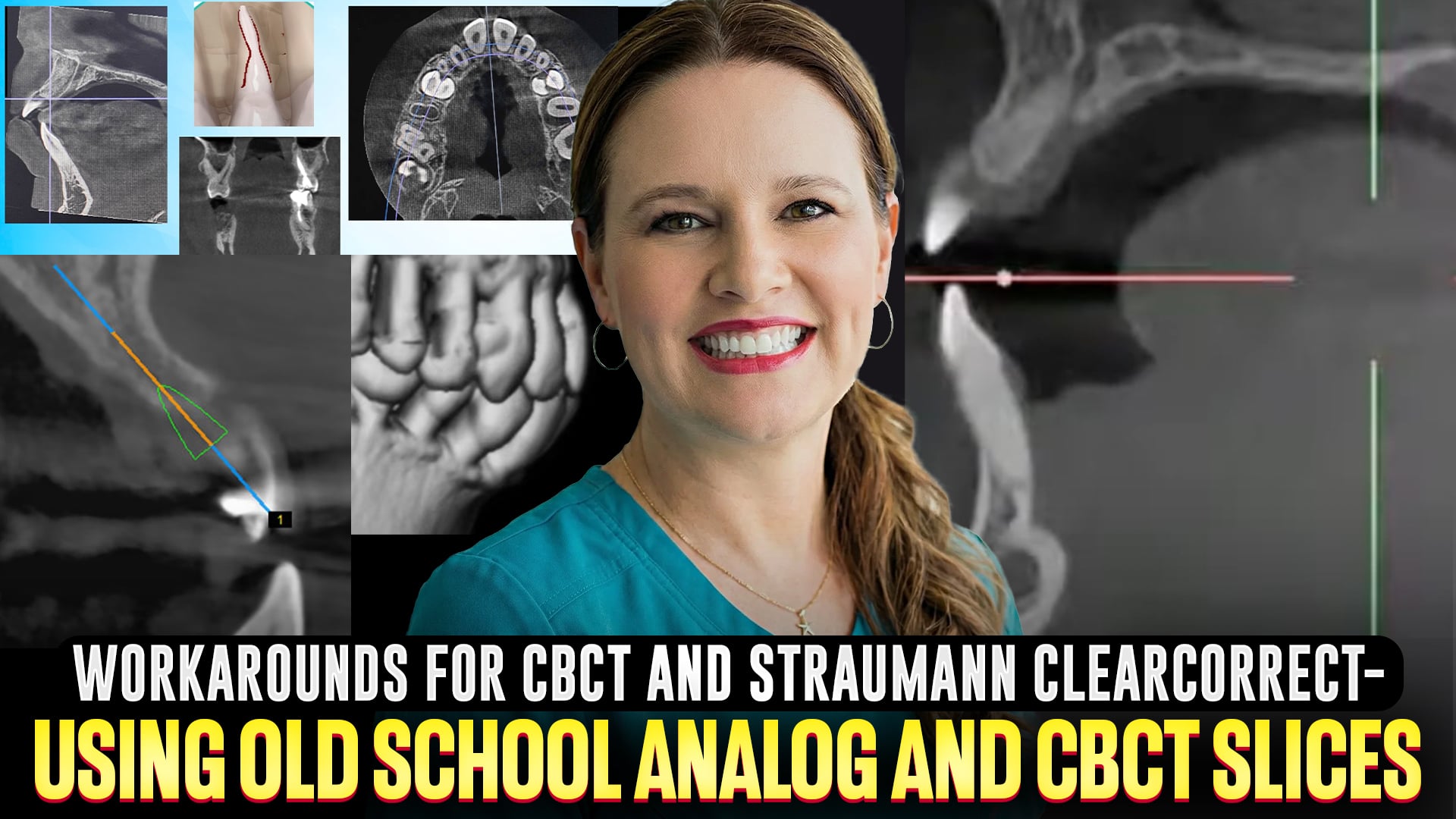 The Dangers of “Expand and Pray”: Safe Workarounds for Clear Aligner Cases Without CBCTIn modern orthodontics, digital treatment planning tools can sometimes create a false sense of security. It is easy to look at a clean digital setup on a screen and assume the teeth will move perfectly into place. However, without the proper diagnostic imaging, you might blindly push teeth entirely through the cortical plates. In the dental community, this high-risk approach is known as the “expand and pray” workflow—and it is a recipe for permanent periodontal damage.The New Standard of CareIntegrating Cone Beam Computed Tomography (CBCT) into clear aligner planning has rapidly become the modern standard of care. Software that maps the roots against actual bone structure prevents catastrophic root perforations and dehiscence.Unfortunately, not all aligner systems offer seamless CBCT integration. When treating patients using these platforms, handing over a full box of 10 to 20 aligners without close monitoring creates immense liability. If a patient experiences severe bone loss or tissue sloughing, the responsibility falls squarely on the provider.Old-School Analog Solutions for Safer TrackingIf your clinic lacks CBCT functionality for certain aligner cases, you must switch from a “set it and forget it” mentality to proactive, old-school analog workarounds:The Palpation Technique (“Washboard Roots”): You must physically monitor the patient’s dental ridges at every single visit. Use your fingers to feel for root protrusions or a distinct “washboard” texture along the bone. If you detect washboarding, immediately halt expansion, tuck the teeth back into a safe digital envelope, and submit a refinement. This requires strictly seeing the patient every four to five weeks.The IPR-First Safe Plan: Treat the adult cortical plates like a solid brick wall. If the patient has severe crowding, do not attempt to expand or procline the arches blindly. Instead, play it safe by keeping the teeth within their existing skeletal boundaries and using Interproximal Reduction (IPR) or strategic extractions to create space.Slowing Down the Velocity: Standard software staging can sometimes move teeth too quickly for compromised bone. Consider slowing the movement velocity down by 2.5x to 3x the standard rate. Keeping patients on a strict seven-day wear cycle with much smaller fractional movements per tray provides a safer, more comfortable biological response.Ultimately, clinical common sense must override software defaults. By carefully selecting your cases and using your physical senses to track tooth movement, you can protect your patients from irreversible bone damage and protect your practice from malpractice risks.🦷 Medical DisclaimerThis blog post is for general educational and informational purposes for licensed dental professionals only. It does not constitute dental, orthodontic, or medical advice, and no doctor-patient relationship is formed. Individual consumers must consult directly with their own licensed dentist or orthodontist regarding any clear aligner treatments.
Cracking the Code: Writing a Letter of Medical Necessity (LMN) That Actually Gets Approved
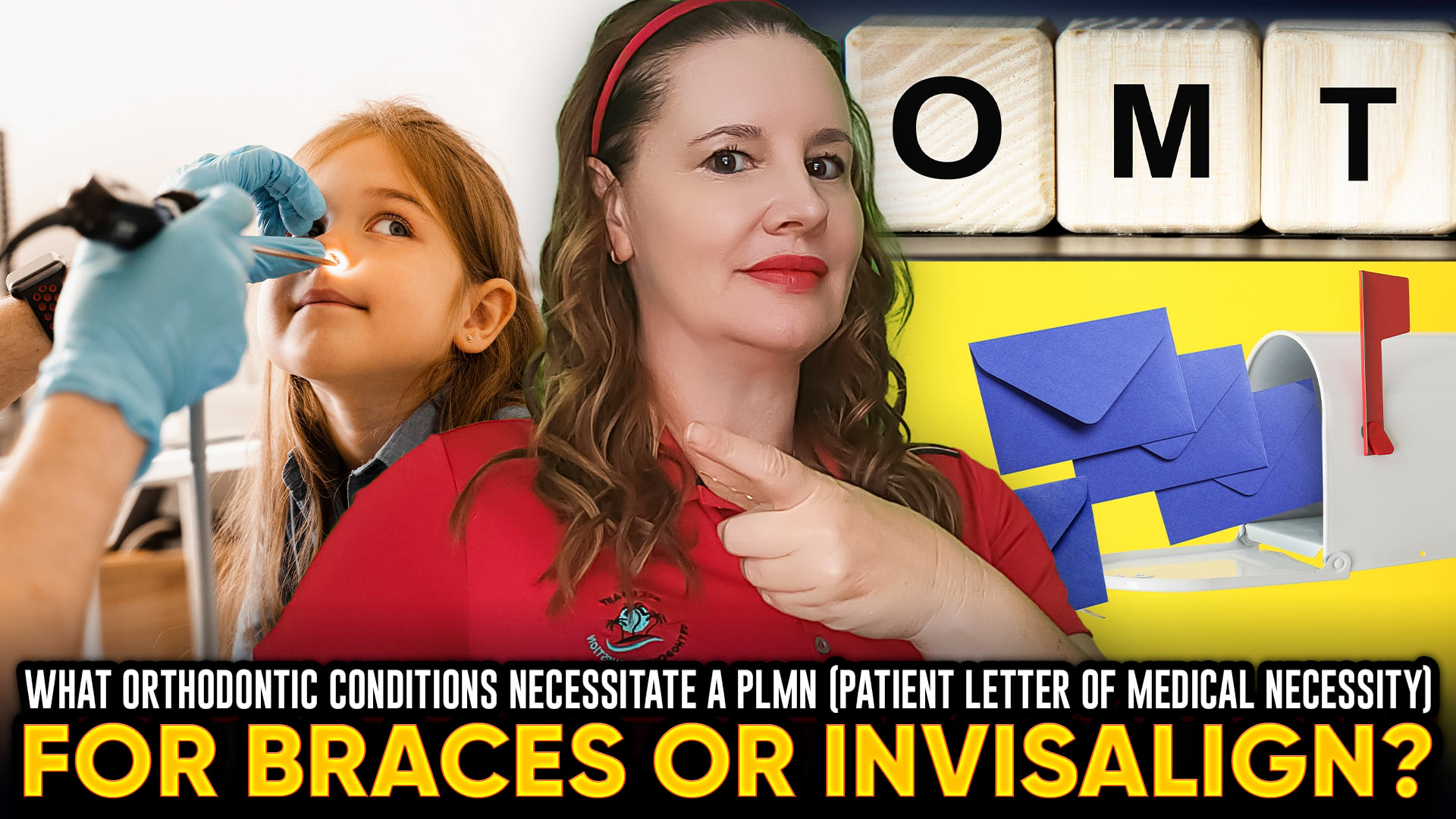 Cracking the Code: Writing a Letter of Medical Necessity (LMN) That Actually Gets ApprovedOrthodontic insurance can be incredibly frustrating. Most plans offer a tiny lifetime maximum, enforce strict age caps, or require patients to have severely botched teeth before paying a single dime.When a patient is denied coverage, a Letter of Medical Necessity (LMN) or Patient Letter of Medical Necessity (PLMN) can act as a magic bullet to overturn the decision. However, a poorly written letter does absolutely nothing. To get an insurance company to pay, you must prove that orthodontic treatment is a functional necessity, not just a cosmetic fix.Here is how dental providers and families can work together to build an undeniable case for insurance approval.1. Shift the Burden of Proof to the ParentsWriting a comprehensive LMN requires extensive clinical and administrative work. Because of this, providers should place the heavy lifting of documentation on the parents.The provider’s job is to write the final medical letter, but the parent’s job is to collect the evidence. Parents must act as the primary advocate for their child to gather the necessary paperwork from outside sources.2. Compile a Comprehensive Paper TrailInsurance companies ignore opinions; they respond to hard data. You need official reports linking the orthodontic issue to the patient’s overall health, development, and lifestyle.An effective packet should include:Advanced Imaging: A Cone Beam Computed Tomography (CBCT) scan read by an Oral and Maxillofacial Radiologist (OMFR) to evaluate the airway and condyles.Specialist Screenings: Evaluation reports from an Orofacial Myofunctional Therapist (OMT) and an Ear, Nose, and Throat (ENT) specialist.School and Behavioral Records: If a small jaw or restricted airway is causing poor sleep, fatigue, or ADHD-like behavior, get letters from teachers, school counselors, or speech-language pathologists (SLPs).Community Statements: Notes from pediatricians, sports coaches, or youth group leaders detailing how the child’s health or behavior is being impacted.3. Speak the Insurance Company’s Language: MoneyTo get an approval, you must prove without a doubt that paying for orthodontics right now will save the insurance company money in the long run.For example, if a child has a severely underdeveloped upper jaw (maxilla), interceptive orthodontics like an expander can correct the growth early on. You must explicitly state that if they refuse to pay for a simple orthodontic appliance now, they will likely be on the hook for a $50,000 to $100,000 jaw surgery once the child stops growing. Framing orthodontics as preventative healthcare is the most effective way to get their attention.4. Know When to Refer to a Dental SchoolIf a private practice does not have the administrative bandwidth to fight insurance companies, the best alternative is to refer the patient to a craniofacial team or an orthodontic residency program at a dental school.University programs handle these complex medical necessity cases constantly. Because their residents need these specific types of cases to earn clinical points for graduation, the schools are highly motivated to get them approved. Furthermore, insurance companies tend to have a higher level of institutional respect for institutional claims originating from a university program, leading to much better approval rates.Medical Disclaimer: This content is for general informational purposes only and does not constitute professional medical or dental advice, diagnosis, or treatment. Always consult with a licensed dentist, orthodontist, or healthcare provider regarding specific medical conditions and insurance claims.
Clinical Optimization: Setting Up ClearCorrect & Straumann Preferences
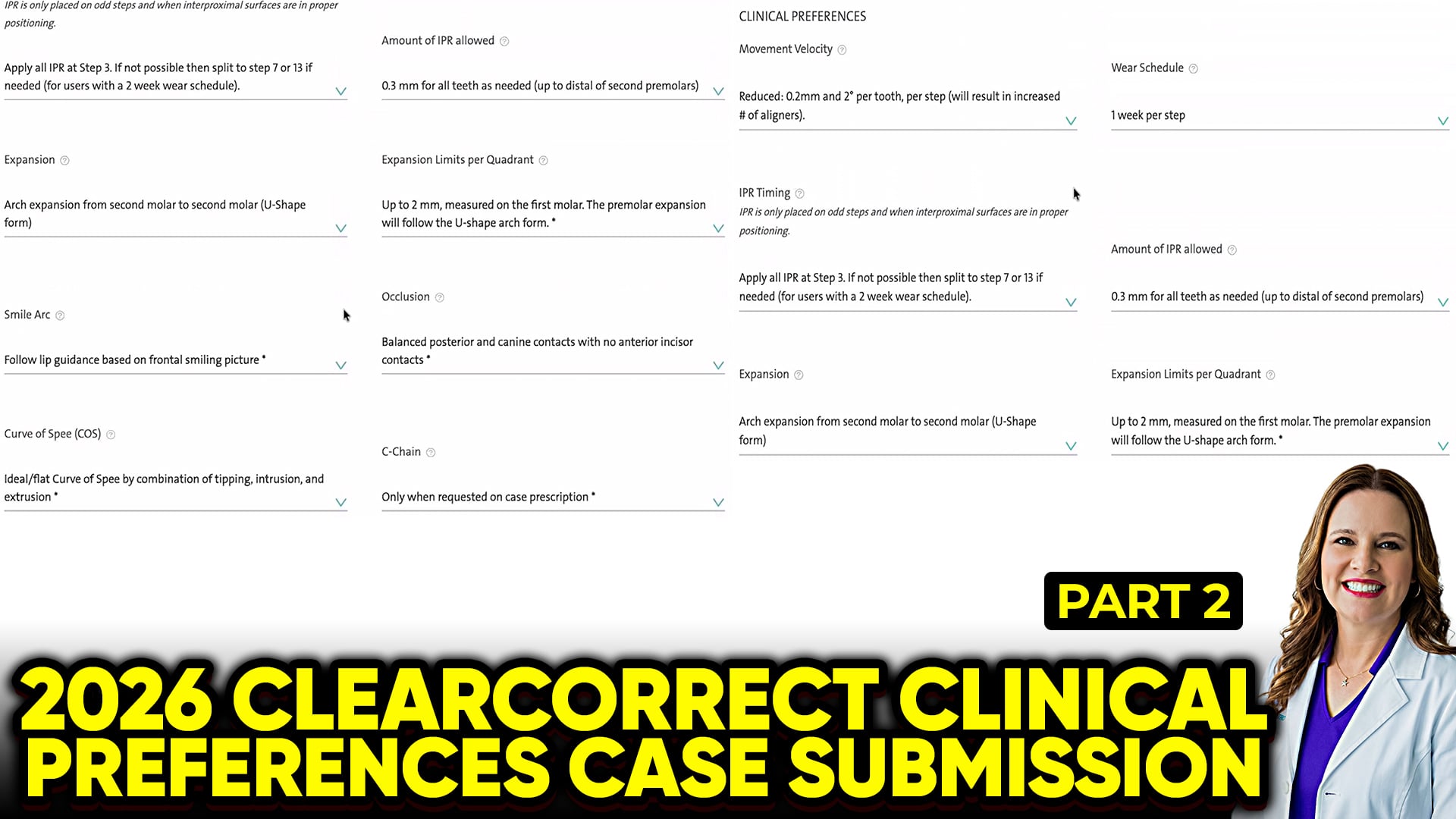 Clinical Optimization: Setting Up ClearCorrect & Straumann PreferencesOptimizing your digital dental workflow saves hours of chair time. ClearCorrect and Straumann offer robust backend settings, but their factory defaults might not match your clinical philosophy. Let’s look at how to fine-tune your ClearCorrect doctor portal preferences for maximum predictability.Why Default Settings Aren’t EnoughFactory presets are designed for broad compliance, not necessarily the most efficient or stable tooth movement. By customizing your setup profile, you instruct the digital technicians exactly how you want your setups engineered from day one. This significantly reduces the need for back-and-forth case revisions.Key Preference Configurations1. Bolton Index Variations & Space ManagementThe default settings often fall short when dealing with tooth size discrepancies.Adult Dentition: Instead of allowing the software to automatically calculate anterior alignment, many clinicians prefer to manually dictate Interproximal Reduction (IPR) to the opposing arch. This gives you absolute control over the final overjet.Pediatric Cases: Standard defaults rarely account for erupting teeth correctly. For mixed dentition, configure your preferences to deliberately leave space distal to the upper laterals or canines. Alternatively, check the option to “use custom instructions” to force manual review for every young patient.2. Smile Arc & Engager ProtocolsPreserving or enhancing a patient’s smile arc is a critical aesthetic outcome.Smile Arc Presets: ClearCorrect’s automated setups generally handle the natural curvature of the smile arc quite well. Leaving this section at the standard platform default is acceptable for the vast majority of cases.Engagers (Attachments): While you can set strict default rules for engager placement, keeping them flexible allows you to strategically place attachments based on specific root movements during individual case reviews.3. Integrated Clinical MonitoringClearCorrect features an in-platform proprietary monitoring app. This allows clinicians to track patient compliance and aligner tracking digitally.While third-party tools like Dental Monitoring remain popular, leveraging the built-in system can streamline your software ecosystem. If you are already paying for the ClearCorrect ecosystem, testing the built-in tracking module on a few low-complexity cases is a smart way to evaluate its efficiency.The Foundation: Looking Back at Part 1Remember that these digital preferences rely heavily on the physical boundaries you set. Your preferences in this portal should always align with your primary clinical foundations, which include:Selecting a high, straight trim line for maximum retention.Reducing movement velocity to 2mm or 2° per step to ensure predictable tracking and fewer mid-course corrections.
Navigating Orthodontic Risks: Generalized Idiopathic Root Resorption (G.I.R.R.)
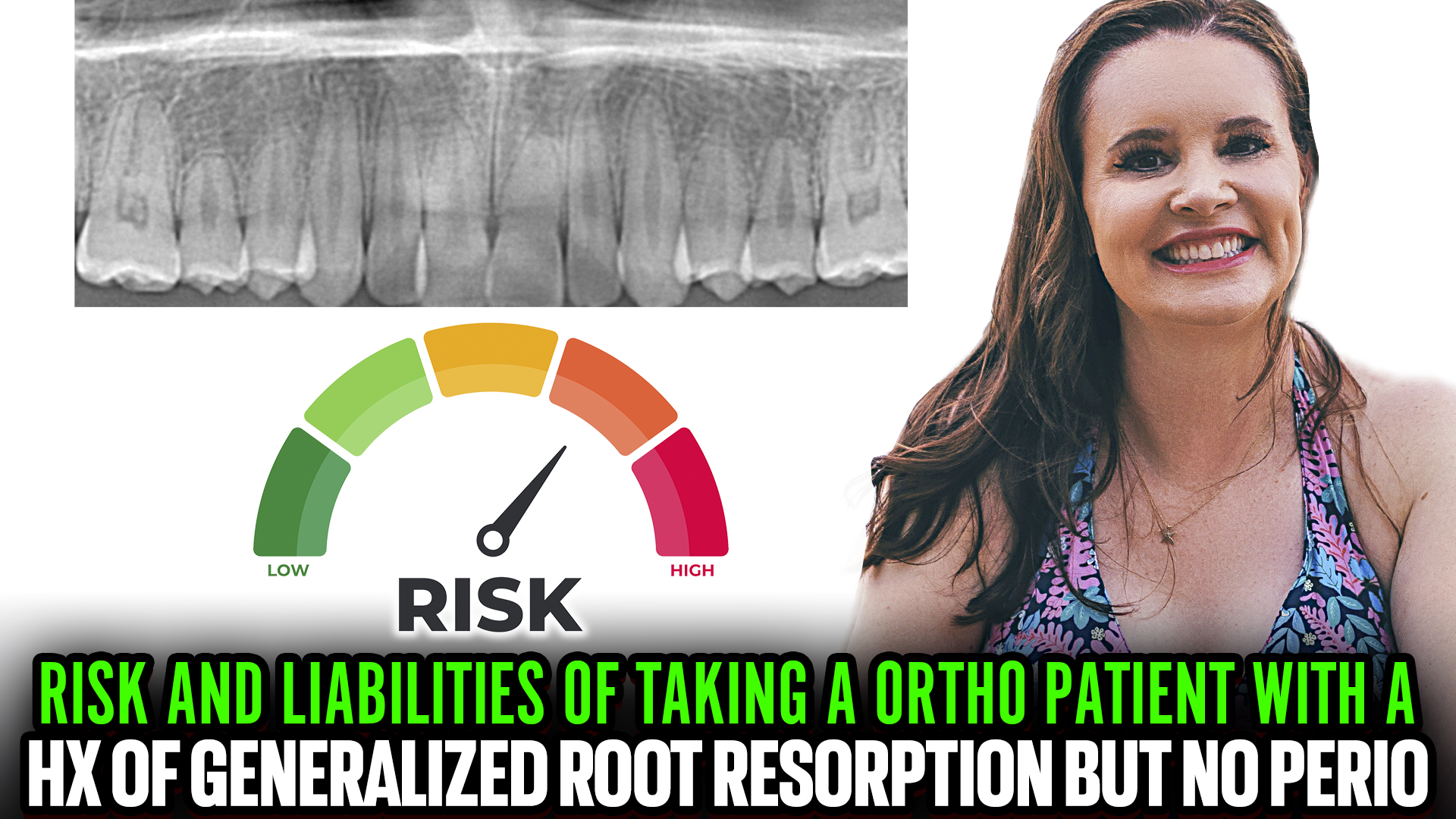 Navigating Orthodontic Risks: Generalized Idiopathic Root Resorption (G.I.R.R.)General practitioners expanding into orthodontic treatments face complex clinical responsibilities. While correcting misalignments can transform smiles, failing to recognize underlying pathology before applying active forces presents a major source of professional liability.The latest session on the StraightSmile Solutions YouTube Channel highlights a critical condition that demands immediate attention from general dental practitioners: Generalized Idiopathic Root Resorption (G.I.R.R.). This complex dental anomaly requires careful management, diagnostic precision, and an understanding of when to halt orthodontic plans entirely.Understanding Generalized Idiopathic Root Resorption (G.I.R.R.)Generalized Idiopathic Root Resorption is an aggressive and rare condition causing unexpected root structure loss across multiple teeth. Unlike standard localized resorption, which is a known localized risk of minor orthodontic movement, G.I.R.R. is independent of mechanical force and frequently tied to systemic factors.If a practitioner initiates or continues orthodontic treatment on a patient with active G.I.R.R., the risk of rapid, catastrophic tooth loss multiplies exponentially. This introduces massive clinical complications and significant legal liability for failing to observe the condition beforehand.The Systemic and Genetic LinksG.I.R.R. rarely happens in a vacuum. A patient exhibiting signs of idiopathic root resorption must be evaluated for complex medical syndromes, systemic diseases, or metabolic disorders.Key genetic and medical links every dental professional should monitor include:Endocrine Disorders: Conditions like severe hypothyroidism.Metabolic Conditions: Genetic bone and tissue disorders, such as hypophosphatasia or Paget’s disease.Genetic Syndromes: Rare conditions including Papillon-Lefèvre syndrome, Turner syndrome, and Goltz syndrome.Systemic Inflammatory Triggers: Conditions like Stevens-Johnson syndrome.Clinical Action Plan: The Non-Negotiable ProtocolIf you identify or suspect active G.I.R.R. during diagnostic workups or routine evaluations, your clinical pathway must shift immediately. Keep your practice secure and your patients safe by utilizing the following steps:Halt Orthodontic Progress Immediately: Do not move forward with braces, clear aligners, or active appliance therapies. Applying force to a compromised root structure accelerates tooth loss.Refer Directly to Primary Care: Connect with the patient’s primary care physician to begin checking for underlying metabolic or systemic issues.Engage Medical Specialists: If a standard medical workup is inconclusive, refer the patient to a pediatric endocronologist, medical geneticist, pediatric rheumatologist, or immunologist.Coordinate Internal Dental Specialists: Build a collaborative network by looping in endodontists and periodonitists to stabilize the remaining dental structures.Managing Patient Expectations and Practice LiabilityDiscovering that a patient is an unsuitable candidate for orthodontics can be disappointing. However, the reality is clear: for patients with active G.I.R.R., orthodontic treatment should be avoided entirely.As a clinician, communicating this honestly is a matter of proper risk management. Ensure you thoroughly document all radiographic findings, maintain open correspondence with medical specialists, and prioritize long-term biological stability over cosmetic outcomes. While G.I.R.R. is a challenging condition to manage, identifying it early protects your practice from board complaints and prevents permanent dental damage for the patient.
Hybrid Secrets to Finishing Stubborn Invisalign and Clear Aligner Posterior Openbite Cases (POB)
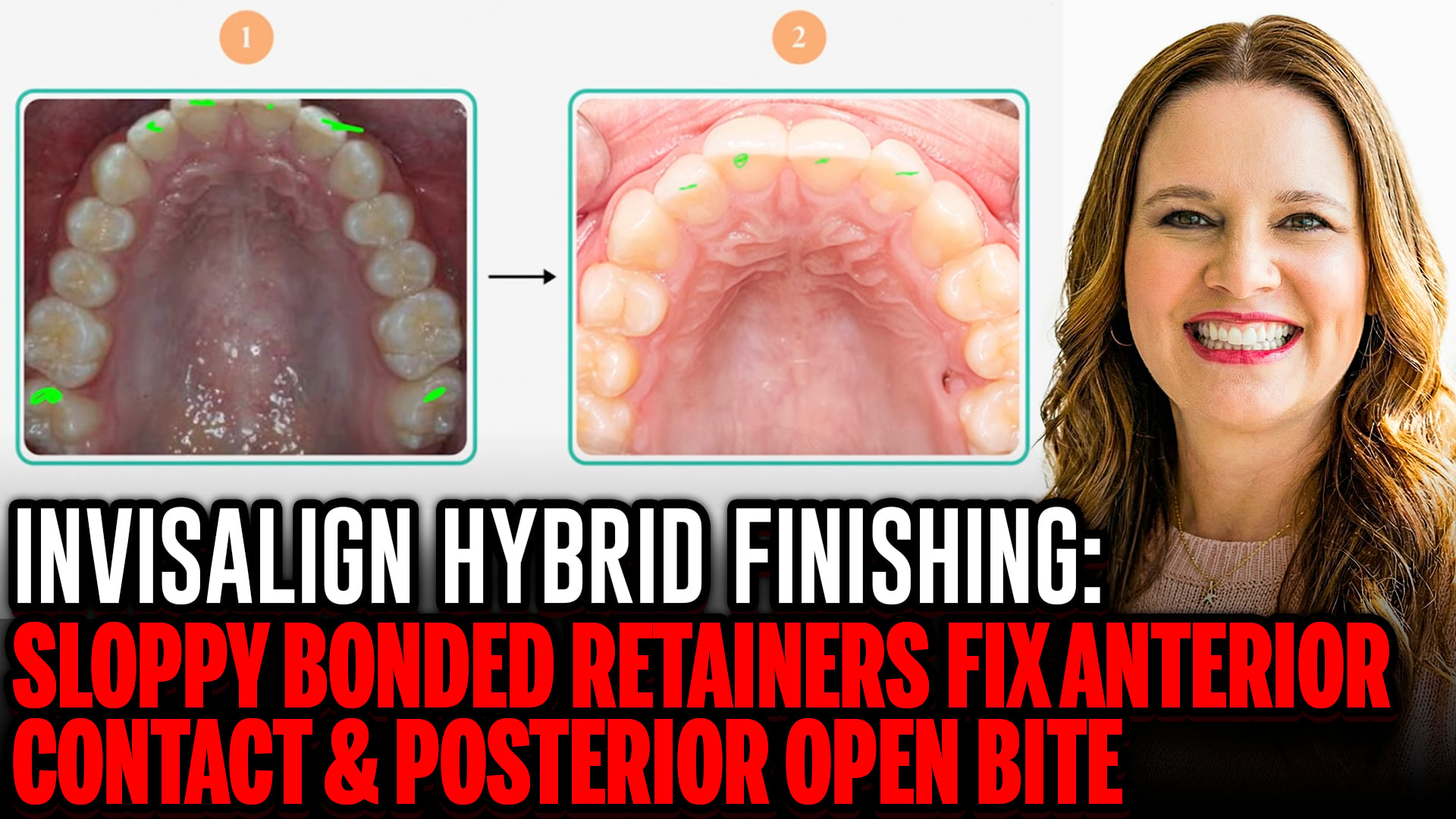 Hybrid Secrets to Finishing Stubborn Invisalign and Clear Aligner Posterior Openbite Cases (POB)
I. Introduction
Dr. Amanda from StraightSmile Solutions addresses a common frustration: unbalanced contacts and POBs at the end of Invisalign or clear aligner treatment.
Finishing is the hardest part of orthodontics (Phase Three). Traditional braces allowed wire bends for magic; aligners require different strategies.
II. First Step: Use the Debond Workflow
Before anything, go through the step-by-step debond workflow (available to Dr. Amanda’s clients).
Make sure alignment, AP position, vertical, and transverse are all acceptable.
Identify exactly where you are stuck – often the order of finishing steps is wrong.
III. Single Arch Refinements
If one arch is good and the other is not, consider doing a single-arch refinement.
This prevents patient burnout and allows gravity/function to help settling.
Do NOT trap the opposite arch in an Essix – let it settle freely.
IV. Use Sloppy Bonded Retainers (In-Office)
If the upper arch is straight but lacking contacts, place a “sloppy bonded” retainer (braided wire + floss technique) on that arch.
This holds the front teeth straight while allowing posterior teeth to settle naturally.
An expensive lab-fabricated bonded retainer is unnecessary for temporary settling – save that for long-term retention.
V. Mini Deprogrammers and Free Settling
A mini deprogrammer (short aligner with heavy attachments, 3-3) can help with CR-CO shifts while working on the other arch.
It provides minor alignment but won’t produce extrusion or major movement.
In some cases (e.g., Phase 1-Phase 2 transition), doing nothing and letting teeth “free roam” settle is a valid option.
VI. The Bottom Line
Finishing stubborn POB cases often does not require endless refinements.
Hybrid techniques: single-arch refinements, sloppy bonded retainers, mini deprogrammers, or free settling.
Choose the method based on which arch is straight and where contact gaps exist.
These strategies save time, reduce patient frustration, and achieve balanced occlusion more predictably.
2026 Guide to Buying a CBCT or 2D Digital Pan Ceph for Primary Care Ortho, Braces, and Invisalign
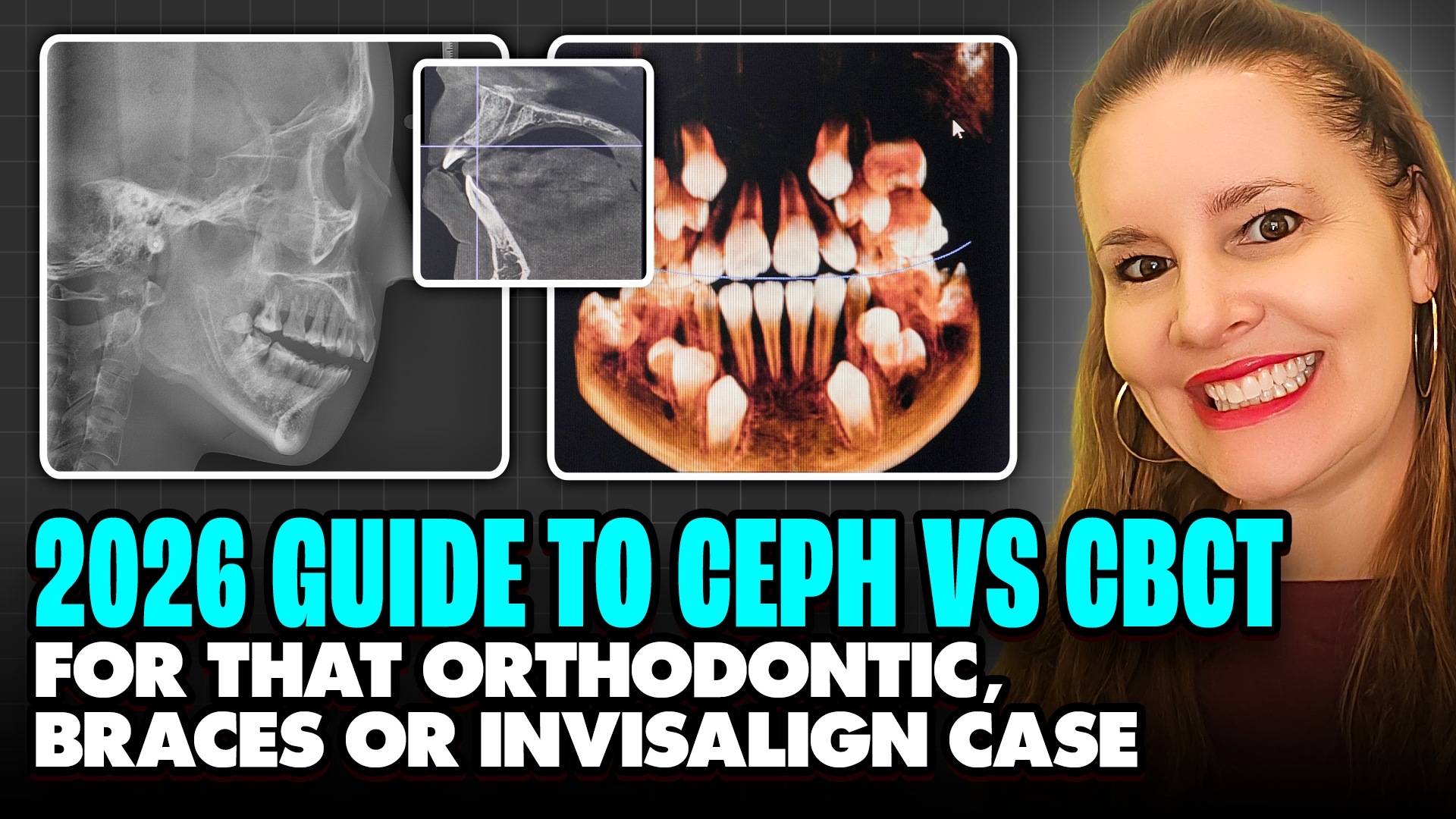 2026 Guide to Buying a CBCT or 2D Digital Pan Ceph for Primary Care Ortho, Braces, and Invisalign
I. Introduction
Dr. Amanda from StraightSmile Solutions addresses a common question from new grads or those setting up an office: what radiology equipment should you buy if you plan to do ortho?
The decision depends on your location, practice type, and budget – there is no one-size-fits-all answer.
II. Do You Even Need Your Own Machine?
In high-overhead areas, it may make sense to refer patients to a nearby imaging center (within a mile or two) for pano, ceph, or CBCT.
Billing is easy and patients generally don’t mind.
However, in remote areas, you likely need to purchase your own.
III. Minimum Requirement: A Pano (Not Just FMX)
Using only an FMX for ortho diagnosis misses pathology, impacted teeth, supernumeraries, odontomas, etc.
If you miss something because you didn’t take a pano, you are liable.
For children, especially, a pano is strongly recommended.
Even adults benefit – many have unknown incidental findings.
IV. When Do You Need a Cephalometric X-ray (Ceph)?
For growing children (Phase 1 interceptive), you absolutely need a ceph to assess skeletal relationships.
You can obtain a ceph from a large-FOV CBCT by reconstructing a 2D image (may be slightly janky, but it works).
If you only have a traditional 2D pan/ceph machine, you cannot get CBCT functionality when needed.
V. Option 1: Large-FOV CBCT with Low-Dose 2D Reconstruction (All-in-One)
Pros:
Captures airway analysis, impacted canine location, TMJ issues, and skeletal pathology.
Single footprint saves office real estate.
True 3D data for complex ortho/surgical cases.
Cons:
Expensive ($90,000-$150,000 estimate).
Reconstructed 2D ceph images can have pixelation or motion artifacts.
Requires software licensing and specialized training.
You are legally responsible for every millimeter captured within the FOV (including C-spine, skull base, sinuses).
Incidental findings outside dentistry create medical liability – you must pay an oral radiologist (e.g., BeamReaders) to read the entire scan.
VI. Option 2: Dedicated 2D Digital Pan/Ceph Machine
Pros:
Crisp, pristine 2D images; fast scanning.
Much lower upfront cost.
Lowest radiation dose.
Zero liability for incidental findings (none captured beyond dentition).
Ideal for high-volume pediatric or orthodontic practices focused on early interceptive treatment, expansion, and routine tracking.
Cons:
Blind spots – cannot measure bone volume, cortical boundaries, true airway.
Cannot upgrade to 3D later.
VII. Liability Trap with CBCT
In the US, you are legally responsible for interpreting every structure within the FOV.
If a lesion or pathology is found in the sinuses, skull base, or C-spine and you miss it, you face extreme medical liability.
Therefore, if you buy a large-FOV CBCT, you must budget for recurring costs to have an oral radiologist read the entire scan.
VIII. Final Recommendation (from AI and Dr. Amanda)
For the vast majority of primary care, pediatric, and general dental offices doing routine ortho, a dedicated 2D digital pan/ceph machine is sufficient.
Reserve a large-FOV CBCT only for specialized clinical scopes that demand routine skeletal pathology mapping (e.g., complex surgical extractions, severe skeletal disharmonies, airway-focused practice).
If you buy the “big kahuna,” factor in the cost of outsourced radiology reading – patients may not want to pay, and Dr. Amanda will not read it for you.
IX. The Bottom Line
Pano is essential (FMX is not enough for ortho).
Ceph is necessary for growing children; can be derived from CBCT.
2D digital pan/ceph is cheaper, lower liability, and adequate for most ortho practices.
CBCT offers more data but comes with higher cost, training, and liability – budget for radiologist reads.
Choose based on your clinical scope, budget, and tolerance for liability.
ClearCorrect Portal Setup and Clinical Preferences (Part 1)
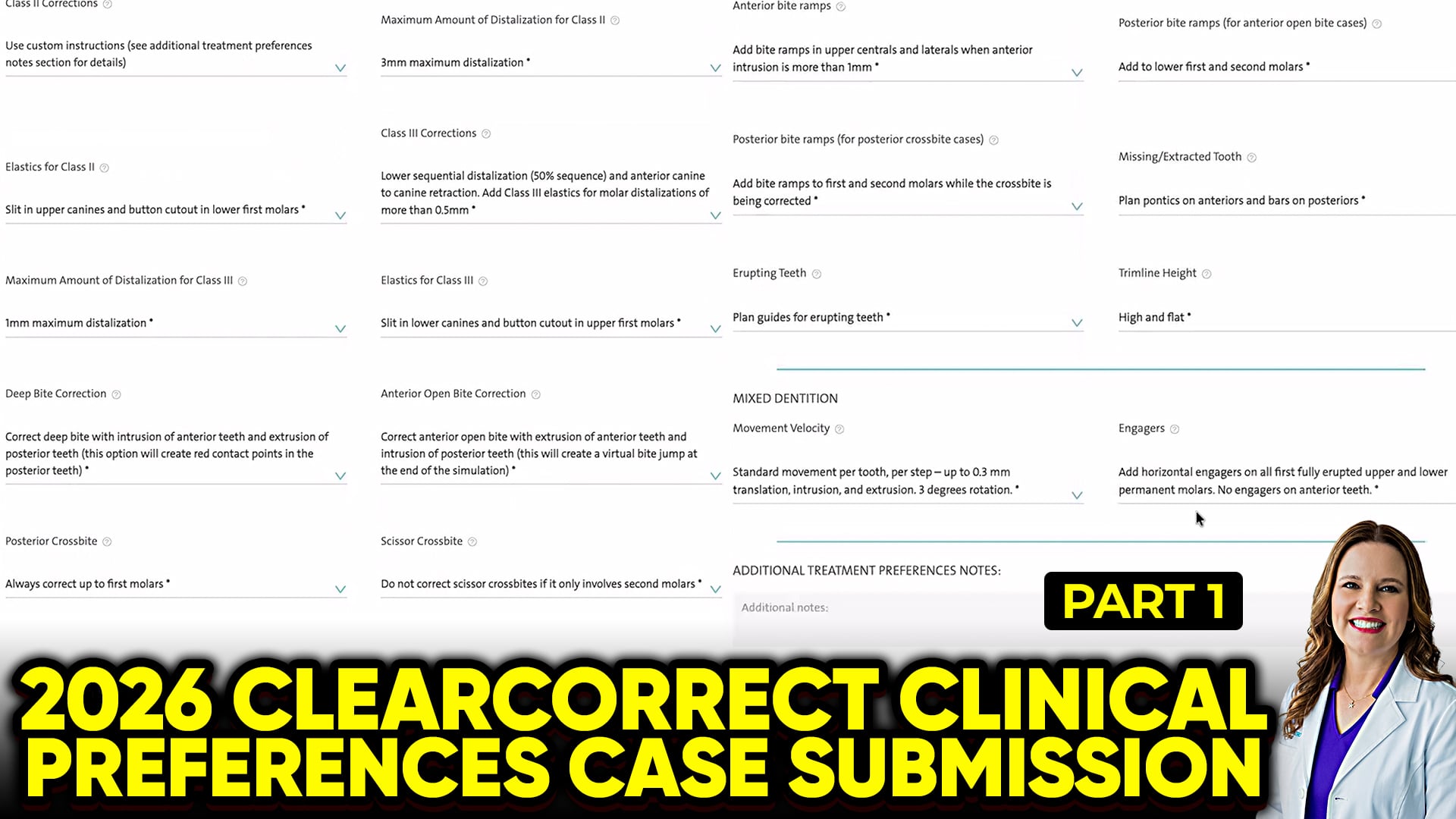 This guide outlines essential steps for general and pediatric dentists configuring ClearCorrect clinical preferences to ensure predictable tracking and safer tooth movement. Unlike other digital systems that segregate workflows by patient demographics, the ClearCorrect platform lacks separate preset buckets for children, teens, and adult patients. Because biomechanical requirements drastically differ between growing and non-growing patients, doctors must be highly intentional when setting their universal account defaults.Movement Velocity and Tracking SafetyThe default movement speed within the platform is initially set to a higher threshold of three degrees of rotation per step. To minimize tracking errors, mid-course corrections, and unpredicted lag, clinicians should manually override this setting. Lowering the velocity threshold to two degrees per step mirrors standard clinical safety metrics and forces a slower, more stable biological pace. Although selecting the “reduce movement per step” option will inherently increase the total aligner count for a case, it creates a much more reliable tracking experience.Custom Instructions and Arch ModificationThe default platform logic automatically applies standard configurations for complex biomechanical changes, including upper posterior sequential distalization, deep bite correction, and crossbites. Relying on these automatic defaults can lead to clinical errors. Doctors should switch every major movement category—including class II or class III elastics, distalization parameters, open bites, and crossbites—to “Use Custom Instructions”. Furthermore, standardizing arch expansion from the second molar to the opposite second molar prevents a misshapen arch form and helps maintain natural anatomy.Mixed Dentition and Trim LinesWhen treating growing dental arches, managing erupting teeth requires double the programming oversight. Practitioners must toggle the velocity restrictions globally for the full arch, and then apply secondary manual reductions specifically for teeth that are actively erupting. Finally, the platform’s default high and flat trim line provides optimal retention and aligner grip for traditional cases. While a more scalloped, periodontal trim line option is available to shield delicate gingival tissues, utilizing it requires placing additional engagers or attachments to compensate for the reduction in plastic surface area.
Why I’ve Left the AAO for the WFO: A Shift in Orthodontic Philosophy
 The world of orthodontics is evolving, and with it, my professional alignment. I have decided to officially step away from the American Association of Orthodontists (AAO) and join the World Federation of Orthodontists (WFO). This decision stems directly from a fundamental difference in how we view early, interceptive childhood treatment.Rethinking the “Seven Up” RuleThe AAO heavily promotes the “seven up” rule, stating that every child should see an orthodontist by age seven. While I agree early evaluation is critical, the practical execution often misses the mark. In reality, when parents hear “by age seven,” many wait until the child is ten. True interceptive care needs to begin earlier—closer to age six—before the child actually turns seven.Restrictive vs. Comprehensive CareThe biggest bottleneck is the AAO’s narrow scope for Phase 1 treatment. They limit its primary importance to just three issues:Crossbite correctionThumb-sucking habitsGuiding impacted teethHowever, childhood development involves so much more than a three-item checklist.In contrast, the WFO treats early orthodontics as an all-encompassing skeletal and systemic health issue. They prioritize total skeletal development and overall pediatric health. Orthodontics is not just about straightening teeth; it is about guiding proper facial growth, airway health, and jaw development from the very beginning.Looking ForwardShifting to the WFO allows me to embrace a more holistic, comprehensive philosophy. I am incredibly excited to dive into their educational courses and collaborate with global professionals who share this vision. If you are looking to elevate your pediatric practice beyond the standard guidelines, I highly encourage you to explore what they have to offer.
The ULTIMATE Guide to 3rd Molars, Wisdom Teeth with Braces and Invisalign
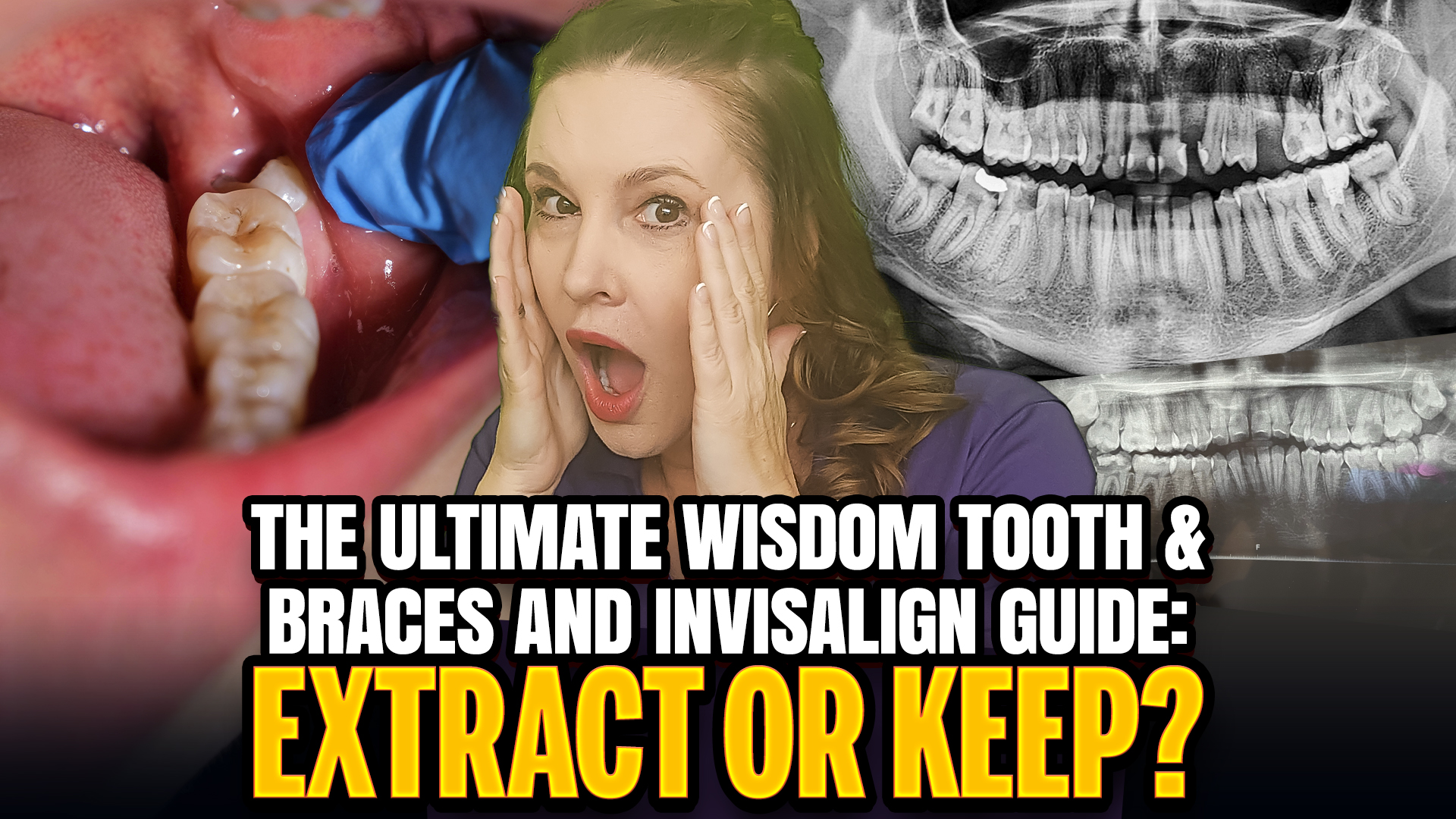 The ULTIMATE Guide to 3rd Molars, Wisdom Teeth with Braces and Invisalign
I. Introduction
Dr. Amanda from StraightSmile Solutions has extensive content on wisdom teeth and orthodontics; search her YouTube channel for “third molars” or “wisdom”.
This video consolidates key highlights rather than reinventing the wheel.
II. The US Perspective on Prophylactic Extraction
The US removes wisdom teeth preventatively more than other countries.
Teenage extractions are easy and heal quickly (modern steroid cocktails minimize swelling).
Older patients often suffer complications (perio, endo) if extractions are delayed.
If wisdom teeth erupt fully, are in occlusion, and can be kept clean, they can stay – but that is rare.
III. When Third Molars Must Be Removed Before Ortho
Impacted wisdom teeth block the movement of second molars (7’s).
Partially erupted or stuck teeth are ticking time bombs.
Standard of care now often requires a CBCT to assess position and risk before moving posterior teeth.
IV. The CBCT and Standard of Care
Most practitioners have CBCT – its use is becoming standard of care for third molar evaluation.
If you cannot read CBCT yourself, send it to an oral radiologist (patient pays).
Without CBCT, you cannot confidently plan the movement of second molars.
V. Treatment Planning Options
Option 1 (preferred): Extract wisdom teeth before starting ortho. It delays the start by weeks but saves headaches, speeds treatment, and reduces liability.
Option 2: Keep back teeth “locked” and avoid moving them – but this compromises the outcome, especially in patients under 18.
Option 3: Proceed with CBCT monitoring and a strong informed consent, but if things go wrong, patients may demand refunds.
VI. Scanning Challenges
Fully erupted third molars are difficult to scan completely for Invisalign or clear aligners.
If the whole tooth is not captured, the fit will be off. For simple cases limited to front teeth only, you can sometimes ignore them.
VII. The Bottom Line
Dr. Amanda strongly recommends extracting problematic wisdom teeth before starting ortho, easier for the doctor, easier for the patient, more predictable.
If you do proceed without extraction, you must document all conversations, get signed consents, and prepare for potential complications.
When in doubt, take them out first. It’s what most orthodontists do.
The Ultimate Challenge: Phase 3 Finishing in Invisalign Posterior Openbite Solutions
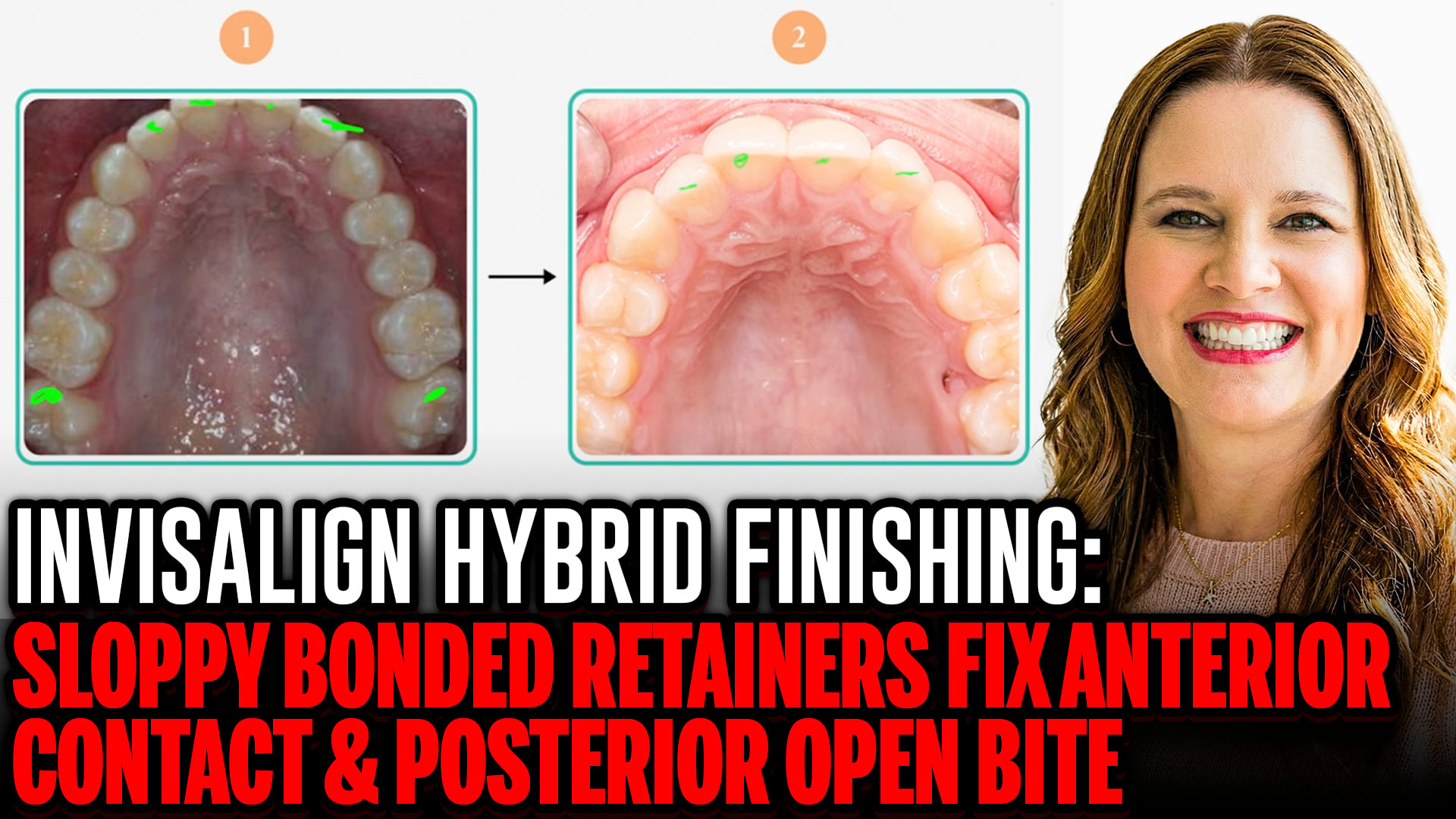 The Ultimate Challenge: Phase 3 FinishingFinishing is notoriously the hardest part of orthodontics. In traditional braces, clinicians bent wires to manually adjust stubborn contacts; however, clear aligners present a different challenge.A very common issue is seeing solid contact on the second molars and the anterior teeth, while the premolars and first molars remain completely out of contact. To resolve these unbalanced contacts and POBs, you must look at your overall debond workflow and isolate where the case is getting stuck.Clinical Secrets for Resolving Unbalanced Contacts1. Single-Arch RefinementsIf one arch is completely straight, properly positioned, and aligned, do not order a full refinement for both arches.The Strategy: Run a refinement on the problematic arch alone while leaving the finished arch completely free of plastic.The Benefit: Eliminating plastic from the tracking arch allows natural forces to take over, preventing patient burnout and encouraging faster settling.2. The “Sloppy” Bonded Retainer TechniqueWhen you need to keep the front teeth perfectly straight but want the back teeth to come together, an in-office temporary retainer is highly effective.The Strategy: Take a piece of braided wire and use a quick floss-holding technique to bond it directly to the anterior teeth right in the office.The Benefit: It acts as an immediate stabilizer for the aesthetic zone without costing hundreds of lab dollars, giving the back teeth the freedom to naturally settle via gravity.3. Mini Deprogrammer AlignersFor minor alignment corrections paired with a need for severe posterior settling, a short-segment clear tray can bridge the gap.The Strategy: Create a short aligner that extends only from canine to canine (3-to-3). Use multiple attachments on these anterior teeth to ensure the mini-tray anchors firmly and cannot be swallowed or choked on.The Benefit: This temporary splint improves Centric Relation to Centric Occlusion (CRCO) shifts. It keeps the front teeth locked in position while leaving the entire posterior section open to erupt and close the bite.4. Guided “Free Settling”There are specific scenarios—such as transitioning a patient from Phase 1 to Phase 2 treatment—where the best approach is to simply do nothing.The Strategy: Remove all attachments and plastic entirely from the dentition.The Benefit: Allowing the teeth to “free roam” without plastic interference allows the natural occlusion to lock itself into place organically.Key Clinical TakeawayNever lock a patient’s teeth into a standard full-coverage clear retainer if their posterior teeth are not touching. Full plastic coverage traps the open bite permanently. By using segmented tools like single-arch tracking, short deprogrammers, or bonded wires, you can easily guide a stubborn alignment case across the finish line.