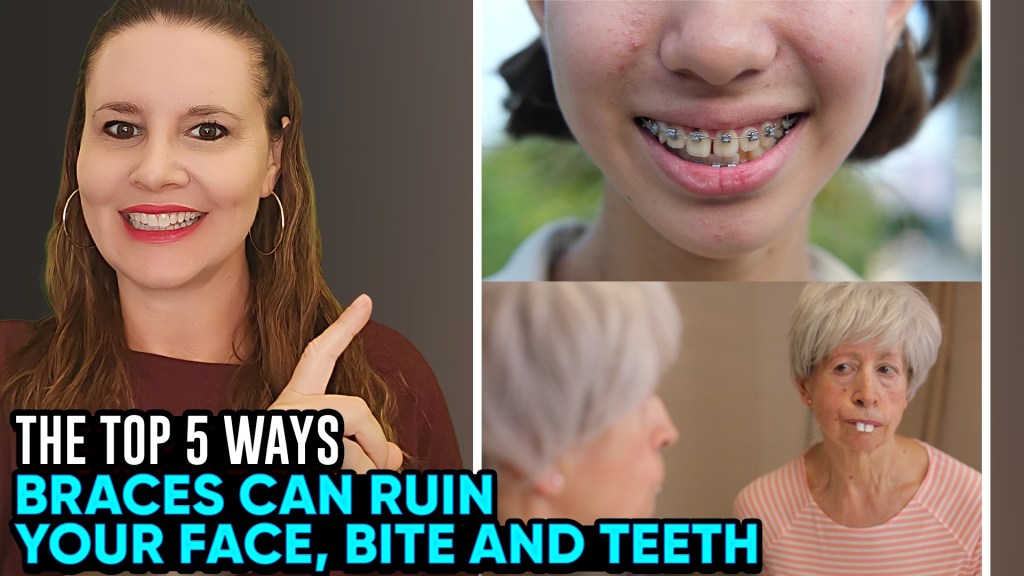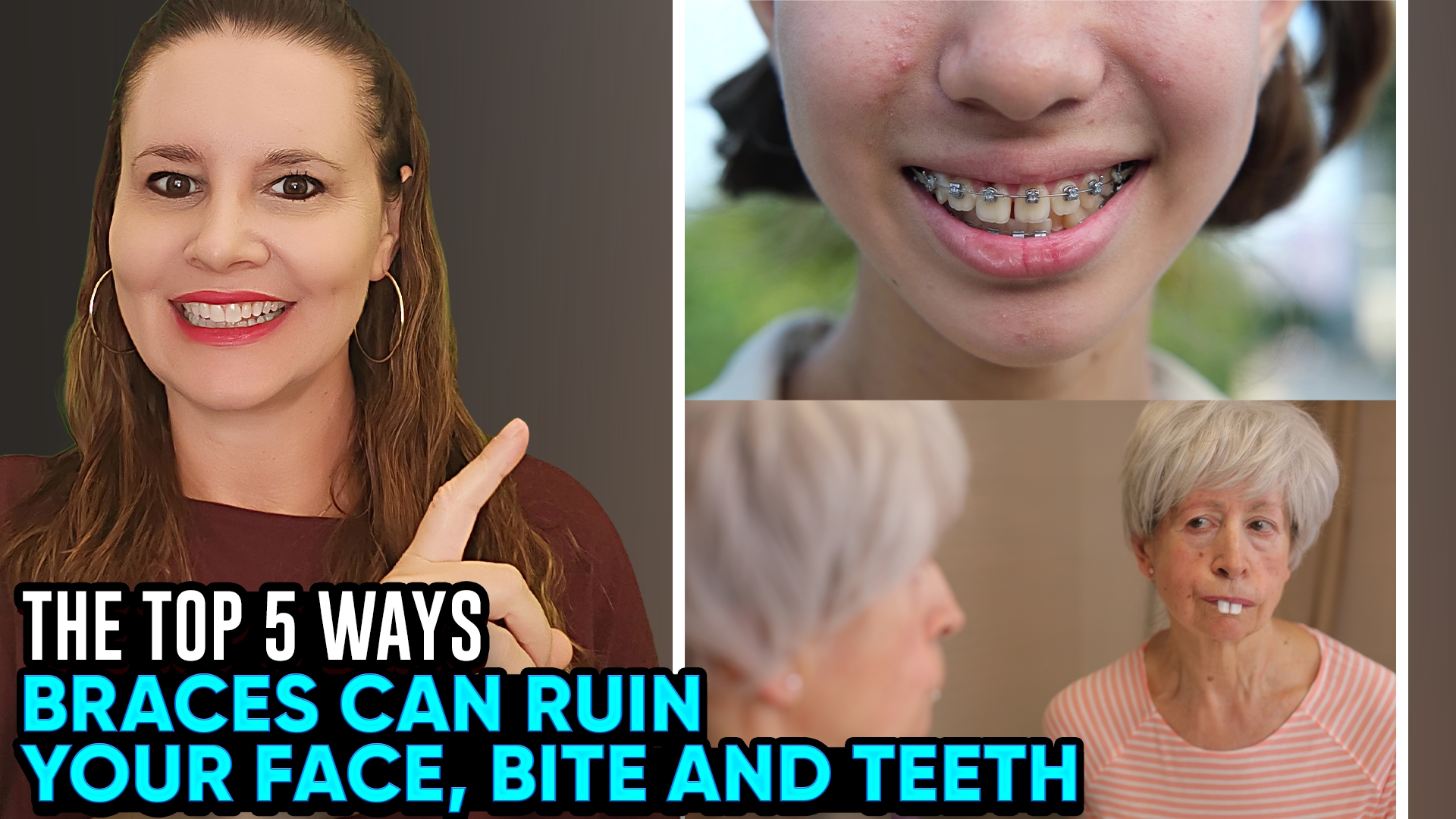
The Top 5 Ways Braces Can Ruin Faces and Teeth
I. Introduction
- Dr. Amanda from StraightSmile Solutions warns that orthodontic treatment done poorly can damage more than just teeth; it can ruin facial aesthetics, function, and long-term health.
- The problem arises when treatment is approached as a puzzle of moving teeth without considering the whole patient: airway, tongue posture, swallowing, and facial growth.
- Patients should ask their orthodontist how treatment will change their face, lips, breathing, and swallowing, and expect specific answers.
II. Facial Disharmony from Over-Retraction
- One of the most common problems: teeth pushed too far back, leaving insufficient space for the tongue.
- Results: flattened or “dished in” facial profile, difficulty swallowing, eating, and speaking.
- Teeth may look straight, but function suffers from a failure of holistic treatment planning.
III. Braces Left on Too Long
- Extended treatment times often stem from poor compliance or inefficient mechanics.
- When a case stalls for more than 2-3 months, braces should be removed—even if not finished.
- Doctors need compliance contracts with parents; continuing treatment without progress increases risks of root resorption, decay, and burnout.
IV. Increased Root Damage, Bone Loss, and Decay in Older Patients
- Treating teenagers with braces means working with denser bone, higher breakage rates, and busier schedules.
- Longer treatment windows increase risks: root resorption, bone damage, cavities, and poor oral hygiene.
- Patients often miss appointments and fail to communicate issues, leading to complications.
V. Pain, Discomfort, and Compliance Challenges
- Braces involve heavy forces and “tightenings” that cause days of pain, especially for teens.
- Compliance with elastics, food restrictions, and hygiene is often poor in middle and high schoolers.
- Aligners offer lighter, more continuous forces with fewer emergency visits, but still require patient buy-in.
VI. Why Phase One Interceptive Orthodontics Is the Solution
- Treating children at ages 6-8 avoids nearly all these problems.
- Young patients are compliant, the bone is pliable, and complex movements can be accomplished easily.
- Phase One sets the stage for an “easy breezy” Phase Two, eliminating the need for lengthy, high-risk adolescent treatment.
- Doctors who avoid young patients miss the easiest, most predictable window for success.
VII. The Bottom Line
- Braces are not inherently bad, but the timing, mechanics, and patient selection matter enormously.
- When treatment ignores airway, facial balance, and developmental timing, the results can be devastating.
- Ask the hard questions upfront. Choose Phase One when possible. And never treat a case as just a puzzle of teeth.