
I. Introduction
Dr. Amanda from StraightSmile Solutions answers a common clinical question: How do you remove a bonded permanent retainer safely?
The short answer: It depends. And the long answer starts with understanding how it was placed.
II. Reverse Engineering the Removal
Removal technique varies based on:
How the retainer was constructed
What it’s made of (braided wire vs. stainless steel bar)
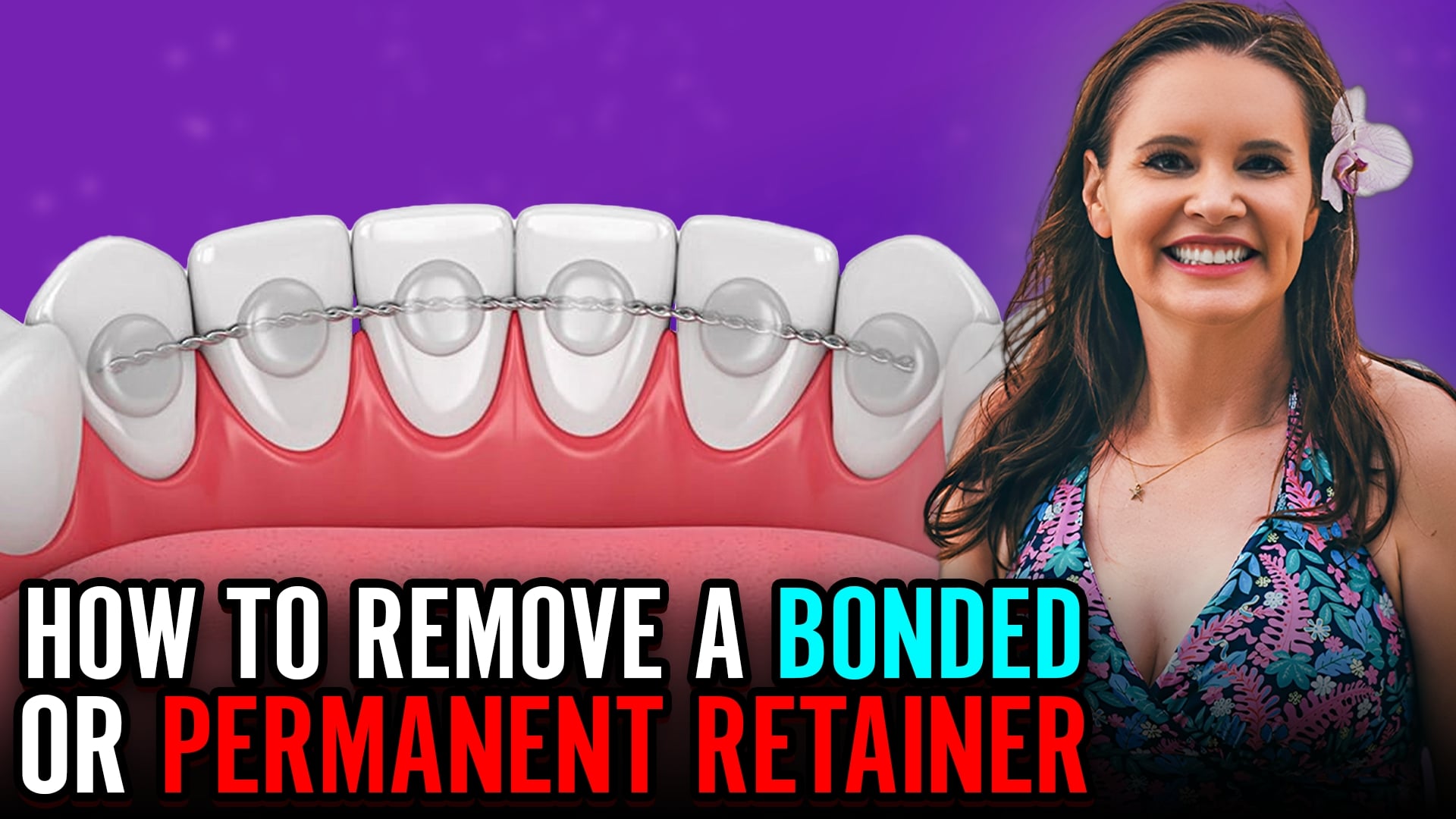
How it was bonded (multiple small blobs vs. mesh pads on two teeth)
The patient’s periodontal status, root length, and mobility
General rule: Take it off the same way it went on—just backwards.
III. Different Retainers, Different Approaches
Braided wire with six separate composite blobs? More complex.
Stainless steel bar with mesh pads on just two teeth? Easier.
For young patients with long roots and stable perio, Dr. Amanda may use an adhesive remover with a claw to pop it off.
But if there are periodontal issues, trauma, mobility, or fremitus? No popping. She switches to a football bur and carefully removes each blob sequentially.
IV. The Enamel Preservation Protocol
How do you know you’re not taking enamel with the composite?
Dentistry 101: Composite feels and sounds different than enamel under a bur.
Composite powders; enamel doesn’t. The sound changes as you approach the surface.
Technique:
Work dry for better visibility
Get close, then stop
Use an explorer for the scratch test to locate enamel
Switch to finer burs (greenies, brownies, white stones)
Use a black light to check for remaining composite
It’s really not that hard when you’re paying attention.
V. The Bottom Line
Removing bonded retainers without damaging enamel comes down to technique and attentiveness.
Work backwards from placement. Read the tooth. Listen to the bur. Test as you go.
If a dentist doesn’t know how to remove composite without touching enamel, that dentist has a problem.
Done properly, you shouldn’t be taking off any enamel at all.