
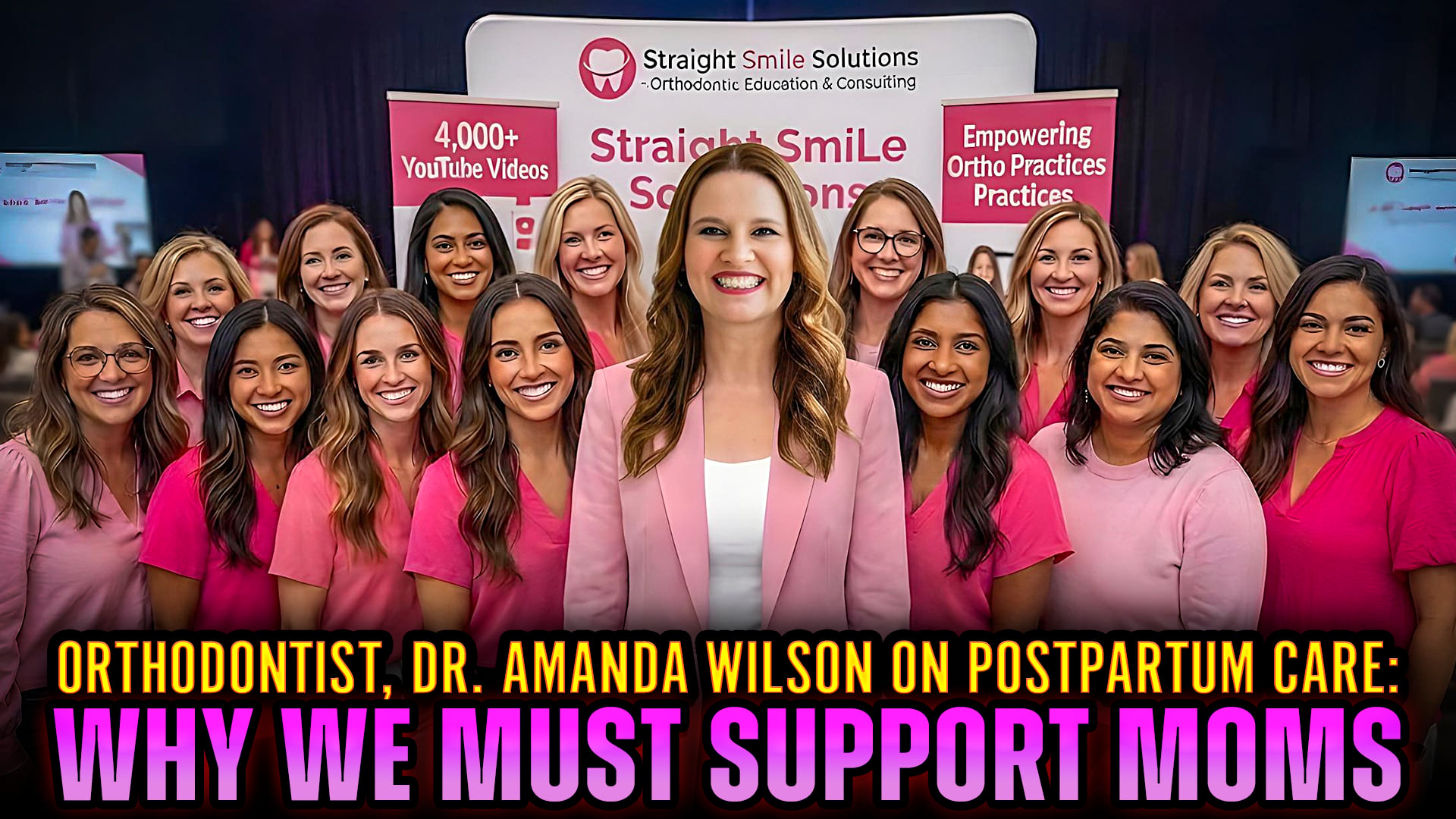
 When we look at high-achieving women in healthcare, we see individuals who are resilient and highly capable. However, behind a successful clinical practice, many are silently navigating a profound mental health crisis.In a recent video, Dr. Amanda from StraightSmile Solutions stepped away from orthodontics to share her deeply personal experience with severe postpartum depression (PPD).
Prompted by the tragic Lindsay Clancy case, Dr. Amanda opened up about a hidden intersection that the medical community rarely addresses: the collision of high intelligence, late-diagnosed neurodivergence, and maternal burnout.
The Collision of Giftedness and Neurodivergence
For many female healthcare professionals, rigorous training means delaying children until their 30s. Once they have families, they frequently jump straight back into high-stress clinical roles. Many of these women possess exceptionally high IQs alongside undiagnosed neurodivergence, such as ADHD or autism.
Historically, these traits were studied in silos. However, modern literature highlights a dangerous reality: when an undiagnosed neurodivergent mother raises an exceptionally bright child, it can create a perfect storm for severe PPD and autistic burnout.
Surviving the Silence
Dr. Amanda recalled her own early 30s as a time of isolation. Despite feeling completely miserable every day, she masked her struggles, gritted her teeth, and kept smiling for her clients and family. She shared how putting herself last for two decades left her completely exhausted.By sharing her story, Dr. Amanda hopes to encourage other mothers—especially those in demanding medical fields—to recognize the signs of executive dysfunction, push back against inadequate care, and aggressively advocate for their own mental well-being