
How to Use a Lip Bumper in Interceptive Orthodontics
In pediatric dentistry, addressing oral habits early can completely transform a child’s dental development. A common issue clinicians encounter in growing patients is the habit of lip sucking or lip biting. This repetitive pressure can severely disrupt the natural alignment of the teeth. Fortunately, incorporating a lip bumper into your orthodontic toolkit offers an elegant, highly effective solution for interceptive treatment.
Clinical Indications and Patient Selection
Lip bumpers are primarily utilized for young patients in the mixed dentition stage, typically ranging from seven to eleven years old. This interceptive window is ideal because the jaw is still growing and the permanent teeth are actively erupting. The appliance functions by creating a physical barrier that keeps the lower lip away from the lower teeth, effectively breaking the habit. Additionally, it harnesses the natural forces of the surrounding musculature to maintain or gain arch length, reducing the overall complexity of future orthodontic needs.
Laboratory Workflows and Delivery
When integrating these appliances into your practice, the fabrication method matters. Standard over-the-counter kits require manual measurement and assembly with individual bands, wires, and plastic components, which can be tedious and time-consuming. To maximize clinical efficiency, taking a digital scan and sending it to a lab for a custom, pre-assembled, and soldered appliance is highly recommended.
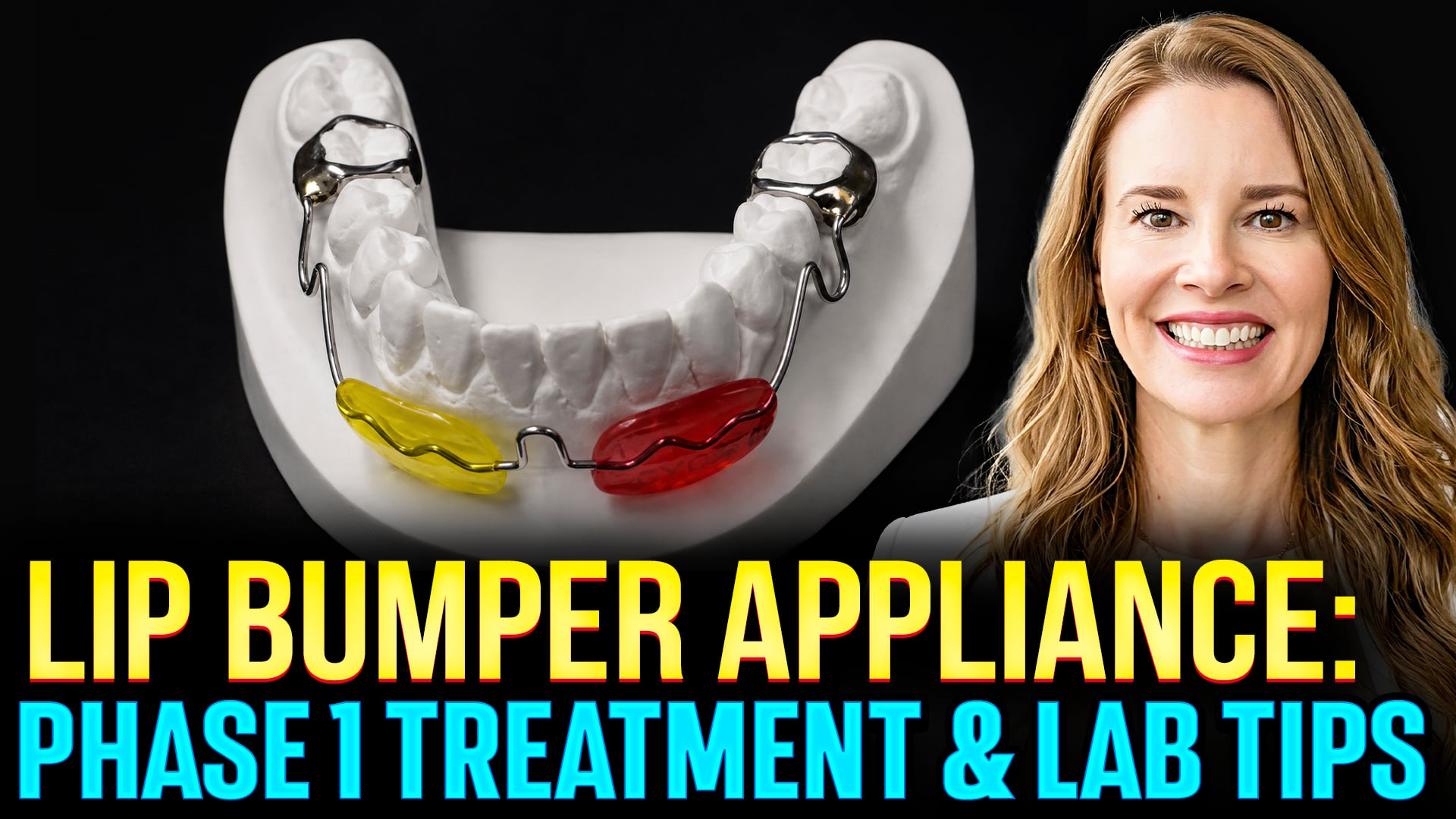 Always verify that the laboratory solders the appliance fully so it arrives ready for delivery.
Once the custom appliance arrives, the standard clinical workflow involves placing spacers a few days before delivery to create adequate room for the bands. The lip bumper is then securely seated and typically remains in place for four to six months. This timeframe provides sufficient time to successfully eliminate the oral habit. While some clinicians combine this with upper arch expanders or limited braces, a lip bumper on its own remains a powerhouse for standalone Phase One treatment.
To learn more about tailored orthodontic treatment planning or to submit a specific clinical inquiry, visit StraightSmile Solutions.