
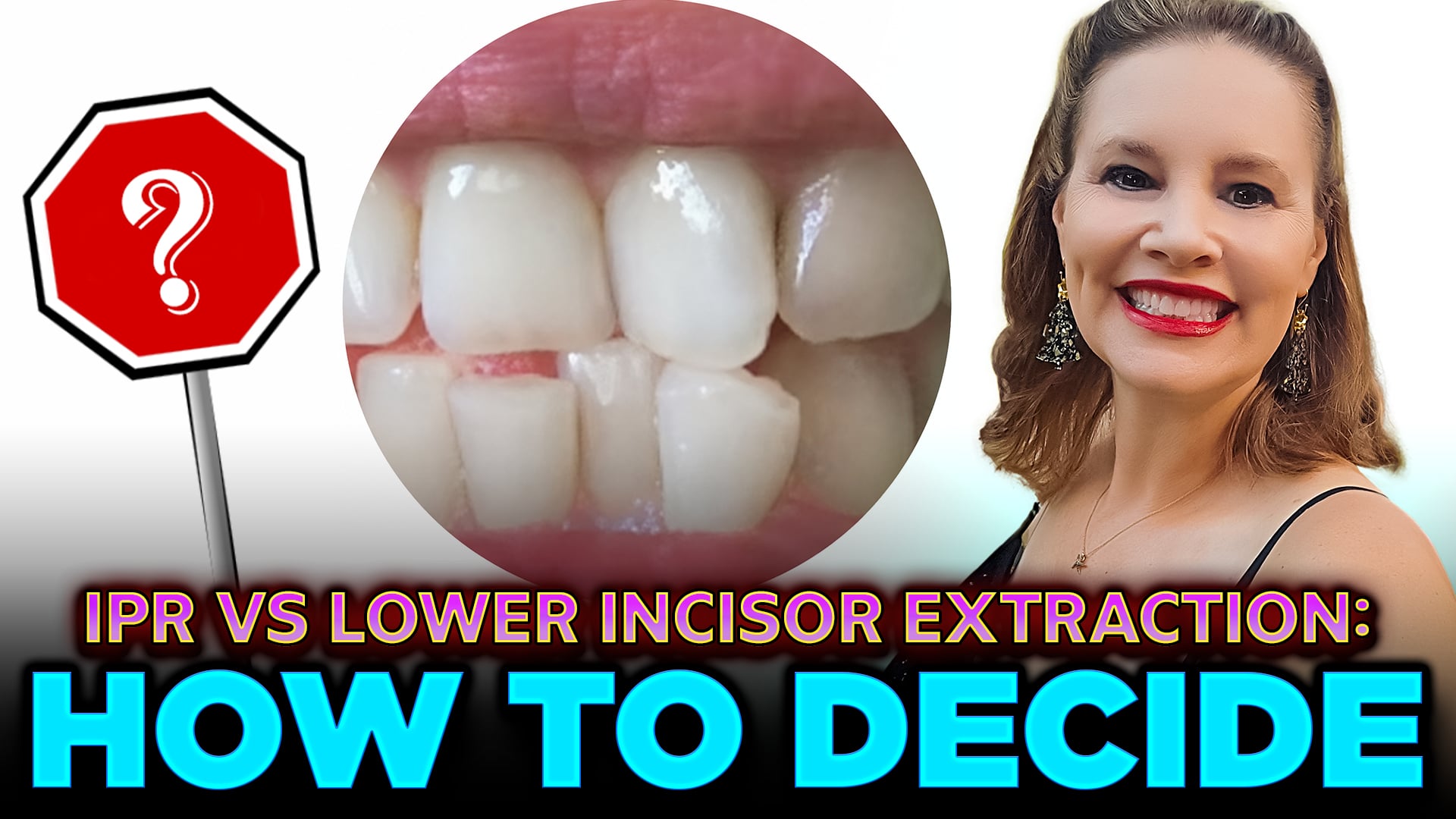
 Navigating Crowding: Lower Incisor Extraction vs. IPR
When treating severe dental crowding, orthodontic professionals often face a critical crossroads. There is no single, uniform strategy for every case. Practitioners must weigh distinct clinical methods against a patient’s unique anatomy and aesthetic preferences.
The primary techniques utilized to generate necessary space in the arch include expansion, lower incisor extraction, and interproximal reduction.Assessing the Clinical Paths
Each clinical route presents specific structural variables and physiological consequences:
Lower Incisor Extraction: This permanent removal route targets the most severely displaced or rotated tooth. Before proceeding, clinicians must critically evaluate localized periodontal health, overall tooth mobility, and specific bite mechanics.
Interproximal Reduction: This slenderizing technique shaves down enamel borders to create precise pocket spaces. While highly effective for gaining mild to moderate space, it strips away natural, valuable enamel structure.
Expansion & Proclination: This alternative framework widens the dental arch or pushes teeth slightly outward to accommodate crowding. This approach relies heavily on the patient’s existing facial profile and soft tissue limitations.
Prioritizing Informed Consent
Because both significant interproximal reduction and tooth extractions carry lifelong structural alterations, patient collaboration is essential. Clinicians need to transparently outline the distinct risks, long-term benefits, and structural alternatives of each option.
Securing a formal, signed informed consent form acts as a vital tool for proper medical risk management. It also prevents critical communicative missteps between the provider and the patient during treatment.To learn more about tailored orthodontic treatment planning or to submit a specific clinical inquiry, visit StraightSmile Solutions.