
 The “Why” Behind Adult Spacing: Why Orthodontists Must Look Before They Leap
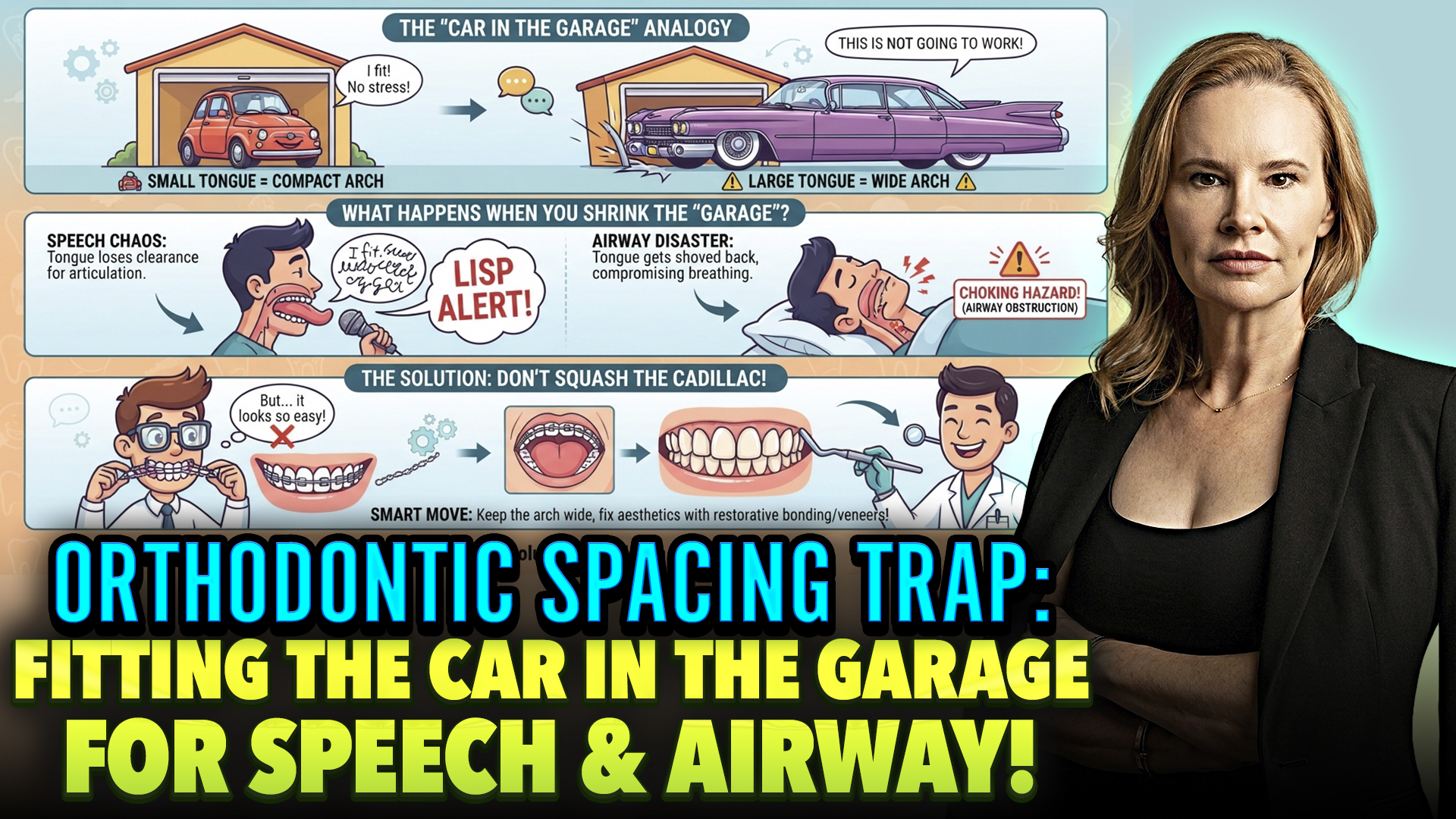
Closing spaces in adult orthodontic patients might seem like a quick win, but doing so blindly can lead to severe bite failures and tissue damage. In adult cases where growth has stopped, spaces do not appear by accident. Before a provider promises to close gaps with braces or clear aligners, they must definitively answer why the spacing exists in the first place.One primary cause of adult spacing is a Bolton mismatch, which is an imbalance between the physical sizes of the upper and lower teeth. If a practitioner forces these spaces closed without accounting for tooth-size discrepancies via diagnostic tools like Invisalign ClinCheck or ClearCorrect, they can inadvertently create an anterior or posterior open bite.Beyond structural tooth sizes, spacing is frequently driven by environmental and functional forces within the mouth. Pathologic tooth migration (PTM) or micro-trauma often occurs when a tooth shifts out of alignment to escape a traumatic bite collision. Forcing that tooth back into its old position without correcting the overall bite shift will simply subject it to traumatic occlusion once again, risking long-term periodontal and bone damage. Additionally, issues like posterior bite collapse can cause the front teeth to flare outward, creating new gaps.Finally, the mouth’s natural soft tissue envelope and myofunctional habits dictate where teeth rest. Conditions such as an active tongue thrust require myofunctional therapy before orthodontic intervention. Without addressing these underlying muscular forces, any closed space will inevitably fail and relapse. For a safe and stable outcome, dentists must thoroughly analyze bite shifts, tooth dimensions, and soft tissue habits before initiating space closure.