
Mandibular Plane Angle: Understanding Flat vs. Steep Growth Patterns
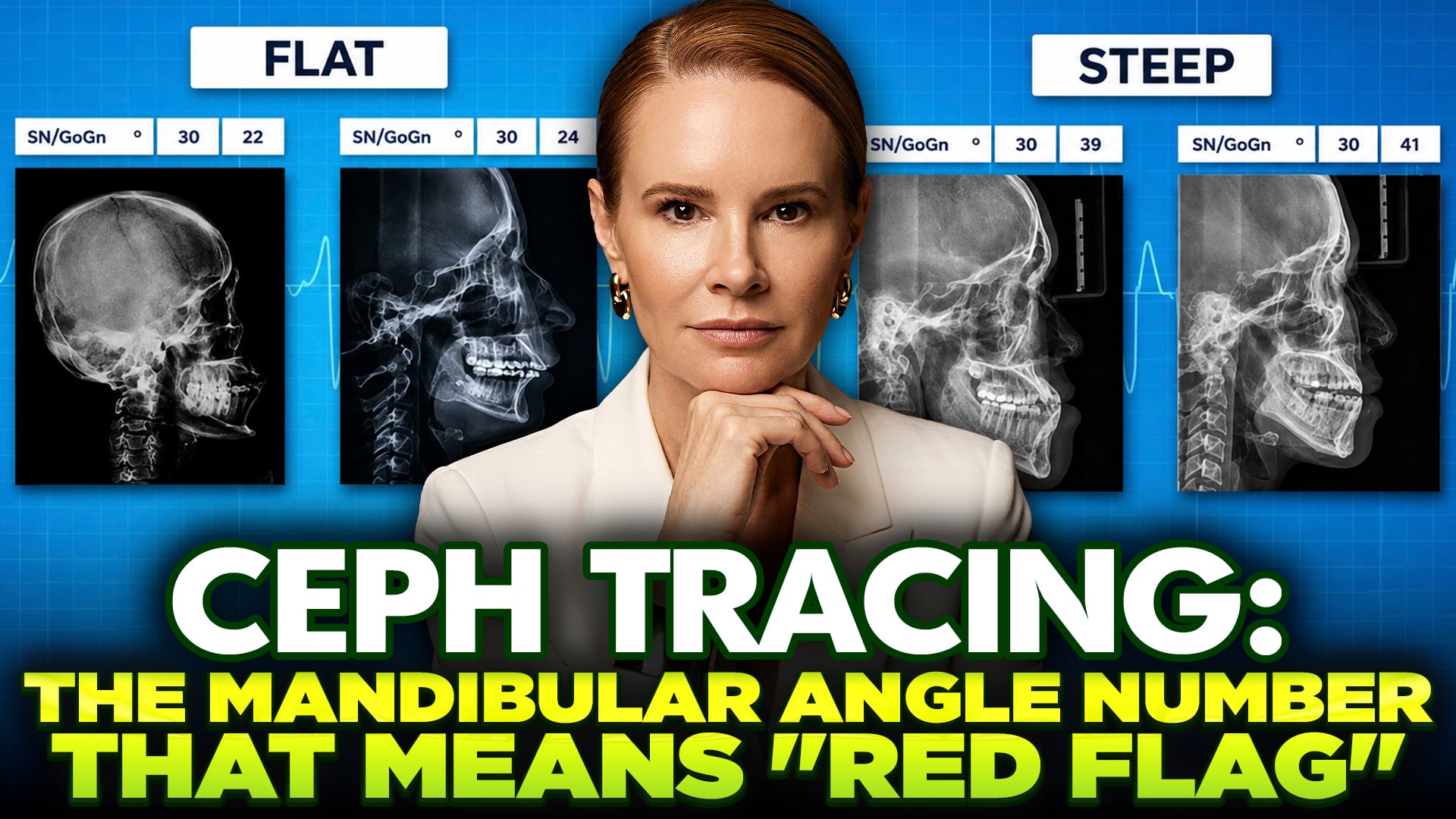
In interceptive orthodontics, reading a cephalometric analysis properly is vital for creating a successful treatment plan. One of the most telling numbers on a cephalometric tracing is the SN-GoGn mandibular plane angle. This specific metric identifies whether a patient possesses a flat or a steep mandibular growth trajectory. Recognizing these distinct skeletal patterns early allows clinicians to accurately predict how a patient’s jaw will grow and respond to different treatment mechanics.
Comparing Flat and Steep Skeletal Profiles
Each growth pattern presents unique structural characteristics and clinical implications:
Flat Mandibular Plane Angle: This framework is often characterized by a flat, low-angle face, a prominent chin, and heavy masseter muscles, resulting in a square-looking jawline. While this pattern can sometimes present alongside Class Two issues, it rarely occurs in Class Three cases. It is primarily genetic and generally stable, though it requires specific biomechanical management during alignment.
Steep Mandibular Plane Angle: This pattern presents a downward and backward mandibular growth trajectory, which often leads to an open bite or a Class Three skeletal relationship. When observed in a growing child, a steep angle acts as an immediate clinical red flag. This skeletal structure heavily correlates with vertical growth issues and underlying pediatric airway complications.
Addressing the Airway Connection
Discovering a steep mandibular plane angle in a pediatric patient requires prompt diagnostic action. Because this pattern frequently pairs with pediatric airway obstructions, clinicians must thoroughly investigate the upper respiratory system. Utilizing cephalometric X-rays to assess the adenoids, performing a tonsil analysis using standard formatting, and looking for signs of mouth breathing are essential steps. If airway obstructions are suspected, the provider must immediately coordinate referrals to an ear, nose, and throat specialist or a myofunctional therapist. Managing the airway obstacle first allows for a much more stable and predictable long-term orthodontic correction.
To learn more about tailored orthodontic treatment planning or to submit a specific clinical inquiry, visit StraightSmile Solutions.