
StraightSmile Solutions®
Invisalign for Teens: Which Cases to Avoid
Invisalign for Teens: Which Cases to Avoid
Have you ever looked at starting a new Invisalign treatment plan on a teen, only to find yourself wondering about where you can find someone to assist with the case? If this is something you’ve been feeling unsure about, don’t worry; our team here at Straight Smile Solutions understands Invisalign better than most, and we can assist with making your choice.
Invisalign for Teens: Cases You Shouldn’t Approach
In many cases, it’s important to recognize when you should – or shouldn’t – take on a particular case. Indeed, while the majority of Invisalign cases are relatively easy to handle, this isn’t always the way – and, with this in mind, it’s worth knowing the signs that make a case more difficult to handle.
So, what does this mean for your Invisalign clients? Well, there are several things you should consider. First, make sure you consider whether the patient is still growing, which should be based on their skeletal age. Taking a Ceph can help this.
Generally, you’ll want to stay away from Class III and overbite patients and potentially some Class II cases. Cases eligible for growth modification should generally focus on this treatment; if you’re not confident with this, focus on simpler Class I cases instead.
Get Professional Support for your Orthodontics Case
If you’d like to find out more about Invisalign for teens, or if you need someone to assist with your general orthodontics work, our experts here at Straight Smile Solutions can help. With years of experience in the ortho field, our private one-to-one consultations offer a valuable option to help guide your own treatment planning.
Joining Amazon Influencer Programs to Build e-Commerce Stores

Have you ever wondered about how you could build an eCommerce site and benefit from Amazon influencer programs to bolster your own career? In many cases, orthodontics in the modern world can be complex, but as a dental consultant or practitioner, recognizing all of these opportunities can seem tricky.
Nevertheless, today’s brief guide outlines the key things you need to know to build your own Amazon influencer-focused e-Commerce store.
Building a Website
To start with, you’ll need to build a website to plug your orthodontics or dental consultant influencer products into. Building a website takes a matter of hours (or less) with modern website-building software, so this is well worth keeping in mind.
It’s worth noting that you may need to develop your platform and social media before you’ll be able to progress further. In line with this, SEO can be incredibly helpful, as well as social media outreach. As such, sharing the website with your dental clients and your wider network can be incredibly helpful to start with.
Joining the Amazon Influencer Program
Once you’ve got a website up and running, you can then join the Amazon influencer program to begin building commissions from the sale of dental products. Once you’ve joined the influencer program, which requires approval for your platform, you can then begin building stores and recommending products easily.
Here at Straight Smile Solutions, we recommend implementing this approach to help with your existing patients; simply direct your patients to purchase their dental care products (such as approved toothbrushes and the like) through your website, and you’ll make a commission on top of the sale. This helps provide great products for your patients while stopping you from having to keep the items in stock at your office.
It takes a little time investment initially, but once you’ve got the traffic, this can be a great way to bolster your business without needing significant time investments.
Class 3 Aligner Treatment Plans: IPR, Premolar Exos, Lower Incisor Exo, Sequential Distalization
Class 3 Aligner Treatment Plans: IPR, Premolar Exos, Lower Incisor Exo, Sequential Distalization
Orthodontic treatment has come a long way in recent years with the advent of innovative techniques and technologies. One such advancement is clear aligners, which offer a discreet and comfortable alternative to traditional braces. Class 3 malocclusions, characterized by an anterior crossbite and a protrusive lower jaw, can now be addressed using aligners. This article will explore the components of Class 3 aligner treatment plans, including interproximal reduction (IPR), premolar extractions, lower incisor extractions, and sequential distalization.
Interproximal reduction (IPR) is a technique commonly employed in aligner treatment to create space for tooth movement. In Class 3 cases, IPR can be used to reduce the mesiodistal width of selected teeth, usually, the upper anterior teeth, allowing for the anterior crossbite correction. By carefully removing a small amount of enamel between the teeth, the aligners can guide the teeth into their ideal positions.
Premolar extractions may be necessary in some Class 3 cases to address crowding or create space for proper alignment. Extraction of premolars allows for the retraction of the anterior teeth, which helps correct the lower jaw’s protrusion. This approach aims to achieve a more harmonious balance between the upper and lower jaws, improving both the function and aesthetics of the patient’s smile.
Lower incisor extractions may be recommended in certain Class 3 malocclusions with severe lower jaw protrusion. Removing one or both lower incisors can aid in the retraction and alignment of the lower anterior teeth, allowing for underbite correction. This approach helps to bring the lower jaw back into a more favorable position relative to the upper jaw, resulting in improved facial balance and occlusion.
Sequential distalization is a technique used to move the posterior teeth distally, creating space for correcting Class 3 malocclusions. This method involves the gradual movement of the molars and premolars toward the back of the mouth, which helps to retract the lower jaw and correct the protrusion. Sequential distalization can be achieved using various orthodontic appliances, including aligners, to achieve the desired results.
When developing a Class 3 aligner treatment plan, orthodontists consider various factors, including the severity of the malocclusion, the patient’s facial profile, and their specific dental needs. Each case is unique, and the treatment plan should be tailored to achieve optimal results.
Conclusion
Invisalign and Clear Correct are aligner systems that correct dental issues, including Class III cases. These systems offer various treatment modalities to achieve ideal outcomes. Before starting treatment, it’s important to take a cephalometric X-ray to gather diagnostic information. This helps determine the underlying cause of the Class III issue, whether skeletal or dental. The treatment plan should be tailored to address the specific diagnosis and meet the patient’s expectations. Factors such as incisor inclination and the relationship of the jaws to the cranial base are considered when deciding on treatment options. In some cases, appliances like face masks or expansion techniques may be used for growing patients, while options like uprighting or distalization of teeth may be considered for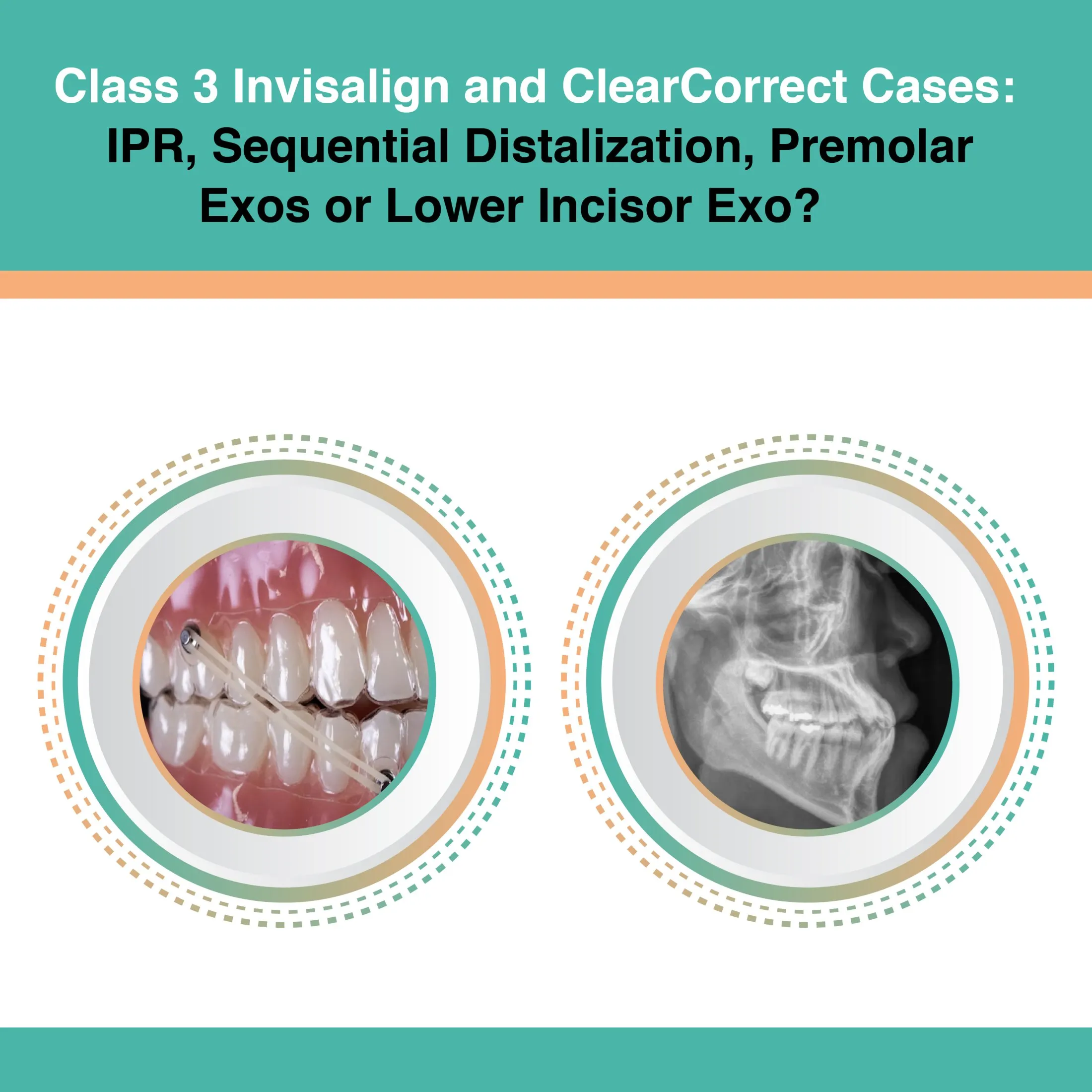
Understanding the New Sync Photo Uploader for ClearCorrect
When using Straumann’s ClearCorrect system, knowing about the different tools, platforms, and changes is hugely important. Luckily, our experts are on hand to help with this, and we’ve summarized some of the key things you need to know about the new Sync photo uploader for ClearCorrect as follows, including what it is and how to use it.
What is Sync?
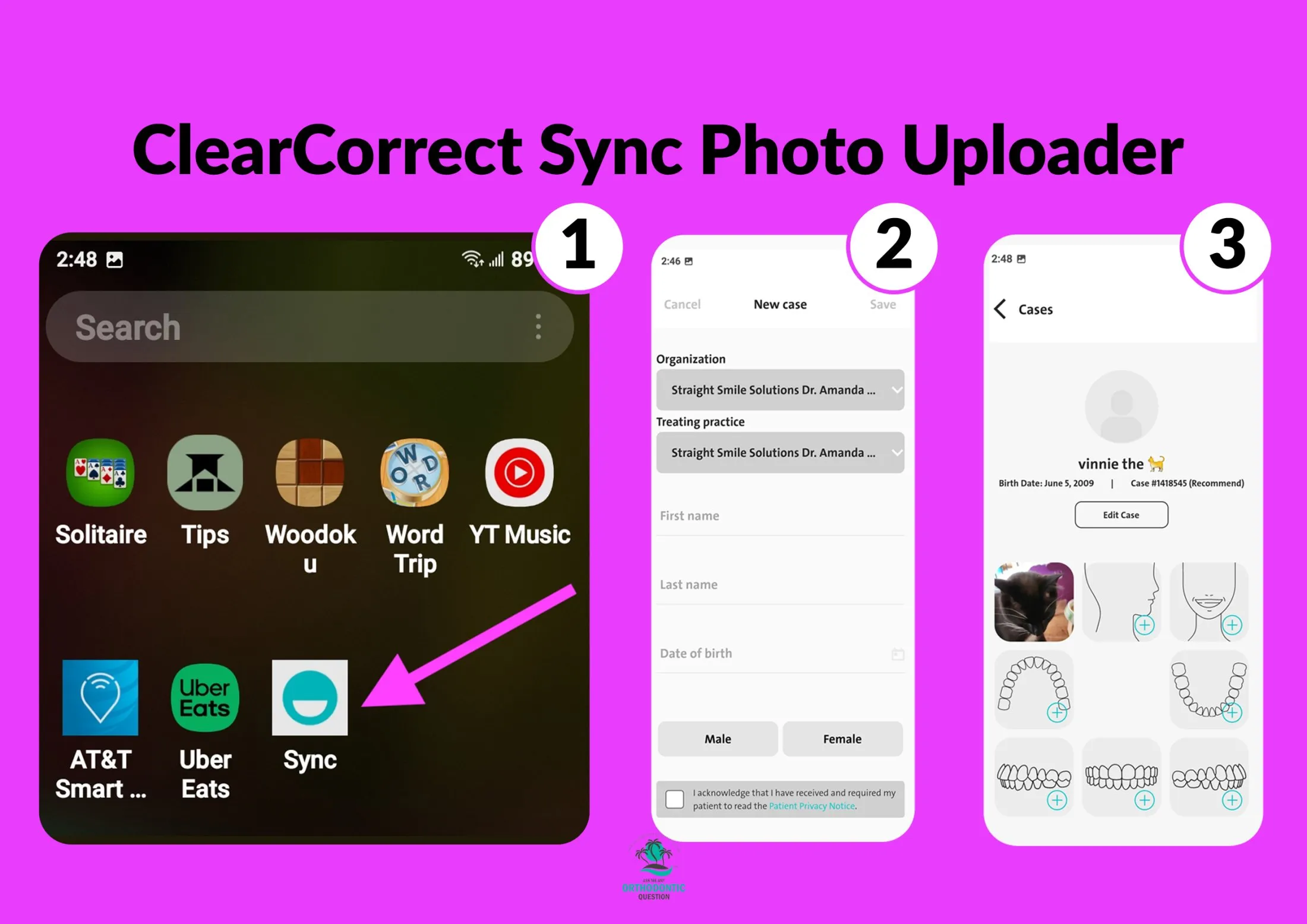
Sync is the new photo uploader tool for ClearCorrect, and it offers a simple way for orthodontics providers to quickly upload photos from a patient’s case. The tool is available as an app, although if you forget the name, don’t panic; searching in your phone for “ClearCorrect photo uploader” should bring it up.
Using Sync for ClearCorrect
The Sync app is incredibly simple and easy to use, which makes it a great tool to consider alongside your cases. Once you’ve launched the app, simply log in with your ClearCorrect account, then select “New Case” to get started. Choose your organization and treating practice and enter the patient’s details, then upload photos for the case.
Once the case is up, you can then edit the case as needed, and the data is then relatively easy to integrate alongside your regular orthodontic work.
Using the New Straumann ClearCorrect Login Process
Have you ever wondered about how to use the new ClearCorrect Dr’s Portal for 2023? In many cases, knowing where to begin when things change can seem difficult, but don’t worry – we’ve outlined some of the key things you should know to help.
How to Use the New Straumann ClearCorrect Orthodontics Login
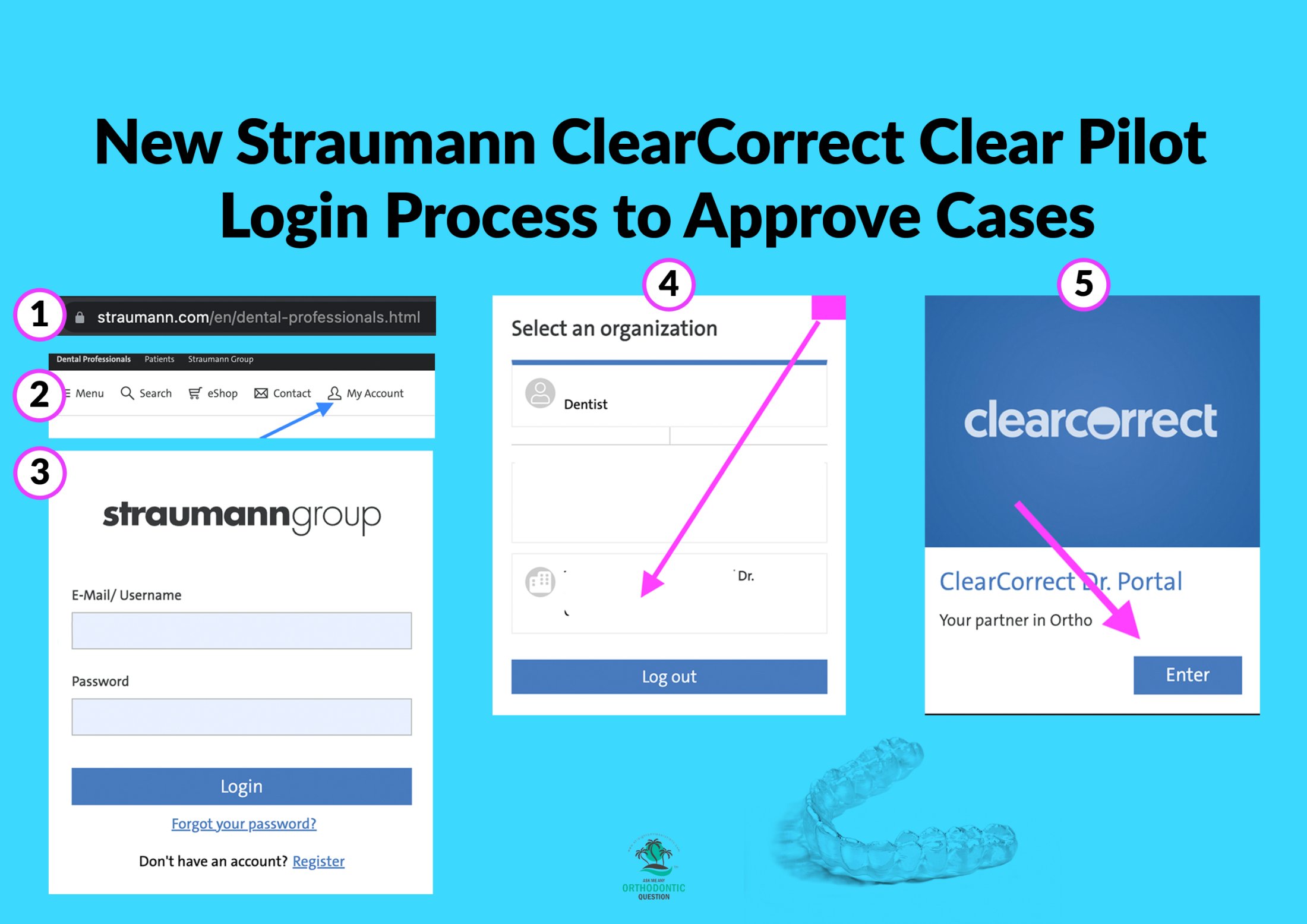
In order to begin using the new Straumann ClearCorrect orthodontics login, you’ll need to head to the following URL in order to enter your account:
www.straumann.com/en/dental-professionals.html
Once you’ve opened this page, enter your account details as usual. You may notice that your details may have changed following the update.
Then, select your organization (if you have several) and finally, press the enter button to open up your Clear Correct.
Several orthodontics providers have had difficulties with the new platform and logging in, but don’t worry – it’s not too difficult. However, if you have any questions about using the ClearCorrect platform to enhance your orthodontics work, please don’t hesitate to contact our team here at Straight Smile Solutions for new ideas on where to start and how to optimize your own use of the platform.
It’s really that easy, so don’t be surprised if things look a little different when you log in now following the changes.
Leaving a Class 3 Patient with Anterior Contacts and Just Straighten the Teeth? Risks and Liability
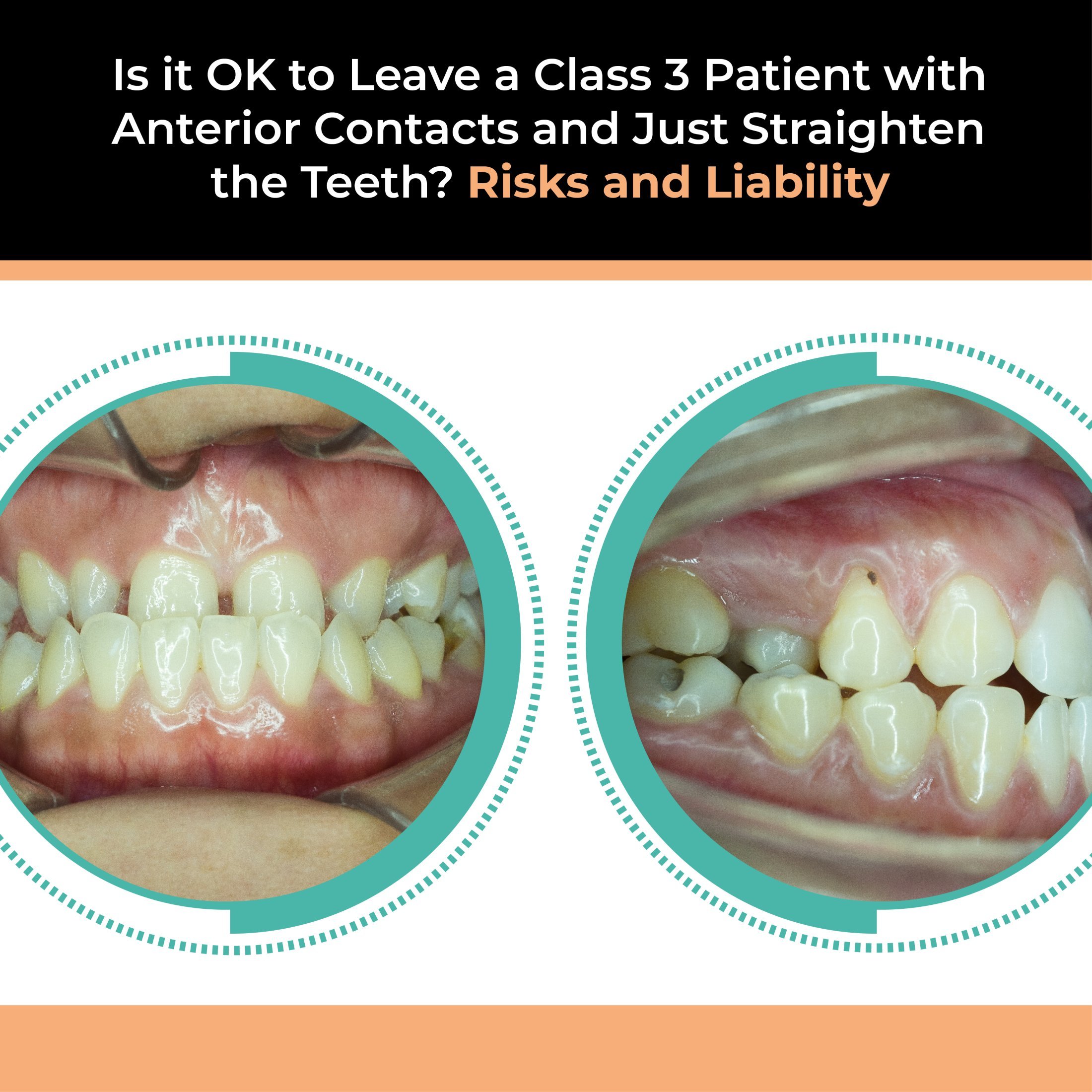
Orthodontic treatment aims to improve the function and aesthetics of a patient’s smile by correcting malocclusions and aligning the teeth. Sometimes, a patient may present with a Class 3 malocclusion, commonly known as an underbite, where the lower teeth protrude beyond the upper teeth. While straightening the teeth may seem like a straightforward solution, orthodontists must consider the overall occlusal harmony and skeletal relationships to ensure optimal treatment outcomes and mitigate potential risks and liabilities.
A Class 3 malocclusion goes beyond simple tooth misalignment and often involves skeletal discrepancies, meaning the upper and lower jaws do not properly align. Therefore, solely straightening the teeth without addressing the underlying skeletal issues can result in suboptimal results and potential long-term complications. The teeth may be forced into an artificially ideal alignment in such cases, but the fundamental skeletal disharmony must be addressed.
Leaving a Class 3 patient with anterior contacts can lead to several risks and complications. First and foremost, occlusal instability may arise, as the patient’s bite may not function properly due to the mismatch between the upper and lower jaws. This can lead to difficulties in chewing, speaking, and even breathing. Additionally, the excessive strain on the front teeth can lead to tooth wear, chipping, or root resorption over time.
From a liability perspective, orthodontists have a duty of care to their patients and must provide treatment that adheres to the standard of care within the profession. Failing to address the skeletal component of a Class 3 malocclusion and solely focusing on tooth alignment may be considered a deviation from the accepted practice norms. If a patient experiences adverse effects or unsatisfactory results due to this approach, the orthodontist could face legal ramifications and potential malpractice claims.
To mitigate these risks and liabilities, orthodontists must thoroughly examine and diagnose Class 3 patients. This may involve radiographic imaging, dental impressions, and comprehensive treatment planning. Orthodontic treatment for Class 3 malocclusions often requires a multidisciplinary approach involving collaboration with oral and maxillofacial surgeons or other specialists to address the underlying skeletal issues and achieve optimal functional and aesthetic outcomes.
Conclusion
Dr. Amanda from StraightSmile Solutions emphasizes the importance of consulting the dental practice act of your state or country to understand the rules. She recommends this best approach in compromised cases due to past experiences and potential legal repercussions. Dr. Amanda warns that even with signed consent forms, patients may still complain and cause financial and legal troubles. Class 3 patients with severe bite issues are particularly risky, and she refuses to straighten teeth without addressing the bite. Dr. Amanda suggests contacting liability insurance for guidance and potentially creating a specialized document. Only proceed with proper legal protection.
Taking Compromised Class III And Underbite Patients – Is It Worth It?
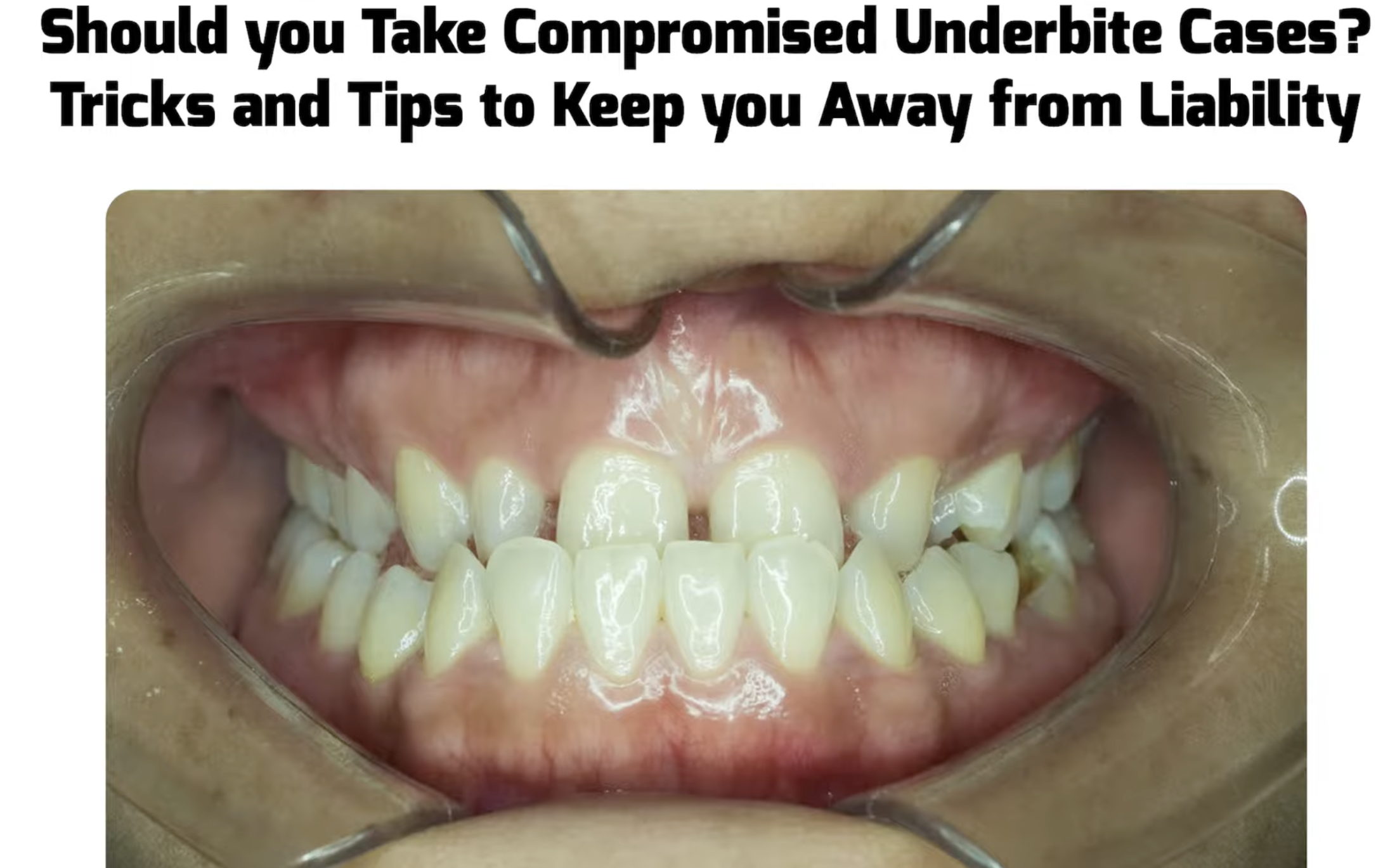 Taking Compromised Class III And Underbite Patients – Is It Worth It?
Have you ever wondered, is it worth taking on compromised orthodontic class III or underbite patients? If this is a question you’ve been feeling unsure about, there are a few key things you could consider to inform your decision.
Should You Take a Compromised Orthodontic Class III Case?
Taking on a compromised orthodontic class III case can be tricky, and it’s incredibly important to recognize when you have a compromised case to help inform your decision.
Crucially, before you even consider taking on a compromised case, make sure you’ve started by getting a compromise release form. Indeed, you won’t be able to get these difficult cases perfect with an orthodontic treatment plan alone.
As such, you will need to get coverage from your insurance provider for this sort of scenario and make sure you’ve outlined all of the risks, benefits, and alternatives of the compromised treatment plan in writing, and get this read and signed by your patient to cover your team.
Patients need to understand all of the limitations of a compromised case before getting started, as failing to do so can result in patients demanding a refund (or worse). Don’t take the risk. If you’re unsure, it’s better not to take on compromised cases where you can’t deliver perfect results.
If You Decide to Take The Case
If you decide to take the compromised case on, it’s important to stick to standards of care at every stage and ensure you’ve outlined everything the patient will need to know. Notably, it’s worth considering here that compromised cases should only be done in adults, ideally, once they have stopped growing; children will often be able to get better results with a proper treatment plan since they are still growing.
Compromised cases must always have a CEPH done. This is crucial to ensure you know what you’re dealing with clearly and help inform your treatment plan development.
If you are at all unsure about whether to go ahead with a compromised treatment plan, get professional support from a licensed orthodontist first. It’s not worth the risk.
Find Professional Support For Your Case
If you need professional support for your orthodontic class III case, we here at Straight Smile Solutions can help. After all, we understand that there are many different cases and scenarios, and there’s no simple solution to every case. Nonetheless, you can take steps to inform your decision – so if you need guidance with your particular case, don’t hesitate to book a consultation with our friendly experts!
Are Black Triangles Bad?
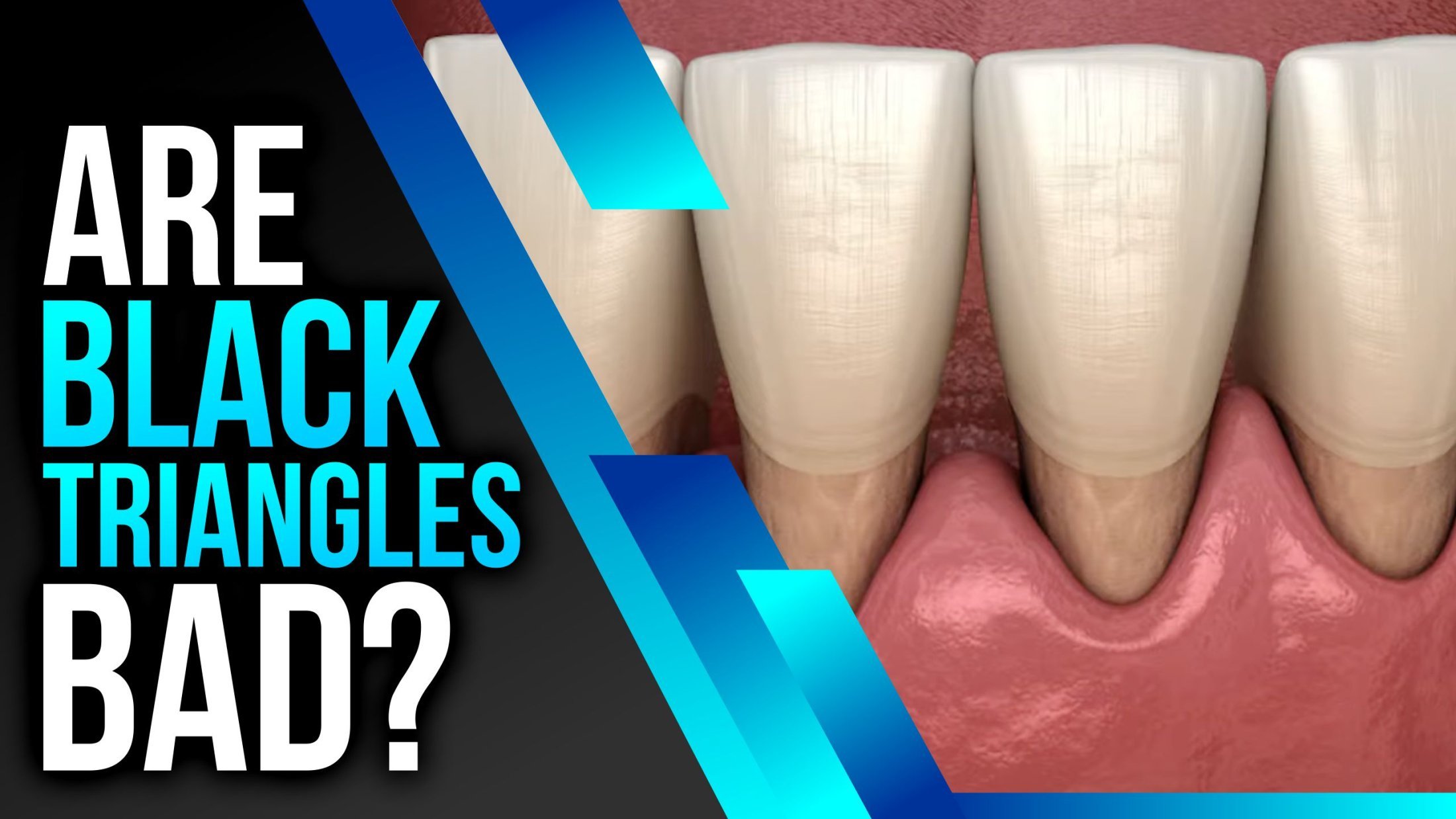
Have you ever wondered whether black triangles are bad in orthodontics cases? If this is something you have been wondering about, our experts can help, and we’ve outlined some key things you need to know about black triangles in orthodontics and whether you need a treatment plan to address them.
What is a Black Triangle?
A black triangle is a relatively common condition that typically occurs with aging. These happen when gaps appear in the gum line, creating the look of a dark black triangle between the teeth. However, while some people may experience these issues, they’re generally not a major problem.
What Causes Black Triangles?
Black triangles are commonly a result of aging. However, they can also be caused by genetics, and many people whose family members have experienced this condition may find they eventually experience the same in themselves, as they age.
Are They Bad?
While it’s easy to assume that black triangles must be a problem, this isn’t wholly the case. In fact, they often don’t need a treatment plan since it’s easier to clean in between black triangles – however, every patient is unique, so make sure to discuss this with them if they’re at all concerned about it. IPR can be used to reduce the appearance of these if needed, though.
When Do You Use a Lower RPE / Expander?
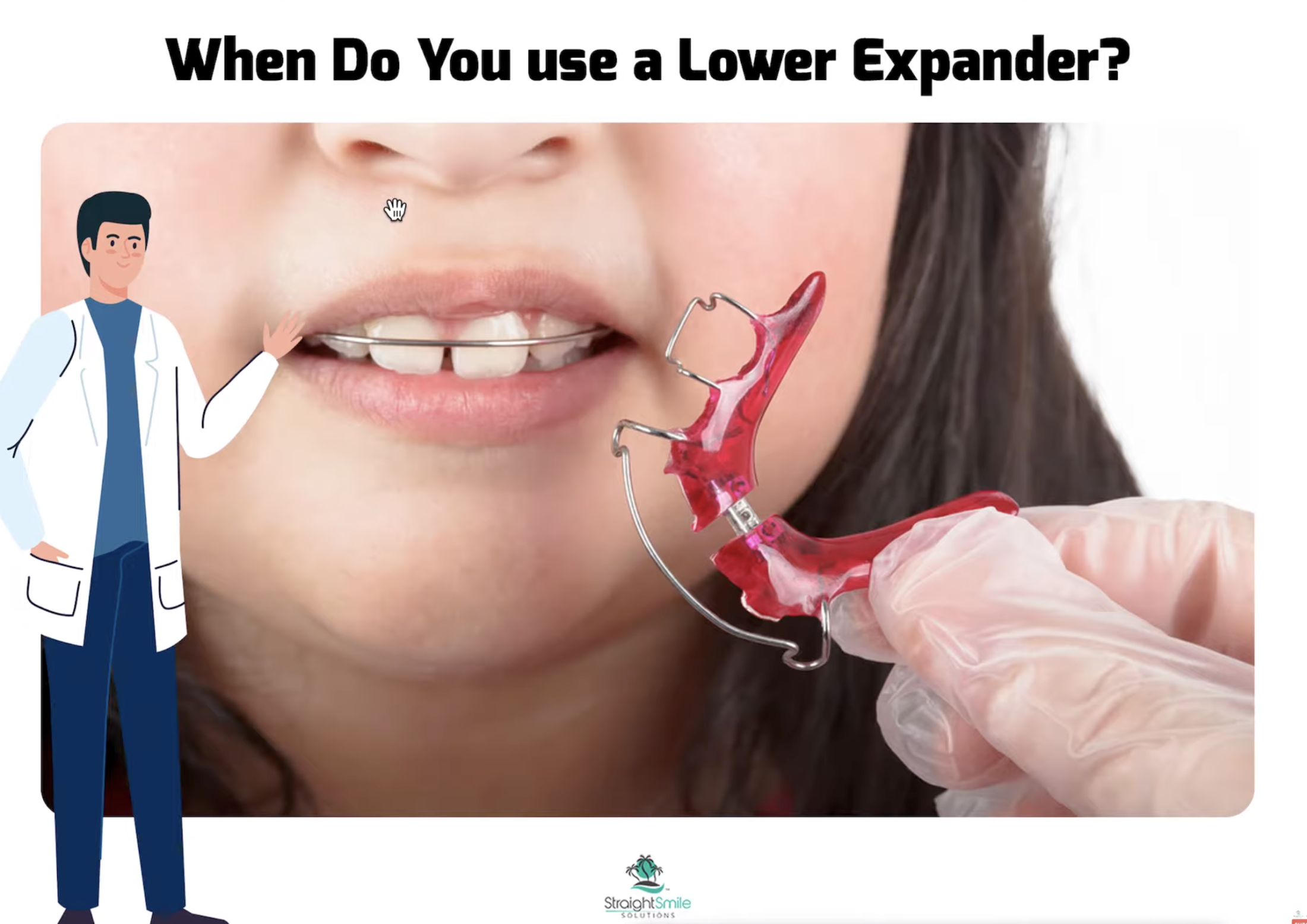
When Do You Use a Lower RPE / Expander?
In orthodontics, a lower removable palatal expander (RPE) is commonly used to correct dental and skeletal issues in growing children. The RPE device applies gentle pressure to the palate and teeth, gradually expanding the upper jaw to create space for proper tooth alignment and improve overall facial symmetry. However, there are instances where a lower RPE or expander with a lower resistance to force is recommended.
When determining the appropriate resistance level, one crucial factor is the child’s dental development stage. A lower RPE with reduced resistance may be used during the early mixed dentition phase, which occurs between the ages of six to nine. At this stage, the primary goal is to guide the growth and development of the jaw while creating sufficient space for the permanent teeth to erupt properly. The orthodontist can gradually encourage jaw expansion without excessive force using a lower RPE or expander.
Children with certain skeletal discrepancies or craniofacial conditions may also benefit from a lower RPE or expander. For instance, in cases of maxillary constriction, where the upper jaw is narrower than ideal, a lower RPE can be used to widen the palate and promote better teeth alignment gently. Similarly, children with cleft palate or other congenital abnormalities may require a lower resistance expander to accommodate their specific needs.
It’s important to note that a qualified orthodontist should make the decision to use a lower RPE or expander after a thorough examination and evaluation of the child’s individual needs. Before recommending the appropriate treatment approach, the orthodontist will consider factors such as the child’s age, dental development, skeletal structure, and existing conditions.
Conclusion
Dr. Amanda from Straight Smile Solutions discusses the topic of expansion in orthodontics, specifically focusing on the use of upper and lower expanders in growing children. Dr. Amanda advises against expanding in adults due to risks and suggests oral surgery instead. However, she recommends using both upper and lower expanders in children with crowding or impactions. The turns and treatment approach frequency may vary, and retention is crucial after expansion. Dr. Amanda stresses the importance of early intervention for proper jaw growth and addressing behavioral issues related to sleep and airway problems. She recommends using eruptive guidance appliances for teeth alignment and bite improvement. Dr. Amanda also highlights the impact of diet and lifestyle on jaw development and recommends exploring resources like the book “Breath” by James Nestor for further information. Her approach aims to expand the arches and promote healthy jaw development in children, considering the effects of modern lifestyles.
How IPR Works for Additional Aligners with Invisalign
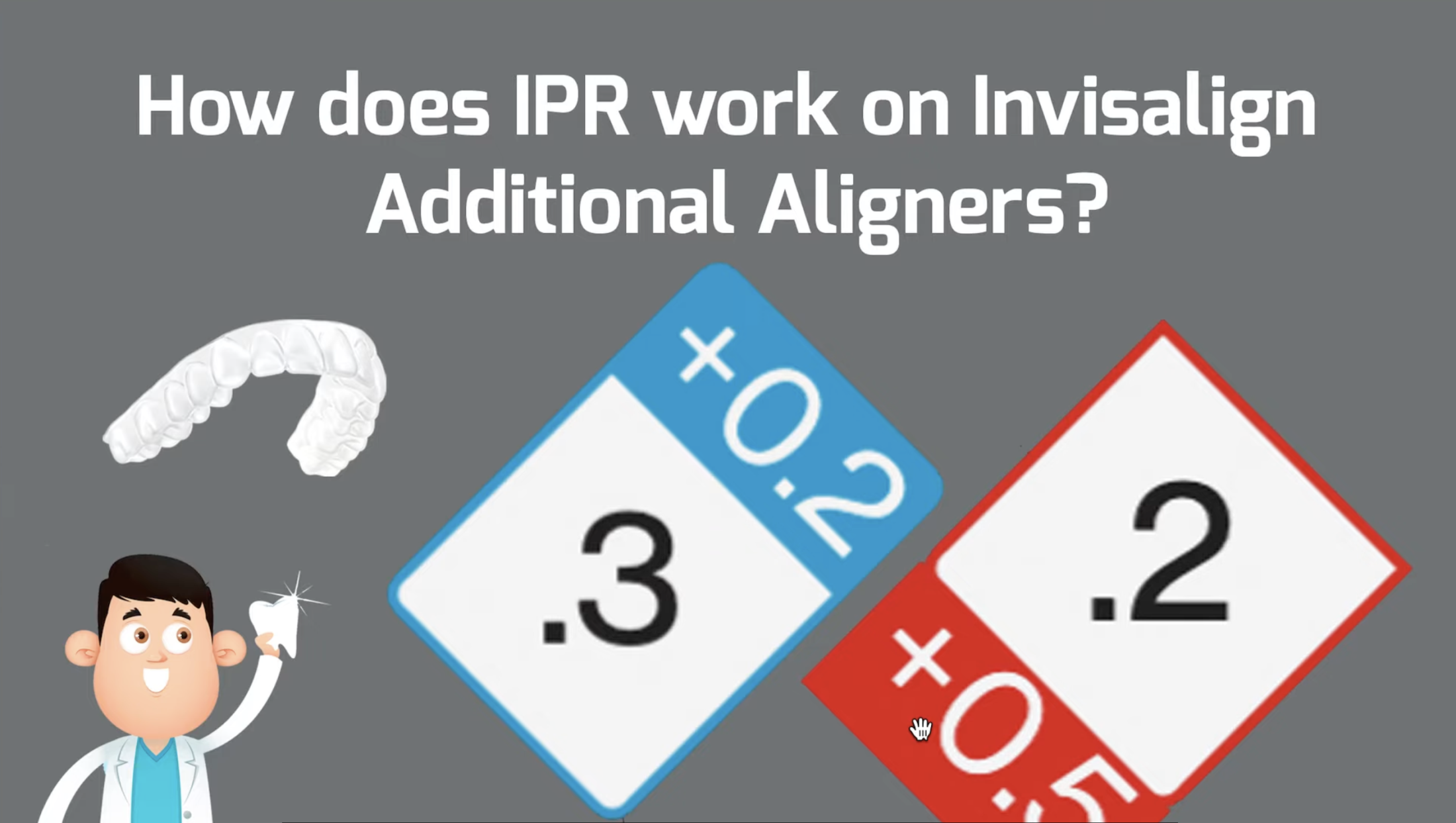
How IPR Works for Additional Aligners with Invisalign
Have you ever wondered about how IPR works for additional aligners (AKA refinements)? If this is something you have been unsure about, don’t panic; our friendly team here at Straight Smile Solutions are on hand to help you learn more about how IPR works to refine additional aligners with Invisalign.
What is IPR?
IPR stands for interproximal reduction. This technique removes a small amount of enamel from the edges of the teeth, thereby allowing slightly more room to correct crowding and the like.
There are several possible applications for IPR with Invisalign. However, before taking on your first case, it’s worth checking how additional aligners actually work in these scenarios.
How IPRs Work for Additional Aligners with Invisalign
When you head to your patient’s ClinCheck history, you’ll be able to view data regarding whether you did IPR for a patient and if you should do more work or not. This question will be asked by the Invisalign team when you submit a request for additional aligners (refinements).
Remember: in many cases, you will need to ask Invisalign directly for a very specific case, such as if you want no more than a certain amount of cumulative IPR or if you’re trying to do posterior work instead. If you’ve already considered redistributing, though, or if you think that doing additional aligners is going to be ineffective for the patient, you could consider elastics.
Final Thoughts
If you have been wondering about how IPR works with Invisalign and how additional refinement aligners are available, today’s guide should have helped. However, don’t be afraid to get in touch with our experts for further guidance on your unique cases, or check out our YouTube channel for more specific examples.