
StraightSmile Solutions®
Why Cloud Storage of Final Models is Important for All Ortho Cases
Maintaining cloud storage of final orthodontic records for braces, aligners, and Invisalign is standard practice amongst orthodontists. However, this practice has yet to become popular among general and pediatric dentists who provide orthodontic services to their clients.
In this article, we’ll discuss why cloud storage has become common practice for orthodontists and why those who don’t currently implement this strategy should consider doing so.

The first reason why cloud storage of final models is the standard of care for final records mandated by your area. Before the creation of digital study models, orthodontists used to keep physical final models for seven years after treatment or seven years after the patient turned 18. Even if your state does not mandate that you hold onto final models for a set period after treatment, there are other reasons why you should.
One of these reasons is risk management. Final models can help you significantly in the event of a complaint to a dental board or an insurance company. Not having these final study models in the event of a complaint can hurt you, especially if mandated by standard of care. Final models will help you to defend yourself against a complaint by ensuring that you have evidence of how the case looked at completion.
Additionally, these final models can help you to continue making money from these clients while having a high standard of care. The final models can be used to assist clients in the event of a lost retainer. While it isn’t perfect, final models can be used to make retainers from clients with braces or aligners, which you can charge for. You can also make bleaching trays and night guards from these final study models, which allow you to continue a good standard of care with your patients.
Invisalign Moderate: How to Choose Cases
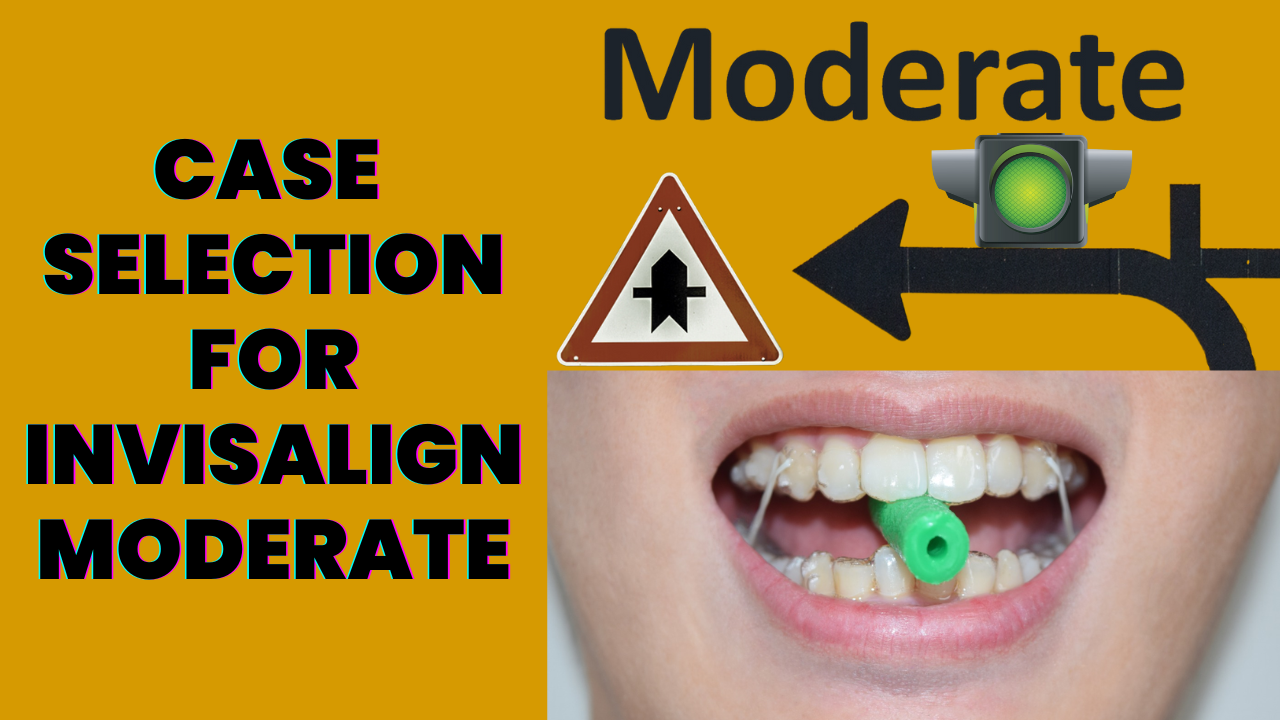
Have you ever considered using Invisalign moderate on a case? As part of your dentist consultation, it’s important to check the features of your chosen package to see whether you’re taking the right approach for a particular client. Fortunately, we’ve outlined some key things you should know for your case selection on which type of Invisalign (or aligner) product you should use.
When to Use Invisalign Moderate
There are a handful of scenarios in which you may want to use Invisalign moderate, but these will be few and far between for most dentist portfolios and consultations.
Before taking on any case, try to work out how many aligners your patient should need. To add a little flexibility, double this number – and that’s the number of aligners you’ll want to count on to reduce your risk of revisions. If the number is below twenty, you may be able to try a moderate Invisalign plan. However, if the result is higher than this, there’s a good chance that Invisalign doesn’t fit for your patient’s needs.
Moderate for Invisalign should always be for very simple cases, usually once all of the teeth are fully in and erupted already. And don’t forget: moderate cases only include around two years of cover, which can mean patients who relapse aren’t covered.
Choose Comprehensive for the Best Invisalign Before and After
If you have been struggling to work out which option to use, we here at Straight Smile Solutions generally recommend going for the fully comprehensive Invisalign portfolio package rather than opting for moderate. This approach provides a much lower-pressure solution, giving patients less discomfort and more reliable results overall.
If you attempt Invisalign moderate, there may be a good chance that you’ll need to do additional revisions after the case is done. Why take that risk?
What to Do at Every Invisalign with MA Appointment?
Invisalign cases that include mandibular advancement (MA) progress differently than standard Invisalign cases without MA, which means the flow of appointments and when you should stop treating with MA. These key differences stem from the process of MA, which pushes the mandible of a growing child forward to stimulate the mandible to grow.
In this article, we will discuss how to address Invisalign cases with mandibular advancement, including when you should refine or stop an Invisalign MA case.
What to Do at Every Invisalign with MA Appointment?
Invisalign cases with MA have two goals, which is why these cases are addressed differently than regular Invisalign cases. Not only are you trying to straighten the teeth, but you are attempting to grow a jaw. At each appointment in an MA case, you should check tracking and bite. To track this progress, we recommend that you take a set of photos with and without the aligners and mark the occlusion. For an MA case, you are looking for edge-to-edge occlusion.
Tracking an MA case is especially important to make sure that things are progressing nicely. Keep in mind that patients’ jaws grow at different rates, which is why it’s important to check tracking and bite at every appointment to ensure you know how things are progressing. You don’t want to skip this crucial step and miss the window for stopping MA. If the jaw has grown, you should measure the difference to avoid anterior interferences.
At this point, it is recommended that you stop the MA portion of the treatment and focus on refining. From there, you can mostly treat this case as a regular Invisalign patient. You may also consider overcorrecting slightly with MA, allowing for slight edge-to-edge as one to two millimeters of relapse is expected.
The Link Between Early Gum Disease and Orthodontics and How Invisalign Can Help
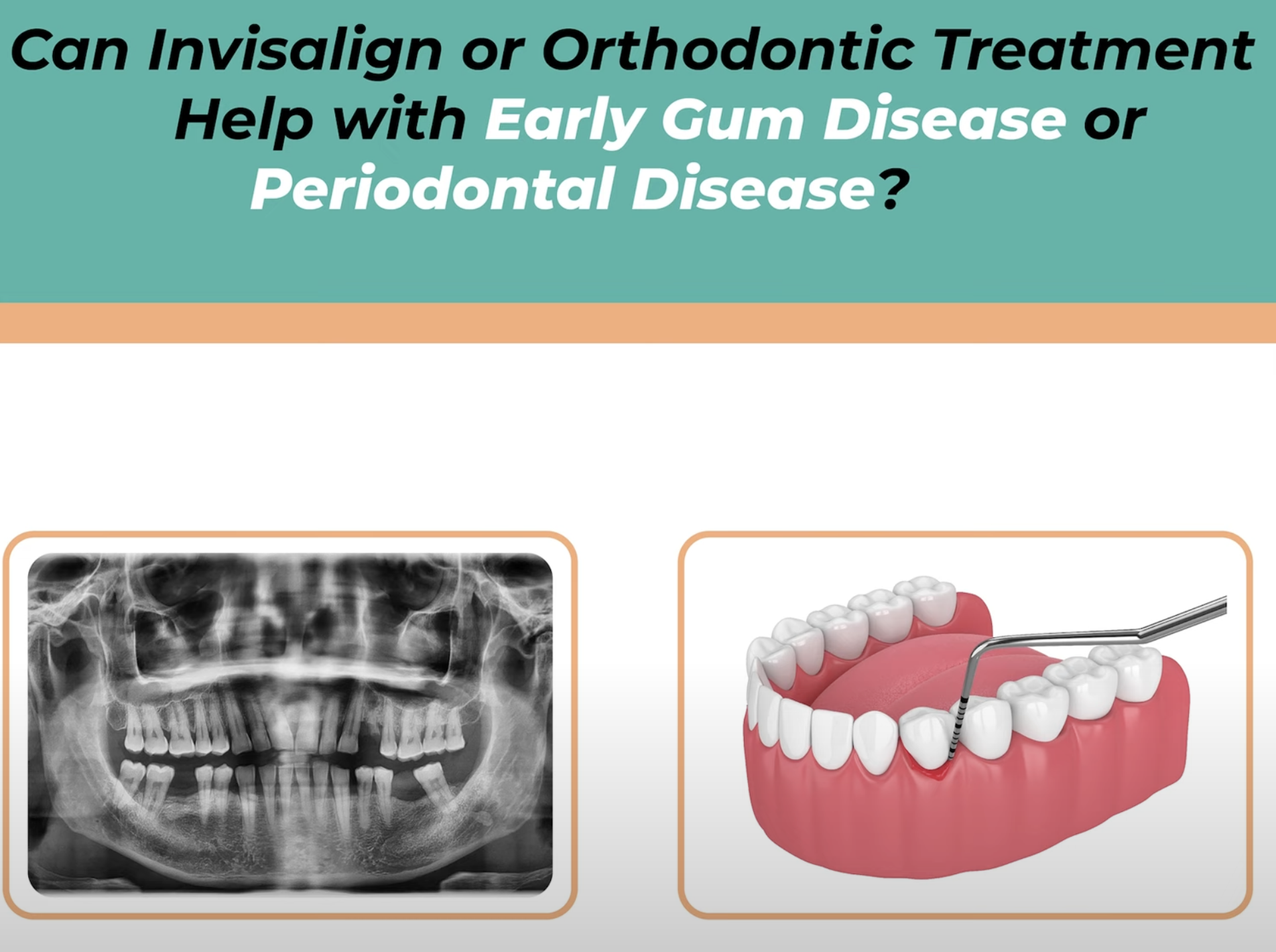
When it comes to orthodontics, one issue that many of us overlook is the role of early gum disease in a patient’s treatment plan – and critically, how Invisalign and aligners may be able to help with this. Indeed, the value that aligners can bring to specific periodontal cases is significant, and we’ve outlined some of the key things you need to know as follows.
What is the Link Between Early Gum Disease and Orthodontics?
There are several simple links between early gum disease and orthodontics, and keeping this in mind can help you find out more about how to help your patient’s recovery.
Periodontal diseases can occur when the structures of the teeth are impacted. And, of course, the supporting structures can, in turn, be damaged via gum disease. In these cases, you might find that the patient may need aligners such as Invisalign to help.
There are numerous potential causes of gum disease, though. Poor oral hygiene, smoking, genetic predispositions, and the like can all also increase the risk of gum disease. An unbalanced bite may also cause break down, which can increase the risk of suffering from periodontal problems. Thus, effective orthodontics may be necessary in some cases to help resolve the issues and prevent further complications.
Final Thoughts
If you’ve noticed the signs of early gum disease in a patient, you may be able to help with this by providing Invisalign support. However, make sure to consult with a professional periodontist to help your patient find the optimal treatment plan for their unique case.
Expansion vs Proclination in Orthodontics Cases
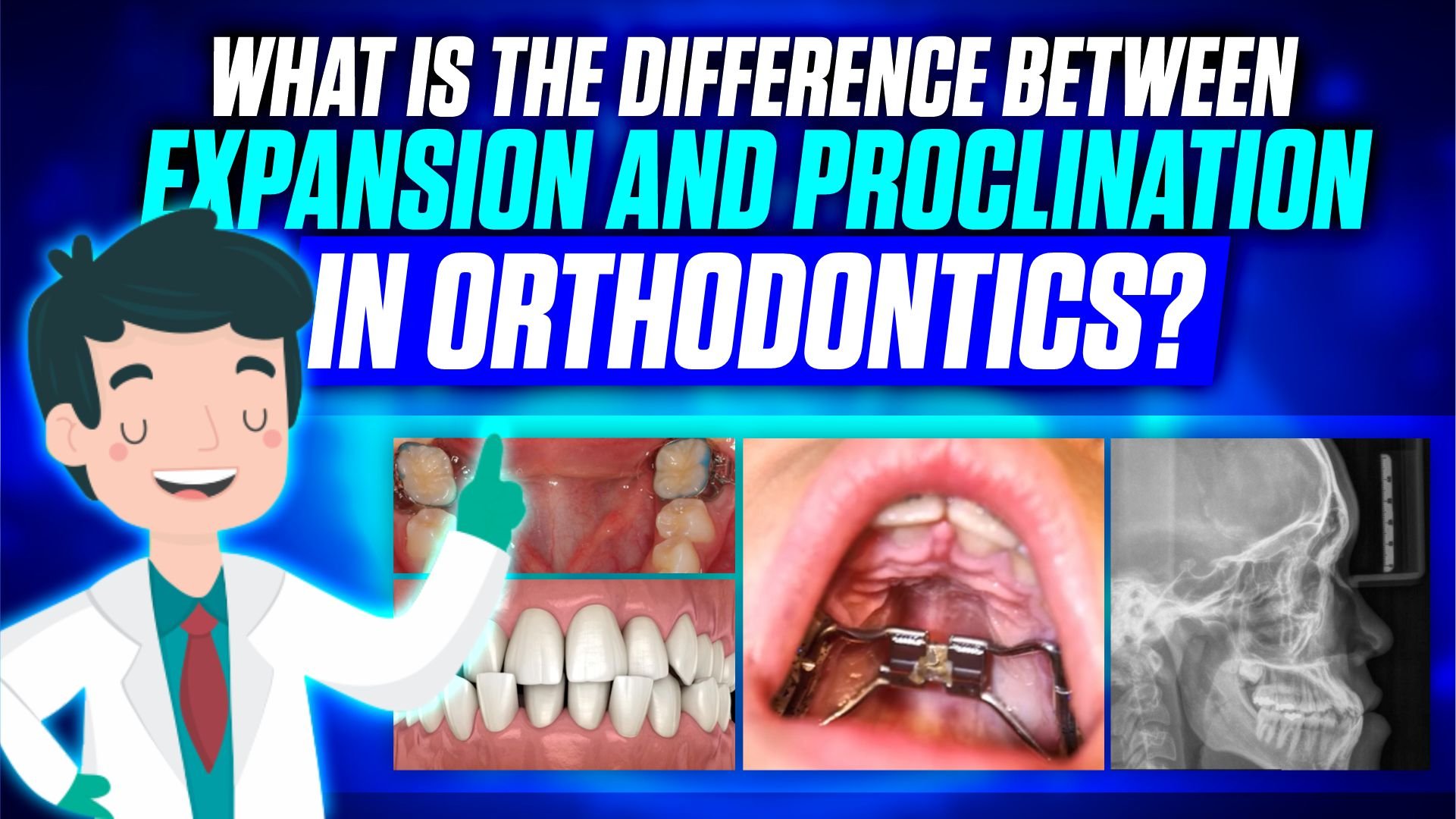
Have you ever wondered about the difference between expansion and proclination in orthodontics cases? It’s not always easy to work out how these differ, but you can keep several key things in mind to help inform your decision. With this thought to fall back on, today, we’ve outlined some of the key things you should know about expansion vs proclination in orthodontics cases to help!
What is Expansion?
First of all, we need to look at expansion. Expansion is a term used to describe cases where
There are two main types of expansion: skeletal expansion, where an appliance expands the arches in the upper jaw; and dental expansion, where the teeth are tipped to widen the arch. Skeletal expansions are much more successful in children than in adults.
What is Proclination?
Another option you may need to consider as a GP looking into orthodontics is proclination. Proclination is a process whereby the teeth at the front of the mouth are tipped forward slightly. The process is the opposite of retroclination.
How Do These Treatment Plans Differ?
Generally speaking, it’s easy to confuse expansion and proclination cases. However, it’s critical to ensure you have a clear understanding of these two treatment plans to communicate effectively and accurately with your patients. Don’t chance it!
The biggest difference is in relation to the direction of movement. With proclination, the front teeth are angled slightly further forward. In contrast, expansion cases are generally used to provide arch expansion within the mouth.
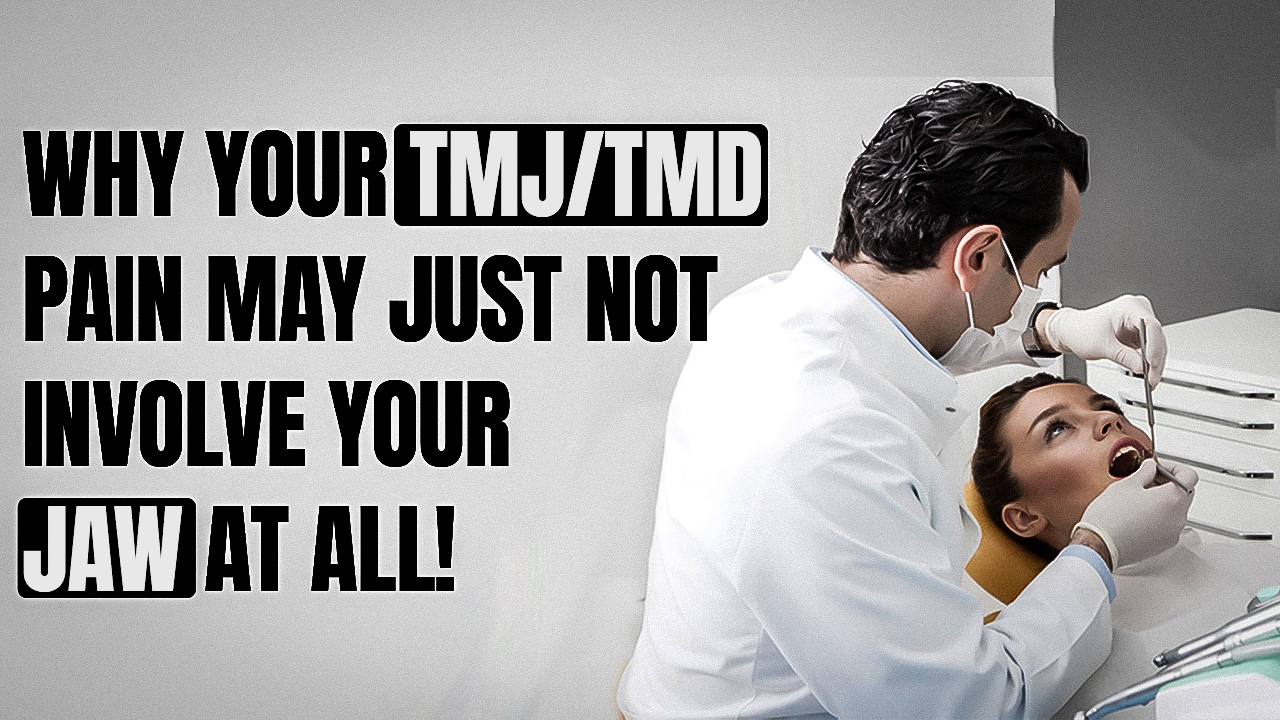
Why TMJ and TMD May Not Be Related to Your Jaw At All
Why TMJ and TMD May Not Be Related to Your Jaw At All
Have you ever wondered about the relationship between your jaw and TMD jaw pain? In many cases, it’s generally assumed in orthodontics that jaw pain must result from jaw problems; it does make sense, after all. However, when developing a suitable treatment plan, it’s worth remembering that TMJ and TMD may not necessarily be related to your jaw.
When TMJ and TMD Aren’t Related to Jaw Pain in Orthodontics Cases
TMJ and TMD pain (temporomandibular joint disorders) isn’t always easy to pinpoint in orthodontics cases, making it hard to come up with a treatment plan. And while braces may help with recovery from these conditions, they’re not a guaranteed solution.
One of the biggest reasons this is difficult to tackle is that the pain may not actually be related to the jaw, despite where the pain originates. And, while some patients might find that masseter botox treatments may help alleviate some of the discomfort, this doesn’t necessarily mean that the condition will be easy to treat at the source.
Some potential causes include tongue ties, neck problems, and the like. The conclusion isn’t straightforward, so ensure you’ve got professional support when helping your patient know where to turn when building their treatment plan.
Final Thoughts
It’s not easy to start with orthodontics, but one key principle to remember is that things aren’t always as they appear on the surface. Indeed, with TMJ and TMD jaw pain, the cause may not always be obvious.
If you have any further questions about doing easy orthodontics, make sure to check out our other collection of dentist videos to help!
Stop Flashing!

Stop Flashing your Invisalign and Clear Aligner Patients!
Dr. Amanda is a dental professional specializing in precise aligner treatments and runs a website called Straight Smile Solutions (straightsmilesolutions.com). Here are some insights from Dr. Amanda about the issues that can arise with clear aligner cases, mainly focusing on the problem of flashing around the attachments. She outlines the top three reasons practitioners may need help with aligner cases.
In orthodontics, “flashing” refers to using a high-intensity light source to cure or harden dental materials such as orthodontic adhesive or dental composite. The light source, a dental curing light, emits a specific wavelength that activates photoinitiators within the material, initiating a chemical reaction that causes the material to harden or set.
The first reason is the need for proper case selection. Choosing the suitable case for the appropriate system is crucial for successful outcomes. Dr. Amanda suggests understanding the categorization of cases as green, yellow, or red and learning how to select the proper case for a specific system can significantly improve treatment results.
The second reason is an improper treatment plan. Dr. Amanda emphasizes the importance of orthodontists thoroughly understanding the software and not solely relying on the technicians’ recommendations. She explains that accepting the initial treatment plan without modifications can lead to suboptimal outcomes. Dr. Amanda shares her experience of going through a meticulous process to customize treatment plans, which involves multiple iterations to achieve a clean check or a well-prepared treatment plan.
The third reason is the need for an accountability loop. Dr. Amanda emphasizes the significance of compliance in orthodontic treatment and suggests that many general and pediatric dentists often need to verify their accuracy to accept patients’ claims. She stresses the need for a virtual accountability loop to monitor patients wearing clear aligners, as it helps ensure compliance and reduces the likelihood of complications and refinements. Companies such as DentalMonitoring and InHand Dental provide software solutions for accountability loop systems.
Dr. Amanda advises practitioners on how to address the issue of flashing. She recommends avoiding using flowable materials for attachments and instead suggests learning to pack the trays properly. Dr. Amanda shares a technique where trays can be pre-loaded the night before the appointment and stored in airtight containers. This approach allows for a more relaxed chair-side loading process and saves time. She also suggests initially trying the first tray without attachments to check for any manufacturing issues or teeth shifting before attaching them. If the tray fits perfectly, the attachments can be added. However, a rescan and warranty fit may be necessary if there are tracking issues.
Dr. Amanda also emphasizes the importance of removing flash and suggests using a black light to identify and clean off any excess flash. She warns against leaving trays that do not fully seat and recommends having patients return to the office before progressing further with the treatment.
Conclusion
Dr. Amanda from Straight Smile Solutions emphasizes the importance of addressing the common issues associated with clear aligner cases. By focusing on proper case selection, creating customized treatment plans, implementing an accountability loop, and avoiding flashing, orthodontists can enhance the success and efficiency of their aligner treatments.
How Invisalign and Mandibular Advancement Work
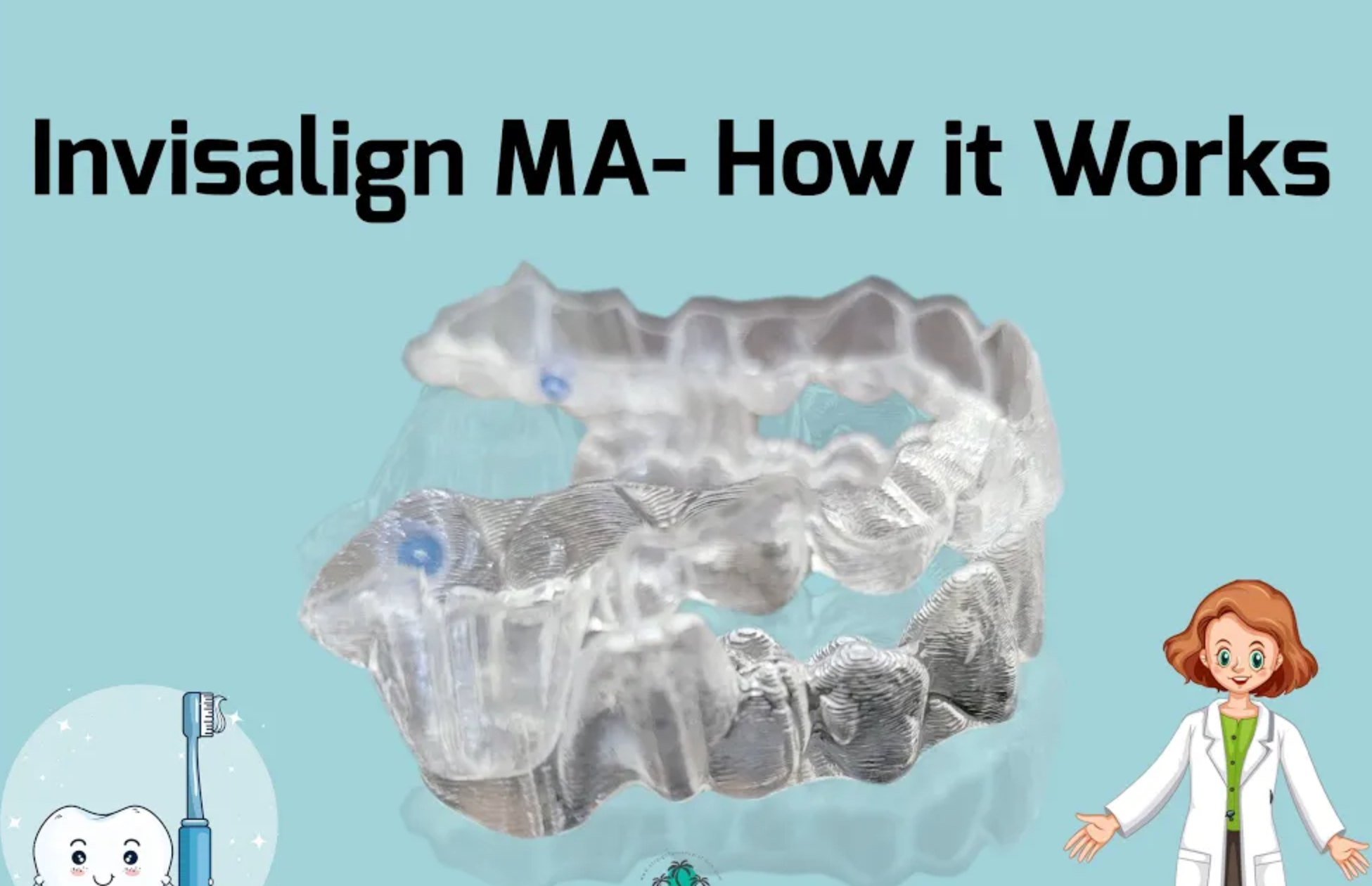
Have you ever thought about trying Invisalign with mandibular advancement cases? It’s something that many of us overlook, but this shouldn’t have to be the case, aand understanding this technique might offer a myriad of benefits. So, without further ado, we’ve outlined some of the key things you need to know as follows to help.
How Can Invisalign Work for Mandibular Advancement Cases
Did you know that Invisalign can be an incredibly effective tool for MA jobs? Indeed, while MA orthodontics can be a little complex, it’s a great option to consider when creating a treatment plan.
There are several options for MA work through Invisalign, which will largely depend on your location. Indeed, the comprehensive plan may be possible to upgrade to Invisalign with MA; however, it’s important to recognize that you’ll usually need around thirty to forty aligners to sort the treatment plan, and further refinements are often needed to get good results from your cases.
However, it’s worth noting here that Invisalign with MA will only work in cases where the patient is still growing. For other patients, you may want to consider an alternative option to help resolve the issues your patient has been experiencing. Remember: you’ll ideally want your patient to wear their Invisalign aligners for around 24 hours per day, too.
Final Thoughts
As part of our Invisalign consulting, it’s important to recognize that this excellent tool can offer a simple solution to support mandibular advancement. However, this isn’t always the most straightforward process; so, where possible, try to start off with other Invisalign cases first. Don’t worry – we’ve got countless dentist videos and blogs on all manner of treatment options, so our experts here at Straight Smile Solutions can help you find the answers you need.
Should Align Technology Make Changes in Billing Policies?
Dr. Amanda, a dedicated professional from Straight Smile Solutions, has recently shared her frustration and deep concern about the payment practices of Invisalign. She firmly believes that people must speak up about this issue, as she has experienced the negative impact. The following blog is just a clinical opinion, if Align Technology has a concern, please address Dr. Amanda directly to have this updated or modified.
According to Dr. Amanda, Invisalign follows a system incentivizing doctors to take on as many cases as possible. However, there is a significant flaw in the process, as there needs to be a clear billing statement or reminder to pay. This can result in substantial bills accumulating over time. Invisalign’s terms and conditions state that failure to pay by a specific date can lead to account suspension or closure, accompanied by an embarrassing yellow banner that cannot be removed.
Dr. Amanda argues that this payment process needs to be revised, particularly for orthodontists in the United States who receive payments in small increments from insurance companies over an extended period. To address this issue, she suggests that Invisalign implement a pay-as-you-go system or provide a precise sliding scale indicating the outstanding balance. These measures would help doctors avoid falling behind on payments and manage their finances more effectively.
The consequences of account suspension or freezing extend beyond doctors with outstanding bills; their patients are also affected. Even patients who have paid in full may face treatment interruptions, including necessary refinements.
Dr. Amanda expresses grave concern that this problem could have severe consequences, leading to doctors going out of business and jeopardizing the reputation of aligner technology as a whole. She passionately calls on Invisalign to allow doctors to continue treating existing patients, even if new patient submissions are temporarily halted. She suggests imposing interest or penalties for late payments and freezing new patient cases as a compromise. In her opinion, these measures would strike a balance between addressing the payment issue and ensuring the continuity of patient care. Advocating for fair and transparent payment practices can help protect the livelihood of doctors and ensure that patients receive the continuous care they deserve.
Conclusion
While Align Technology’s innovative products have revolutionized orthodontic treatment, the company’s payment practices pose a risk to doctors regarding patient abandonment. Align Technology can cultivate more robust relationships with dental professionals by proactively addressing the concerns surrounding reimbursement delays and streamlining the payment process, ensuring continued access to their products, and fostering better patient care.
What is a Sunday Bite?

What is a Sunday Bite?
Have you ever wondered what a Sunday bite is and how this relates to orthodontics? Finding the optimal treatment plan can often seem a little difficult. With this thought in mind, today, we’re looking at some of the key things you should know about Sunday bites and what they mean from an ortho perspective.
What is a Sunday Bite
First of all, we need to consider what a Sunday Bite is in orthodontic treatment plans. If you’ve ever started a treatment plan only to notice the patient becomes a Class II case down the line, you may be dealing with a Sunday Bite.
In these cases, the mandible won’t have shrunk, nor will the maxilla have grown forward if the patient is a little older.
More likely, a patient with overjet may just have moved their jaw forward to make it look normal, often being what they’re more comfortable with. In these cases, the patient likely won’t know they’re doing this; make sure to watch patients with a Class II profile with Class I records and not inadvertently holding their jaw unnaturally.
However, it’s also possible to potentially cause a Class II to appear, especially if the anchorage wasn’t controlled properly.
Final Thoughts
If you’ve been struggling to learn more about Sunday bites in orthodontics, consider the different treatment plan options available to help. Fortunately, our experts here at Straight Smile Solutions may be able to help you determine whether the case you’re facing is a Sunday Bite or not, allowing you to optimize your own approach to treatment.