
StraightSmile Solutions®
True Unilateral Cross Bites: An Uncommon Phenomenon

True Unilateral Cross Bites: An Uncommon Phenomenon
Have you ever encountered a true unilateral cross bite case with your orthodontics work? It’s a case that many people suspect in kids, but this may not be the case. And so, with this thought in mind, it’s worth checking whether the case you’ve been presented is actually a true unilateral cross bite or if it might be something else.
Things to Look At If You Suspect a Unilateral Cross Bite
If you’ve been wondering about unilateral cross bites, it’s important to start by looking at the midlines for your patient, especially in a child. If you notice issues with the midlines, there’s a good chance that the issue isn’t actually a true unilateral cross bite. As such, you should be able to resolve this easily with the right treatment plan.
However, if the midlines are correct, it may be worth getting a second check to learn more about the potential signs and whether you’re looking at a true unilateral cross bite.
Final Thoughts
True unilateral cross bite cases are surprisingly rare, although it’s not uncommon for cases to look like this. However, there are a few things you should keep in mind to help avoid difficulties with your own diagnosis.
Removing Invisalign Before Revisions and Refinements
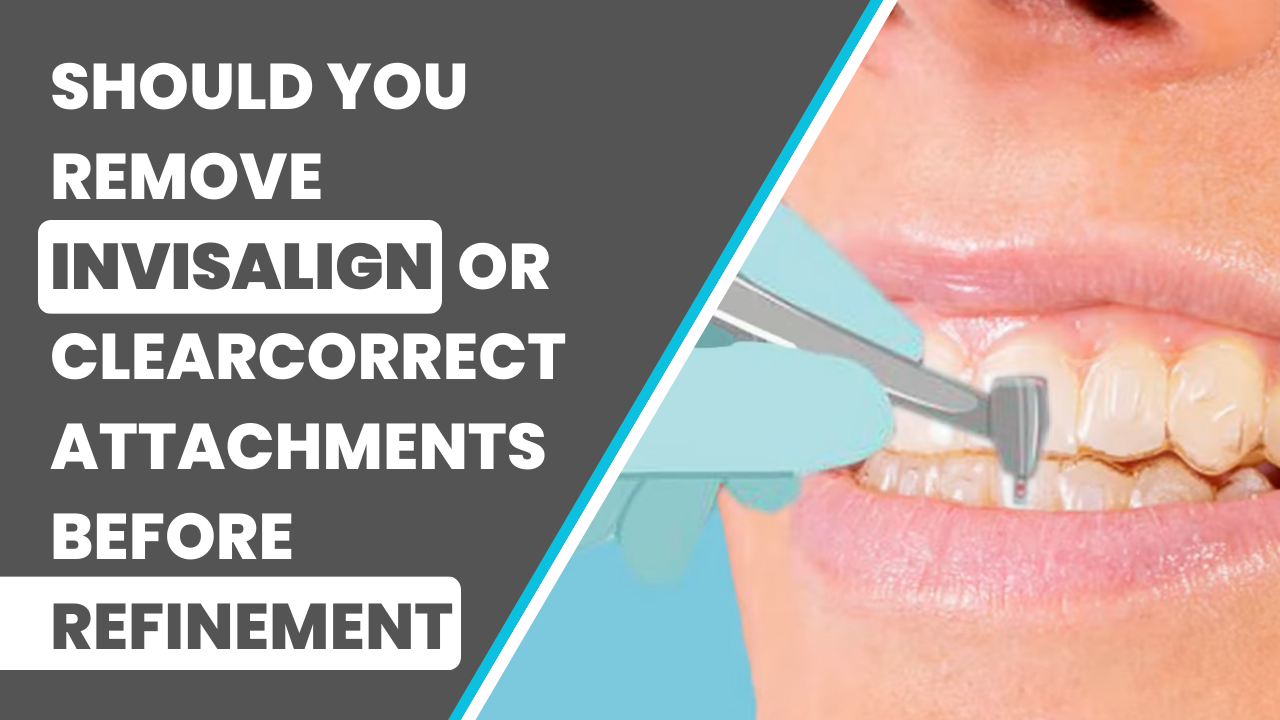 Removing Invisalign Before Revisions
While we all like to hope our cases will go perfectly the first time around, this isn’t always the case. In line with this, it’s worth having a plan in place for when you experience revision cases – and critically, knowing whether you should remove Invisalign before revisions is crucial.
Should I Remove Invisalign Before Revisions?
It’s not always easy to work out whether to remove Invisalign before revisions as standard; however, we fully recognize that there are ways to help inform this decision. Crucially, if you have experienced problem with your patient’s progress and you do not know why, removing the Invisalign will often be essential.
Often, a treatment plan may go off track if you struggle to customize the patient’s ClinCheck. However, compliance can also be an issue if your patient is refusing to cooperate with the plan. In line with this, a weekly accountability loop can make a massive amount of difference to your success rates.
In any case, make sure you try to identify what went wrong initially to reduce the chances of revisions being neded – and if the issue is minute, you may (but this is not guaranteed) be able to avoid removing them.
Final Thoughts
Invisalign is one of the most common clear orthodontics brands, but it’s important to recognize here that you may need to remove your Invisalign aligner in some cases. However, if you know what the problem is, you may have more freedom with avoiding removing Invisalign for aligners and similar cases.
The Alternatives to Invisalign for Custom Aligners You Should Know for Phase 1 Treatment Plans
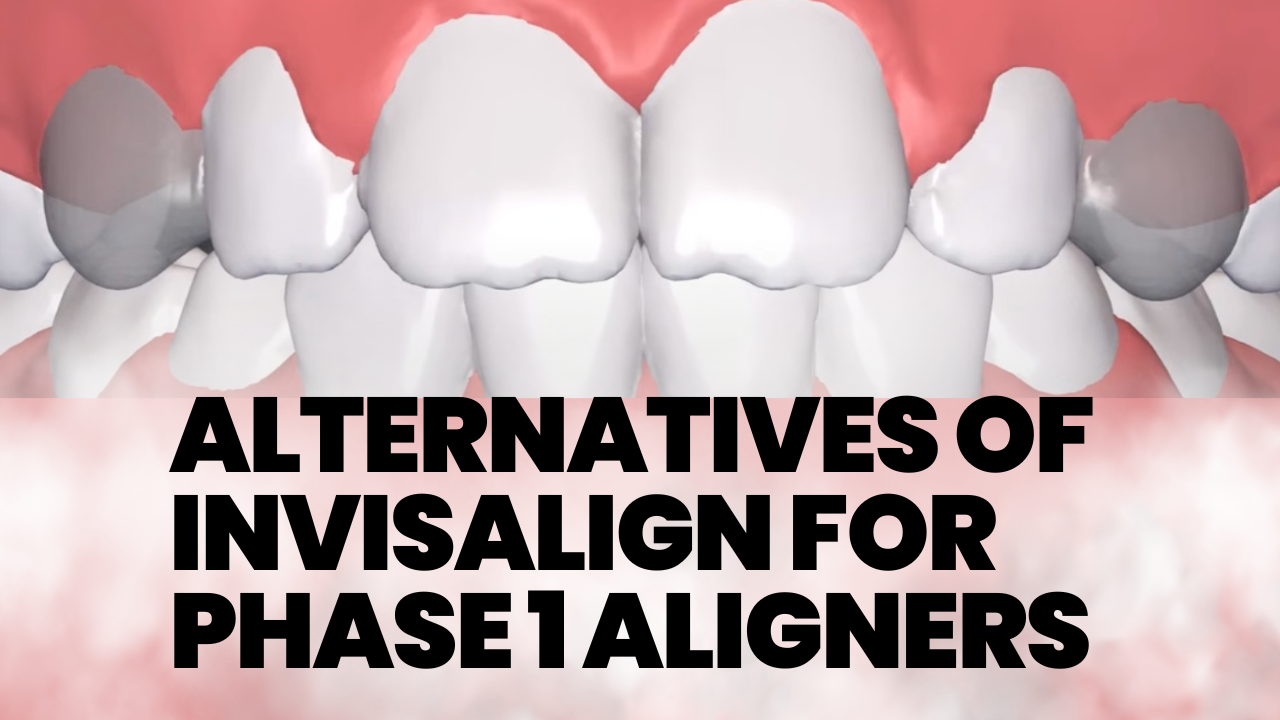
Have you been looking to find the best alternatives to Invisalign for custom clear aligners? While it’s not always easy to work out which type of aligner is right for your case, knowing about the different options can be a big help – and we’ve outlined some of the different Invisalign alternatives you should know to help.
The Alternatives to Invisalign for Custom Clear Aligners
Did you know that there are numerous alternatives to Invisalign if you need custom clear aligners? Considering these can be a big help as part of your case. However, it’s worth recognizing that the alternative companies may not always market that they offer Phase 1 treatment plans.
Generally speaking, alternative custom aligners may be best suited to very minor Phase 1 cases. If you’re looking to take out teeth or do a little more in-depth work, you may need to switch to Invisalign plans. This is since alternative custom aligners often have fewer features than the main Invisalign package, so you may have less flexibility. As such, ordering aligners as needed, rather than all at once, may allow you to tweak your approach a little more if something goes wrong.
Get Support for your Case
Every Invisalign or custom aligners case is unique. So, if you need any support with your decision, please don’t hesitate to contact our experts here at Straight Smile Solutions. We’re here to help!
Ways to Move Teeth and Correct Crowding: IPR, SD, Expansion, Proclination, Extraction
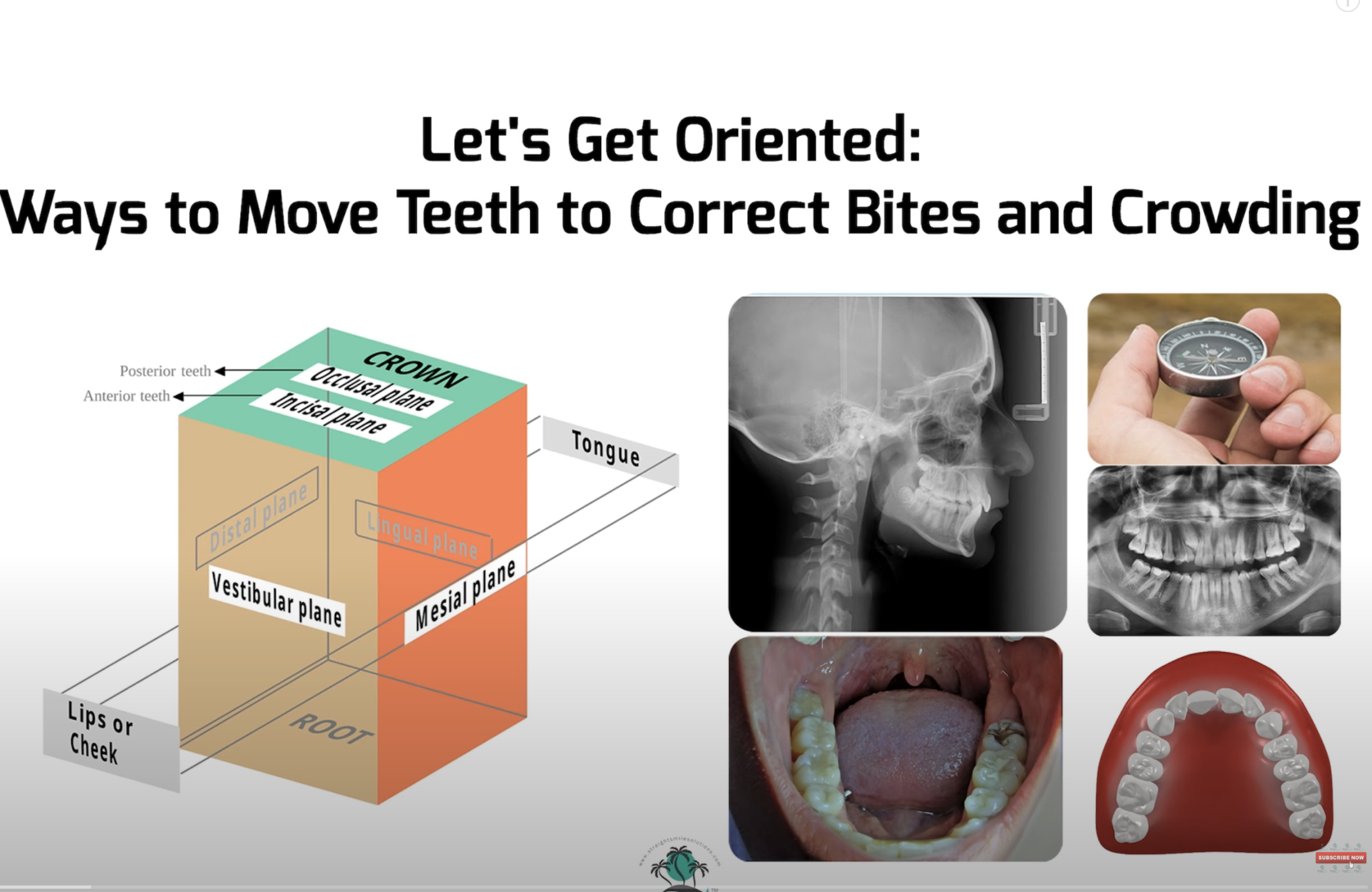
Dr. Amanda from Straight Smiles Solutions is dedicated to helping patients achieve beautiful, aligned teeth. She emphasizes the importance of understanding the directions in which teeth can move and the limitations associated with orthodontic treatment.
In her previous coaching sessions, Dr. Amanda focuses on the initial step of getting oriented and discussing the various ways to move teeth. She highlights techniques such as Proclination (leaning incisors forward) and Arch expansion, which can help create space and alleviate crowding. However, she emphasizes that evaluating each case individually is crucial, not solely relying on clear aligner setups or treatment plans from aligner companies.
Dr. Amanda emphasizes the need for comprehensive diagnostics before making any treatment decisions. This includes assessing the health of teeth, roots, and gums through various tools such as Panoramic x-rays. She also mentions using Cephalometric x-rays to analyze the angulation of incisors and determine their stability. However, the decision to obtain cephalometric x-rays depends on the individual dental practice and the regulations in the respective state or country.
Expansion of arches and proclination are effective methods, but Dr. Amanda cautions against moving teeth forward without considering the root scalloping and potential negative effects on tooth vitality. She stresses that the clincheck or treatment setup provided by aligner companies should not be blindly followed, and dentists must use their professional judgment to ensure the safety and health of their patients.
Dr. Amanda introduces another technique called Sequential distalization, which is easily achievable with Invisalign for cases without impacted third molars. This method involves progressively moving teeth distally to create space. She mentions that this technique requires more aligners and time but can yield excellent results.
In terms of interproximal reduction (IPR), Dr. Amanda recommends attending her webinar sponsored by Garrison Dental, where she will discuss the topic in detail. She mentions that IPR should be performed cautiously, considering the patient’s age, tooth health, and the maximum amount of enamel that can be safely removed. Dr. Amanda believes in using IPR as a last resort and strives for a zero percent extraction rate, particularly in growing patients.
Dr. Amanda’s goal is to provide alternative treatment options that minimize or eliminate the need for premolar extractions. She believes that extractions should be rare and performed only when necessary due to severe perio issues or extensive tooth decay. She emphasizes the importance of considering the patient’s oral health, age, and growth potential when determining the most suitable treatment plan.
Conclusion
Dr. Amanda invites dental practitioners to visit her Straight Smile Solutions website for more information and assistance with their cases. She expresses her enthusiasm for helping fellow professionals. Dr. Amanda emphasizes the significance of gaining experience and knowledge to understand the various techniques and treatment possibilities available for moving teeth effectively and safely.
Do You Need a CEPH X-ray for Ortho Cases?
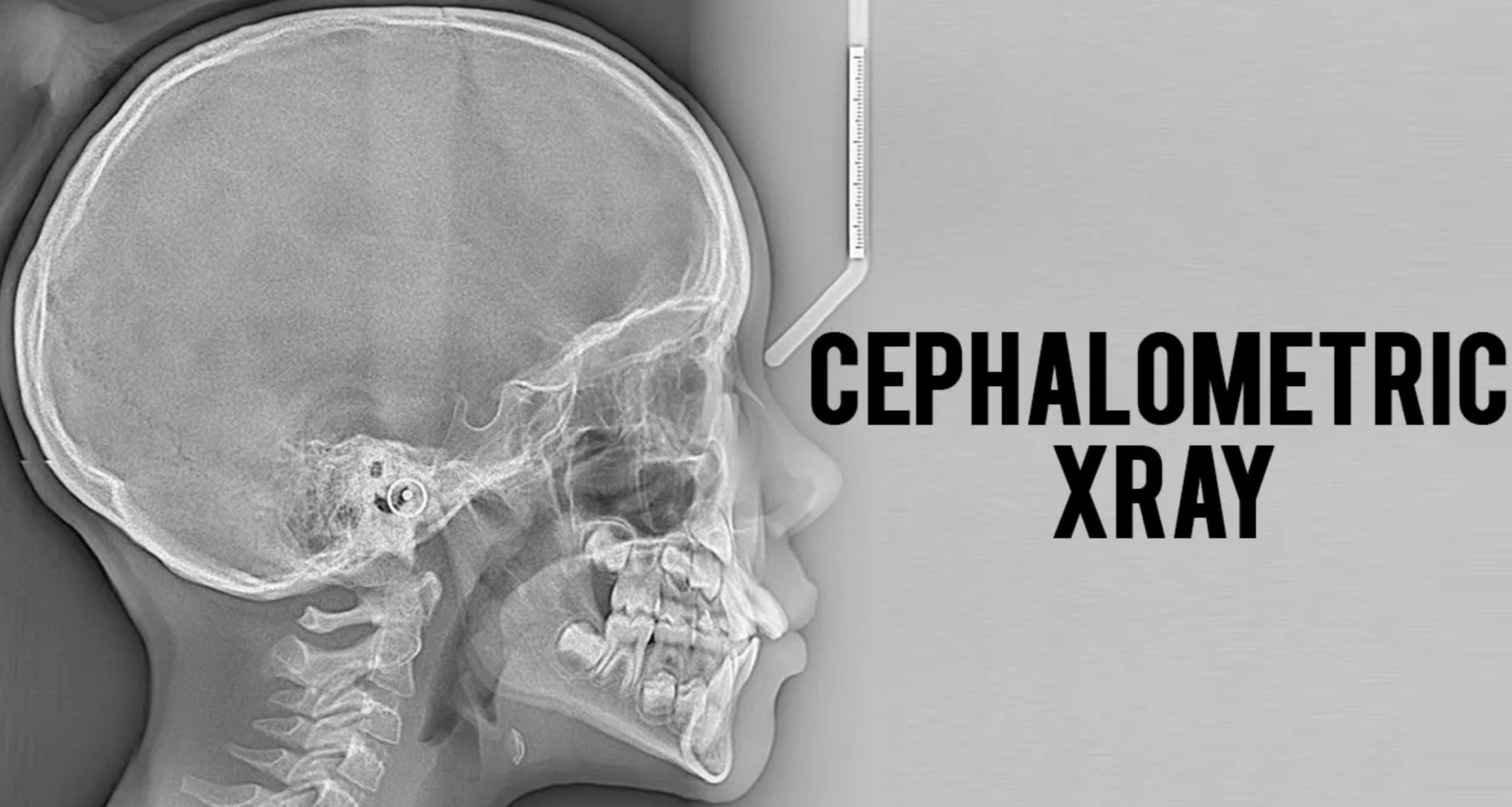
Do You Need a CEPH X-ray for Ortho Cases?
Have you ever wondered about whether you need to get a CEPH X-ray for your ortho cases? In many cases, this can seem somewhat difficult, but this shouldn’t be the way. Luckily, our experts are on hand to help you learn more about the optimal orthodontics treatment plan and whether you should take a CEPH as part of this.
Do You Need a CEPH X-Ray for Orthodontics Treatment Plans?
Taking a CEPH is incredibly important in many cases – although it’s also incredibly easy for people to overlook this, especially when they’re new to orthodontics. Nevertheless, these can often be highly important aspects of your dentist consultation overall.
It’s worth noting that, in some jurisdictions and regions, a CEPH X-ray will be a requirement of your treatment plan; however, this isn’t the case in every scenario. So, make sure to check your local legislation before making any decisions.
With that being said, while it’s often important to get a CEPH, the amount you’ll need to rely on your CEPH may vary depending on the case. Nevertheless, the CEPH provides valuable and crucial information for your case, making it a vital resource as part of your dentist consultation. Notably, the CEPH can give quantifiable information that informs a plan.
CEPH x-rays are crucial orthodontics tools if you are dealing with especially difficult cases, such as those with vertical issues, if the face is longer or shorter than average, AP issues, to check the alignment of the incisors, severe crowding, over or underbites, and the like.
Get Professional Support
If you need professional support for your orthodontics cases, get in touch with a professional team – such as ours here at Straight Smile Solutions – to learn more. We’re here to help you find the ideal solutions for your orthodontic cases.
When to Address Midlines and Posterior Openbite in Invisalign
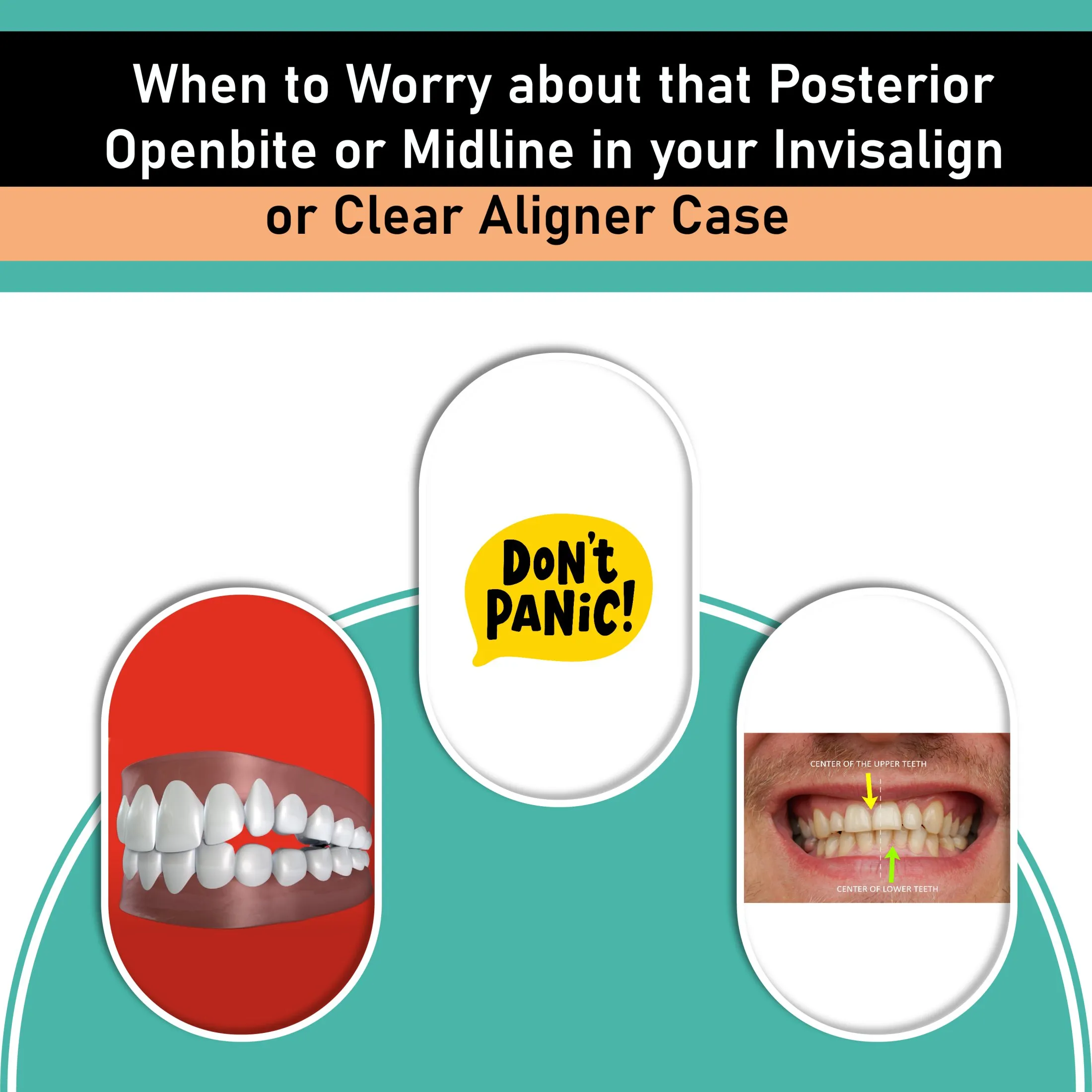 When to Address Midlines and Posterior Openbite in Invisalign
Have you ever wondered about when to address midlines and posterior openbite cases in Invisalign (and other forms of clear aligner)? This isn’t always easy to work out since there’s a lot you’ll need to keep in mind as part of this decision. However, our experts are on hand today to help you learn more about Invisalign cases and address posterior openbite and midlines in these scenarios.
When to Address Midlines and Posterior Openbite in Invisalign
Midlines and posterior openbite cases can sometimes be a little tricky to address, but it’s important to recognize that it may be possible to resolve these with Invisalign or clear aligner cases.
When it comes to these cases, the upper midline is generally the most important to consider; the lower midline may be easier to resolve later. As such, when carrying out a ClinCheck initially, make sure you mark this so you know what you’re dealing with.
During treatment, posterior openbites may often occur. Sometimes, anterior bite turbos or Botox may be effective options for this scenario; however, a very minor case is often normal and expected during these cases.
Find Out More
If you have any difficulties with posterior openbite or midlines in your cases, ensuring you know about some of the key challenges is hugely important. Fortunately, this can be addressed in your Invisalign cases – but if you need more support, our Straight Smile Solutions experts will help.
Comparing Ghost IPR with Virtual Power Chain for Finishing Invisalign Cases
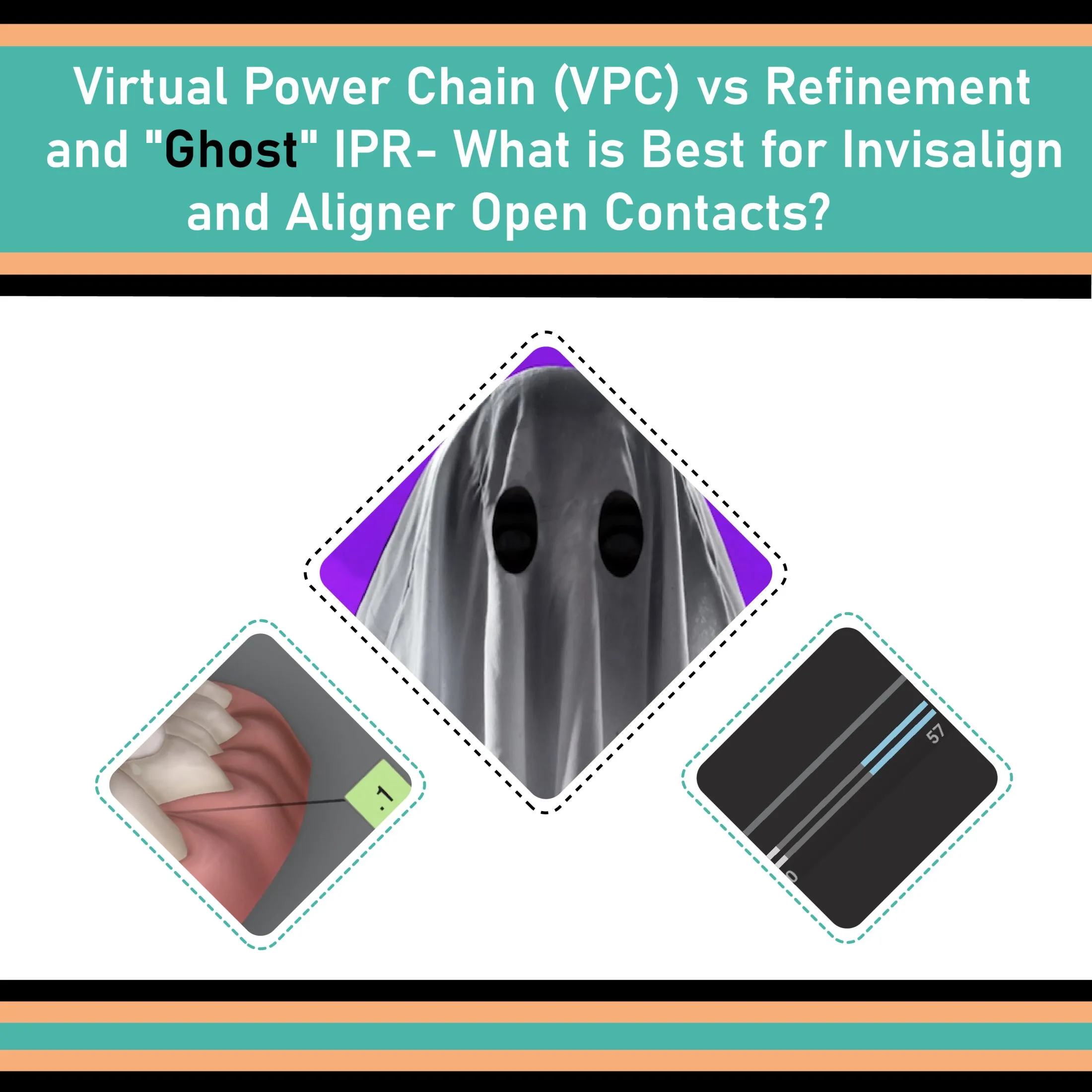
Have you ever wondered about which is best for Invisalign and aligner open contacts: virtual power chain,, or Invisalign? If this is something you have been thinking about, there are several key things you may want to know, and our experts here at Straight Smile Solutions are on hand to give a quick rundown.
What’s the Difference Between Virtual Power Chain and Ghost IPR for Finishing Invisalign Cases?
Virtual power chain and Ghost IPR can be effective tools if you’re struggling to decide whether a patient needs a little more refinement for their case. Most of these cases will occur when the patient is either unhappy with the final results or a small gap could put the patient at risk of periodontal complications.
If this is a scenario you encounter, VPC and Ghost IPR are two of the most common solutions. The former is effective in scenarios for a single unit if the patient is only experiencing slight gaps and wants these resolved. However, if it’s not needed, crowding could occur.
Alternatively, Ghost IPR and refinement can be used in cases where you cannot access VPC. After doing the refinement and a scan, the patient should receive their first recommended ClinCheck. At this time, try to make sure you mark all open contacts and look out for these on the scan. If the scan didn’t recognize this, you may need Ghost IPR instead, where you can add IPR to the missed sites. If the scan does pick these up, though, you may not need to do Ghost IPR.
Final Thoughts
When it comes to finishing Invisalign cases, making sure you’ve established the most effective treatment plan is hugely important. Luckily, there are several tools you can consider as part of this, and we’ve summarized some key things you should know about finishing cases with Ghost IPR or Virtual Power Chain.
What You Need to Know About the Halterman
What You Need to Know About the Halterman
If you have been looking to develop a treatment plan for molar uprighting, you may have considered using the Halterman. But what is this, and how could this fit into your orthodontics cases?
What is the Halterman Appliance?
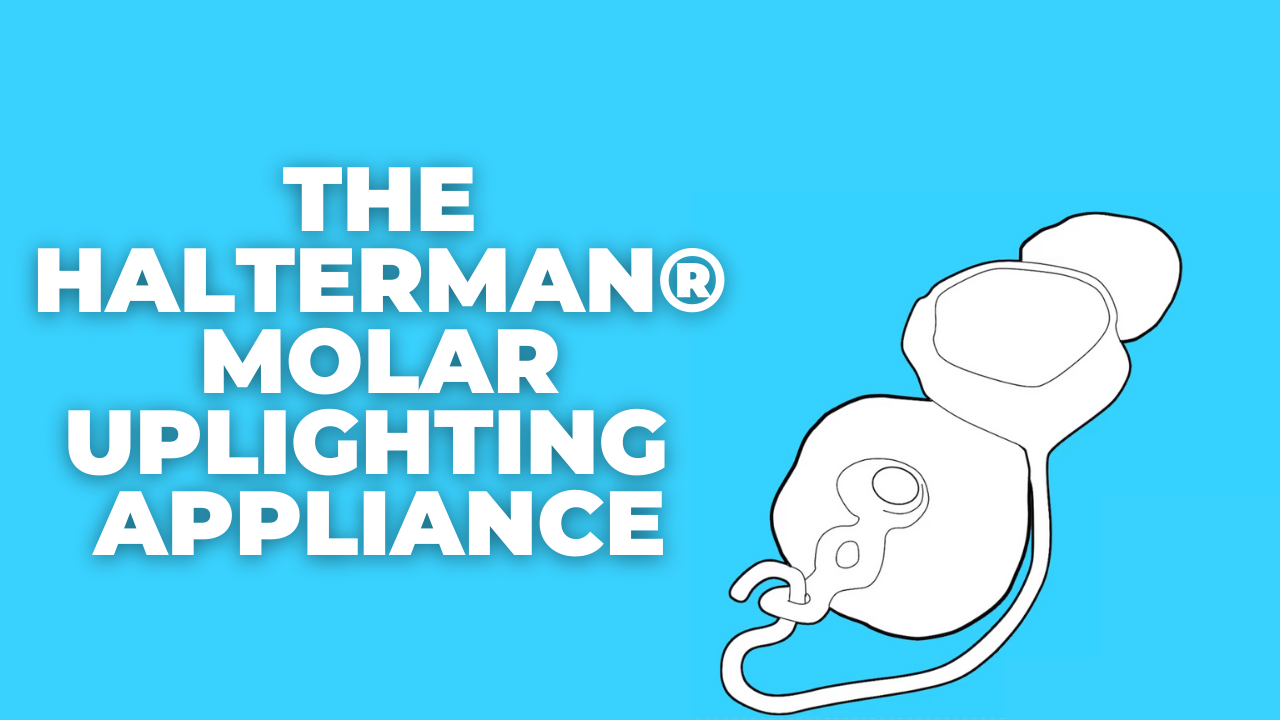
The Halterman Appliance goes by several different names, such as molar uprighting springs and cantilevers. As the name would suggest, they are designed to help patients needing molar uprighting.
When a Halterman is used in the treatment plan, a band is fitted on the first molar, and then a bendable material is soldered on. The spring is then moved closer to the tooth and secured with a button on the second molar.
The Halterman appliance provides a force to the problem tooth. It’s commonly also used alongside spacers to help upright molars quickly and easily.
Where to Find a Halterman
Molar uprighting appliances can be made by hand if needed; alternatively, orthodontists can get a prefabricated Halterman appliance directly. These can provide a simple solution to help upright molars that are otherwise trickier to fix.
Find Out The Ideal Treatment Plan For your Patient
If you’ve been having difficulty with finding the optimal treatment plan for your patients, please don’t hesitate to contact our friendly team here at Straight Smile Solutions for a customized consultation. We’re here to help!
Managing Fit Issues with RPEs and Schwartz
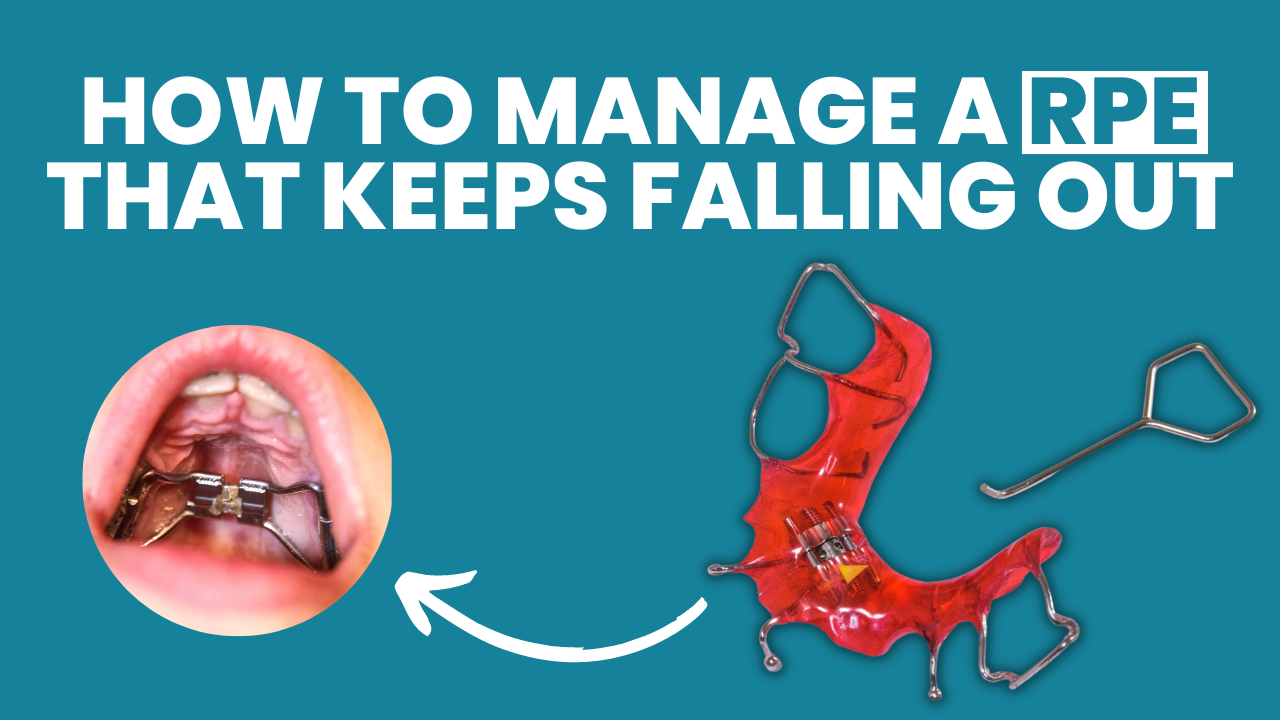
Have you ever considered using an RPE (rapid palatal expander), only to find that you’ve been having difficulties in fitting them? As part of your orthodontics treatment plan, rapid palatal expanders can potentially offer a myriad of benefits, but it’s important to recognize here that they can sometimes be a little tricky to fit, and there are several common reasons for this.
Common Reasons for Fit Issues with RPEs in Orthodontics Treatment Plans
Struggling to work out why your RPEs aren’t fitting? The following common challenges could explain why.
For Fixed
One of the biggest reasons you might experience fit issues is that you’ve not dropped spacers in, which can cause problems with fit in its own right.
If the RPE is still loose, twisting it after fitting it may help secure it more tightly. However, this will naturally vary from case to case.
Another issue could be that the bands aren’t fitted properly at all. If your system isn’t the right size, you may need to send it back to get the correct bands fitted.
For Removables
Some of the most common issues can be a little different for removable RPEs. Points of interference can often be a major challenge for these, as can a new tooth trying to come in or out in mixed dentition patients; plus, remember that the simpler the design, the easier it will often be to fit.
If the cog wheel has turned during transit, that could also cause problems with your removable RPEs. In this case, try to go backwards on the cog wheel to see if that helps solve the issue.
Final Thoughts
Every case is different, so working out exactly what the problem you’ve been facing is can be complex. With this thought in mind, if you need any guidance with your orthodontics case or treatment plan, please don’t hesitate to contact our experts at Straight Smile Solutions for personalized guidance.
Uprighting Molars with the Spacer Technique

Uprighting Molars with the Spacer Technique
Have you ever wondered about the different techniques to help with uprighting molars? If this is something you have been wondering about, don’t worry – the spacer technique can be a brilliant option to consider in this regard for easy and effective orthodontics treatment plans.
What is the Spacer Technique?
If you have noticed that a patient is having minor uprighting difficulties with their first or second molars, you may want to give the spacer technique a try. Spacers are incredibly affordable and allow patients to create a little more room in the case of impacted mandibular molars without having to go to the full expense of fitting braces.
Spacers can be integrated into a treatment plan exceptionally easily, and once they’ve done their job well enough, they should fall out of their own accord. However, patients shouldn’t eat anything chewy, sticky, or hard during this time, as doing so could result in the spacer being pulled out.
A couple of weeks will often be enough for a single spacer, and with every progressive spacer, the tooth should continue to upright slightly more each time.
Get Support for Easier Orthodontics
If you need further support for your own cases, don’t be afraid to contact our experts here at Straight Smile Solutions for further ideas. Indeed, our experts are on hand to help you learn more about easy orthodontics and create the most effective treatment plan for your case. Why compromise or take risks; get help for your cases today.