
StraightSmile Solutions®
How to Reduce the Chances of Impacted Canines in Phase 1 Patients
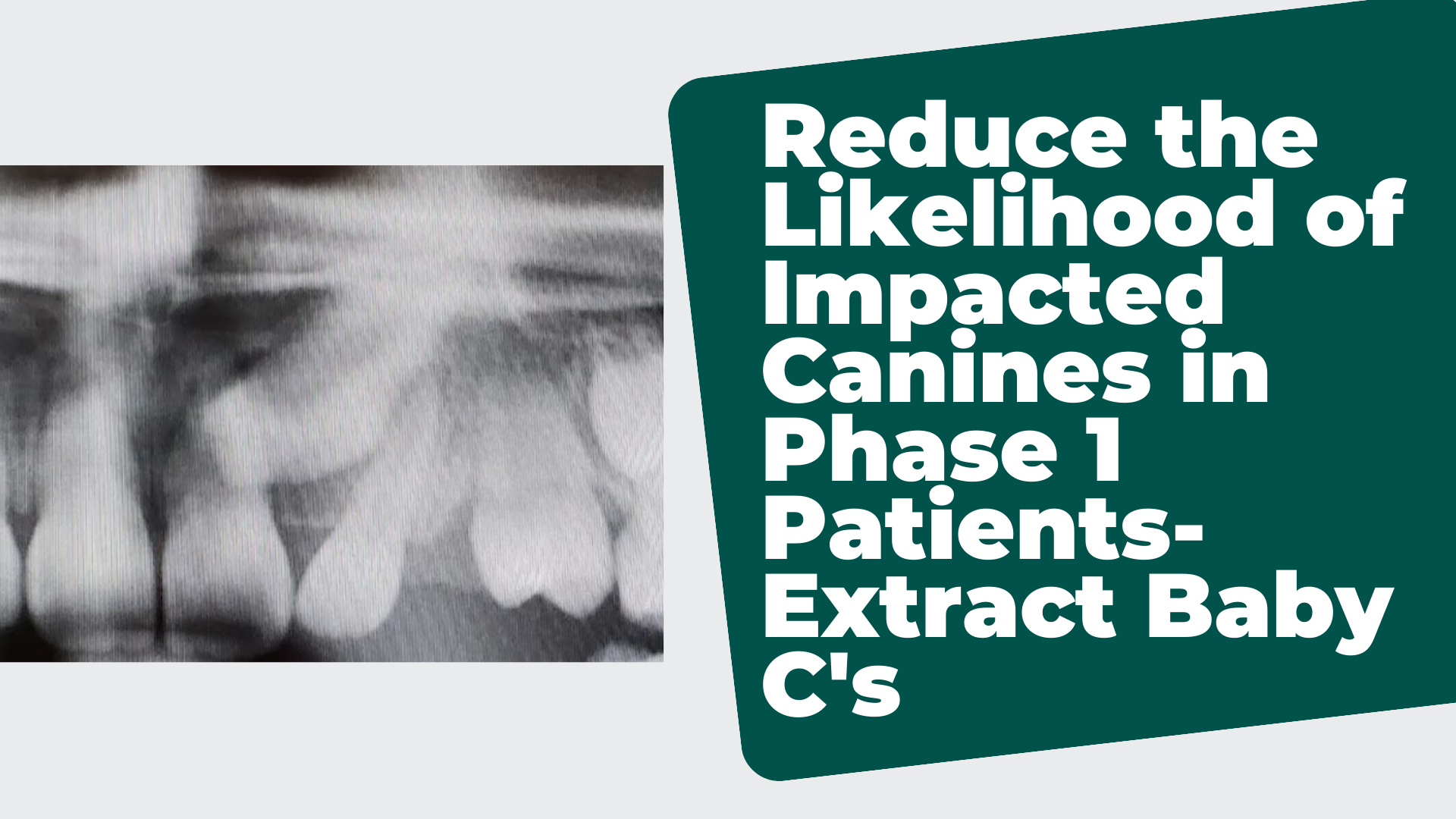
How to Reduce the Chances of Impacted Canines in Phase 1 Patients
If you have a Phase 1 patient, there’s a relatively high chance of the patient developing impacted canines. In line with this, our experts here at Straight Smile Solutions are on hand to help you find out more about reducing the chances of impacted canines in Phase 1 patients.
3 Simple Ways to Reduce Risks of Impacted Canines
Impacted canines can be a major frustration for many general dentists tackling Phase 1 patients for the first time. However, there are a handful of incredibly easy ways to reduce the risks of impacted canines:
– Extract primary canines if impacted canines are a concern
– Carry out expansion as required
– Consider space consolidation of the anterior teeth
Ideally, our “My Phase 1 Smile index” can provide a valuable screening resource to accurately treat these patients. You should aim to get a screening pano for every patient at this age for impacted canines before you begin cases – even if this means you’ll need to refer to another specialist afterwards. It’s a critical aspect of standard of care, and you should always explain this to parents (even if they decide not to go ahead with further treatment).
If you need further support with learning to use the My Phase 1 Smile index or tackling these cases, don’t hesitate to contact our experts at Straight Smile Solutions.
Avoiding Painful IPR Cases
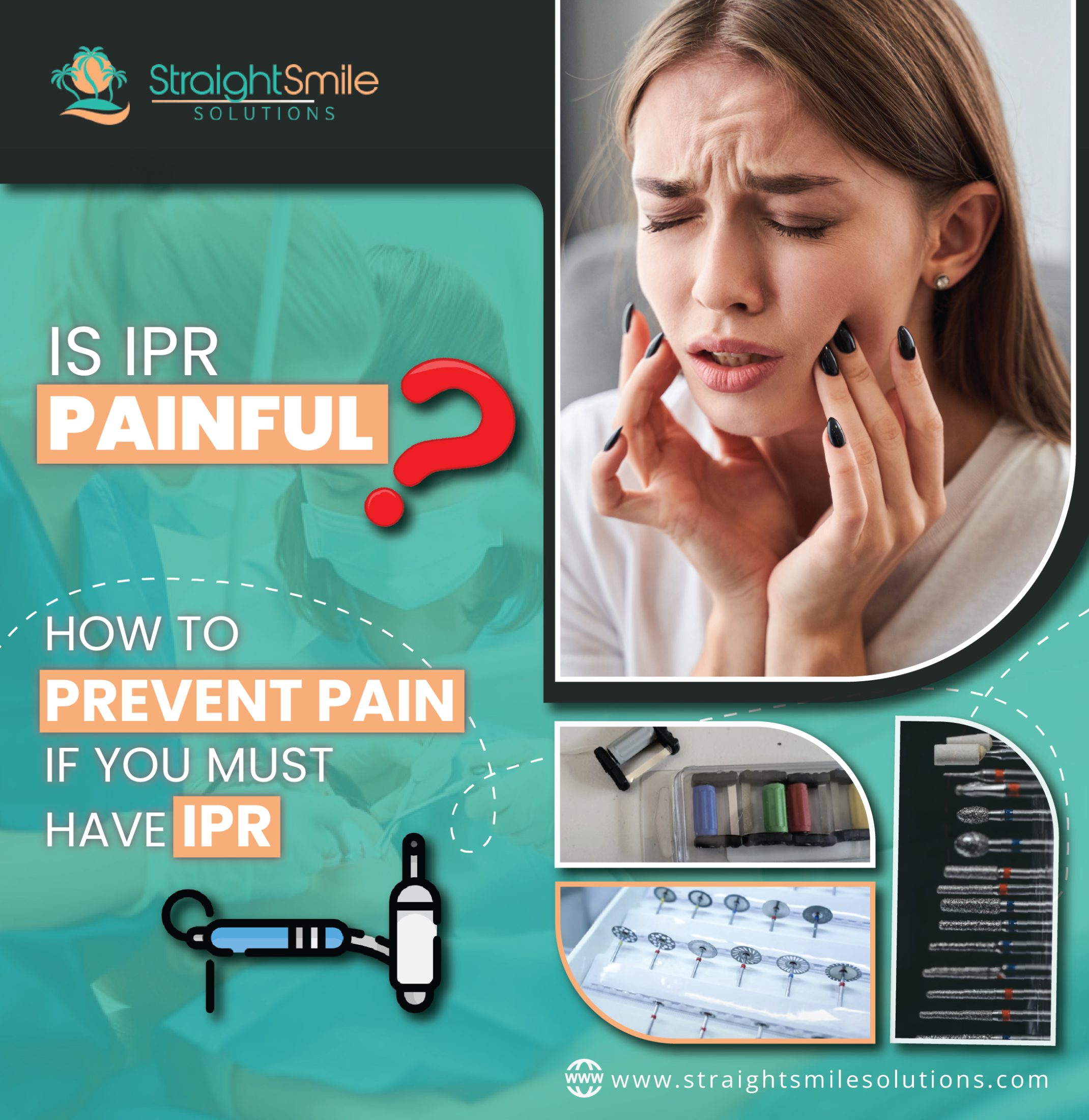
In many cases, it’s easy for patients to feel concerned about whether IPR is going to be a painful part of the treatment plan. However, if this is something you have been wondering, our friendly experts are on hand to help, and we’ve outlined some of the main things you should know as follows to help.
Should IPR Be Painful?
In many cases, it’s not clear to patients whether IPR should be painful. However, if done properly, IPR usually won’t be a major source of discomfort, and so keeping this in mind is hugely important.
In fact, if the treatment plan is carried out effectively, IPR should be completed within a single appointment and without extensive discomfort for the patient.
You should always consider how many sites need IPR and whether IPR is the correct or most suitable treatment plan before going ahead with these orthodontic cases.
How to Avoid Painful IPR Cases
If your patients have been experiencing pain during an IPR treatment plan, this generally suggests that something isn’t quite going right.
Indeed, the enamel doesn’t have any nerves in it, meaning that it should not cause pain; thus, if the patient is complaining of pain during the IPR, there’s a good chance that you’ve accidentally gone too close to the nerves or gums.
Remember, IPR may not be suitable for every tooth. So, always consider factors such as the patient’s age and the level of enamel they have to determine if IPR is the right approach.
Free Invisalign Hack to Save on Your Clear Aligner Cases!
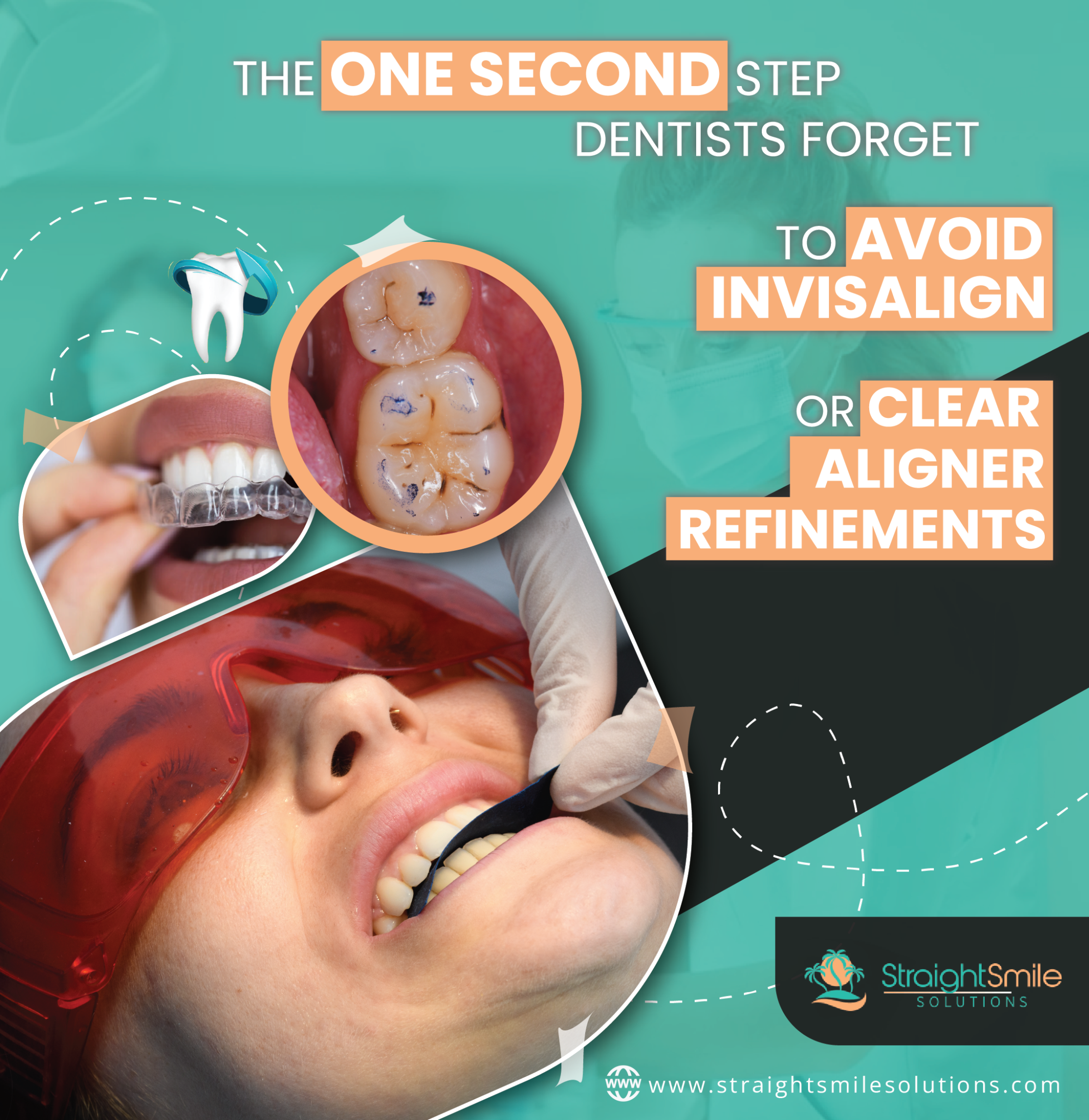
Have you ever wondered about the best ways to optimize your Invisalign clear aligner cases? With just one quick and easy step, you can transform your Invisalign or clear aligner cases and massively cut back on refinements – and we’ve highlighted what you need to know today to help with this!
One Simple Step to Cut Refinements and Save on Your Clear Aligner and Invisalign Cases
Did you know that there’s one tiny step that many people skip when it comes to their Invisalign and clear aligner cases? Indeed, it’s easy to avoid this step, especially since clear aligner companies often consider it to be optional. But in reality, avoiding this step can actually leave you doing far more refinements than normal.
So, what should you do for all your Invisalign/clear aligners cases? Well, simply take a piece of full arch articulating paper all around the teeth. Ensuring they’re in CR (i.e., there are no CR/CO shifts) and that you’ve tapped the paper correctly, you can then take and upload photos.
Often, it’s best not to just go off of scan articulation, as there’s always the potential for these to be incorrect or otherwise not match. If the photos do not match with the scan, you’ll want to ask them to rearticulate based on the photos to ensure a suitable treatment plan.
Don’t Compromise!
Today’s amazing hack is something that many people skip, but with just a matter of moments, you can make sure that your Invisalign and clear aligner cases are properly optimized to save time and money in the long run.
Tackling Tween Mixed Dentition Cases with Invisalign
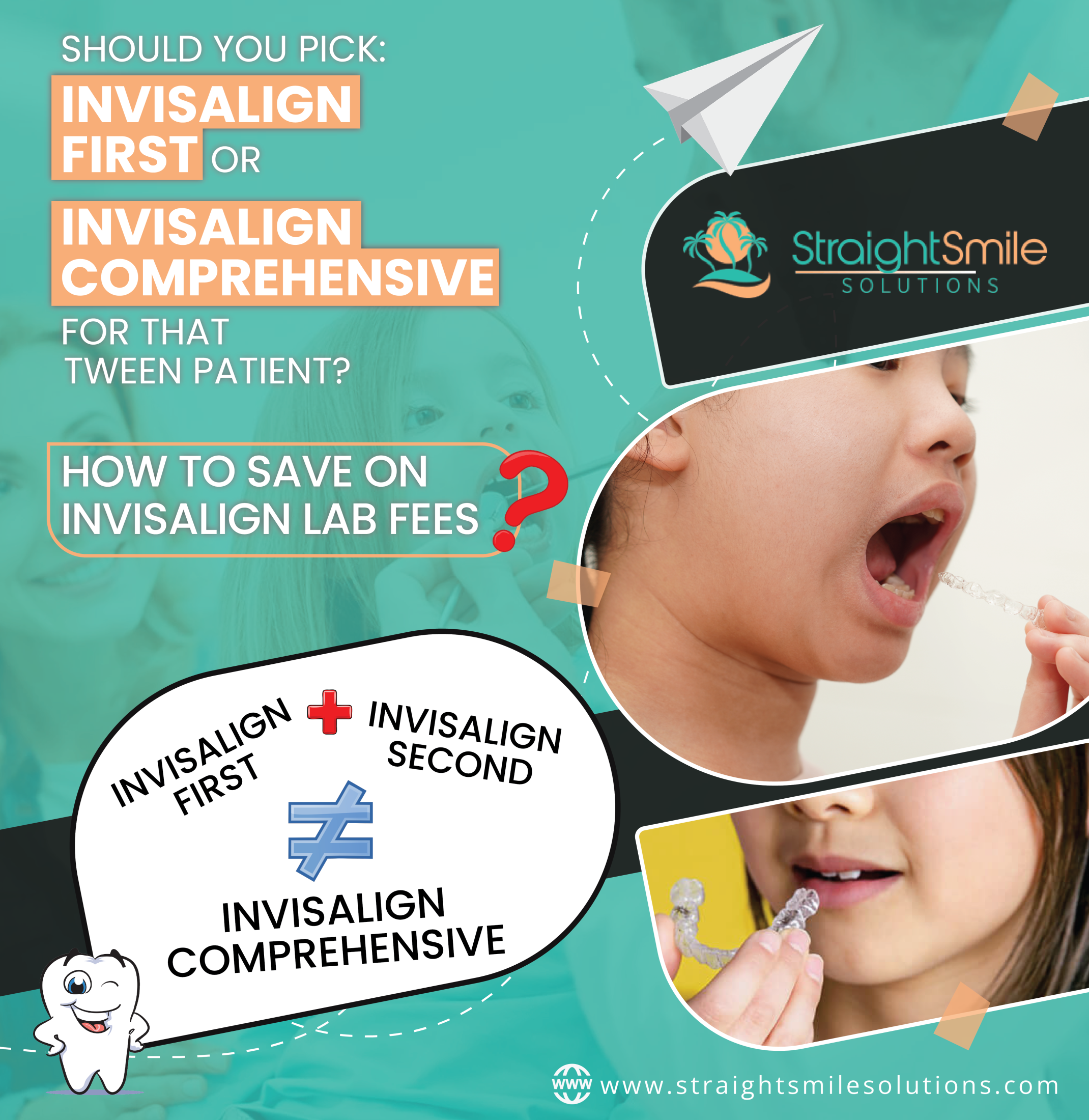
When it comes to “tween” mixed dentition cases, knowing how to tackle these isn’t a clear-cut topic, since it can vary for every patient. With this thought in mind, since it is not always clear whether Invisalign First is right for everyone, we’ve outlined some core things you should know to help.
Is Invisalign First Right for Every Mixed Dentition Patient?
Invisalign First can be an excellent resource for the right patients, but it’s not necessarily for everyone. Indeed, Invisalign First is designed for patients who are under ten years of age, generally between seven and ten.
Remember, there are three different ways that you can age a patient: dentally, chronologically, and skeletally. All of these can play into your final choice when making the right Invisalign technique.
How to Tackle Tween Cases
Not every tween case will necessarily fit comfortably into Invisalign First or Invisalign Comprehensive, especially since the skeletal, dental, and chronological ages often won’t match up. As such, it’s important to consider the following when choosing the right Invisalign approach.
Remember: Invisalign First and Invisalign Second will often cost more than just going for the Comprehensive plan if things overrun. These are an eighteen-month process, so if you are confident you can complete the case in that time and the patient is eligible for Invisalign First, it may be worthwhile; but, if it’s a slightly trickier case, you may want to go for comprehensive and just bill the patient once instead.
The TOP 4 things I check when I get back an Invisalign ClinCheck?-Avoidance of Preventable Mistakes
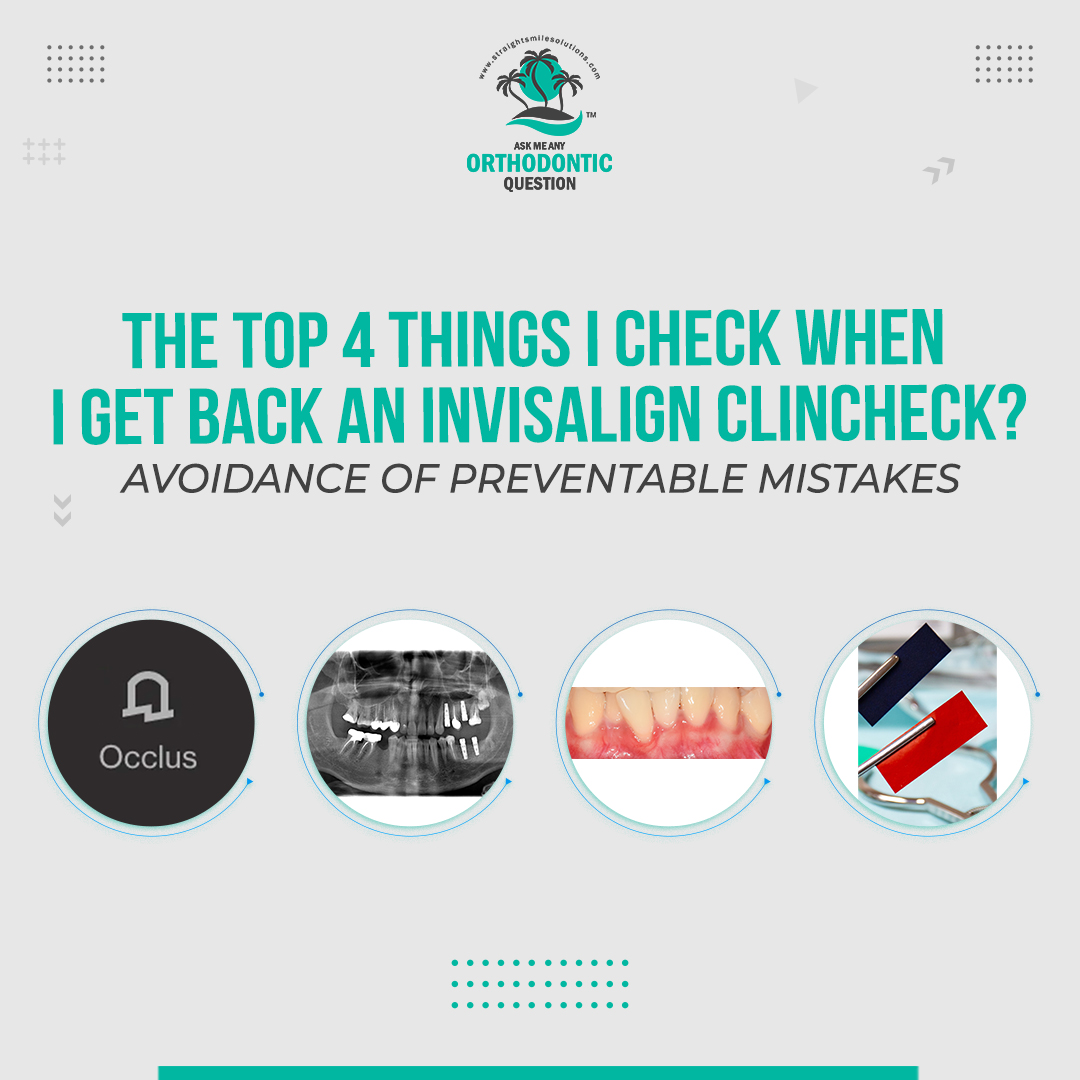 The TOP 4 things I check when I get back an Invisalign ClinCheck?-Avoidance of Preventable Mistakes
In recent years, orthodontic treatment has undergone a revolutionary transformation with the advent of Invisalign – an innovative alternative to traditional braces that offers a more discreet and convenient way to achieve a confident smile. The Invisalign system’s popularity has soared due to its virtually invisible aligners, customizable treatment plans, and impressive results. However, the key to unlocking the full potential of Invisalign lies in the meticulous evaluation of ClinCheck plans, the virtual representations of a patient’s treatment journey.
A ClinCheck plan is the roadmap for Invisalign treatment, outlining the step-by-step progression of teeth alignment. But how can orthodontists ensure the accuracy and effectiveness of these plans before proceeding with the treatment? This is where an in-depth evaluation of Invisalign ClinCheck plans comes into play, ensuring that the orthodontist’s vision aligns with the final results.
Key Aspects of Invisalign Clincheck Review:
Reference Points and Pre-Treatment Analysis:
● Panoramic X-ray submission is crucial to begin the treatment journey.
● X-ray provides insights into the dental structure, aiding treatment planning.
● Understanding root positions, underlying issues, and bone density is vital.
Review of Movements and Attachments:
● Invisalign’s magic lies in gentle teeth movement.
● Evaluate achievable movements in harmony with facial structure.
● Verify proper placement of attachments controlling aligner force.
Occlusion Verification and Articulating Paper:
● Seamless bite is essential for function and aesthetics.
● Analyze occlusion to prevent future complications.
● Use articulating paper to map and adjust the bite.
Anterior Bite Turbos and Double-Tracking:
● Anterior bite turbos mitigate excessive bite forces.
● Double-tracking enhances treatment for complex cases.
● The patient wears each aligner set for an extended period.
Evaluation of Root Scalloping and Crowding:
● Examine root scalloping’s impact on tooth movement.
● Address crowding through teeth slenderizing or reduction.
● Root curvature affects movement effectiveness.
Considering Extraction as a Treatment Option:
● Extraction option for severe crowding situations.
● Strategic removal of teeth creates space for alignment.
● The patient’s dental structure guides extraction decisions.
Conclusion
As an orthodontist, make well-informed decisions aligning with your professional skills and patients’ desires. This process involves precision, as every detail matters, from the positions of teeth roots to the alignment of the bite. As you review each ClinCheck plan attentively, remember that your expertise and focus are essential for a transformation journey. Your decisions aren’t just about aligning teeth but about creating confidence, self-assurance, and the perfect smile.
How to Modify Your Bite Plates
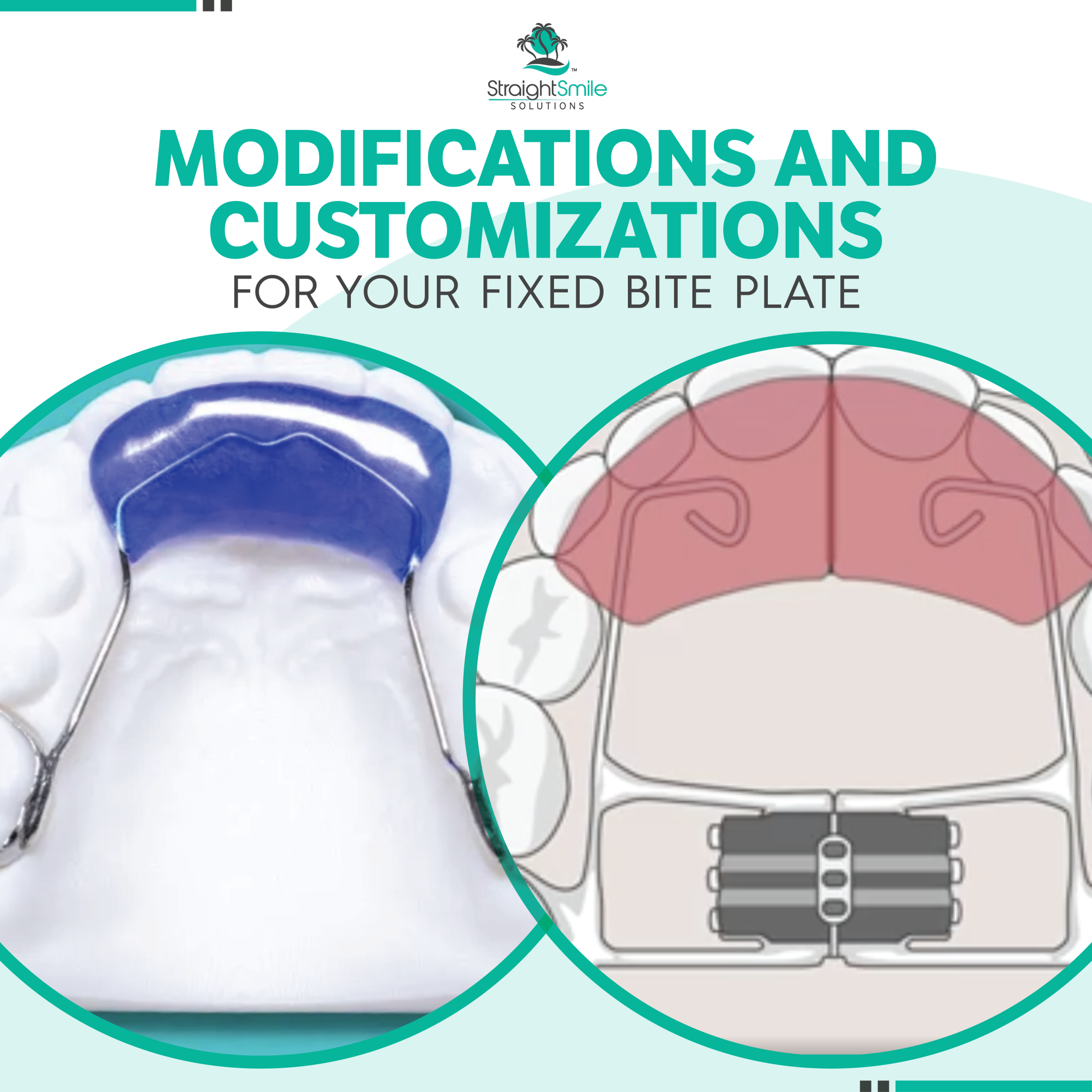
Modifying Fixed Bite Plates
Have you ever thought about modifying fixed bite plates for your patients? If this is something you’ve considered, there are several key factors you may want to consider to help with this. So, without further ado, our experts have outlined some of the key things you should know to help plan your case.
How to Modify Your Bite Plates
Fixed bite plates are incredibly valuable before an aligners or braces case (or even with braces specifically). However, to get them most from them and improve verticals in orthodontics patients, you’ll want to make sure that the fixed bite plate is properly modified.
Before modifying your bite plates, always start by getting a Ceph and obtaining the Ceph numbers so you know what vertical you’re dealing with. This allows you to plan properly; after all, not every patient will experience difficulties for the same reasons, which is why understanding the Ceph is crucial for effective treatment planning tailored to the patient.
One modification you could consider is to convert the fixed bite plate into an expander. This allows you to treat a deep bite and crowding in one go in some cases.
Incline bite plates are another type of customization that can be used in some slight Class II cases to slide forward. These orthodontics bite plates are often known as Rickanator.
You can even get fixed bite plates made with 3D printing these days. 3D printing companies sometimes claim you won’t need a spacer before fitting these, but it’s always important to take care with your orthodontics treatment plan nonetheless to ensure you don’t get a fixed bite plate that won’t fit or causes discomfort.
Understanding Vaulted Palates
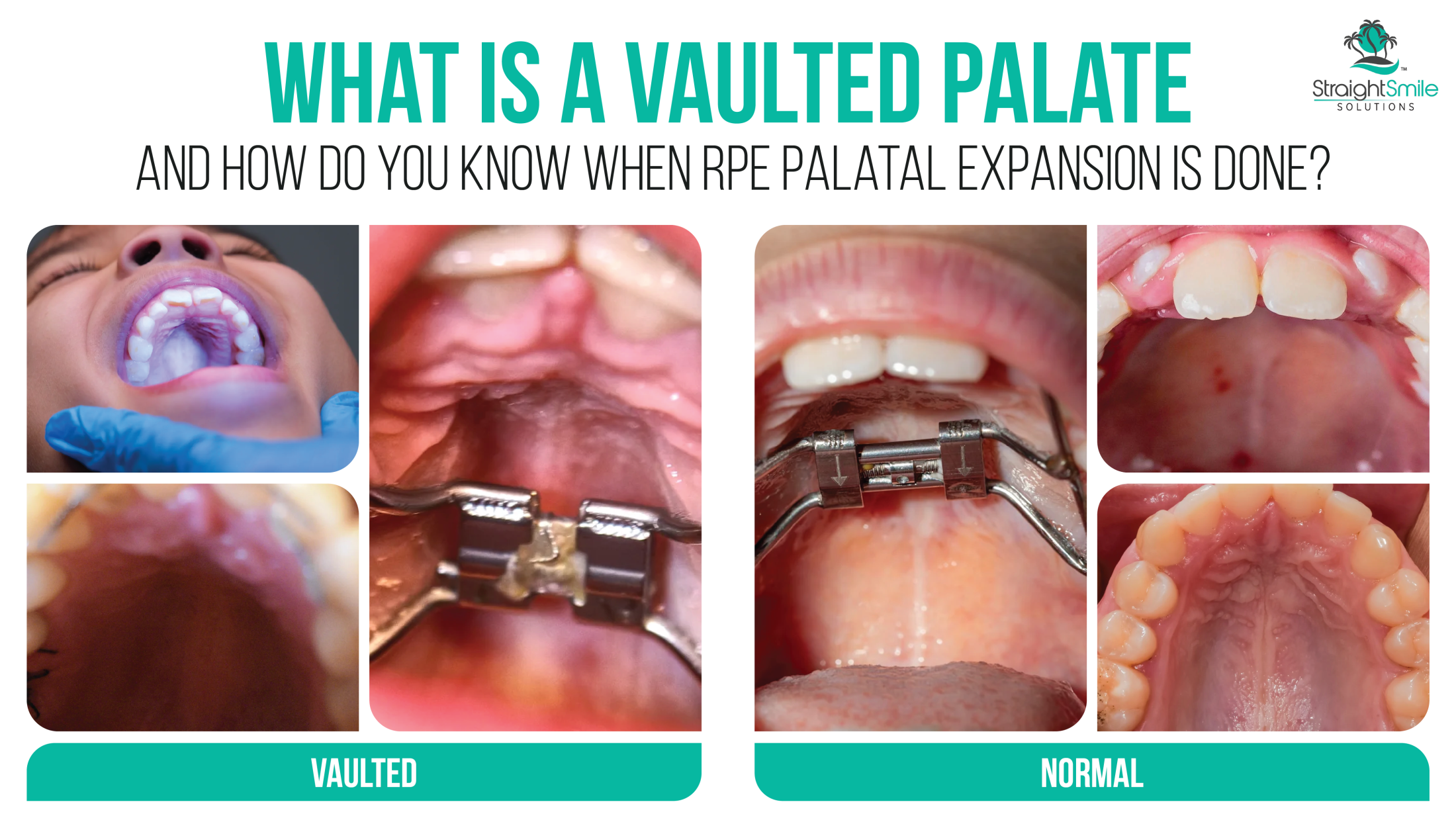
Have you ever wanted to learn more about vaulted palates and how to treat them? These cases can sometimes seem a little tricky to work out a treatment plan for, but there’s a lot you should know first – and today, we’re looking at the key things you should know to understand and tackle vaulted palates as part of your patient’s treatment plan.
What are Vaulted Palates?
First, it’s important to clarify what vaulted palates actually are. Vaulted palates occur when a patient’s palate is narrow and high, which can have implications on the growth of the patient’s face or airways (due to the tongue resting in the wrong position).
When Should RPE Palatal Expansion be Done?
You can consider some options to enhance the palate, but generally speaking, clear aligners will have a very limited impact in these cases. As such, if the patient wants Invisalign, you’ll need to start with palatal expansion to ensure that they get good results.
Always keep in mind, of course, that many parents or patients will be hesitant to spend more, so if a patient with vaulted palates comes in, you’ll need to explain the importance of including palatal expansion very clearly as part of the treatment plan so they understand why this is important, in the first place.
If you’re unsure about whether an orthodontics case requires palatal expansion, please don’t hesitate to contact our experts at Straight Smile Solutions for further support with your cases!
The Importance of Taking Vivara and Essix Retention Fit Photos
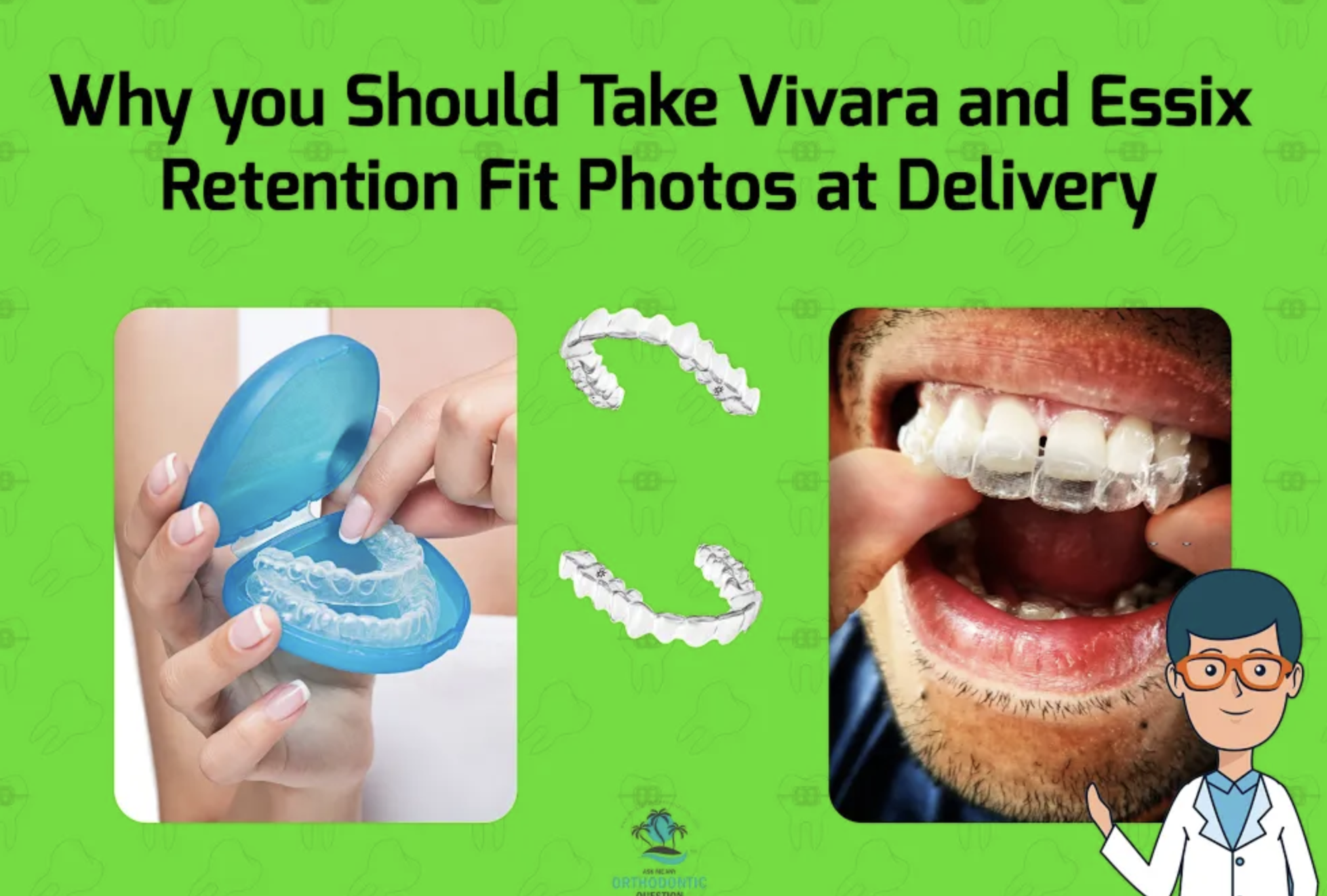
The Importance of Taking Vivara and Essix Retention Fit Photos
When it comes to your cases, making sure that you’ve got proof of your work is hugely important – and Vivara and Essix retention fit photos are critical as part of this. Luckily, we’ve outlined some of the key things you need to know about this to help ensure that finishing cases is done correctly.
Why Vivara and Essix Retention Fit Photos are So Important
Vivara and Essix retention fit photos are crucially important when finishing cases, and they provide a simple way to ensure your cases are going smoothly.
Now, it’s important to recognize here that Vivara and Essix retention fit photos are vitally important during the final session. Always take photos before removing the braces (etc) and further photos with the retainers in to help prove your case.
Make sure to get plenty of photos with the retainers in, both with the teeth open and closed shut. These must always be taken in high definition so they are clear and easy to see.
Final photos should be taken after the patient (and their parent, if applicable) have signed the release to confirm they are happy with the outcome of the treatment plan. Always include the retainer information and rules as part of this.
What If I Don’t Get Photos?
These documents should also clarify factors such as the price of treatments for relapses; if you don’t have photos showing the retainers fitting snugly, they could claim that the retainers never fit (and you’ll be unable to prove otherwise). This could leave you getting caught out paying for the relapse retreatment when it’s not actually your fault.
Further Points to Consider for Finishing Ortho Cases with Retention
In addition to taking Vivara and Essix retention fit photos, there are several other factors you should consider to improve the results with your patients’ treatment plans.
Some key things to consider:
– Always partner with a professional provider (unless you have a full, dedicated in-house lab)
– Consider carefully why relapses occur in your patients, whether they are due to patient error, manufacturing error, or your error
– Plan for retainer numbers; the first case usually comes with four upper and four lower retainers, which should be enough for the first few years unless damage occurs. You may need additional retainers down the line, though, so always clarify this to the patient; many patients assume that their clear aligners will last for life, but this often isn’t the case.
– Keep in mind: while patients should ideally wear their retainers continuously to start with, many won’t. Always plan for this and monitor it during treatments.
– Wean patients off full-time retainers gradually. Going from full-time to numerous hours off can result in the retainers feeling very tight when they’re put back in, which may cause discomfort to the patient and reduce the results.
– Continue seeing patients for check-ins until they are able to wear the retainer just overnight.
Final Thoughts
If you have been looking to optimize your orthodontics treatment planning, always ensure you’re finishing cases with Vivara and Essix retention fit photos to stay safe.
And remember: if you’re looking to get started in your journey as a general dentist providing orthodontic services, our team here at Straight Smile Solutions can help you pick out the ideal treatment plan for each case. Our Concierge and VIP programme clients can enjoy a one-on-one consultation with our team to find the ideal option.
Is the Orthodontic Profession Going Extinct?
Is the Orthodontic Profession Going Extinct?
The orthodontics professional has been a mainstay for many years, but with recent innovations and the roll out of new appliances, devices, and cheap alternatives, it’s easy to start wondering: is the orthodontics professional going extinct? Well, the answer isn’t entirely clear-cut.
Are Ortho Consultants Going Extinct?
Ortho consultants were in massive demand only a few decades ago – but the world of ortho has changed significantly since then. As such, these days, orthodontics specialists are filling a very different role in society.
On the whole, professional orthodontists have become much more specialized in the services they offer, tackling only the very hardest of cases. Meanwhile, general dentists have been making use of new innovations, such as Invisalign, to begin offering these services to clients for an affordable price.
While the price tags of orthodontics services have fallen somewhat in recent years, getting into the field has become much more accessible. And so, while the orthodontics profession is unlikely to be going extinct fully, innovations are no doubt changing the role of traditional orthodontists and allowing general dentists to offer a broader range of services accordingly.
Final Thoughts
If you have been looking to begin working on orthodontics cases as a general dentist, there’s some great news: the opportunities are more numerous than ever! Indeed, while the orthodontics professional specifically might be slowing down, there are still plenty of opportunities for people to diversify into offering this service to patients.
So, if you have been looking to get started with orthodontics, don’t hesitate to get in touch with our experts here at Straight Smile Solutions. We can help you get started with diversifying your business to embrace orthodontics opportunities, too.
Taking Photos During Invisalign and Clear Aligner Check Ins
Taking Photos During Invisalign and Clear Aligner Check Ins
If you have been working on a clear aligner or Invisalign case, taking regular photos during the consultation can offer numerous benefits – and keeping this in mind could help you safeguard your services and ensure you’re providing the best for your clients and patients.
When Should I Take Photos During Invisalign and Clear Aligner Check Ins?
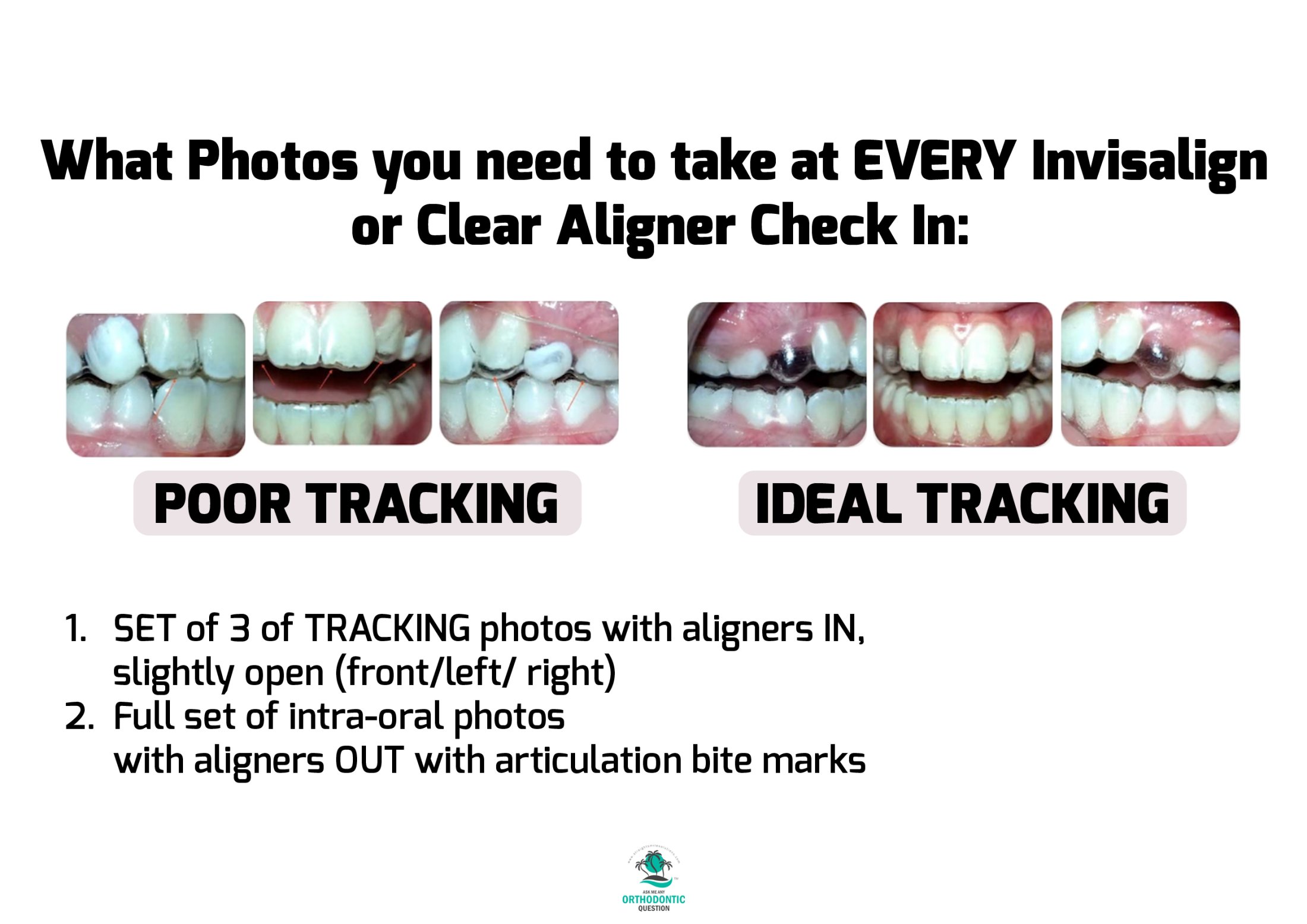
During your Invisalign and clear aligner check ins, taking regular photos is hugely important for your cases during every check in. This is hugely important to provide traceability and credibility to your services. These help prove that the aligners are flush and seated properly.
What Photos Should I Be Taking?
There are several photos you should be taking during your clear aligner or Invisalign check ins. These include the following two points:
1) a full set of intra-oral photos with aligners out
2) set of three tracking photos with aligners in
In addition to this, you should also be taking regular intra-oral photos (upper, lower, left, right, front). Of course, if you do notice that your patient’s treatment plan seems to have gone off track, make sure you find a new set that fits for the patient’s needs to cut down on refiner use.
Find Out More
If you have any further questions about Invisalign or clear aligner cases and making sure your patients are getting the services they expect, please don’t hesitate to contact our experts here at Straight Smile Solutions today. We’re here to help!