
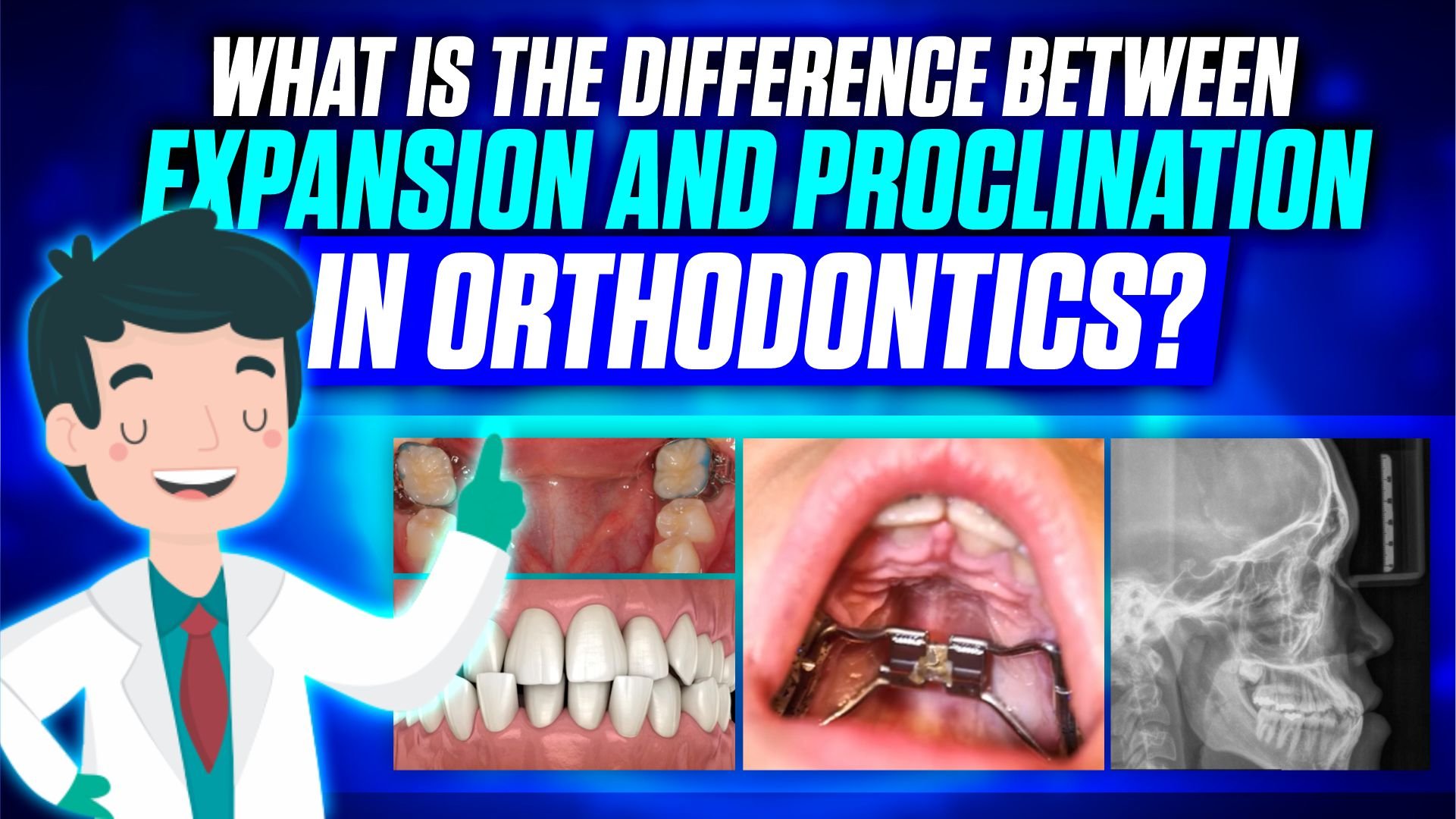
Have you ever wondered about the difference between expansion and proclination in orthodontics cases? It’s not always easy to work out how these differ, but you can keep several key things in mind to help inform your decision. With this thought to fall back on, today, we’ve outlined some of the key things you should know about expansion vs proclination in orthodontics cases to help!
What is Expansion?
First of all, we need to look at expansion. Expansion is a term used to describe cases where
There are two main types of expansion: skeletal expansion, where an appliance expands the arches in the upper jaw; and dental expansion, where the teeth are tipped to widen the arch. Skeletal expansions are much more successful in children than in adults.
What is Proclination?
Another option you may need to consider as a GP looking into orthodontics is proclination. Proclination is a process whereby the teeth at the front of the mouth are tipped forward slightly. The process is the opposite of retroclination.
How Do These Treatment Plans Differ?
Generally speaking, it’s easy to confuse expansion and proclination cases. However, it’s critical to ensure you have a clear understanding of these two treatment plans to communicate effectively and accurately with your patients. Don’t chance it!
The biggest difference is in relation to the direction of movement. With proclination, the front teeth are angled slightly further forward. In contrast, expansion cases are generally used to provide arch expansion within the mouth.