
StraightSmile Solutions®
How to Treatment Plan Class II, Div II Growing Kids in Stages
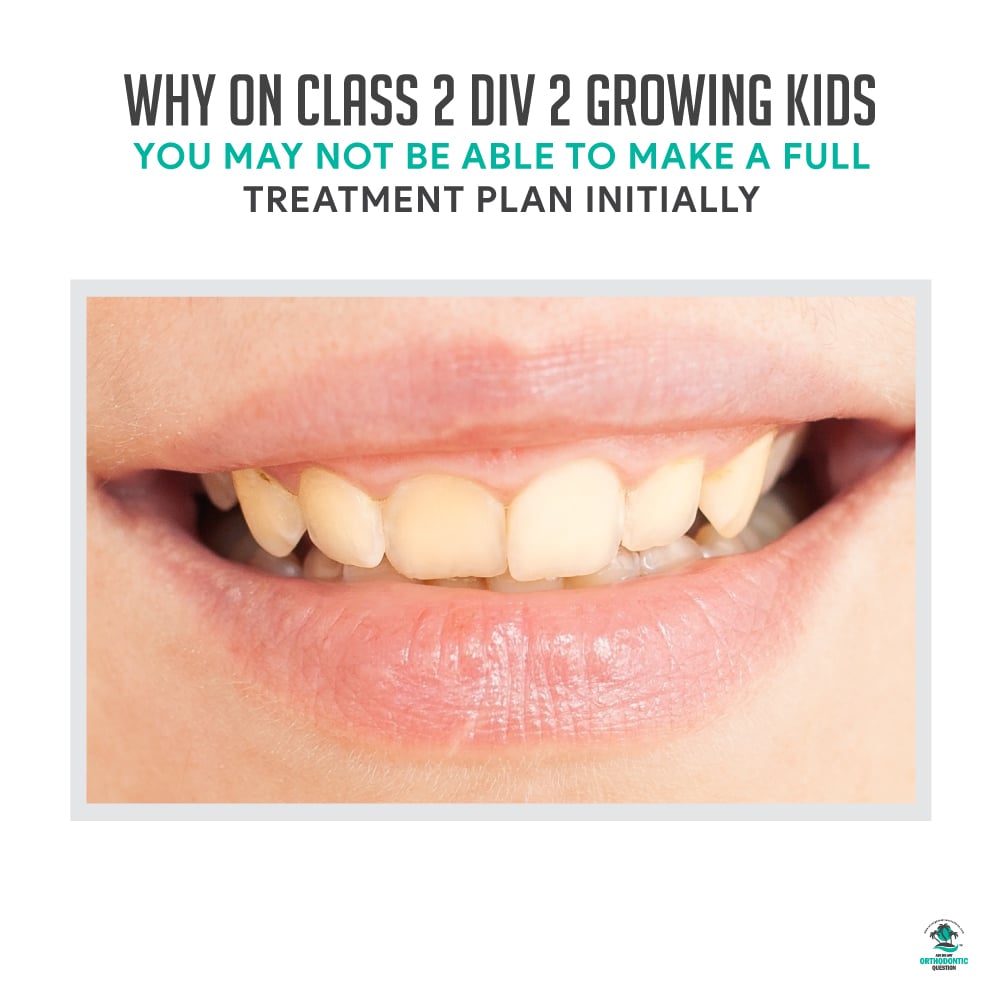
How to Treatment Plan Class II, Div II Growing Kids in Stages
Have you ever wondered about how to treatment plan for kids with a Class 2, Div 2 malocclusion in stages? Knowing how to approach these different cases in your orthodontics treatment plans is highly important; luckily, our team here at Straight Smile Solutions can help.
As such, we’ve outlined some key things as follows to help you create an effective orthodontics treatment plan for Class 2, Div 2 growing kids; alternatively, contact us to book your own A La Carte session with our team for support.
How to Treatment Plan for Class 2, Div 2 Growing Kids
With Class 2, Div 2 growing kids, you’ll often see that the incisors are retroclined, which results in a hidden overjet of up to 9mm. However, sometimes with these cases (and this isn’t necessarily predictable), the lower jaw may grow if it still has growth potential, especially if you have simultaneously advanced the lower jaw.
As such, when making a treatment plan, be careful not to create a full treatment plan, as there is the potential that the orthodontic requirements may change.
When tackling Class 2, Div 2 cases with Invisalign with MA, you’ll usually find that they straighten the teeth initially, and the MA component only begins around halfway through the treatment plan. Similarly, if you are doing braces or expanders in Class 2, Div 2 patients, you’ll need to use the same approach.
As such, when starting out with these cases, it’s potentially worth starting with a little expansion (if they are constricted), before using a few top braces and seeing how things progress. The patient’s progression from this point will then influence how you tailor the treatment plan for their needs; you may find that this initial step is enough to trigger jaw growth alone, which is why it is not necessarily suitable to make a full treatment plan before ortho starts.
How Transitioning Hormone Therapy Influences Orthodontic Treatment Plans in Teens
Orthodontic Considerations in Young Non-Binary Patients Undergoing Hormone Therapy
Hormone therapy is an important part of the transition process for many young non-binary patients; however, this can potentially have implications on how you should create an appropriate orthodontics treatment plan for them. As such, today, we’re looking at how you can create a suitable orthodontics treatment plan by taking certain considerations into account during hormone therapy.
How Hormone Therapy Influences Orthodontic Treatment Plans
Hormone therapy for non-binary patients can have several impacts on clinical management in orthodontics cases. As such, if you have a non-binary patient who is undergoing hormone therapy, you may want to take a few considerations into account.
For one thing, it’s potentially advisable to get a primary care release from the primary care physician overseeing the patient’s transition if the patient is on hormone therapy. This is especially true in growth modification, vertical correction, or expansion cases, when such are directly or indirectly related to puberty and hormone changes. As such, working alongside the patient’s physician is crucial to ensure that your treatment timing is suitable.
In addition, it’s worth considering that the suspensions that the patient will be taking during their hormone therapy can have side effects, such as high blood pressure and impaired liver function (among others). Discussing the potential side effects of the patient’s primary care provider can help you determine a suitable treatment plan that won’t place additional pressure on the patient.
Overall, treatment timing and getting a medical release from the patient’s physician is important before starting orthodontics to inform your treatment planning appropriately.
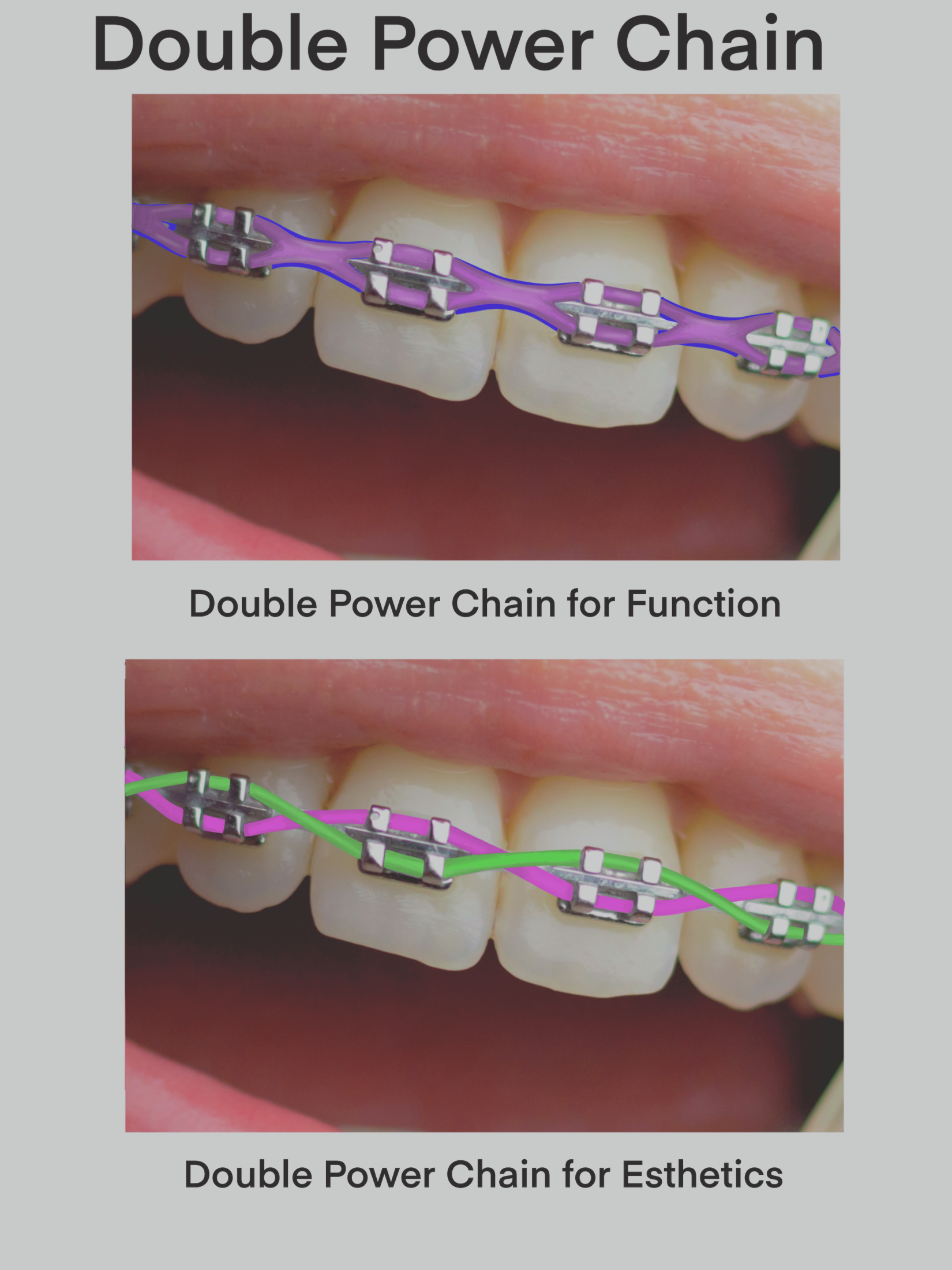
What are the Risks of Double Power Chain?
What are the Risks of Double Power Chain?
Have you ever wondered about the risks associated with doing double power chain in your braces cases? Generally speaking, you will only need to use double power chain in a very small number of cases; however, knowing about the potential risks is highly important.
What Patients Can Have a Double Power Chain?
Double power chains should always be used carefully to avoid causing damage to a patient’s bite or roots. As such, you should not attempt to use it in deep bite patients (always fix the vertical first) or in patients who have anterior contacts, as this can cause issues due to the significant levels of force. However, patients who have incredibly dense bone and/or long tooth roots may be suitable for a double power chain, especially if the regular power chain is moving slowly.
If a patient is asking for a double power chain because they want two colors, consider offering them snake power chain instead. This is no more powerful than regular power chain but involves weaving the chain up and down over the brackets, giving you roughly the same fast results as normal braces without excessive force.
Potential Risks of Double Power Chain
There are several possible risks associated with double power chain. For one thing, the excessive levels of force (which is why double power chains may be used in fast braces cases) can potentially result in damage to the roots, which is why case selection is so crucial. In addition, double power chains can be a nightmare when it comes to hygiene.
You should also keep in mind that not all brackets can necessarily handle double power chain. We generally recommend using 022 slots over 018 slots because the higher profile typically gives better results.
If you’re unsure about whether a patient will be suitable for double power chains, contact our friendly team here at Straight Smile Solutions for further support. We’re proud to offer packages for general dentists just getting started in the ortho field, and we can help you decide on the most appropriate treatment plans for your fast braces cases.
Using the Sleep Disorder Breathing (SDB) Form
Using the Sleep Disorder Breathing (SDB) Form
When it comes to pediatric ortho cases, ensuring you are using the correct paperwork is hugely important – and as part of this, knowing when to use an SDB, or sleep disorder breathing, form is crucial.
When Should You Use a Sleep Disorder Breathing Form During Orthodontic Consulting?
As part of your orthodontic consulting services, you should not necessarily provide an SDB form in the initial packet that you provide all prospective clients, since this form needs to come with very specific instructions before it is filled out. As such,
If you have a regular Class I patient with plenty of space between the teeth with normal facial anatomy and who isn’t struggling with sleep disorder breathing, they will not need to complete this form. However, if a patient does experience difficulties with breathing during sleep, the parents will need to dedicate several evenings to filling out the form. Crucially, they should be looking for factors such as mouth breathing, sleeping noises, and the like.
If you observe mouth breathing while the child is in the office, or if there is anterior openbite, crowding, a constricted upper arch, a long face, a gummy smile, speech issues, or any other red flags, you will likely want to prescribe the SDB form. In addition, if the parent has expressed any concerns about their child’s breathing, this is worth investigating.
Ensure Parents Dedicate Enough Time to Completing the Form
Making sure parents are aware of what they should be looking for when assessing their child’s sleep is crucial. In addition, during the initial orthodontic consulting session, ensure the parents check the child several times throughout the night over several nights; this helps give a more balanced understanding of how the child breathes during a typical night’s sleep.
Remember: most parents won’t necessarily observe their children closely during sleep, so encouraging them to check their child regularly during sleep is vital. If appropriate, filming the child’s sleep can help give a clearer impression.
Don’t panic if you haven’t prescribed the SDB form during the initial orthodontic consulting session. Indeed, when developing your treatment plan, there’s no harm in asking the parent to complete an SDB form later to get the extra information – which can help inform your treatment plan design more accurately.
Contact Us for Our SDB Form
We are thrilled to be able to offer our SDB form free to clients who have worked with us in the recent past, be it attending one of our webinars or booking a package directly with our team. As such, if you’ve been on one of our webinars in the past week, or if you’ve done an A La Carte session with us over the last seven days, make sure to drop us an email to request your copy of our SDB form. Plus, if you’re on one of our ongoing plans, we can offer this form for free at any time during your plan.
Should you do a RPE on a Pediatric Patient with Daily Nosebleeds
 Should you do a RPE on a Pediatric Patient with Daily Nosebleeds
I. Introduction
Dr. Amanda from StraightSmile Solutions answers a question she received regarding whether it is safe to use an expander for orthodontic treatment in a child who experiences regular nosebleeds. She explains that daily nosebleeds are not normal and the child should first be seen by their primary care physician to rule out any underlying pathology. She notes that there are many potential causes of nosebleeds, ranging from dry climate to allergies to mouth breathing. However, before proceeding with any orthodontic treatment involving expanders and distraction osteogenesis, which breaks the jaw, the nosebleeds must be evaluated and cleared by the primary care doctor or ENT. Dr. Amanda stresses the importance of following this chain of command before orthodontic treatment so as not to put the child at risk if there is an unidentified bleeding disorder or condition present. She advises against treating these patients without clearance from the primary care physician first.
II. Medical Concerns
A. Distraction osteogenesis and its relation to breaking the jaw and forming new bone
B. Potential dangers if there is an existing pathology or regular hemorrhaging
C. Collaboration with a friend, a dentist with extensive experience in pediatric orthodontics and interaction with ENTs
III. Expert Response
A. Daily nose bleeding is not considered normal in children
B. Primary physician as the first point of contact
1. Referral process and follow-up
2. Importance of keeping the primary care physician informed
C. Dry climates and commonality of daily nose bleeds, influenced by humidity
D. Medications, constipation, diet, congestion, post nasal drip, allergies, and mouth breathing as potential causes
IV. Diagnostic Measures
A. Nasal patency test to assess airflow through the nose
B. Lateral symmetric X-ray to identify adenoids
C. Panoramic x-ray for assessing turbinates and septum issues
D. CBCT for airway analysis and sending to specialists for further examination
E. Sleep pediatric SDB questionnaire to identify potential sleep-related issues
F. Referral to an allergist if congestion or allergies are suspected
V. Professional Recommendations
A. Priority is given to physiologic concerns over orthodontic expansion
B. Advice to stick to the Primary Care First, Ortho second approach
C. Importance of obtaining proper releases from primary care or ENT before proceeding with orthodontic treatment
D. Discouraging treatment if parents fail to follow recommended procedures
VI. Conclusion
Dr. Amanda from StraightSmile Solutions provides invaluable insights into a complex query about children with nosebleeds and the use of expanders for orthodontic reasons. Emphasizing the importance of recognizing daily nosebleeds as abnormal, she wisely advises a systematic approach. Collaborating with a knowledgeable friend with extensive pediatric orthodontic experience, she underscores the significance of involving primary physicians and ENT specialists in the decision-making process. Dr. Amanda’s prudent guidance, rooted in patient safety, reinforces the necessity of addressing medical concerns before pursuing orthodontic interventions, showcasing her commitment to comprehensive and responsible healthcare.
Ghost IPR 2.0
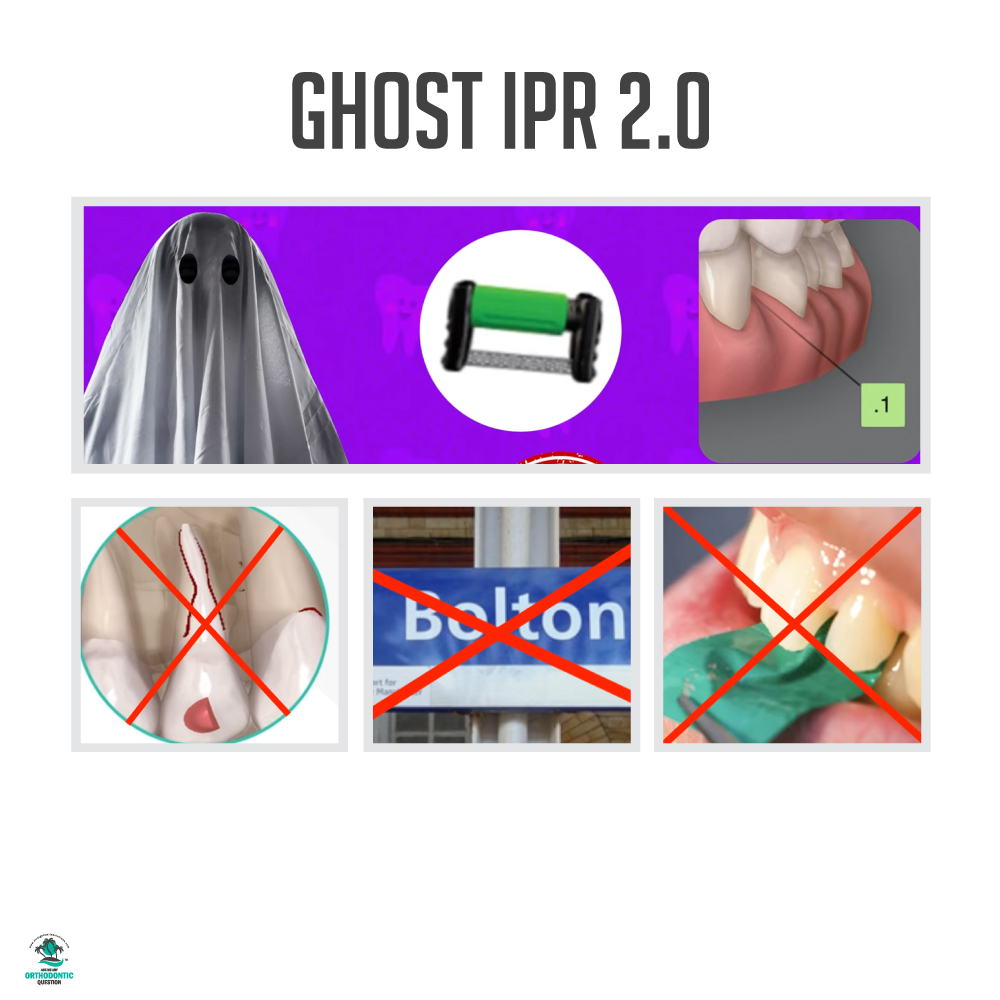 Ghost IPR 2.0
I. Introduction
Dr. Amanda clarifies the concept of “ghost interproximal reduction” (IPR) in Invisalign treatment planning. She explains that ghost IPR refers to virtual IPR added to refine slight open contacts at the end of treatment when everything else in the case is perfectly aligned. Dr. Amanda emphasizes that ghost IPR should only be used as a “quick fix” for minor issues, not to address major tooth size discrepancies, crowding, or anterior contacts. She outlines the exact workflow for when ghost IPR is indicated, stressing the importance of addressing all other alignment and occlusal issues before considering this final detail refinement of light contacts with a few final aligners.
II. Reasons for IPR
- Tooth science discrepancies
- Mandibular Bolton as a common reason
- Alternatives to IPR: Veneers or fills on small teeth
- Importance of CBCT in treatment planning
- Utilizing CBCT function for miraculous insights
- Old school methods if CBCT is unavailable
III. Top Three Reasons for IPR
- Bolton discrepancies
- Addressing anterior contacts
- The necessity of IPR in certain cases
IV. Ghost IPR Defined
- Introduction to Ghost IPR
- Differentiating Ghost IPR from conventional IPR
- Clarifying Invisalign’s lack of recognition of the term
V. Straight Smile Solutions Debond Workflow Form
- Emphasizing the importance of the workflow form
- Availability through the YouTube channel
- Membership perks and generous sharing of resources
VI. Conditions for Ghost IPR Application
- 99.99999% completion of the treatment
- Ensuring teeth are perfectly aligned
- Bite settled, three points of occlusion on molars, two points on premolars
- Ghost IPR as a final touch
- Tightening up random open contacts
- Ideal circumstances for Ghost IPR application
VII. Identifying Contacts for Ghost IPR
- Charting and flossing technique
- Marking light contacts
- Using Leaf gauges and IPR gauges for measurement
VIII. Virtual Power Chain (VPC) Considerations
- The role of VPC in refining treatment
- Using VPC sparingly
- Caution on potential crowding issues
IX. ClinCheck Verification
- Verifying open contacts in ClinCheck
- ClinCheck’s role in detecting open contacts
- Decision-making based on ClinCheck results
X. Ghost IPR Request Process
- Requesting Ghost IPR subtly
- Seeking 0.1-millimeter IPR on specific sites
- The discretion of Ghost IPR application
XI. Conclusion
Through her website, StraightSmile Solutions, Dr. Amanda offers valuable insights on orthodontic procedures like Ghost IPR. Her thorough explanations emphasize the importance of traditional IPR, cautioning against confusion with virtual or Ghost IPR. Watch her previous videos to ensure a comprehensive understanding. Dr. Amanda advocates for meticulous case evaluation, recommending Ghost IPR only when the bite is settled, occlusion points are optimal, and all other aspects are perfected. Her guidance, rooted in practical experience, demonstrates a commitment to achieving ideal results and maintaining long-term dental health.
A Phase 1 Case that Didn’t Need Phase 2 but DID need new Retainers!
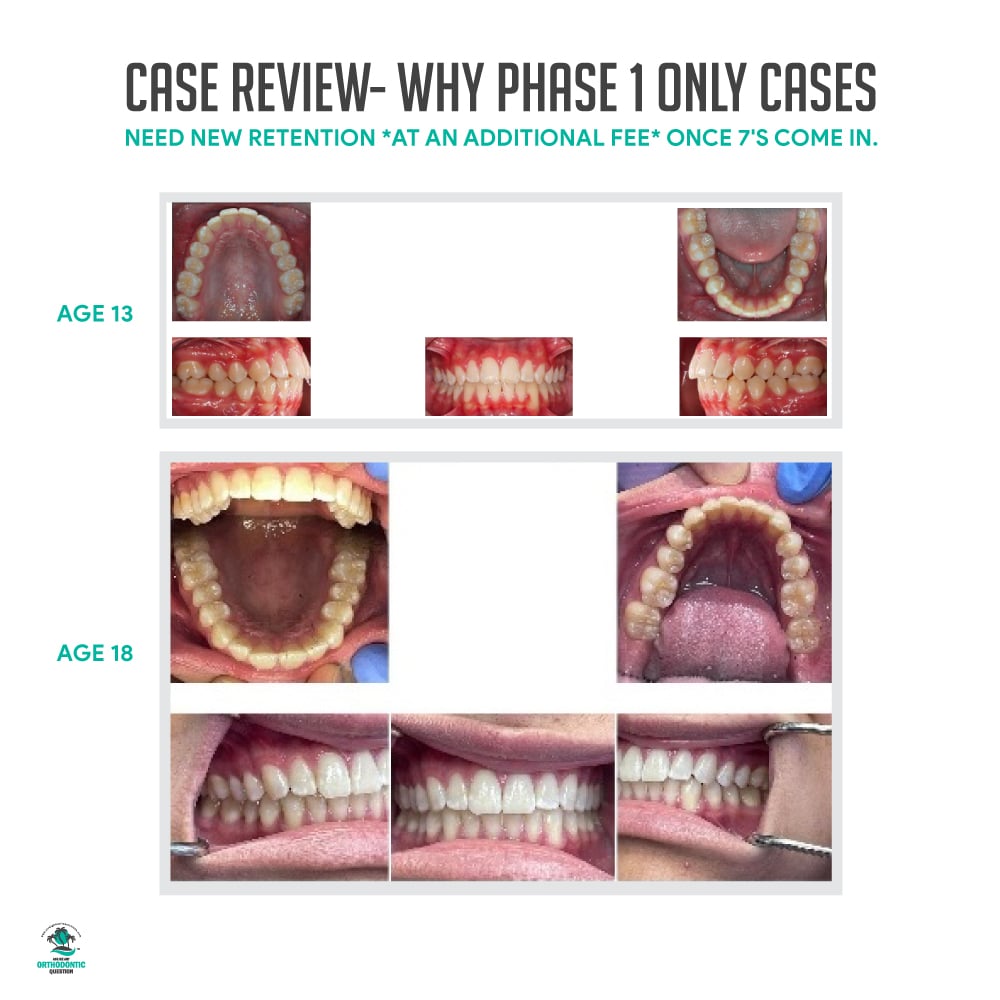
A Phase 1 Case that Didn’t Need Phase 2
I. Introduction
Dr. Amanda from StraightSmile Solutions discusses a case where phase one growth modification and expansion treatment in a young patient resulted in a great outcome without needing phase two braces or aligners. She shows photos of the patient at age 13 after early treatment and notes the improvements from the original malocclusion. Although the patient did not wear retainers and had some relapse by age 18, Dr. Amanda explains how certain aspects improved further with natural settling. She then demonstrates why this is now an easy case for alignment with 32 Invisalign trays over 6 months.
II. Phase One Growth Modification
A. Brief explanation of the concept of Phase One treatment
B. Mention of growth modification and expansion techniques used
C. Emphasis on the positive outcome observed in the case study patient at age 13
III. Case Study Patient Profile
A. Patient age and initial conditions
B. Reference to the lack of early pictures but positive feedback from parents
C. Noteworthy issues such as overbite, overjet, and narrow arches
IV. Success without Traditional Orthodontic Treatment
A. Highlighting the achieved results without the need for braces or aligners
B. Discussion on the cosmetic and medical aspects of the patient’s outcome
C. Emphasizing the cost savings for parents and the satisfaction with the achieved results
V. Medically vs. Cosmetically Necessary Treatment
A. Dr. Amanda’s perspective on the necessity of Phase Two treatment
B. Assertion that, in some cases, cosmetic results may suffice without further intervention
C. Introduction of the idea that Phase Two may not always be medically necessary
VI. Importance of Retention
A. Recommendation of retainers at age 13 and their role in maintaining results
B. Addressing the issue of mesial migration and gradual changes over time
C. Encouragement for patients to wear retainers consistently
VII. Patient’s Return at Age 18
A. Observation of changes in tooth rotation, especially in tooth number seven
B. Positive aspects of midline correction and bite improvement over time
C. Acknowledgment of settling and coordination in the bite without retainers
VIII. Transition to Phase Two
A. Consideration of the patient’s desire for further improvement before college
B. Evaluation of the case as a “green case” suitable for various aligner systems
C. Mention of the treatment plan, including the surprising default of 32 aligners by Invisalign
IX. Conclusion
Dr. Amanda presented an illustrative case of a patient who underwent phase one growth modification expansion treatment at age 8. Excellent results were achieved by normalizing overbite, overjet, and arch form. The patient was given retainers at age 13 but did not wear them consistently. Some relapse in tooth positions occurred from age 13 to 18, including rotation of a few teeth. However, the overall settling of the bite over time without retention improved the midlines and side-to-side class I occlusion. While continued retention is generally recommended, this case shows that some aspects of the bite can self-improve. With a straightforward 6-month aligner treatment, an excellent final result can still be achieved in such growth modification relapse cases.
X. Closing Remarks
A. Expressing gratitude for the shared insights and informative content
B. Encouraging viewers to explore more case studies and information on Dr. Amanda’s YouTube channel
C. Endnote thanking the audience for their time and attention.
When its OK to do Single Arch Upper or Lower Only Ortho Treatment Braces or Invisalign
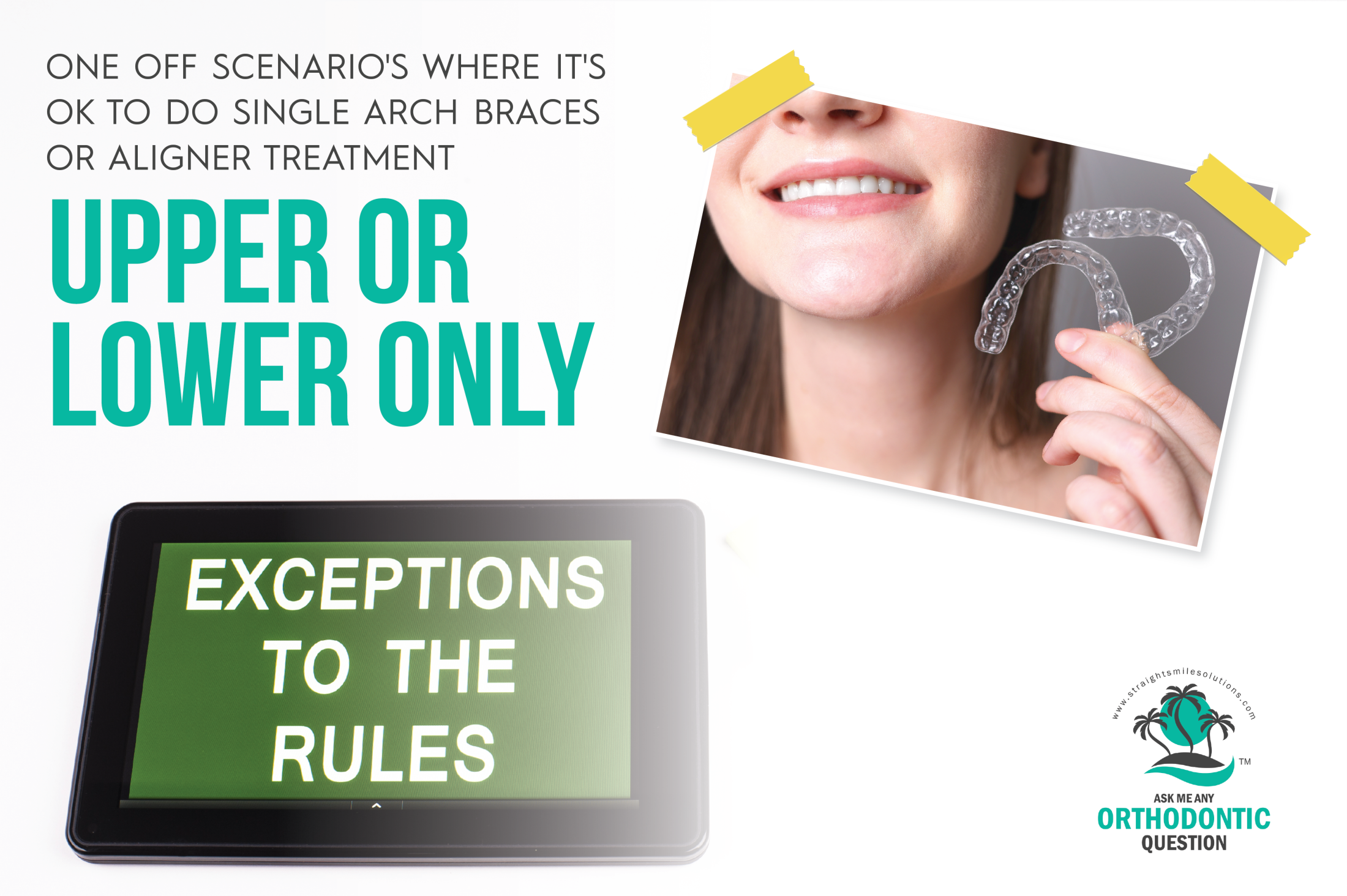
When it’s OK to do Single Arch Upper or Lower Only Ortho Treatment Braces or Invisalign
I. Introduction
Dr. Amanda from StraightSmile Solutions delves into a crucial topic that often leaves orthodontists hesitant – the request for upper or lower braces, single Arch braces, or Invisalign. Dr. Amanda emphasizes the importance of caution, highlighting her three key rules. She stresses the need for a ClinCheck or ClearPilot setup to calculate the Bolton and checks for anterior contacts. Discouraging discounts on single Arch treatments, she shares valuable insights into the complexities involved. With a focus on overjet cases as exceptions, Dr. Amanda provides a foundational understanding to empower orthodontists in making informed decisions and avoiding potential pitfalls in these specialized treatments.
II. Dr. Amanda’s Approach
● Dr. Amanda’s first rule: Always toss the case into ClinCheck or ClearPilot setup
● Importance of calculating Bolton in clear aligner cases
● Second rule: Never proceed until checking for anterior contacts
● Third rule: No discounts for single Arch treatment, explaining the added difficulty
III. Challenges of Single Arch Treatment
● Dr. Amanda discusses the difficulty of working with one Arch
● Mention of the misconception that single Arch treatment is quicker or easier
● Warning against offering discounts due to increased complexity
● Emphasis on the need for patients to acknowledge the potential switch to dual Arch treatment
IV. Examples of Cases Where Single Arch Might Be Considered
● Dr. Amanda shares instances where single Arch treatment might be considered
● Acknowledgment that exceptions exist, but caution is crucial
● Patient with very straight bottom teeth and minor rotation in a single tooth
● Cases where patients have minimal issues in one Arch, making it a potential candidate
V. Specific Considerations for Single Arch Cases
● Dr. Amanda explores the limitations of making space for single-arch treatment
● Exclusion of expansion, extraction, and sequential distalization in single Arch scenarios
● Emphasis on IPR (Interproximal Reduction) and proclination as the primary options
● Discussion on the challenges of IPR in cases with significant crowding
VI. Case-Specific Considerations
● Dr. Amanda discusses scenarios where single-arch treatment might be feasible
● Exploration of cases with a slight overjet or a gap between specific upper or lower front teeth
● Importance of evaluating contacts and the impact on the overall treatment plan
VII. Exceptions to Consider: Overjet Cases
● Dr. Amanda emphasizes comfort with overjet cases for single-arch treatment
● Detailed explanation of scenarios involving upper or lower overjet and how it influences treatment decisions
● Utilization of CBCT sagittal slices for proper assessment
VIII. Conclusion
Dr. Amanda from StraightSmile Solutions emphasizes the importance of caution when considering single Arch braces or Invisalign treatments. She highlights the complexity of such cases, urging practitioners to rely on digital tools like ClinCheck or ClearPilot setup to assess viability. Dr. Amanda discourages offering discounts for single Arch treatments due to their increased difficulty and potential for complications. She underscores the need to thoroughly examine each case, mainly checking for anterior contacts and possibly switching to dual Arch treatment. Exceptions may exist in cases of minimal overjet, but she advises against single Arch approaches to ensure optimal outcomes and practitioner protection.
IX. Closing Thanks
● Dr. Amanda expresses gratitude for watching and hopes the information provided is helpful
● Encouragement for orthodontic professionals to prioritize patient education and ethical treatment decisions
Tackling Hyperdivergent Cases with Minimal Overbite
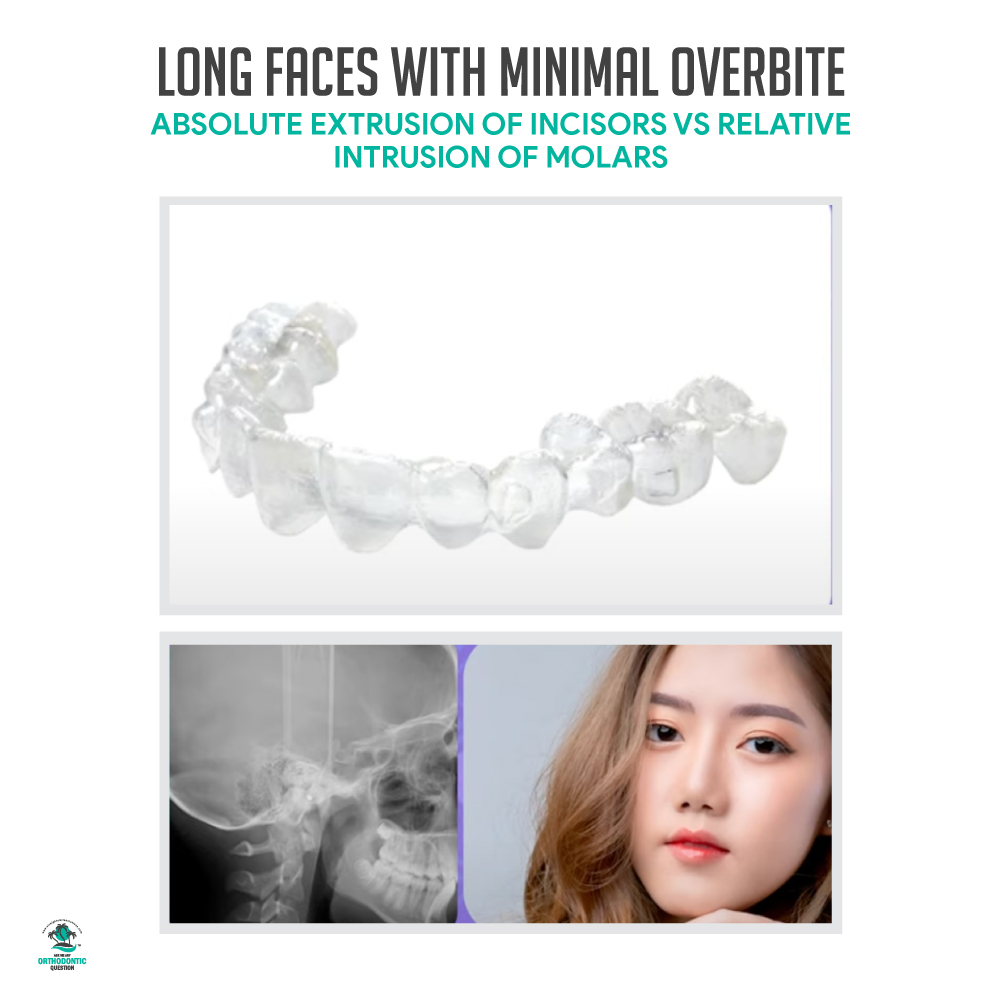
Sometimes, you might find that your patient displays a hyperdivergent profile, and knowing how to tackle these cases is often important. Fortunately, today’s guide outlines the main things you should know about developing a suitable hyperdivergent treatment plan; this should help make finishing cases in hyperdivergent patients a little easier.
What is a Hyperdivergent Profile?
Generally speaking, hyperdivergent profiles are characterized by long and backward growth, which usually arises due to airway issues (such as a blocked, small, or underdeveloped airway) or diets and habits. However, it’s worth noting that this can also have a small genetic link, too.
If you have a young patient presenting with a hyperdivergent profile, intervening ASAP is vital. Always run an OMT screening, an STB screening, and try to fix the airway issues prior to starting orthodontics work on a young patient with this presentation.
Unfortunately, if an adult patient has a hyperdivergent profile with minimal overbite, you’ll either need to refer the patient for jaw surgery or simply deal with the presentation as it is (assuming a treatment plan in this case is even possible, which it may not always be).
Take Care to Check the Smile Lines
Before starting ortho work to correct the vertical on a hyperdivergent case, make sure you have checked the smile lines closely to reduce the risk of complications arising. The ClinChecks and setups, and sometimes even in braces cases, can result in the incisors being pulled down, making them look much more gummy when finishing cases.
As such, in these cases, it will usually be more effective to do relative intrusion of molars with posterior bite turbos or rests rather than absolute extrusion of the incisors. However, if you’re not sure, don’t hesitate to get in touch with a professional orthodontics advisory team, such as our experts here at Straight Smile Solutions, for specific and tailored guidance on how best to tackle each individual case.
Should You Take a Phase 1 Interceptive Transfer Case?
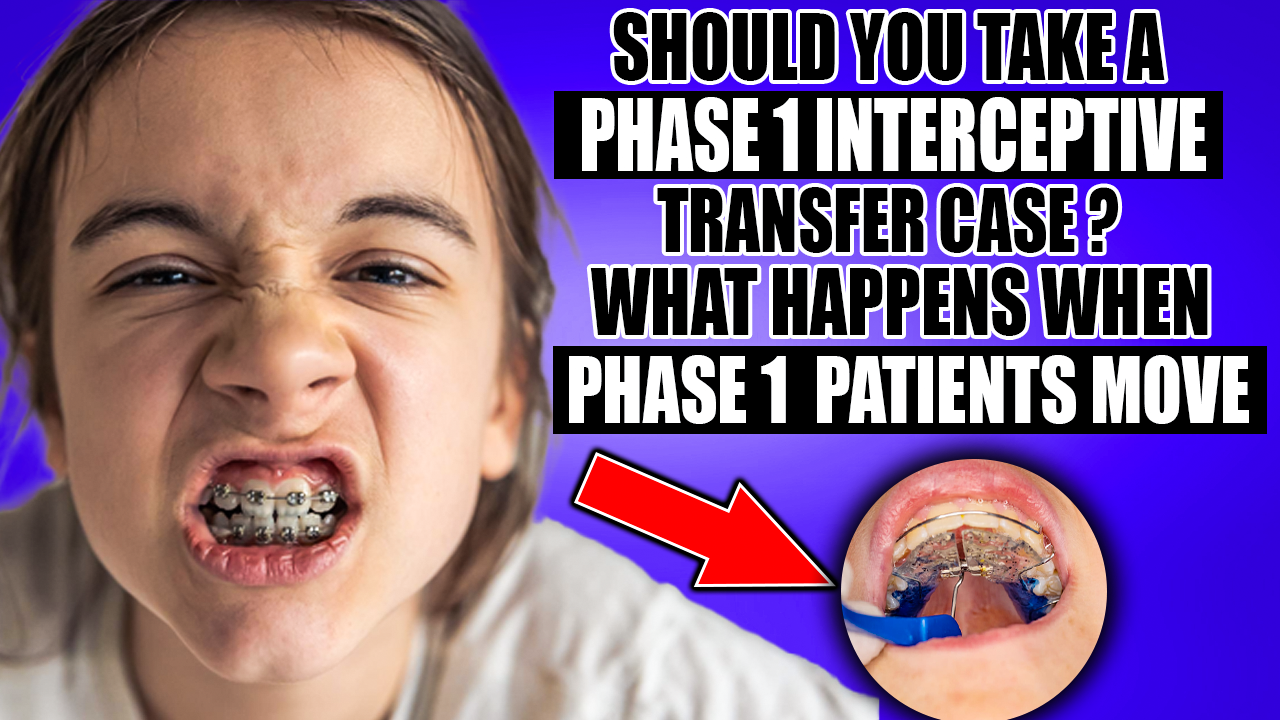
Should You Take a Phase 1 Interceptive Transfer Case?
When it comes to your phase 1 interceptive patients, it’s always important to ensure you’re taking the right approach – but when it comes to transfer cases in orthodontics, things can be a little more complex, and ensuring you know the patient’s history of treatment is essential. But should you even be taking a phase 1 interceptive transfer patient? Well, today’s guide has covered the key things you should consider to help you decide whether phase 1 interceptive transfer cases are right for you.
Why are Phase 1 Interceptive Transfers Complex?
Unfortunately, phase 1 interceptive transfer cases are often in a class of their own compared to regular patients. Indeed, if you are accepting a transfer case, you’ll need to be aware that you could potentially be taking on liabilities from the previous ortho provider; as such, checking each transfer case very carefully is essential to reduce the risk of getting caught out.
It’s worth noting here that Phase 1 interceptive and functional appliance transfer patients are very different from both Invisalign/clear aligner and braces transfers. As such, just because you’ve done Invisalign transfers successfully doesn’t necessarily mean this will work with Phase 1 interceptions.
Before taking on these transfer cases, always make sure you’ve manually checked the current work and get a copy of the initial treatment plan and records, as well as a summary of the treatment plan and all current progress and treatment notes. Don’t forget that you will also need to obtain a transfer form. If you can’t get the paperwork and notes from the previous provider, or if you are unsatisfied with what you’re provided with, starting a brand new case may be safer.
Remember: you are not obligated to take on a transfer case, nor did you have to use the appliances that were used before. As such, if you are not satisfied the work was done well to begin with, don’t hesitate to suggest starting again to the patient. Naturally, the patient may not be happy with this if they have already paid out to have the case started elsewhere; however, if the current treatment does not align with your treatment philosophy and approach perfectly, why take the case as it is?