
StraightSmile Solutions®
Learn from SmileDirectClub Mistakes- Never Offer a Lifetime Guarantee on Ortho or Retention

I. Introduction
Dr. Amanda, the visionary behind StraightSmile Solutions, is dedicated to optimizing orthodontic practices. She delves into lessons learned from Smile Direct Club, emphasizing the importance of avoiding critical mistakes. Dr. Amanda advises against purchasing practices with lifetime guarantees and stresses the need for meticulous contract scrutiny. Her retention playlist and courses on straightsmilesolutions.com offer invaluable insights, urging orthodontists to safeguard their practices against potential liabilities and navigate the complexities of orthodontic management wisely. Learn, adapt, and thrive in the ever-evolving landscape of orthodontic care.
II. Key Mistakes to Avoid
- Never buy a practice with a lifetime guarantee
- Emphasis on the importance of reading patient contracts
- Risks associated with lifetime guarantees
- Importance of debond and retainer contracts
- Red flag if these contracts are absent
- Addressing concerns for orthodontists and general dentists
III. Patient Beliefs and Retention
- Understanding patient beliefs about treatment handling
- Significance of patient perceptions in orthodontic practice
- Impact of improper handling on reviews and patient satisfaction
- Risks of relapse and the need for proper documentation
- Importance of clear communication in patient contracts
- Dr. Amanda’s perspective on managing retention cases
IV. Educational Resources
- Retention playlist on StraightSmile Solutions
- Dr. Amanda’s content on retention-related issues
- Availability of information in phase one and Straightwire courses
V. Straightsmile Solutions Courses
- Phase one course overview
- Addressing proper orthodontic procedures and documentation
- Ensuring a solid foundation for orthodontic practice
- Straightwire course availability at StraightSmileSolutions.com
- Access to courses for orthodontic practitioners
- Focus on the importance of correct paperwork for a practice sale
VI. Risks of Buying Practices with Guarantees
- Null and void nature of guarantees in practice purchases
- Patient perceptions contrary to legalities
- Negative impacts on patient trust and reviews
VII. Orthodontic Liability
- Managing orthodontic liability through proper paperwork
- Aligning paperwork with industry standards
- The importance of meticulous record-keeping for potential practice sale
VIII. Alternative Warranty Programs
- Dr. Amanda’s suggestion for warranty programs
- Advantages of yearly payment models
- Balancing revenue stream without incurring large upfront costs
IX. Lessons from Smile Direct Club
- Analyzing mistakes made by Smile Direct Club
- Extracting valuable insights for orthodontic practitioners
- Applying lessons learned to avoid similar pitfalls
X. Conclusion
Dr. Amanda emphasizes the importance of careful consideration and diligence in orthodontic practice, particularly regarding patient contracts and guarantees. Her insights, as shared on straightsmilesolutions.com, shed light on the potential pitfalls of buying practices with lifetime guarantees or offering them without thorough documentation. Learning from the mistakes of companies like Smile Direct Club, Dr. Amanda stresses the significance of clear and comprehensive patient agreements, ensuring the proper handling of retention cases to avoid potential liabilities. Her advice is a valuable guide for orthodontists to safeguard their practices, reputation, and patient relationships, reinforcing the importance of sound business practices in the field.
How to Make Money Using the BEST Parts of SmileDirectClub
I. Introduction
Dr. Amanda from StraightSmile Solutions is a trusted authority in the evolving landscape of orthodontics. Dr. Amanda delves into the post-Smile Direct Club era, highlighting crucial considerations for dental practitioners. With over 2,000 patients in the U.S. alone seeking completion or a retention plan, she emphasizes the need for adapting practices. Dr. Amanda explores the appeal of virtual consultations, providing insights into innovative approaches that attracted patients to Smile Direct Club. Drawing on her extensive knowledge of the orthodontic field, she advocates for flexibility in treatment plans and virtual check-ins and explores cost-effective options like batch printing.
II. Current Landscape of Orthodontic Cases
- Over 2,000 patients in the US need case completion or retention plans
- Encouragement to identify such patients in individual practices
- Utilizing social media and office communication to reach out to affected patients
III. Identifying Positive Aspects of Smile Direct Club
- Embracing virtual consultations
- Appeal to busy patients, especially younger demographics
- Incorporating flexibility in treatment options
- Virtual Check-ins
- Utilizing technology for efficient patient follow-ups
- Enhancing patient experience with remote engagement
- Flexible Treatment Plans
- Offering shorter treatment durations
- Providing options for partial treatments based on patient preferences
IV. Virtual Consultations and Tracking
- Benefits of virtual consultations
- Catering to busy schedules
- Appealing to tech-savvy patients
- Implementation of Virtual Tracking
- HIPAA-compliant options
- Importance of prompt responses to virtual inquiries
- Engaging potential patients through online screening
- The goal of transitioning inquiries to in-person consultations
V. Adapting to Patient Preferences
- Recognizing the aversion to frequent in-office visits
- Introducing alternatives like virtual consultations
- Encouraging flexible treatment plans
- Leveraging Technology
- Integration of virtual consults into orthodontic protocols
- Utilizing scripting and timely responses for effective engagement
VI. Considerations for Treatment Plans
- Acknowledging the appeal of alternative treatment plans
- Encouraging flexibility in the duration of treatment plans
- Promoting improved or limited plans based on patient preferences
- Stressing the need to assess risks, benefits, and alternatives before proceeding with altered treatment plans
- Financial Considerations
- Addressing patient preferences for flexible payment options
- Recommending alternatives to traditional financing methods, such as Care Credit or compassionate financing
- Introducing batch printing as a cost-effective white label aligner service
VII. Alternative Aligner Brands and Financing Options
- Exploring alternatives to mainstream aligner brands
- Mentioning the consideration of alternative aligner brands
- The importance of understanding lab fees and patient qualifications
- Discussion on financing options
- Recognizing challenges with traditional financing methods
VII. Conclusion
Dr. Amanda emphasizes the need for dental practitioners to adapt their practices in light of the challenges Smile Direct Club (SDC) faces. With SDC’s decline, over 2,000 patients may require case completion or retention plans, allowing dental professionals to step in. Dr. Amanda highlights key aspects that attracted patients to SDC, including virtual consultations, flexible treatment plans, and the appeal of minimal in-office visits. Incorporating innovative approaches, such as virtual consults and flexible treatment options, is underscored for attracting busy, tech-savvy patients. Staying informed and implementing these strategies can position dental practices to thrive in the evolving landscape.

How to Make Money Buying up and Flipping Bread and Butter Dental Practices

How to Make Money Buying up and Flipping Bread and Butter Dental Practices
I. Introduction
A. Introduction to Dr. Amanda and StraightSmile Solutions
B. Focus on buying a dental practice for financial success
C. Assertion that it’s a no-lose situation with a secret sauce
II. Key Factors in Buying a Dental Practice
A. Location is crucial
1. Proximity to dental schools
a. Preferably in an area with multiple dental schools
b. Large dental school within an hour or two
2. Desirable location
a. Attractive to people
b. Convenient parking
B. Practice type and clientele
1. Bread and butter dental practice
a. Established
b. Core services: crown and bridge
2. Loyal clientele
a. Long-time patients
b. Potential for new grads influx
III. Strategic Focus for Success
A. Avoid certain specialties
1. No Ortho
a. Opportunity for new grads to handle
2. No implants
a. Allows for specialized work later
3. No sleep-related services
a. Focus on existing services due to a high hygiene schedule
B. Leveraging hygiene schedule
1. A packed hygiene schedule is an asset
2. Allows for the owner to focus on specialty work
3. New grads can manage the bread-and-butter cases
C. Advantageous timing in the market
1. Current environment with cautious lending
2. New grads are more cautious due to loan situations
3. Potential for better deals on practices
4. Opportunity for established individuals to secure favorable deals
IV. Advantages of the Current Landscape
A. Caution in the new grad market
1. New grads less eager to jump into ownership
2. Caution due to loan situations
B. Win-win situation
1. More stability for established individuals
2. Easier to secure favorable deals
V. Overcoming Challenges
A. Need for proper systems
1. Importance of setting up effective systems
2. Digital dentistry advancements
a. Accessibility from home
b. Tools like Open Dental
B. Remote management
1. Utilizing technology for remote practice oversight
2. Remote billing options
VI. Encouragement and Assistance
A. Dr. Amanda’s assurance
1. Buying and running a practice is not overly challenging
2. Systems in place make it easier, especially with digital dentistry
B. Offer for assistance
1. Willingness to help with questions
2. Specialized support for setting up systems and operations in Ortho
VII. Establishing Systems and Operations
A. The importance of having well-defined systems in place
1. Streamlining operations for efficiency
2. Remote management of various aspects of the practice
B. Overcoming challenges and potential hurdles
1. Guidance on setting up systems for orthodontic practices
2. Dr. Amanda’s availability for assistance and advice
VIII. Conclusion
Dr. Amanda from StraightSmile Solutions emphasizes a strategic approach to buying a dental practice for immediate financial success. The key factors she highlights include choosing a location near dental schools, ensuring an appealing practice location with parking, and focusing on a well-established bread-and-butter dental practice with loyal clientele. Dr. Amanda suggests initially steering clear of orthodontics, implants, and sleep-related services, allowing new grads to handle the core dental procedures while the owner focuses on specialty work. With the current cautious lending climate for new graduates, Dr. Amanda sees a suitable time for established practitioners to secure deals and succeed by implementing efficient systems, leveraging digital dentistry, and running practices remotely.
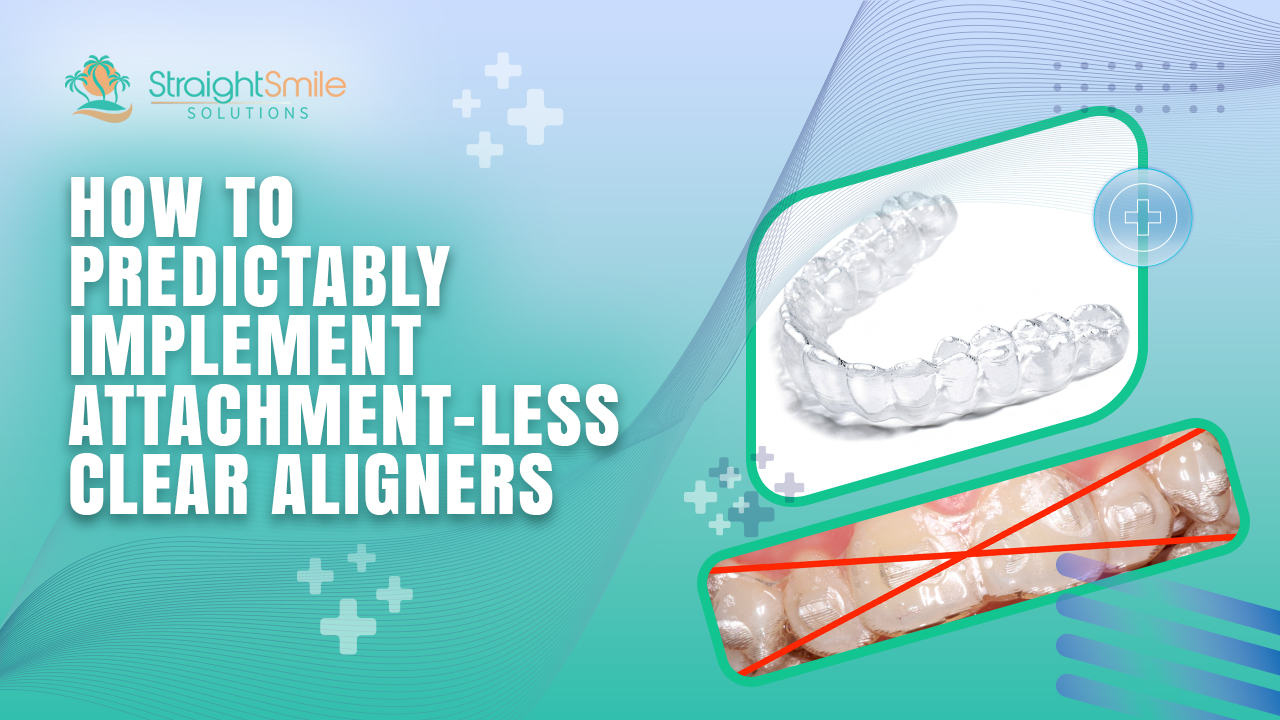
How to Predictably Implement Attachment-Less Clear Aligners
I. Introduction
Dr. Amanda from StraightSmile Solutions shares valuable insights on dental procedures and solutions. She dives into an overlooked topic – the challenges and considerations when using attachment-less clear aligners. Dr. Amanda emphasizes the importance of caution, providing tips and tricks for those considering this approach. She shares her preference for ClearCorrect, highlighting its unique features. Dr. Amanda delves into case selection, cautioning against unpredictable outcomes, and stresses the significance of a strong, informed consent process. This informative guide is a must-read for dental professionals navigating the nuances of attachment-less clear aligners. For more content, visit her website.
II. Material and Platform Selection
A. Clear Correct chosen over Invisalign
B. Reasons for Clear Correct preference
1. Material stiffness and predictability
2. Ease of submission and dashboard usability
III. Preparation and Caution
A. Insurance and Dental Board differences
B. Caution with insurance patients due to unpredictability
C. Suggestion: Consult liability insurance for risk management advice
IV. Case Approach
A. Only comprehensive or unlimited cases; no light, express, or moderate cases
B. No reliance on flex, three, two, or one case; all treated as full cases
C. Quadruple the aligner quantity to ensure gradual movement without attachments
D. Highlighting teeth movements that may not predictably track
V. Case Selection
A. Choose easy cases; avoid cases with the potential for worsening conditions
B. Consider patient outcomes: Would incomplete movement leave them worse off?
C. Utilize experience and clinical judgment in selecting suitable cases
VI. Informed Consent
A. Customized informed consent addressing attachment options and potential outcomes
B. Patient shown perfect scenario with attachments, given an option to convert within a timeframe
C. Patient consent to use of chewies and agreement to remote monitoring
VII. Remote Monitoring
A. Mandatory use of chewies for optimal tracking
B. Requirement for remote monitoring for accountability and progress tracking
C. Emphasize the importance of not progressing to the next aligner until tracking is achieved
VIII. Accountability Measures
A. Informed consent emphasizes patient responsibility and cooperation
B. Remote virtual monitoring as an additional layer of accountability
C. Clear instructions on aligner progression and wearing durations
IX. Potential Issues and Refunds
A. Acknowledgment that despite precautions, patient complaints may arise
B. Possibility of refund in case of unresolved issues; understanding the occasional need for refunds
C. Preparing for potential complaints to dental boards or insurance companies
X. Conclusion
Dr. Amanda provides valuable insights and practical tips on utilizing clear aligners, specifically ClearCorrect, for attachment-less cases. Emphasizing the importance of case selection, she advises against using light or express cases and recommends quadrupling the number of aligners for a comprehensive approach. Dr. Amanda underscores the need for customized informed consent, addressing potential challenges and offering patients the option to transition to traditional treatment with attachments if necessary. Stressing the importance of remote monitoring and diligent use of chewies, she provides a thorough guide for orthodontists venturing into attachment-L clear aligner cases while also cautioning about potential challenges and the possibility of refunds in certain situations.
When to STOP Invisalign or Braces Class 2 or Class 3 Elastics

I. Introduction
Welcome to StraightSmile Solutions, your go-to destination for cutting-edge orthodontic insights and solutions. I’m thrilled to share that we’ve just posted a video on StraightSmile Solutions that delves into the nuances of using appliances like twin blocks and MA cases. These appliances play a crucial role in growing jaws and addressing overjet concerns. Our expert, Dr. Amanda, with over 20 years of experience, provides valuable insights into when to employ these appliances and when to stop, ensuring optimal results. Before diving into the details, check out the video for a comprehensive understanding. At StraightSmile Solutions, we’re committed to offering unbiased orthodontic education, empowering you to make informed decisions in your practice. Explore our content, stay informed, and elevate your orthodontic expertise.
II. Overview of Elastics
- Purpose: Used to grow jaws and address overjet in orthodontic cases
- Severity of cases:
- Severe overjet – elastics for Class II or Class III cases
- Mild overjet – elastics for minor situations (1-3 mm)
III. Elastics Mechanism
- Misconception: Elastics do not grow jaws
- Actions: Canting and tipping the inclusive plane
- Caution: Side effects and unpredictability in treatment
- Importance of understanding straight wire before using elastics in Invisalign
IV. Case Considerations
- Class II cases
- Usage: In aligners or braces
- Bite situation: Consideration of bite opening or unwanted forces
- Class III cases
- Aligner preference: Better for intrusive forces
- Case selection: Consider severity and desire for growth
V. When to Stop Elastics
- Completion of treatment: Stop when the desired result is achieved
- Muscle memory and deprogramming: Less of an issue with gradual changes
- Relapse: Expect some relapse; plan treatment accordingly
VI. Class II Elastic Case
- Endpoint: Achieve a solid Class I with minimal overjet
- Relapse consideration: Plan for potential relapse, stop treatment conservatively
VII. Class III Elastic Case
- Endpoint: Positive overjet, no anterior contacts
- Relapse consideration: Expect relapse, especially if not worn full-time
VIII. Importance of Case Selection
- Evaluate the severity of overjet or negative overjet
- Consider patient growth and cephalometric analysis
- Emphasize the need for understanding case dynamics and forces
IX. Caution against Blindly Trusting ClinCheck
- Warning: Do not solely rely on ClinCheck predictions
- Consultation: Seek advice from orthodontists for complex cases or uncertainty
X. Promotional Content
- Mention of Straight Wear course
- Benefits: Logical sequence, comprehensive content
- Reminder: Price increase after January 31, 2024
XI. Acknowledgment of Support
- Acknowledges support from viewers and course purchasers
- Emphasizes the goal of providing unbiased and quality orthodontic education
- Acknowledges the financial challenges of producing content but expresses dedication to continue
XII. Conclusion
Understanding the nuanced application of elastics in orthodontics is crucial for successful outcomes. Driven by a commitment to providing unbiased education, StraightSmile Solutions offers valuable insights. The recently shared video delves into the intricacies of when to cease interventions with various appliances. Dr. Amanda emphasizes prudent case selection, cautioning against overreliance on clinchecks. With a wealth of experience, the emphasis on comprehensive learning remains evident, urging practitioners to prioritize patient health and efficient treatment paths.
Finishing Invisalign with MA vs. Finishing Twin Block
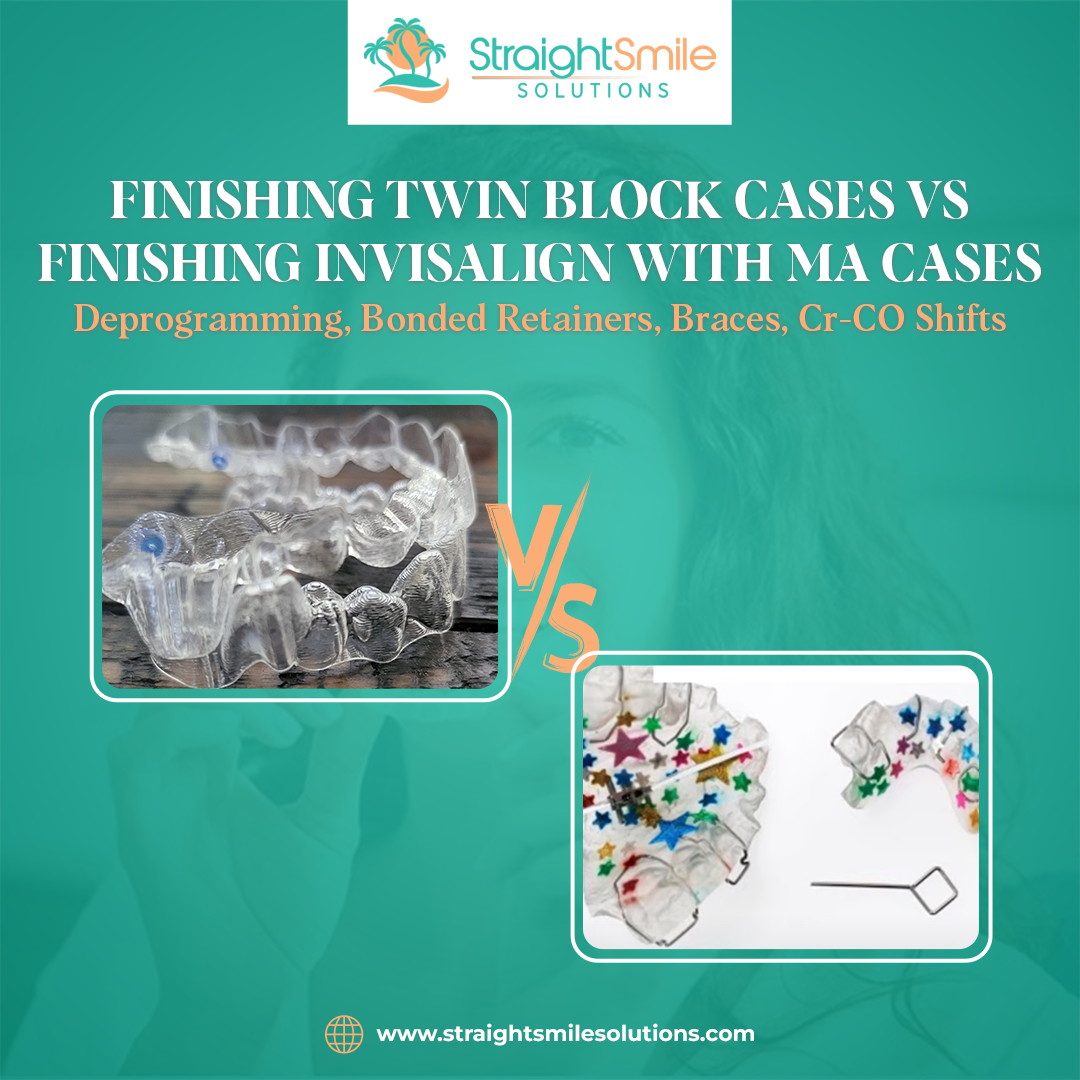
Finishing Invisalign with MA vs. Finishing Twin Block
I. Introduction
Dr. Amanda from StraightSmile Solutions and I’m excited to dive into a comparison today. We’ll explore the intricacies of finishing a case with Invisalign Ma versus the traditional Twin Block Invisalign. Invisalign Ma, an Align Technology innovation, not only straightens teeth but also aids in developing little jaws, particularly in growing kids. On the other hand, the Twin Block, around for almost a century, focuses on jaw growth but lacks some features of Ma. Join me as we delve into the nuances of these treatments, discussing their effectiveness, compliance, and the art of finishing cases with finesse.
II. Purpose of the Video
A. Comparison between finishing a case with Invisalign with MA and a standard twin block Invisalign
B. Explanation of Invisalign with MA and twin block
1. Invisalign with MA by Align Technology
2. Twin block – a predecessor of Invisalign with MA, used for growing jaws for nearly 100 years
III. Features of Invisalign with MA (Mandibular Advancement)
A. Aligns teeth and grows jaws
B. Specific focus on growing little jaws in growing kids
C. Attachments for teeth straightening
D. Higher cost, usually offered in Invisalign first or comprehensive options
IV. Features of Twin Block
A. Used for growing jaws and possibly expanding arches
B. Limited teeth alignment capabilities compared to Invisalign with MA
C. Compliance and case selection are critical due to the need for growth potential
D. Difficulty in creating an accountability loop for wear
V. Compliance Importance
A. Accountability is crucial for both Invisalign with MA and Twin Block
B. Invisalign with MA advantages in tracking wear due to regular appointments and visible wear on aligners
VI. Cost and Accessibility
A. Invisalign with MA
1. Offered by Align Technology
2. Cost: Around $1,300 to $2,000 in the US
B. Twin Block Invisalign
1. Can be made at any global lab
2. Estimated cost: $250 to $300
VII. Differentiating Between Invisalign with MA and Twin Block
A. Accountability loop challenges in Twin Block
B. Muscle memory and relapse concerns in Twin Block due to instant bite jumps
C. Difficulty in assessing effectiveness without months of wear
VIII. Completing Invisalign with MA Treatment
A. Assessing progress
1. Regular appointments
2. Monitoring aligner fit and wear
B. Potential need for deprogramming aligners to address shifts and muscle memory
C. Posterior open bite expected due to aligner design
D. Options for finishing: aligners, sloppy bonded retainers, or deprogramming aligners
IX. Completing Twin Block Treatment
A. Similar challenges in assessing progress
B. Posterior open bite expected
C. Options for finishing: braces, sloppy bonded retainers, or force eruption in aligners
D. Importance of monitoring bite settlement and relapse
X. Conclusion
The comparison between finishing a case with Invisalign MA and a standard twin block reveals distinct considerations. While Invisalign MA offers a more predictable path with regular check-ins, twin blocks rely on muscle memory, making compliance crucial. Case selection, accountability, and the potential need for deprogramming aligners or sloppy bonded retainers underscore the nuanced nature of each approach. Whether opting for MA or twin block, the journey to completion involves ongoing assessment, flexibility, and a tailored approach to achieve successful orthodontic outcomes. Refer to Dr. Amanda’s comprehensive videos on each technique for more in-depth insights.
How Elastics Work Differently in Invisalign and ClearCorrect vs Braces

How Elastics Work Differently in Invisalign and ClearCorrect vs Braces
I. Introduction
In this insightful discussion led by Dr. Amanda of StraightSmile Solutions, we delve into the intricacies of biomechanics in orthodontics, specifically comparing the use of elastics in traditional braces versus clear aligners like Invisalign. Dr. Amanda emphasizes the importance of foundational knowledge in Phase One orthodontics, highlighting the pitfalls of disregarding this essential step. With over 15 years of training experience, she sheds light on the nuances of elastic application, cautioning against common mistakes and providing valuable insights for achieving optimal outcomes in braces and aligners.
II. The Fundamental Role of Phase One Appliances
A. Personal experience and training background
1. 15+ years of training doctors
2. Distinction between doctors trained in braces and those starting with clear aligners
B. Importance of mastering braces and Phase One appliances
1. Essential for effective Invisalign, clearcorrect, or clear aligner treatment
III. Biomechanics of Elastics in Braces
A. Overview of the Straight wire approach
1. Align and level first with light nighttime wires
2. No space closure in light nighttime wires
B. Introduction of elastics in braces
1. Timing: Class two and class three elastics in the second half of treatment
2. Addressing deep bites and high canines with posterior box elastics
3. Impact on occlusal planes and space closure
4. Caution with impacted molars
IV. Application of Biomechanics to Aligners
A. Aligners vs. Braces biomechanics
1. Highlighting the differences
2. Emphasis on the need for a solid foundation in braces
B. Common Mistakes with Aligners
1. Incorrect use of elastics
a. Overuse and its negative impact on outcomes
b. Case-specific considerations for elastics in aligners
2. Importance of control in aligners
a. The advantage of control over anchorage in aligners
b. Utilizing buttons instead of hooking elastics onto plastic
V. Aligners in Complex Cases
A. Addressing complex cases with aligners
1. Demonstrating sequential distillation for major tooth movement
2. Leveraging control in aligners for effective anchorage
B. Understanding case specifics
1. Analyzing sagittal slices for class two and class three cases
2. Strategic use of elastics based on tooth inclinations
VI. Importance of Comprehensive Knowledge
A. High-level understanding of aligner success
1. Emphasizing the need for in-depth knowledge
2. Aligner success linked to fundamental orthodontic concepts
B. The role of technology
1. The necessity of a cephalometric machine or CBCT for sagittal slices
2. Integrating technology into treatment planning for aligner cases
VII. Conclusion
Dr. Amanda emphasizes the critical importance of understanding the biomechanics of braces and clear aligners, debunking the notion that mastering clear aligners can be achieved without a solid foundation in traditional orthodontics. Drawing on over 15 years of experience, she underscores the necessity of Phase One Braces training before delving into aligners. Dr. Amanda provides insights into the judicious use of elastics in braces, cautioning against their premature application in aligner cases. Her high-level discourse stresses the need for a comprehensive understanding of orthodontic principles and the essential role of diagnostic tools like CBCT for successful
How to Handle Mobility or Recession during Orthodontic Treatment

How to Handle Mobility or Recession during Orthodontic Treatment
I. Introduction
Dr. Amanda from StraightSmile Solutions, let’s delve into the nuances of orthodontic challenges, specifically addressing concerns related to tooth mobility during Invisalign or clear aligner treatments, applicable to bar treatments. If you find yourself grappling with such issues, worry not! When doctors contact me about these cases, I often play detective, offering guidance based on crucial information. Before our consultation, I typically request a panoramic X-ray (PA), probing depths, and previous records. Tracking, progress intraoral photos, and a CBCT sagittal slice also top the checklist. Until we assess these, I recommend refraining from progressing with aligners. My goal is to decipher whether the issue stems from rapid movement or excessive forward shifts.
II. Initial Steps Before Diagnosis
● Discussion on mobility or recession during treatment
● Applies to Invisalign, clear aligners, and braces
● Addressing doctors rather than patients
III. Detective Work
● Dr. Amanda’s approach to diagnosing issues
● Emphasizing the need for information before meeting
● Detective analogy and potential need to consult or collaborate with colleagues
IV. Information Required Before Diagnosis
● List of information needed before meeting
● Number 1: Get a PA (Periapical) X-ray of the affected area
● Optional: CBCT (Cone Beam Computed Tomography)
● Include probing depths around the area
● Request both new and old PA X-rays
● Gather start X-rays and start charting for comparison
● Tracking photos explanation and importance
● Progress into oral photos with articulation or occlusion marks
● Include a Seom metric X-ray or CBCT sagittal slice
V. Holding Off on Treatment Progress
● Strong recommendation to hold off on aligner progression until diagnosis is complete
● Suggestion to remove the tooth from occlusion if necessary
● Potential use of bite bumps or retainers during the investigation
VI. Most Common Causes of Issues
● Discussion on common causes of mobility or recession
● Emphasis on moving teeth too fast
● Encouragement to learn treatment planning and understand appropriate speeds
● Importance of using adequate plastic to reduce forces and benefit oral health
● Orthodontists’ approach to smaller, frequent movements versus larger, infrequent ones
VII. Orthodontic Approach
A. Multiple iterations to optimize treatment plans
B. Emphasis on Slow and Low forces for better outcomes
C. Contrast with the potential mistakes of blindly following technician instructions
VIII. Conclusion
Addressing issues of mobility or recession during Invisalign or clear aligner treatment, and similarly for Bar’s treatment, requires a thorough diagnostic approach. When doctors encounter such challenges, gathering essential information is crucial before proceeding. This step involves obtaining a periapical X-ray or CBCT, probing depths, and historical records. Comprehensive tracking photos and progress intraoral photos with articulation marks are indispensable. Additionally, a sagittal slice X-ray or CBCT can provide valuable insights. Prioritize understanding the rate of tooth movement; favoring slow, incremental adjustments over rapid shifts is vital for long-term success. If complications arise, consider temporarily removing the tooth from occlusion. Remember, collaborating with experts and avoiding blind reliance on technicians is key to optimizing treatment plans and ensuring optimal patient outcomes. Remember, a cautious, informed approach is paramount in achieving the desired results.
When can you STOP wearing retainers? How many Retainer visits should an office offer for free?
 When can you STOP wearing retainers? How many Retainer visits should an office offer for free?
I. Introduction
Dr. Amanda from StraightSmile Solutions your go-to resource for orthodontic expertise. If you’re eagerly awaiting the day you can bid farewell to your retainers, brace yourself—it’s not a swift journey. In this exploration, we’re addressing the persistent query that lingers in the minds of many. Whether you’re navigating this as a curious patient or a fellow practitioner seeking clarity, a fresh perspective is in store. Join us as we unravel when to part ways with your retainers. Spoiler alert: it’s a lifelong commitment. But fear not; I’ll guide you through managing this commitment tailored to each unique case. Stay tuned as we delve into the vital realm of retainer checks and discover the magic number for your office’s complimentary checks.
II. When to Stop Wearing Retainers
A. Importance of emphasizing lifelong wear
1. Reinforcement in debonding material and handouts
2. Discussion during office visits, braces tightening, or aligner check-ins
B. Handling patient inquiries
1. Responding with a focus on long-term results
2. Customized approach based on patient needs
C. Factors influencing retainer duration
1. Unique considerations for each patient
2. Exploring options to wear retainers less over time
3. Reference to available content and courses
III. Retainer Checks: How Many and Why
A. Setting the stage for retainer checks
1. Establishing the importance of post-treatment monitoring
2. Addressing the question of free retainer checks
B. Recommended retainer check frequency
1. Initial checks at one-month, three months, and subsequent three-month intervals
2. Emphasizing the flexibility in the number of visits
C. Documenting retainer fit
1. Capturing photos with retainers in and out
2. Importance of documenting perfect outcomes
D. Handling missed retainer checks
1. Initiate communication with patients
2. Documenting attempts to reach patients to avoid future complications
E. Addressing potential relapse
1. Emphasizing the role of retainer checks in preventing relapse
2. Risks of neglecting regular retainer visits
IV. Handling Requests for New Retainers
A. Post-one-year retainer checks
1. Offering free consults for retainer assessment
2. No charge for retainer checks within the first year
B. Dealing with lost or damaged retainers
1. Recommending more than one set-up front
2. Providing options for upgrading to premium retainers
C. Storing digital files
1. Emphasizing the importance of STL final scans
2. Cloud storage options and limitations with aligner companies
D. Encouraging digital file backup
1. Suggesting periodic storage of STL files
2. Preparing for potential long-term retainer replacements
Available resources
1. Mention of Straight wear course and retainer menu
2. Access to forms and documents through memberships, webinars, and document store
V. Conclusion
Dr. Amanda emphasizes the lifelong commitment to wearing retainers for optimal orthodontic results, dispelling any notion of a set timeframe. Regular retainer checks are important, with suggested frequencies and reminders to document patient follow-ups. Dr. Amanda advocates for meticulous record-keeping, including photographic evidence, and offers practical advice on managing retainer replacements. The importance of clear protocols and policies, supported by available forms and resources, is highlighted for orthodontic practitioners to ensure the success and longevity of their patients’ treatments.
Orthodontics Treatment Plan Options for Premolar Root Agenesis

The Orthodontic Implications of Premolar Root Agenesis in Panoramic X-rays
Taking a panoramic X-ray before starting work on new treatment plans is integral; just one reason is that this can give you a clear insight into the symmetry of your the roots. This can help you determine the most appropriate treatment plan – and understand the implications on orthodontics associated with the asymmetry.
What is Premolar Root Agenesis?
Premolar root agenesis occurs when one of the permanent premolars has not fully formed, either due to slow or arrested tooth growth, meaning that there is very little in the way of root growth (or none at all). In very young patients, there is the possibility that a slowly developing permanent tooth may catch up eventually. However, in older patients with fully erupted 4s, 5s, 7s, and one undeveloped premolar tooth, this will typically be a premolar root agenesis.
Orthodontics Treatment Plan Options for Premolar Root Agenesis
If you have a premolar root agenesis patient to create a treatment plan for, there are a few options. You could have a skilled oral surgeon pull the undeveloped tooth out, or you could leave it stacked with both the baby and the underdeveloped tooth.
However, if you leave it stacked, you likely won’t be able to move the teeth in that area through orthodontics, and if you attempt to move teeth on the other side, you’ll likely want to avoid braces and use clear aligners with a locked area instead. In line with this, delicately extracting the tooth will often be the preferred treatment plan.
Before you extract, it is often worthwhile to delay the treatment plan for a while to ensure that the tooth is no longer developing. However, this will delay the start of orthodontics work.
We strongly recommend consulting with a radiologist and an oral surgeon before starting on premolar root agenesis treatment plans, to find the most appropriate approach for a patient.