
StraightSmile Solutions®
Managing Traumatized Teeth in Orthodontics Cases
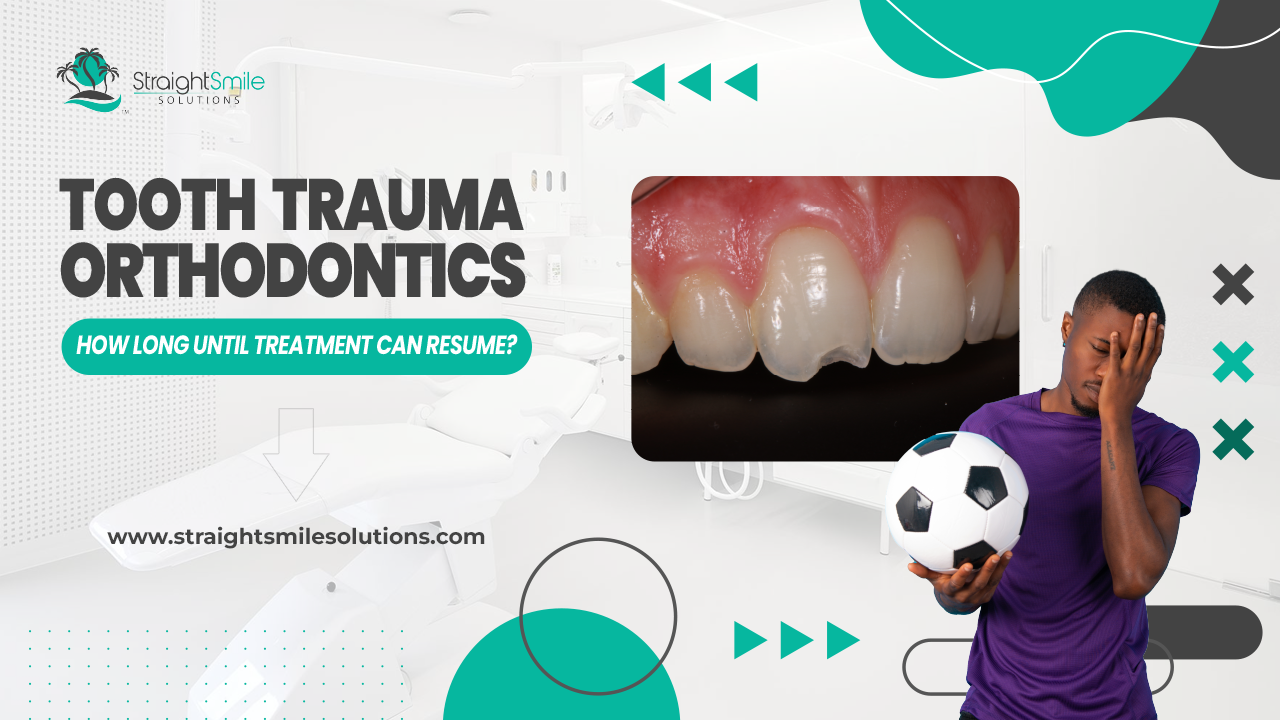
Managing Traumatized Teeth in Orthodontics Cases
Tooth trauma can be incredibly common – however, this can potentially complicate your approach to orthodontics treatment planning. In line with this thought, we’ve outlined some of the key things you should know about tackling these cases.
How Long After Trauma to Commence or Resume the Orthodontics Treatment Plan?
If your patient has experienced tooth trauma, you will need to stop or delay orthodontics work to ensure that the treatment plan is tailored to your patient’s needs. However, it’s not necessarily clear how long you should wait, and this can be on a patient by patient basis. As such, it’s often best to defer to their primary care dentist, endodontists, and dental radiologists for professional advice.
You should always get professional advice before tackling orthodontics in a patient with tooth trauma. However, if you see an obvious issue, such as mobility complications a lesion, it’s best to avoid these cases.
Before taking on any tooth trauma cases, always get an informed consent form signed. A section on traumatized teeth is usually included in Invisalign and standard braces informed consent forms.
What to do Post-Trauma
After a patient has experienced tooth trauma, you will want to take an x-ray to look for any signs of fractures, and the tooth will likely want to be taken out of occlusion. If the tooth has mobility, you may also want to splint it (or use a heavy wire in braces). Furthermore, if you are using Invisalign or a similar clear aligner company, you could lock the tooth by blocking it to move just the teeth around it.
Always take an x-ray before and during the treatment plan. X-rays should ideally be taken at two-monthly intervals (at least) to highlight any changes.
Treatment Planning for Sequential Distalization in Invisalign
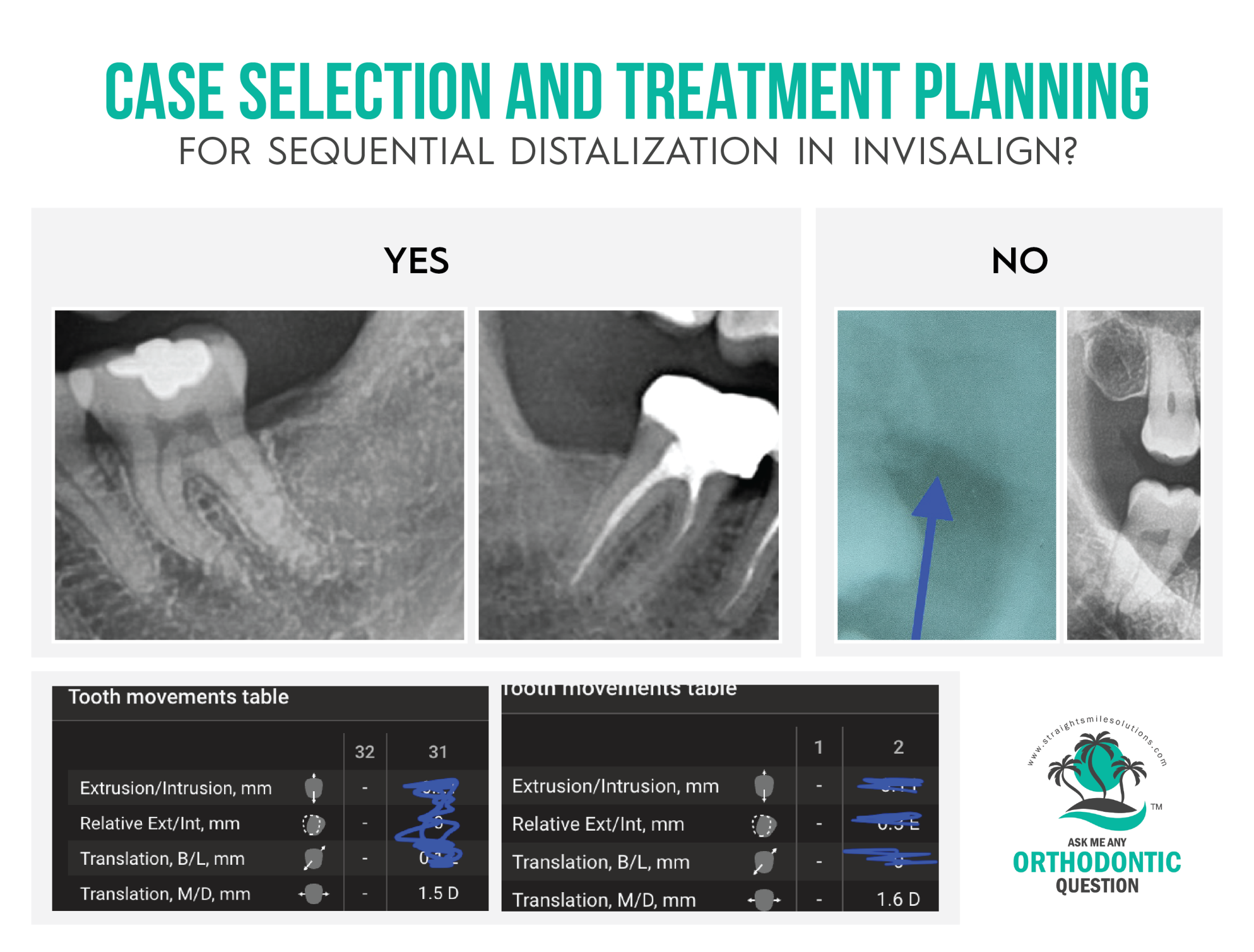
Case selection is a crucial when it comes to orthodontics, and in sequential distalization patients, this can have a very significant impact on your success rates with an Invisalign treatment plan (or any brand of clear aligner). In line with this thought, today, we’re looking at some key things you should know about treatment planning and case selection for sequential distalization patients in Invisalign.
The Benefits of Sequential Distalization
There are many benefits of following a sequential distalization treatment plan. Of course, the main benefit is that you won’t have to cut teeth or pull premolars or lower incisors, and there are no risks of pushing teeth through the bone anteriorly or transversally; instead, you are using the hidden space that is already there due to third molar removal.
Case Selection is Critical
While sequential distalization is crucial, this type of treatment plan won’t work for every patient. Critically, case selection is integral. For one thing, after the third molar extraction, try to leave at least, one, two, or three months before starting a sequential distalization treatment plan with Invisalign, which can allow the bone to fill in a little.
Before starting any sequential distalization treatment, check the patient clinically and look at the pano x-ray to ensure there is a retro molar space. Try to stick within limits, too; around 2mm on the lower is the limit we use, although up to 6mm can potentially work on uppers in some cases.
Always be careful with the speed in sequential distalization cases in Invisalign. Remember, these cases will usually be long-haul, and going too fast can result in a perio pocket.
Fortunately, when determining whether you can do sequential distalization, platforms such as Invisalign (and some other clear aligner brands, like ClearCorrect) offer Tooth Movements Tables, which can help you understand spacing better.
Gummy Smiles- Skeletal, Mouth Breathing, VME
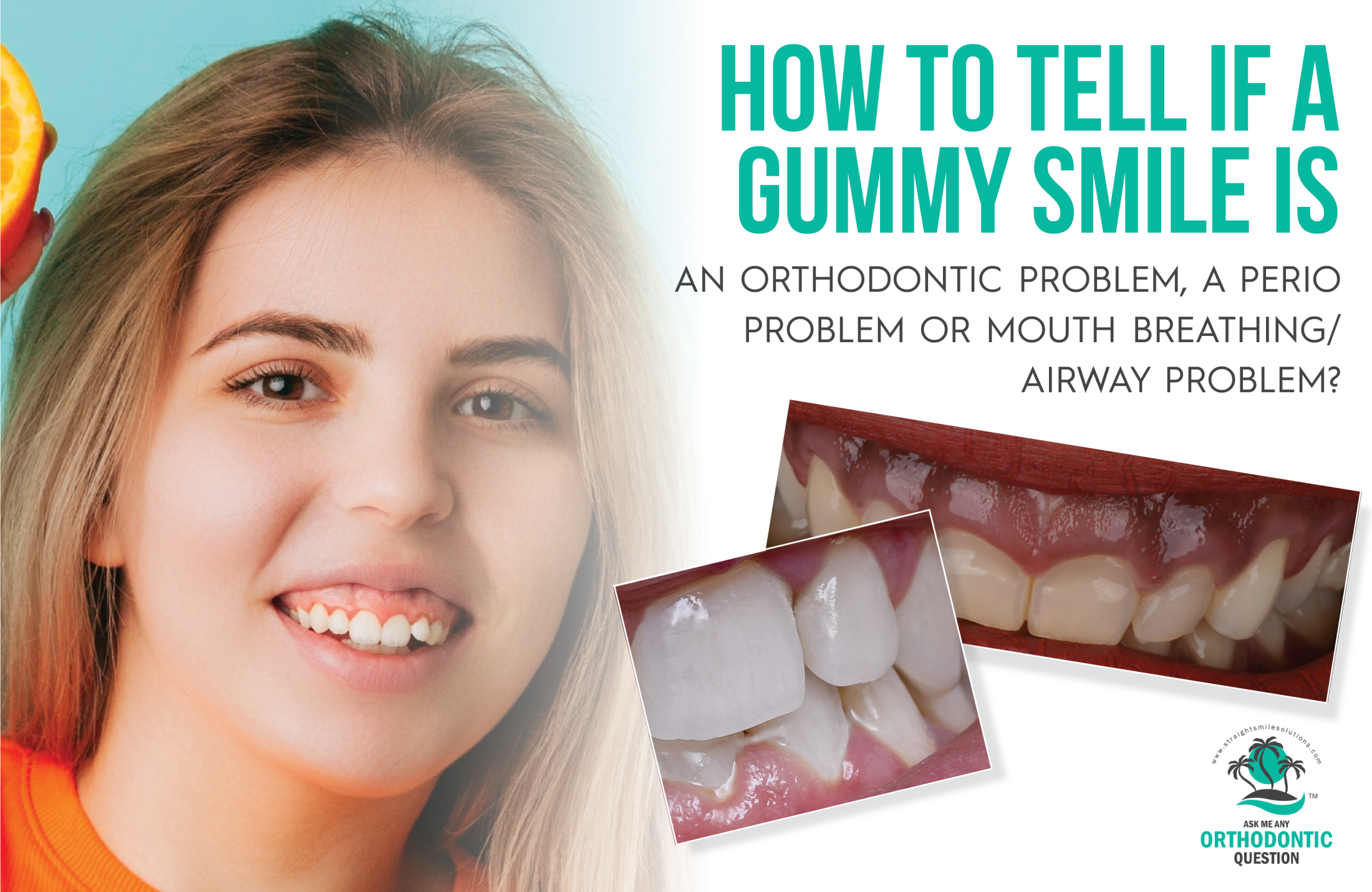
Gummy Smiles- Skeletal, Mouth Breathing, VME
I. Introduction
Unlocking the secrets behind gummy smiles is like delving into an art form—one that requires a keen eye and a comprehensive understanding. Dr. Amanda from StraightSmile Solutions takes us on an insightful journey through the intricacies of gummy smiles. From identifying different types to determining treatability, she sheds light on the multifaceted nature of this dental concern. Dr. Amanda explores potential causes, ranging from orthodontic issues to airway problems, providing valuable insights into effective treatments. As we venture deeper into the realm of gummy smiles, Dr. Amanda’s expertise becomes an indispensable guide, unraveling the complexities with clarity and precision. Let’s dive into the world of smiles, where Dr. Amanda from StraightSmile Solutions illuminates the path to a confident, radiant grin.
II. Initial Assessment
A. Importance of partial probing
1. Checking for signs of plaque, infection, and BOP
B. Consideration of crown anatomy
1. Short clinical Crowns and possible laser treatment
C. Differentiating between orthodontic, periodontal, and airway issues
III. Orthodontic Considerations
A. Vertical Maxillary Excess (VME)
1. Definition and genetic factors
2. Detecting VME through cephalometric X-rays
3. Treatment options, including phase one treatment and jaw surgery
B. Intruding teeth and lip Botox as potential solutions
C. Hypermobile lip as a cause of gummy smiles
1. Natural settling over time
2. Optional use of lip Botox
IV. Airway Problems and Mouth Breathing
A. Link between airway issues and gummy smiles
B. Mouth breathing is a distinct cause
1. Fibrous thick tissue and the “mouth breathing gummy smile.”
C. Identifying mouth breathing through partial probing
D. Potential treatments for mouth breathing
1. ENT surgery
2. Expansion
3. Retraining and mouth taping
a. Proper tape selection
b. The significance of tape staying on or falling off
4. Oral myofunctional therapy recommendation
V. Conclusion
When evaluating a gummy smile, it is important to consider all potential causes, including short clinical crowns, vertical maxillary excess, hypermobile lip, and mouth breathing. Treatment plans should match the ideology behind the excess gingival display to succeed. This may involve periodontal procedures, orthodontics, orthognathic surgery, myofunctional therapy, ENT interventions, or a combination. Careful diagnosis through clinical and radiographic examination, probing, lip mobility assessment, and airway evaluation is key to determining suitable therapies. Taking a multidisciplinary approach by consulting various dental and medical specialists can lead to properly treating gummy smiles for improved aesthetics and function.
2024 Mark Costes DSI DSN Freebies StraightSmile Solutions
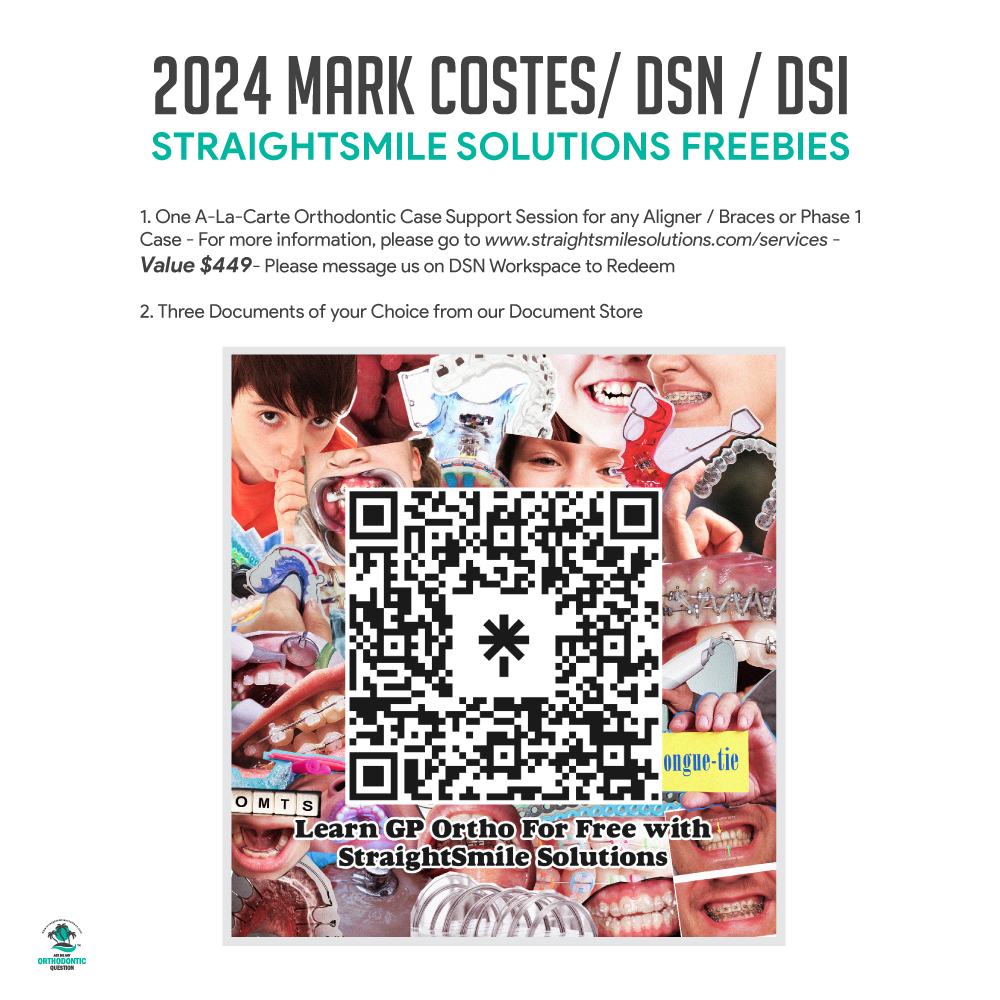 2024 Mark Costes DSI DSN Freebies StraightSmile Solutions
I. Introduction
Dr. Amanda from StraightSmile Solutions. As we enter 2024, I’m thrilled to share some exciting updates. I create annual content, and this year, I’m especially grateful for my affiliation with the Mark Costus DSN (Digital Smile Network) group, where I serve as faculty. Working alongside some incredible doctors has been an honor. To express my gratitude, DSN members can access exclusive freebies by messaging me on the DSN workspace. One notable offer is a complimentary Allart Case Support Session, a $449 value, detailed on my website. DSN or DSi members can also choose three documents from our store annually. Stay tuned for upcoming webinars, and let’s make 2024 a year of collaboration and growth!
II. Freebies for DSN/DSi Members
A. Accessing freebies
1. Message on DSN workspace
2. Find Dr. Amanda Wilson
3. Alternatively, message on socials with the name
B. Offered freebies as a thank-you
1. Free Allart case support session
2. Redemption process for DSN members
3. Verification of active DSN membership
III. Free Allart Case Support Session
A. Explanation of the service
1. Detailed information on website
2. Assistance with various case types
B. Exclusions from the service
1. No support for jaw surgery cases
2. Exclusion of surgery-related cases like TADs
C. Value of the session
1. Priced at $449
2. Emphasizing it as a one-time offer
D. Process and commitment
1. Continuous support until the case is ready
2. Requirements for scheduling and preparation
a. Questions about the case type
b. Need for intraoral and extraoral photos
c. Recent panoramic X-rays and additional records
3. Guaranteeing customer satisfaction
4. Referral for cases beyond remote assistance
IV. Additional Information on Session
A. Multiple sessions, if necessary
B. Exemption from revisions and refinements
C. Accountability loop and proper treatment planning
D. Assurance of mind-blowing results
E. Credit offered if the case proves too challenging
V. Additional Benefits for DSN DSi Members
A. Document Store privileges
1. Pick three documents per year
2. Flexibility beyond the annual limit
B. Free documents during webinars
1. Upcoming webinars
2. Opportunities for obtaining additional documents
V. Additional Information for Non-DSN or DSi Members
A. Free document giveaways during webinars
B. Upcoming webinars for 2024
1. Thursday session
2. May 7th, 2024 session
C. Invitation for collaboration in webinars
VI. Guarantee and Benefits
A. Assurance of satisfaction
B. No additional charges for revisions and refinements
C. Accountability loop for proper treatment planning
D. Offer of credit for difficult cases or referrals
VII. Conclusion
Dr. Amanda is grateful for being a Mark Costes DSN faculty member (Dental Success Network) and values her association with remarkable doctors. As a token of appreciation, she offers freebies exclusively for DSN members, including a complimentary case support session, emphasizing its one-time nature and comprehensive assistance in preparing orthodontic cases. Dr. Amanda also highlights the value of DSN membership, providing access to three documents from their store. Her commitment to supporting colleagues is evident through her webinars and ongoing contributions. Her dedication to professional growth and collaboration shines through in her annual updates and generous offerings.
Using Panoramic OPG X-rays to Monitor Canines After Phase 1 to Phase 2
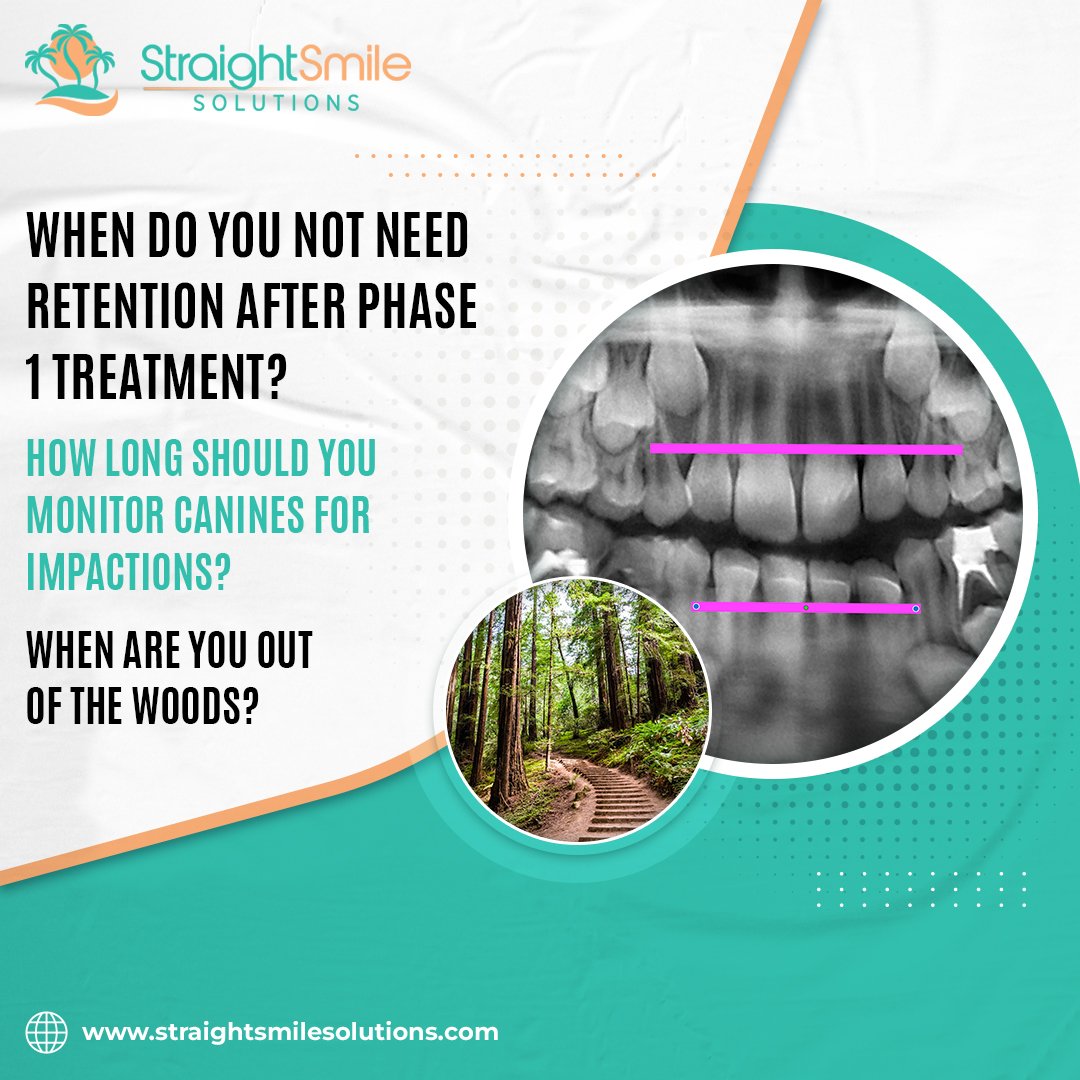
Once you have completed a Phase 1 orthodontics treatment plan, you’ll naturally need to monitor the patient before Phase 2 ortho starts. However, knowing where to turn for this can be difficult, which is why our experts have outlined how panoramic x-rays can be used to monitor canines after Phase 1 treatment, before ortho starts on Phase 2.
The Goal of Phase 1 Orthodontics
Phase 1 orthodontics are interceptive treatments, with the goal being to align the bite, be it transverse or vertical issues and openbites, deepbites, crossbites (anterior and posterior), overjets and negative overjets, and shifts. However, as part of the treatment plan, it’s important to ensure that there is enough space for the teeth to come in, and one of the most common problems here is impacted canines.
Using Panoramic OPG X-rays Can Help With Monitoring Canines
Panoramic OPG X-rays are highly useful for monitoring the eruption of the canine teeth before Phase 2 ortho starts. Carrying out a panoramic x-ray is usually useful every twelve months in cases where you have already noticed a potentially problematic canine in young patients; however, for more problematic issues, you may need to monitor every six months (but take care not to overirradiate the patient). Of course, it’s worth noting that palpating the teeth can sometimes also be enough to give you a good idea.
You’ll likely want to continue monitoring until the canines get past the point of contour, as they can potentially get hung up on this until they get past this point.
How Much Should You Charge for that Invisalign or Clear Aligner Treatment?

How Much Should You Charge for that Invisalign or Clear Aligner Treatment?
I. Introduction
Dr. Amanda from StraightSmile Solutions shares insights into dental pricing strategy changes, particularly in Invisalign treatment. The discussion covers considerations for both doctors and patients, emphasizing the importance of comprehensive treatment plans, clear communication of fees, and the potential benefits of virtual tracking. Dr. Amanda advises patients to ask specific questions about the treatment process, provider experience, and post-treatment care. She recommends offering fair pricing, understanding various Invisalign products, and implementing clear financial policies for doctors. She aims to educate both parties for a transparent and satisfactory dental experience.
II. Addressing Patients: How to Compare and Evaluate
A. Changes in Prices Over the Years
B. Invisalign Treatment Types and Red Flags
1. Comprehensive or Unlimited Case
2. Avoid Limited Cases (Go, Express, Moderate, Light)
C. Doctor’s Invisalign Hierarchy
1. Consider discounts based on the doctor’s level
D. Negotiating Prices and Payment Options
1. Discounts for upfront cash or credit card payments
2. In-house financing vs. third-party financing
E. Doctor’s Experience and Annual Case Count
1. Importance of experience in Invisalign cases
2. Asking about the number of cases per year
III. Questions Patients Should Ask
A. Importance of informed decision-making
B. Questions to ask when shopping for an Invisalign provider
1. Type of case being offered (comprehensive vs. limited)
2. Inclusions in the treatment plan
3. Additional fees and what’s covered
4. Doctor’s Invisalign hierarchy level for potential discounts
5. Negotiation possibilities for upfront payments
6. Financing options and associated fees
7. Doctor’s experience and annual case volume
8. Use of interoral scanners and CBCT
9. Virtual tracking options
10. Doctor’s approach to revisions and refinements
11. Retention plan and associated costs
IV. Addressing Doctors: Considerations for Offering Invisalign
A. Down Payment Requirements
1. Third down payment to cover lab fees
2. Use of third-party financing for patients
B. Offering Limited Products
1. White Label Aligners for more affordable options
2. Assessing suitability for limited products
C. Discounts and Promotions
1. Consider offering discounts for virtual appointments
2. Special promotions for commitment to Virtual
D. Relapse Correction Packages and Warranties
1. Handling cases of relapse and associated fees
2. Clearly communicating the relapse correction process
E. Importance of Transparent Pricing
1. Ensuring patients understand what’s included
2. Avoiding hidden fees or ambiguous terms
V. Additional Tips for Doctors
A. Clear communication on potential relapse and associated costs
C. Encouragement of fair pricing and transparency
D. Establishing clear expectations and understanding with patients
VI. Recommended Prices
A. Prices have come down a lot; $ 4-5K is reasonable now
B. No need to charge more than $5,500, even at high Invisalign tiers
C. Additional fees, if needed, should be minimal for compliant patients
D. Offer discounts for paying upfront/in cash
VII. Conclusion
Dr. Amanda discusses aspects for patients and doctors to consider, including treatment plans, fees, additional costs, and the significance of virtual tracking. She emphasizes the need for patients to be well-informed, ask relevant questions, and ensure they understand the treatment terms. For doctors, she suggests offering fair pricing, options like virtual tracking, and transparency about fees and treatment plans. Dr. Amanda encourages a collaborative and informed approach between orthodontists and patients for successful Invisalign treatments.
Using Hybrid Treatment to Reduce Invisalign / Ortho Lab Fees and Costs
 Using Hybrid Treatment to Reduce Invisalign / Ortho Lab Fees and Costs
Many people feel concerned about hybrid treatment plans, but this can be a good way to potentially reduce your Invisalign ortho lab fees and costs. In line with this, we’re looking at several key things you need to know about using hybrid treatments to help cut costs and keep things more affordable for your patients.
How to Use Indirect Bonding
Generally speaking, if you’ve been looking to reduce your ortho or Invisalign lab fees and costs, you may want to consider indirect bonding. However, before going any further, make sure the company you choose uses a digital treatment planning center such as DIBS.
Things to Consider Before Ordering
When ordering, always check the digital setup before proceeding and ensure you are able to virtually approve with an electronic signature. This helps ensure that the brackets will be suitable for your patient and that they are made in the way you want. Critically, having a digital signature is also important in most states to allow your team members to put the braces on, rather than having to do this yourself.
Transitioning to Aligners After Braces
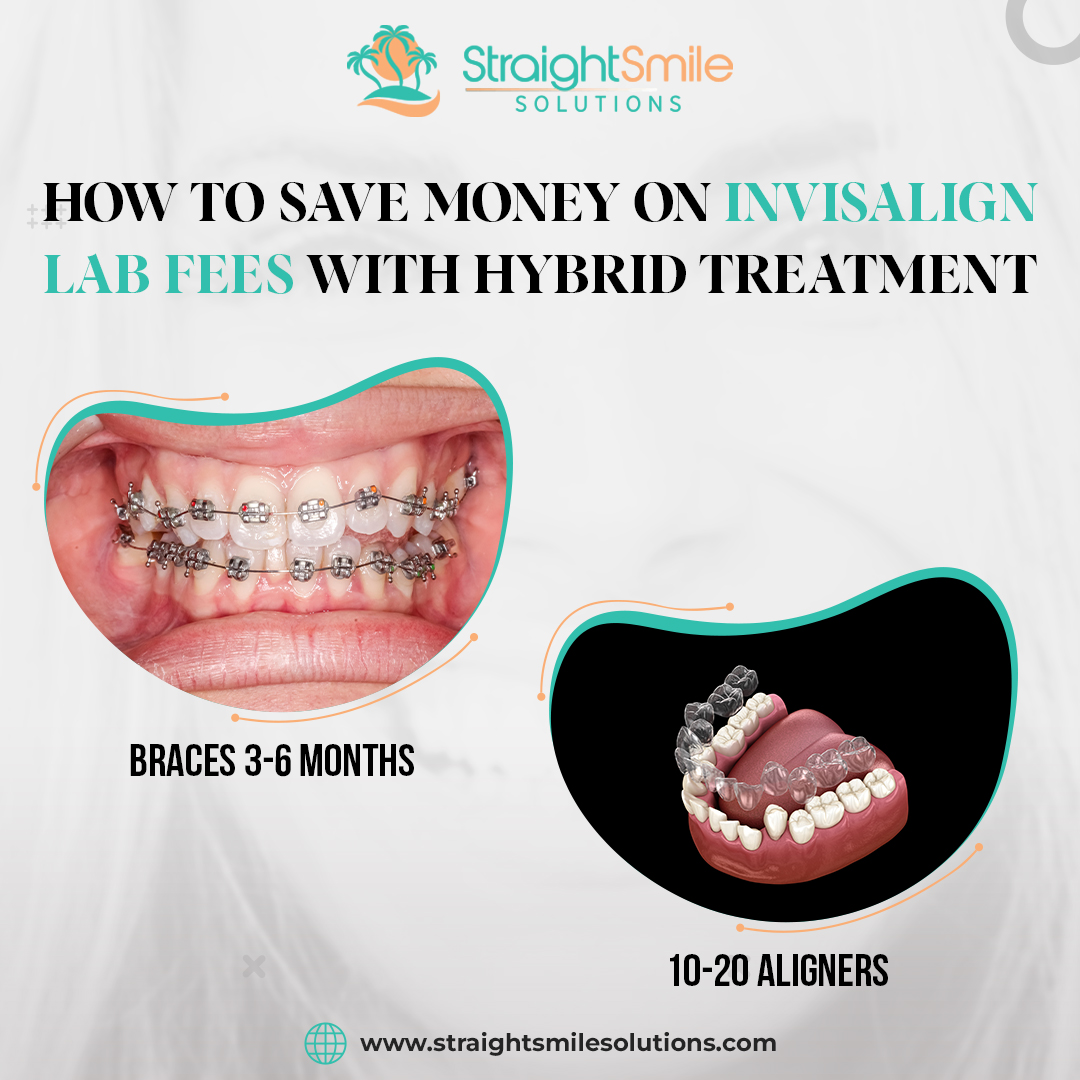
With hybrid treatments, you will usually only use two or three wire braces for up to three months, to help with the bigger movements; then, you can progress to clear aligners to fi. This is a great way to reduce Invisalign ortho lab fees and keep costs more affordable. Plus, flex, light, and express aligners may be suitable for hybrid treatment plans, and paying per aligner may also become a more practical or feasible option.
In addition to this, depending on the number of aligners you need for your case, it’s worth noting that you can potentially reduce ortho lab fees further by using an off-brand or white aligner company. Altogether, this can help give lab fees of around $400 to $700 for braces and $300 to $500 for aligners, if you use a brand recommended by our team here at Straight Smile Solutions. This can roughly half the price of Invisalign comprehensive, making it one of the best ways to reduce Invisalign fees or costs without compromising on success rates.
Bimax Protrusive and Bimax Retrusive Cases: What You Need to Know
 Bimax Protrusive and Bimax Retrusive Cases: What You Need to Know
Have you ever come across a Bimax protrusive or retrusive case while creating orthodontic treatment plans? Knowing how to tackle these isn’t always as straightforward as in some cases, which is why today’s guide has outlined some of the main things you should know to help recognize these cases and determine the most effective or appropriate treatment plan.
Bimax Protrusive vs Bimax Retrusive
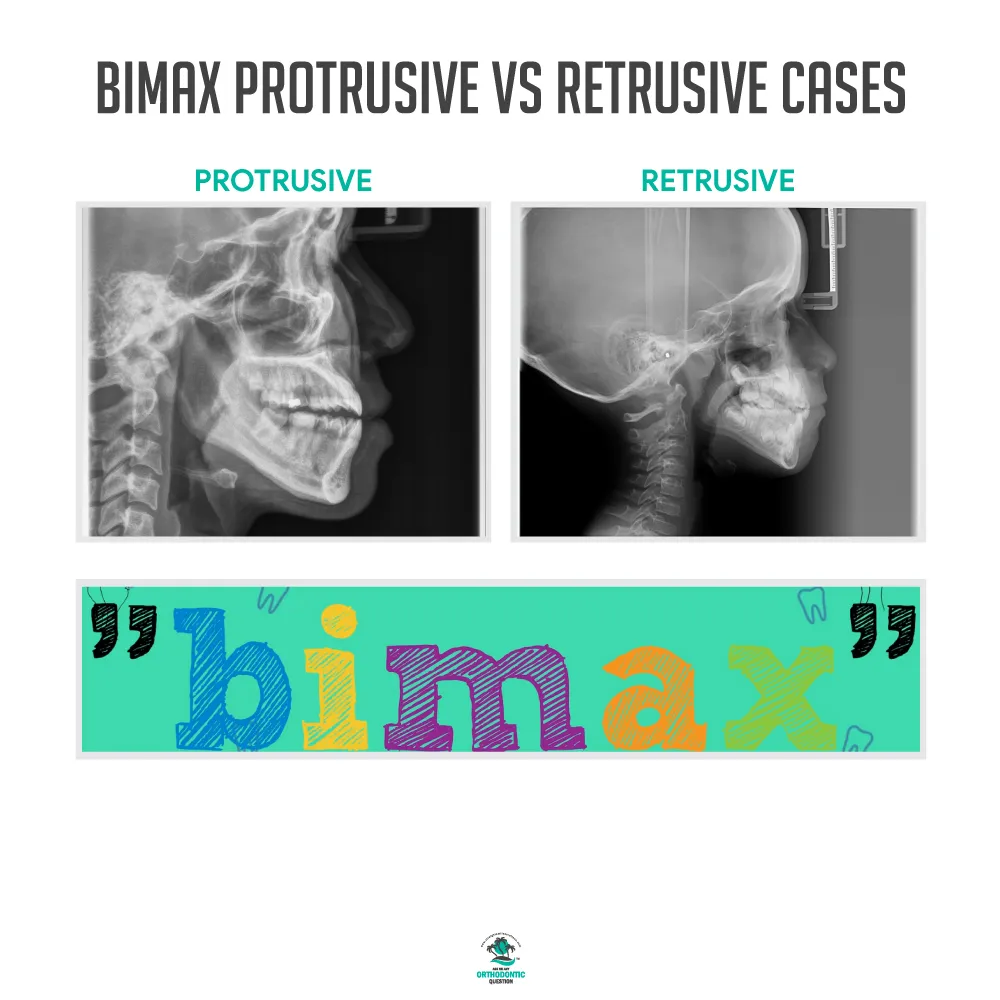
Bimax cases affect both the upper and the lower jaws, although the exact positioning of the jaws relative to the cranial base will vary depending on the type of Bimax that is present. In a retrusive case, the upper and lower jaws are set back from the cranial base; contrastingly, in a protrusive case, the jaws are set forward.
Retrusive cases are sometimes – but not always – associated with smaller airways. Meanwhile, a protrusive case may increase the chances of flared incisors and may impact the facial profile; however, this can create a fuller look to the face.
Bimax protrusive and retrusive cases can be determined by taking a cephalometric x-ray and comparing the results relative to the norms and the patient’s age and ethnicity.
Are Bimax Protrusive and Retrusive Cases Worrying?
Protrusive tendencies are often genetic, and these may be more common in certain ethnicities than others; fortunately, there is generally no major issue with this, provided that the soft tissue and musculature are able to adapt and the jaw shape does not cause mouth breathing, speech issues, or difficulties with closing the mouth/openbites. As such, while the patient may want to request an orthodontic treatment plan to resolve this, it may not be necessary.
However, Bimax retrusive can be more concerning. This is because it can potentially lead to airway issues and crowding. As such, a treatment plan may be needed to tackle the backward jaw. Sequential distalization typically won’t be suitable, nor will pulling out the premolars; a forward-thinking focus will be best, and expanders can potentially be used to help pop the jaw forward, which can help the airway. However, it may not always be fully fixable.
The Risks of Long-Term CR-CO Shifts
 The Risks of Long-Term CR-CO Shifts
When tackling CR-CO shifts in patients, knowing about the potential long-term risks is important. Fortunately, a research paper by Clujul Med. dived into this in 2016, entitled Effects of CO-CR discrepancy in daily orthodontic treatment planning, and we’ve summarized some of the key findings of this report as follows.
What are the Long-Term Risks of CR-CO Shifts?
When coming up with the most effective treatment plan for an orthodontics patient, considering the consequences of long-term CR-CO shifts is highly recommended. Indeed, long-term shifts (in adults especially) can potentially result in disorders of the temporomandibular joint.
As such, steps should be taken to ensure the patient is put into a comfortable, symmetrical bite position when articulating them. It’s worth noting that adults should have a full CBCT read to check whether there is asymmetry; this may not always be visibly obvious.
In children with a CR-CO shift, you will usually notice the midline deviation skeletally, causing them to be asymmetric. This can result in asymmetric growth, which likely isn’t treatable down the line; as such, catching and treating these in Phase 1 is crucial.
Tackling CR-CO Shifts with Orthodontics Cases
Unfortunately, many people start orthodontics cases in a shift; however, unraveling the shift first may be all that’s necessary to correct the bite. As such, before starting on these cases, make sure the shift is resolved initially before taking further steps.
Sometimes, you may alternatively want to consider doing initial alignment before fixing the bite, CR, sagittal, transverse, or vertical until you have unraveled the shift. Trying to do everything upfront will likely only lead to complications or unpredictable progression.
It’s worth noting that you may need to redo your ClinChecks and initial articulations in CR, to ensure that midlines are correct. Always take scans and photos in CR as well to help with treatment planning.
At the end of the day, though, some cases may not be fixable with orthodontics alone. If you are unsure, contact our experts here at Straight Smile Solutions for support; we can help you ascertain whether you should take the case or if you should be sending the patient to a professional orthodontist or an oral surgeon.
$12999 Cloud Based Intra Oral Scanner, with NO Disposable Tips or Monthly Fees
$12999 Cloud Based Intra Oral Scanner, with NO Disposable Tips or Monthly Fees
I. Introduction
Dr. Amanda from StraightSmile Solutions. She discussed an alternative to the ClearCorrect offer, presenting a flexible scanner deal for aligner treatments. Unlike other options, this affordable first-class scanner is loosely connected to an aligner company, providing the freedom to choose any lab or aligner. With no monthly software fee and reusable tips, it stands out in the market. Dr. Amanda highlights two bundle options that offer significant savings compared to competitors. The plug-and-go setup, minimal onboarding hassle, and compatibility with various aligner brands make it an appealing choice for those seeking an efficient and cost-effective solution.
II. Features of the First-Class Scanner
A.
- Benefit for three shape users
- Eliminates potential hassles
- No monthly software fee
- Contrast with other scanners
- Cost-saving advantage
- No unsustainable tips
- Advantage for iTero users
- Includes five tips with significant scan capacity
III. Bundle Options
- Laptop version
- Components included
- Five scanning tips
- Cradle
- Power cord
- Cost: $13,000
- Cart version
- Additional components
- Scooter
- Computer
- Touch screen, mouse, and keyboard
- Cost: $20,000
- Discounts for buying more than one
IV. Cost Comparison
- Affordability of the First-Class Scanner
- Laptop version compared to other scanners
- Cart version cost analysis
- Factor in the absence of monthly fees
- Savings over time compared to other options
- Consideration of the total cost of ownership
V. Personal Experience
- Mentioning personal experiences with iTero
- Advocating for the new scanner’s affordability and flexibility
- Encouraging those interested to contact for further information
VI. Ease of Onboarding
- Reduced onboarding headache
- Four to eight weeks delivery time
- Plug and go functionality
- Minimal training required
- Elimination of the need for external training
- No calibration hassles
VII. Use Cases
- Recommended for practitioners doing significant volume with alternative aligners
- Appeals to those using iTero for alternative aligners but seeking a more cost-effective solution
- Suggested for restorative purposes, especially for those dissatisfied with iTero for restorative work
VIII. Target Audience
- Dentists not completely tied to a specific technology
- Dentists already using iTero but seeking alternatives
- Dentists doing high volume with alternative aligner brands
- Appeal to those looking for a cost-effective restorative solution
IX. Amanda’s Recommendation
- Personal endorsement for those considering an introduction
- Offer to introduce interested parties to the scanner team
- Acknowledgment of the scanner’s potential benefits for restorative work
X. Conclusion
Dr. Amanda presents a compelling option with its first-class scanner, offering a cost-effective solution for dental professionals seeking an alternative to pricier options in the market. The flexibility to work with any aligner company and restorative lab, coupled with the absence of a monthly software fee and unsustainable tips, makes it an attractive choice. The straightforward onboarding process and the affordable price point, especially compared to competitors, further enhance its appeal.