
StraightSmile Solutions®
What To Look For in Phase 1 for Young Eruption Lane Patients

When a young patient comes into the clinic for the first time, there are several things you’ll need to watch out for during their initial dentist consultation. Eruption lanes are just one such example, and recognizing these is important to determine a suitable easy orthodontics treatment plan for the child.
What am I Looking At With Lanes of Eruption?
During your ortho screening panel in Phase 1, you’ll primarily be looking at the lanes of eruption for the patient. The lanes of eruption shouldn’t have any issues in terms of their path eruptions, ideally. If the mixed dentition patient shows tippage in their tooth and jaw structure, this may indicate a potential issue.
Notably, the 3s, 4s, and 5s should ideally be nice and vertical; if they’re presenting at an angle, there may be issues. Moreover, if you notice poor lanes of eruption, there may be a good example that the teeth won’t erupt normally. Symmetry is also a good indicator to look for, and if you notice any issues at this stage, starting with Phase 1 ortho may be helpful.
To find out more about our easy orthodontics courses and how they can help your dentist consultation cases, get in touch with our friendly team today. We’re here to help!
Traditional, Express, Synchronous, and Asynchronous Virtual Orthodontic Consults

Traditional, Express, Synchronous, and Asynchronous Virtual Orthodontic Consults
Virtual orthodontic consults have become increasingly popular in recent years due to their convenience and accessibility. With advancements in technology, various types of virtual consults are available for patients to choose from.
The traditional consultation involves a tour of the office, filling out paperwork, taking records, and meeting with the orthodontist for a brief exam and simulation. The treatment coordinator then discusses treatment options and fees. The orthodontist will review the patient’s medical history, examine their teeth and jaw, and make treatment recommendations. These consults are ideal for patients who prefer a face-to-face consultation with their orthodontist.
Express virtual orthodontic consults are shorter consultations that are conducted online. Patients can fill out a form on the orthodontist’s website and submit photos of their teeth and jaw. The orthodontist will review the information and provide a treatment recommendation. These consults are ideal for patients looking for a quick and convenient way to get an initial assessment of their orthodontic needs.
Synchronous virtual orthodontic consults are conducted in real-time through video conferencing. Patients can schedule an appointment with their orthodontist, and the consultation will take place over video chat. The orthodontist will review the patient’s medical history, examine their teeth and jaw, and make treatment recommendations. Synchronous consultations use video conferencing software like Zoom.
Asynchronous virtual orthodontic consults do not require real-time communication with an orthodontist. Patients can fill out a form on the orthodontist’s website and submit photos of their teeth and jaw. The orthodontist will review the information and provide a treatment recommendation. Asynchronous consultations involve using an app or website widget to take photos and send them to the dental team. These consults are ideal for patients who want a convenient and flexible way to get an initial assessment of their orthodontic needs.
Conclusion
Virtual orthodontic consults have revolutionized the way that patients receive orthodontic care. By offering a range of options that cater to different needs and preferences, patients can receive the care they need while enjoying the convenience and flexibility of virtual consultations. The right type of virtual consult will depend on the patient’s circumstances and treatment goals, and working with a skilled orthodontist can help ensure the best possible outcome.
What Should you Charge for that Phase 1 Interceptive Case?

Orthodontic treatment is expensive, and determining the appropriate price for a Phase 1 interceptive case can be challenging. As an orthodontist, it’s important to consider several factors when determining the cost of treatment to ensure fair pricing for both the patient and your practice.
The first consideration is the complexity of the case. Some cases may require more extensive treatment and specialized appliances, increasing the overall cost. In contrast, less complex cases may require only minor adjustments, leading to a lower price point. Evaluate each patient’s unique needs and develop a treatment plan.
Another factor is the geographic location of your practice. Orthodontic treatment costs can vary significantly depending on the area in which your practice is located. Urban areas may have higher living expenses, translating to higher treatment costs. Rural areas may have lower living expenses, providing more affordable treatment options.
The orthodontist’s level of experience and expertise can also play a role in the cost of treatment. Orthodontists who have completed additional training or have more years of experience may charge more for their services. However, their expertise may also lead to more efficient and effective treatment, saving the patient time and money in the long run.
Also, consider the price of materials, equipment, and overhead expenses when determining the cost of treatment. Practices must cover expenses such as rent, utilities, and supplies, which can significantly impact pricing. The cost of appliances, such as braces or aligners, may vary depending on the brand or type.
Provide transparent pricing and discuss payment options with patients to ensure that treatment is accessible and affordable.
Conclusion
The cost range of phase one may fluctuate based on the treatment’s complexity, duration, and lab expenses and could range from $2,000 to $4,000. Patients who utilize insurance for phase one should be aware that insurance will only cover it once, and additional interceptive treatments during phase two will be out-of-pocket expenses. Whether or not to proceed with phase two is an optional decision that may be influenced by how the teeth are coming in.
To gain experience and promote the treatment, new practices should charge lower prices for the initial 5-10 cases and employ social media and instructional videos as marketing tools. The practice should inform patients about potential outcomes, including cosmetic problems.
What is the Lightest Wire you can Power Chain On?

What is the Lightest Wire you can Power Chain On?
Orthodontic wire, also known as dental wire, is used for dental braces and other orthodontic appliances. It is made of different materials, such as stainless steel, titanium, or nickel-titanium alloy, and comes in various sizes and shapes.
The lightest wire used in orthodontics is the thinnest round wire, which can range from 0.010 to 0.012 inches in diameter (or 0.254 to 0.305 millimeters). This wire is usually used for the initial alignment and leveling of teeth and can be powered with light forces, making it suitable for early orthodontic treatment.
However, the wire size and type used in orthodontic treatment can vary depending on the patient’s needs and the stage of their treatment. It’s crucial to consult with a licensed orthodontist who can evaluate your case and determine the most appropriate wire size and type for your treatment plan.
Types of Wires Commonly Used for Power Chain
There are several types of wires commonly used for power chains in orthodontics. Each type of wire has unique properties that make it suitable for different orthodontic needs.
The following are the three most commonly used types of wires for power chains:
1. Stainless steel wire is a popular choice for power chains because it is strong and durable. It is made of a combination of iron, chromium, and nickel, which makes it resistant to corrosion and wear. Stainless steel wire comes in various diameters and gauges, allowing it to be used for multiple orthodontic needs.
2. Nickel-titanium wire is a shape memory alloy often used for power chains because of its unique properties. This type of wire is highly elastic and can return to its original shape after bending or stretching. Nickel-titanium wire is also corrosion-resistant and can be used for various orthodontic needs.
3. Beta-titanium wire is another shape memory alloy commonly used for power chains in orthodontics. This type of wire is highly elastic but has a higher resistance to permanent deformation than nickel-titanium wire. Beta-titanium wire is also corrosion-resistant.
Conclusion
The lightest wire for a power chain in orthodontics depends on various factors, including age, dentition stage, malocclusion type, crowding or spacing, and wire strength. Consultation with an orthodontist is essential to determine the most appropriate wire for individual needs. The correct wire is crucial for successful treatment outcomes and for minimizing the risk of damage to teeth and tissues.
If you’re an orthodontic client, using a dental monitoring system like AlignFlow or an in-house system to check in from home is recommended. Just send a set of photos using retractors a week before your appointment. This approach helps ensure that your appointment is more efficient and that the orthodontist has enough time to think through any orthodontic puzzles.
Over-Expanding in RPE, RME, and Schwartz Expander Cases

If you have been completing RPE, RME, and Schwartz Expander cases, it’s important to take steps to minimize revisions and refinement cases. Indeed, while you might notice great results with these cases initially, it’s quite possible to notice relapse once the expanders are removed.
But is this normal? How much relapse is normal, and should you over expand to account for this? We’ve outlined some of the key things you should know as follows to help you ascertain how to approach these cases.
How Much Relapse is Expected in Skeletal Expansions?
If you’ve completed RPE, RME, or Schwartz Expander cases before, you may have noticed revisions and refinement being needed after the case. This is due to relapse, but it’s important to understand what’s normal here.
If you’re completing these processes, taking things slow and steady can help reduce the amount of relapse your patients experience.
Now, there’s no set figure for how much relapse your patients will see. Most will experience between 10 and 20% relapse. However, relapse of 30% or more is potentially possible. This can be frustrating if you thought you’d completed the ortho treatment without needing revisions.
Should I Over-Expand to Prevent Revisions and Refinement Cases?
Generally speaking, you may want to over expand slightly to reduce the need for revisions and refinements. However, you should only go over carefully. Make sure you know when to stop expanding in time to prevent damage to the patient; for example, over-expanding could result in a Brody or Buckle crossbite.
What You Need to Know About Removable Posterior Bite Plates (GELB)

Have you ever thought about using a GELB – otherwise known as a removable posterior bite plate? If this is something you have been considering, don’t worry; these handy tools are easy to integrate into your patient’s treatment plan when needed.
What Does a GELB Do?
At its simplest, a GELB helps to open up posterior bites. This makes removable posterior bite plates effective for scenarios where you need to jump a posterior crossbite or an anterior crossbite. They’re potentially ideal if you don’t want to resort to an acrylic posterior bite ramp or fixed posterior bite turbos.
Don’t Let Compliance Hold Your Patient Back
While a removable posterior bite plate can be highly effective for posterior or anterior crossbite cases, you need to make sure they’re open to wearing the bite plates first. Indeed, while many young children may consider it cool – it can come in any color of their choosing – it’s not uncommon for slightly older patients to be reluctant to wear it.
Naturally, the GELB needs to stay in 24/7 for it to work effectively. If the patient isn’t likely to go through with this, other options are probably better suited to your patient’s unique case. Be sure to discuss this with them before going ahead with the procedure!
How Should Associates be Paid for Invisalign Treatment?

As someone with experience as both an associate and owner in the field of orthodontics, you need to understand the owner’s perspective when it comes to Invisalign treatments. You need to remember that these treatments require a long-term commitment from patients, and compliance is key to their success.
As an owner doctor, it’s essential to ensure that your patients understand the expected length of treatment and potential additional fees if it takes longer than expected. To do this, consider setting up a compliance loop using paperwork and virtual monitoring for Invisalign cases. Remember that a successful Invisalign case is a marathon, not a sprint, and it’s important to communicate this clearly with your patients.
As a patient, attending your appointments on time is crucial for efficient treatment and avoiding additional fees. Consider using a monitoring system like In Hand Dental to stay on track and reduce the need for revisions and refinements. Set up an accountability loop before starting your treatment to ensure you stay committed to your appointments and improve your dental health.
If you’re an owner doctor, you might hesitate to offer Invisalign because of the billing structure. But don’t let this scare you away from providing this treatment option. Instead, use a production-based payment system that depends on the amount of production. This can make Invisalign treatment more profitable for you and your practice.
Use a 50/50 payment split, where 50% is paid at the start and 50% at the end, to prevent associates from leaving before completing the treatment they started. Also, have a written contract outlining what happens if an associate were to leave. This can help provide clarity and accountability in the payment process.
Conclusion
Both the associate and the practice need to have a clear understanding of the payment structure and expectations before entering into an agreement. The options for payment include a percentage of the fee charged, a flat fee per case, or a combination of both. Additionally, factors such as case difficulty, length of treatment, and the associate’s experience level can be considered when determining payment. Ultimately, a fair and transparent payment structure can help to ensure a successful and mutually beneficial partnership between the associate and the practice.
How Do Anterior Bite Turbos Work Differently in Braces or Clear Invisalign Aligners?
 For the most part, bite ramps in Invisalign and other clear aligners are similar to bite ramps in braces. You will see bite ramps and bite turbos used in both methods of aligning teeth and correcting bites. Overall, the concepts are the same with both braces and aligners, but there are some differences.
The main goal of using these tools is to help take pressure off of the back teeth! So, let’s discuss some of those key differences between how you use bite turbos in braces versus clear Invisalign aligners.
In braces, they can be used to help patients who bite down or clench their teeth in order to help adjust the bite. While in aligners, this isn’t exactly a need due to the thickness of the plastic from the aligners. In this example, you would rarely or never use bite ramps to help with anterior or posterior crossbite in aligners.
While you do not need to help to jump the crossbite with bite ramps for aligners, they can still be used in some cases. In aligners, you can put anterior bite turbos to help prevent the intrusive effect of the plastic on the teeth. Using bite turbos in this way can help to prevent a posterior open bite due to the Invisalign. Because this isn’t an issue with braces, you won’t see bite ramps or bite turbos used in this way.
These differences come from the fundamental differences between braces and aligners. While braces are extrusive in nature, aligners are intrusive. Braces work better for lower-angle cases and deep bite cases, while aligners are better for high-angle cases. When using bite ramps in both aligners and braces, it is important to remember the differences between these two methods of correction.
What are Spark Clear Aligners?
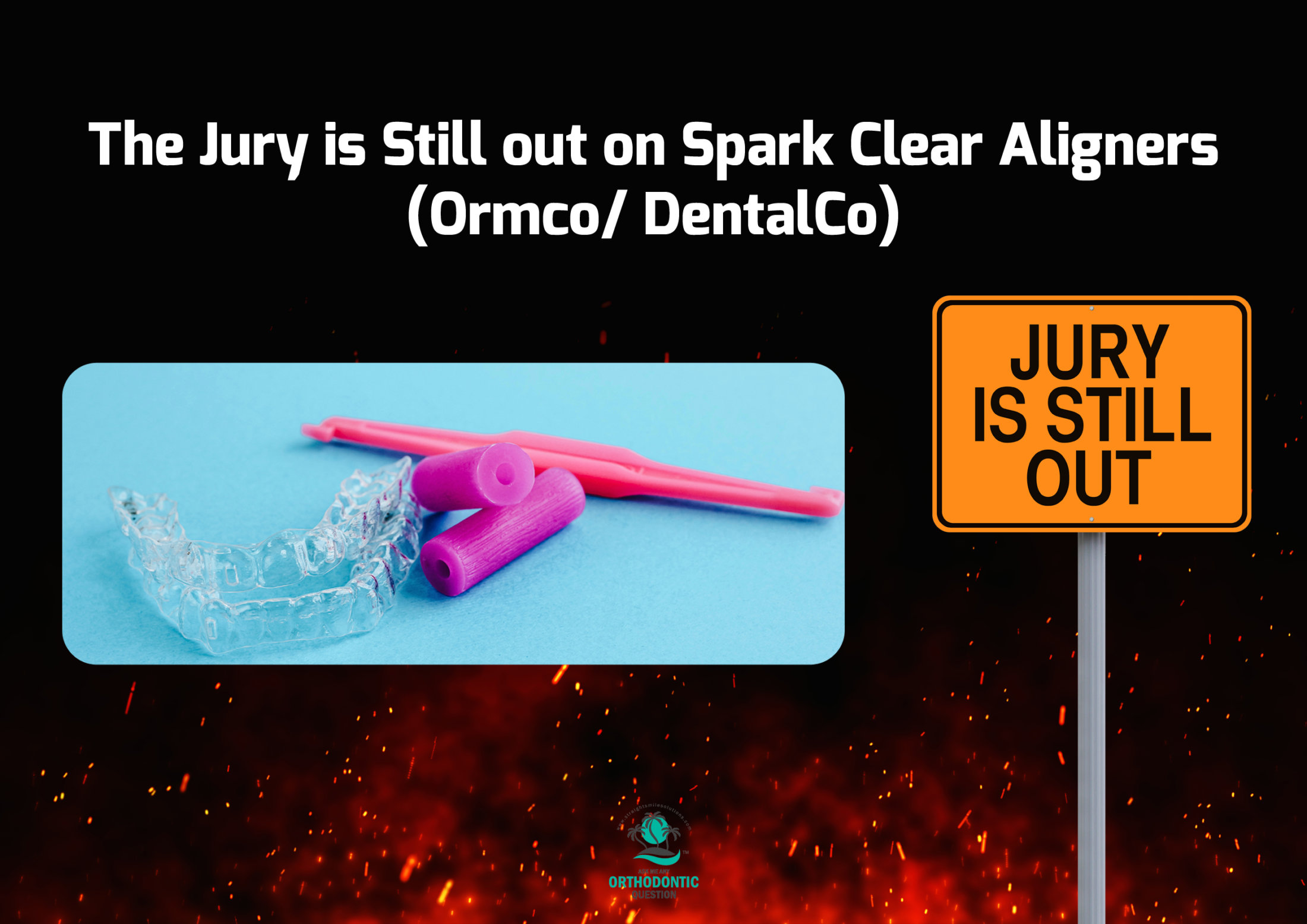
Spark Clear Aligners: Are They Any Good?
When it comes to getting the best results from your dentist consultation, starting out with professional materials and equipment is critical. However, it’s not necessarily easy for many people to find the best custom aligners for your specific requirements. Luckily, as a leading dentist consultation team, we’ve outlined some of the key things you should know about Spark Clear Aligners as follows to help!
Spark Clear Aligners are a professional brand providing custom clear aligners for orthodontic procedures. The brand uses TruGen materials that can potentially provide even better transparency than regular Invisalign braces. However, are Spark Clear Aligners actually a good option for dentist consultation?
Are Spark Clear Aligners Any Good?
There’s a lot to love about Spark Clear Aligners. The brand does typically offer a good dashboard; however, turnaround times for custom aligner cases can be somewhat slow.
Many orthodontists have been finding that the wait times are often four days or more for each revision, and this can significantly slow the progress of cases. Comparatively, many other brands offer one-day delivery, which can be a more practical option for setting up and arranging treatment.
As such, if you have been looking for an effective custom aligners brand, Spark Clear Aligners may be a good option – but the slower delivery time can be a real problem for many people.
Can You Discontinue Invisalign Treatment Due to Poor OH or Compliance?
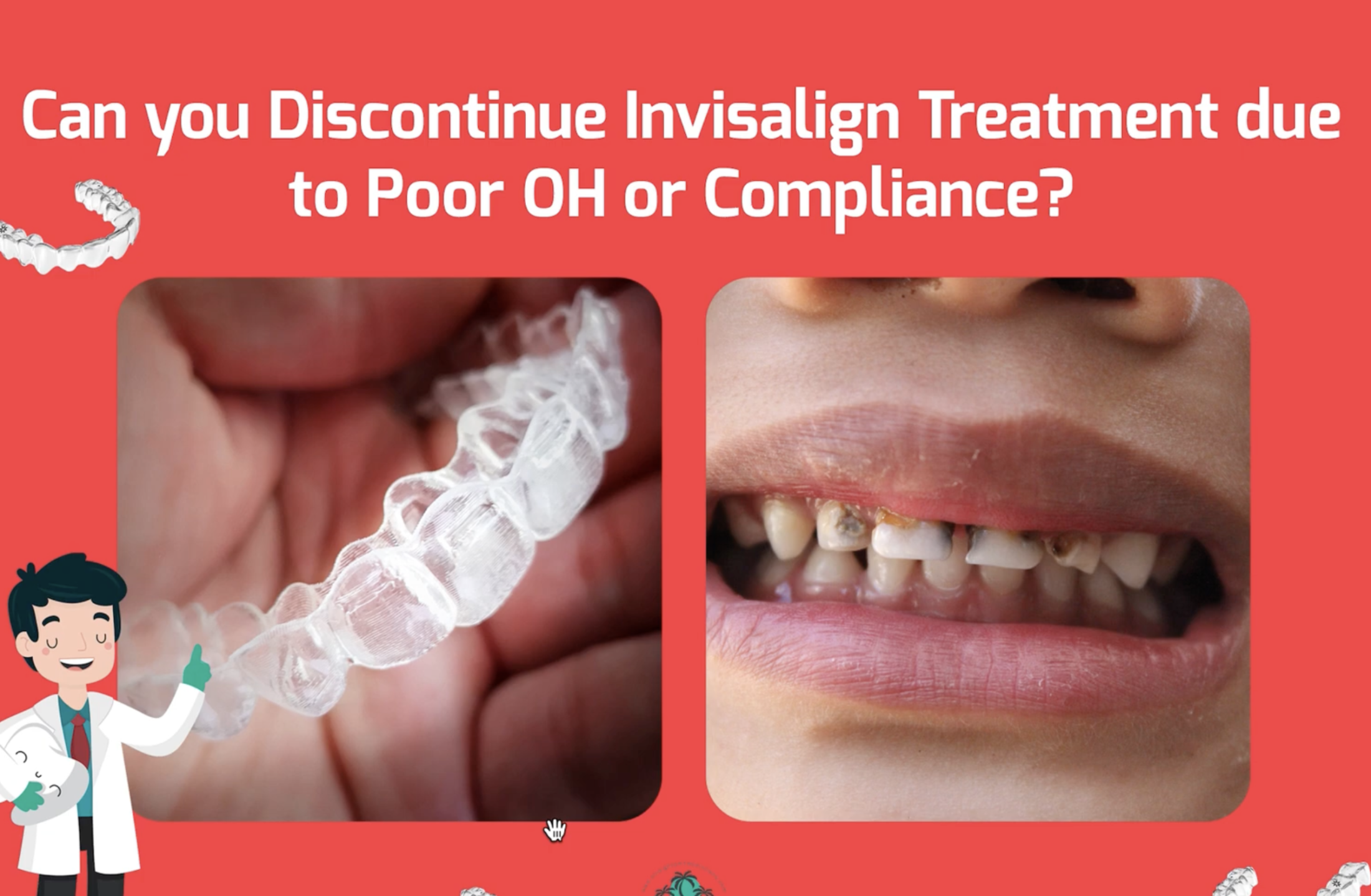
Discontinuing clients is a process! While you might know when to discontinue a braces client, you might still need to learn how to discontinue Invisalign clients for noncompliance. Poor oral hygiene, such as not brushing and flossing, is rare for Invisalign clients, but just because these cases are infrequent doesn’t mean we shouldn’t be prepared for them as providers.
Decay from wearing aligners while eating and drinking can be severe, and patients who continue to engage in this behavior are at risk of causing serious harm to themselves. Additionally, other circumstances with aligner noncompliance can be tricky.
So, can you discontinue these patients? Absolutely! Let’s go over how to enforce compliance and discontinue treatment if compliance standards are not met for Invisalign.
Informed consent is key in treating Invisalign patients, which should already be a standard part of your practice. This aspect of treatment includes clearly outlying how to care for aligners, when to wear them, and information on keeping up with oral hygiene. To enforce this information, many providers choose to use compliance contracts to allow them to move more clearly toward discontinuing treatment if patients are non-compliant.
If these measures are not working, and you have a patient who is damaging their teeth, you must communicate to them that the health of their teeth is more important than their alignment and bite. Explaining this to patients from an ethical point of view is the easiest, as patients have a basic understanding of the responsibility of providers to do no harm.
From here, as a provider, you would not move forward with giving this patient trays, offering them to take a break to work on their hygiene skills, or stopping treatment altogether. Sometimes, you may have to break up with the patient, but this decision will be in their best interest.