
StraightSmile Solutions®
Dr. Amanda’s 2025 Pulse of the Orthodontic Market Forecast
Dr. Amanda’s 2025 Pulse of the Orthodontic Market Forecast
- I. Introduction
- Amanda from StraightSmile Solutions.
- Time for another market pulse update, focused on Q2 of 2025.
- Regular updates to keep orthodontic professionals informed and prepared.
- Current Market Snapshot
- Things are currently a little slow in the orthodontic industry.
- This trend aligns with broader market downturns.
- Similar to the 2008 experience: when consumers are uncertain, elective spending drops—especially for adult orthodontics.
III. The Resilient Demand: Kids’ Orthodontics
- Parents may delay but will always prioritize orthodontics for their kids.
- Even if not immediate, demand for pediatric orthodontic care remains strong and inevitable.
- Practices should focus on preparing for that steady demand.
- The Summer Surge Forecast
- Widespread consensus from podcasts, colleagues, and clients: Summer 2025 will be a boom.
- Now is the time to get practices and systems in place.
- Anticipate a rush of new patients and demand.
- Key Growth Areas to Focus On
- Phase One Orthodontics
- Early interceptive treatments for younger children.
- Early Comprehensive Cases
- Start before full adult dentition.
- Braces
- Braces are cool again, thanks to TikTok and cultural trends.
- Surge in interest, especially among teens.
- Indirect Bonding
- Some large companies may be exiting, but resources and support still available through StraightSmile Solutions.
- Invisalign First & Expanders
- Time to ramp up scanner usage.
- Get cases launched before May to ride the summer wave.
- Final Advice from Dr. Amanda
- Act now to set up your systems, staff, and supply chains.
- Market may be slow today, but preparation now = success later.
- StraightSmile Solutions is here to help every step of the way.
VII. Call to Action
- Visit StraightSmileSolutions.com for support, tips, and resources to optimize your practice for the upcoming boom.
SPONTANEOUS Lower Jaw Growth after RPE/IPE or Class 2 Div 2 Aligning/Level
 I. Introduction
• Presented by Dr. Amanda, StraightSmile Solutions
• Topic: Spontaneous correction of skeletal Class II malocclusions in growing patients
• Is it a real phenomenon or orthodontic myth?
II. Dr. Amanda’s Perspective
• She has seen it occur—but it’s rare
• No consistent way to predict which patients it will happen in
• The orthodontic community is divided: some believe, some don’t
III. Conflicting Literature
A. Study Supporting It
• Angle Orthodontist Journal
• Reports spontaneous correction after Rapid Palatal Expansion (RPE)
• Common in Class II Division 2 cases
• Alignment of upper teeth creates space (overjet), allowing the lower jaw to grow forward
B. Study Refuting It
• Journal of the World Federation of Orthodontists (Vol. 8, Issue 4, 2019)
• Found no significant spontaneous correction after using fixed appliances
IV. Dr. Amanda’s Clinical Observations
• Common traits in cases where it occurred:
1. Deep bite, low-angle growth patterns
2. Class II Division 2 diagnosis
3. Majority of growth still ahead (young patients)
4. Occasionally seen in late-growing adolescent males
• Not observed in:
o High-angle patients
o Class II Division 1 cases
V. Clinical Recommendations
• Don’t rush irreversible interventions such as:
o IPR (Interproximal Reduction)
o Elastics or early mechanics
• Be cautious in:
o Class II Division 2 cases
o RPE-based treatments
• Invisalign users:
o Avoid early IPR
o Consider a two-step or staged approach
• Always factor in potential for growth before finalizing treatment plans
VI. Conclusion
• Spontaneous correction is real, but rare and unpredictable
• Shouldn’t be relied upon as the sole strategy
• Clinicians should blend literature, experience, and patient-specific growth potential
• Embrace a “watch and wait” mindset when appropriate
• Leave room—both in arch space and planning—for nature to do its part
• A well-timed decision can make all the difference between forcing correction and letting it evolve naturally
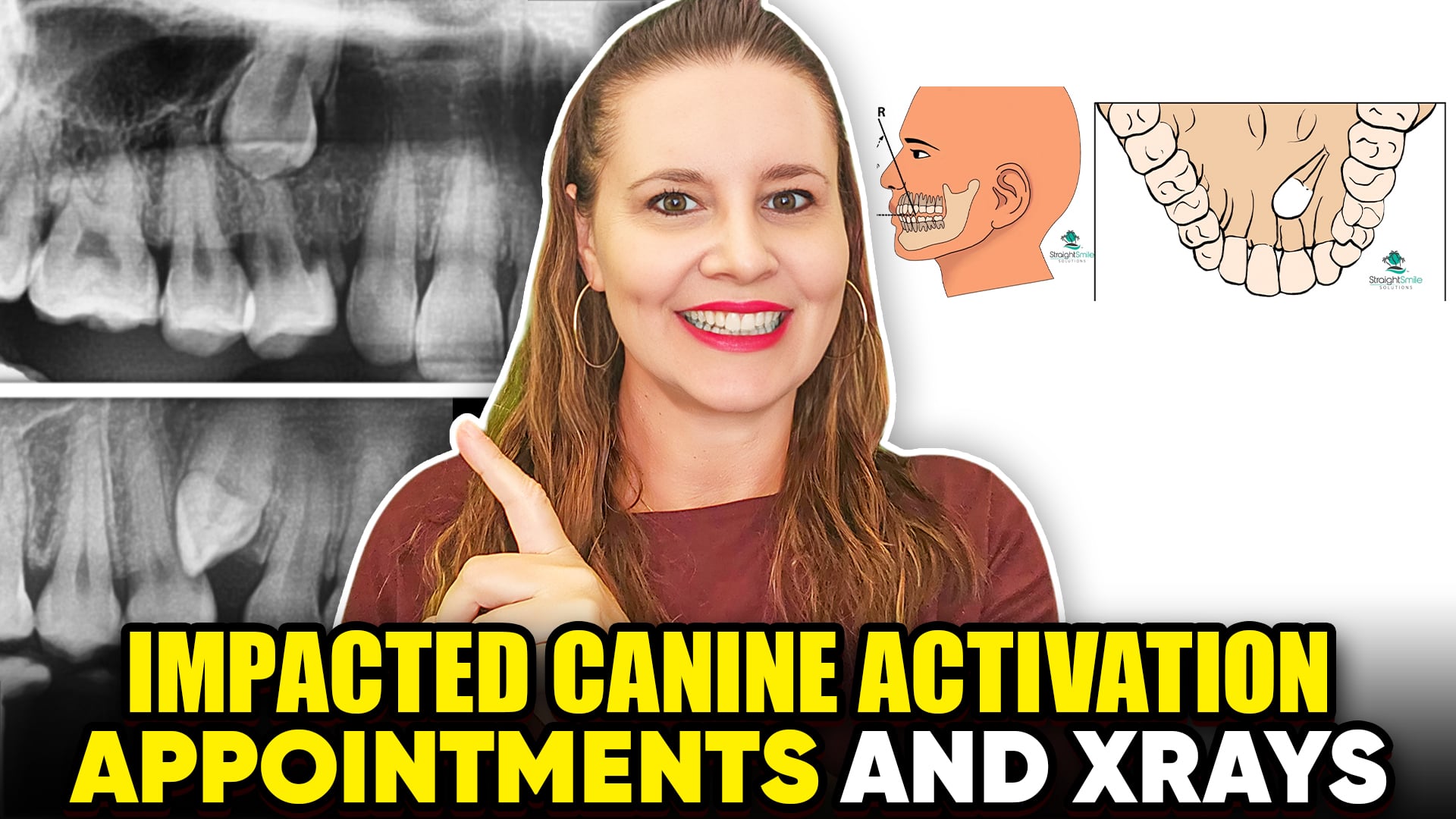
Impacted Canine with Braces: Steps, Appointments and Xrays
I. Introduction: Why Impacted Canines Matter
- Impacted canine cases are complex, multi-year treatments
- Proper management requires detailed imaging, planning, and frequent follow-up
- Though we don’t offer virtual consulting for these cases, this guide is meant to empower providers globally
II. Why Straight Smile Solutions Does Not Consult on Impacted Canines
- Complexity and liability make virtual consulting unsafe and impractical
- These cases require ongoing supervision and frequent in-person evaluations
- Still, many doctors globally lack access to this info — hence the educational content
III. First Step: Diagnostic Imaging
A. Get a CBCT (Cone Beam CT)
- Mandatory for patients over 18
- Helps identify ankylosis, root resorption, and exact 3D positioning
- Allows safe treatment planning and protects against malpractice
B. Don’t DIY the Radiology
- Have a licensed oral radiologist or beam reader review and report on the scan
- Orthodontists are not trained to fully interpret CBCTs
- Look for signs of partial or full ankylosis, and adjacent tooth resorption
C. No CBCT? Go Old School
- Use multiple PAs with a shift, plus occlusal X-rays
- Less accurate, but still gives some insight when CBCT is unavailable
IV. Key Case Selection Criteria
- Do NOT take the case if:
- There is ankylosis
- Significant root resorption on adjacent teeth
- The patient cannot commit to multi-year treatment and cost
- Primary care dentists: refer out when in doubt
- Orthodontists: sometimes no choice, but caution is advised
V. Financial & Ethical Considerations
- Impacted canine cases are expensive and time-consuming
- Treatment often costs $12,000–$20,000, yet insurance rarely covers the full cost
- Be upfront with patients about the financial and time commitments
VI. Treatment Preparation and Planning
A. Sequence of Treatment
- Straighten adjacent teeth first (without disturbing the impacted canine)
- Confirm no collision risk using 3D imaging
- Monitor closely with regular X-rays — not just one-time CBCT
B. Anchorage Planning
- Use TPA or other anchorage devices to prevent unwanted tooth movement
- “For every action, there is an equal and opposite reaction” — plan accordingly
VII. Surgical Coordination
- Patients MUST identify a surgeon and understand costs before treatment begins
- Exposure surgery may cost thousands, especially with IV sedation
- Surgeons must be looped in during planning stages
VIII. Treatment Timeline and Compliance
- Patients must follow the treatment timeline — delays can derail results
- If surgery is postponed:
- Remove appliances
- Pause treatment
- Restart with new contract and fees later
IX. Risk Management and Documentation
- Always outline risks:
- Ankylosis during treatment
- Failed eruption
- Implant/bone graft need if tooth fails to move
- Document everything and create clear policies
- Be prepared for legal/insurance challenges even if everything is done right
X. Final Thoughts
- Impacted canines are not beginner-friendly cases
- They require skill, patience, and extensive diagnostics
- When handled correctly, these cases can be rewarding — but choose wisely
🦷 For more content, check out the “Impacted Canine” playlist on our YouTube channel.
📧 Questions? Reach out through our contact at StraightSmile Solutions
Screening for Vertical and AP Issues without a Ceph, Using an E-Line
Screening for Vertical and AP Issues without a Ceph, Using an E-Line
I. Introduction: Why Facial Analysis Comes First
- In orthodontic treatment planning, especially at the early stages, facial assessment should be your first step—even before looking at x-rays.
- At StraightSmile Solutions, we recommend starting with extraoral photos and using the E-line as a simple, reliable screening tool.
- This sets the tone for a patient-centered, visually guided approach that helps prioritize harmony and aesthetics.
II. What is the E-Line?
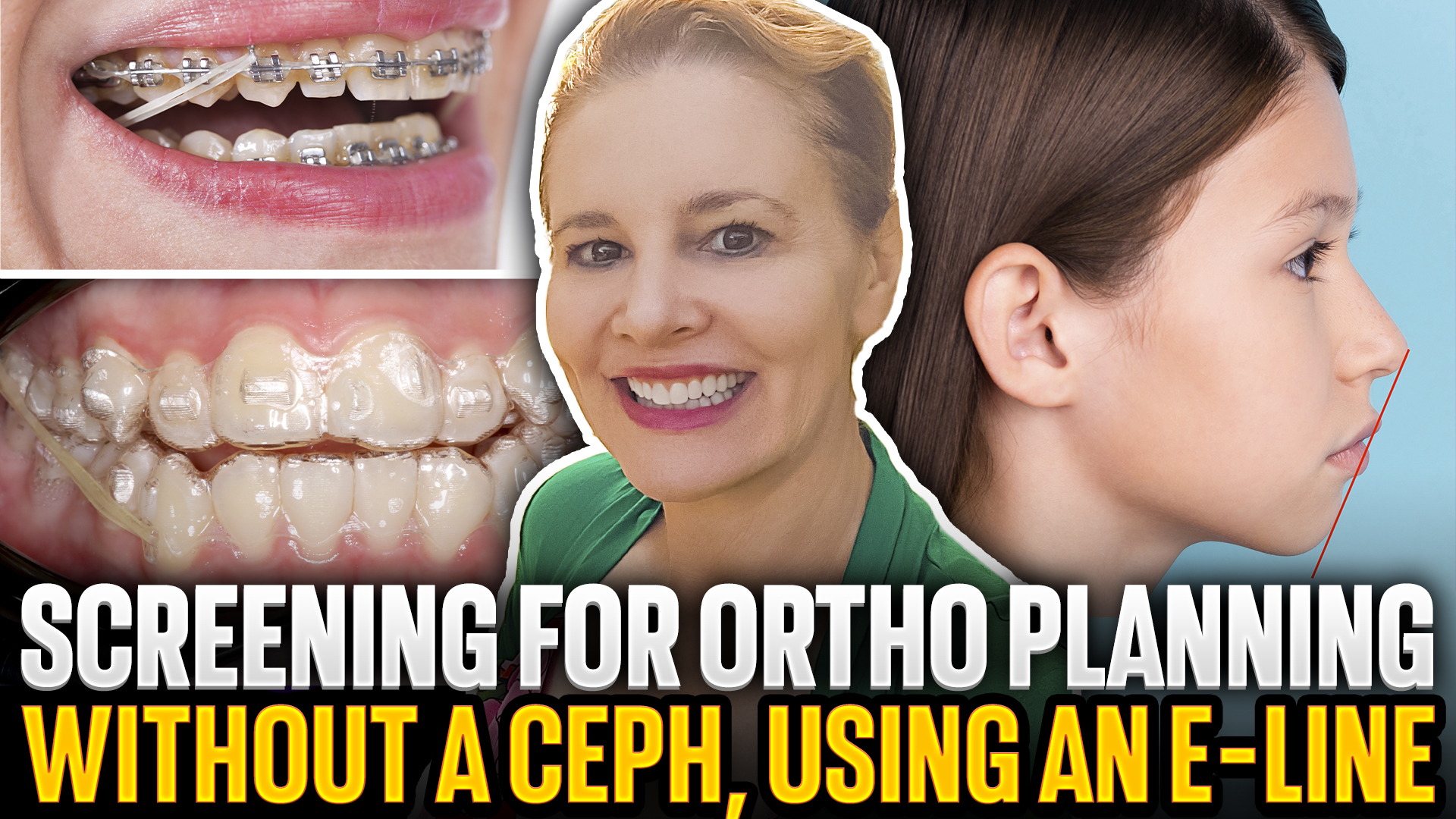
- The E-line (esthetic line) is drawn from the tip of the nose to the tip of the chin in a profile photograph.
- It helps evaluate how the upper and lower lips relate to each other and the rest of the facial profile.
- Aesthetically ideal lips tend to fall just behind or near this line, though beauty standards vary and soft tissue changes over time.
III. Why Use the E-Line in Treatment Planning?
- The E-line offers a free and easy tool to screen patients for jaw positioning and facial imbalance.
- Common observations using E-line analysis:
- Retrusive maxilla or mandible
- Protrusive or prognathic jaw
- Lip incompetence
- These findings help flag sagittal and vertical discrepancies before radiographs are needed.
IV. What If You Don’t Have a Ceph Machine?
- Many orthodontists take a cephalometric x-ray (ceph) for every case, often just because the equipment is available.
- However, not every practice has a ceph machine, and that’s okay:
- Follow your local Dental Practice Act for regulations on diagnostics.
- Explore options nearby—oral surgeons, periodontists, or imaging centers often offer cephs.
- For adult cases especially, a small field CBCT can often provide enough information, since you’re not managing growth.
V. How to Use Extraoral Photos Effectively
- When we work cases with doctors, we start by reviewing:
- Resting face photo
- Smiling photo
- Profile photo (used for E-line)
- Before you check intraoral photos, x-rays, or scans, ask:
“What do we see in the face?” - Look for:
- Flat cheekbones
- Venus pooling under the eyes
- Short or long lower face height
- Nasolabial angle (ideally acute but not too sharp or obtuse)
VI. Patient Communication: Choose Words Carefully
- Please be cautious when discussing facial observations with patients or parents.
- Avoid subjective, judgmental terms like “big,” “small,” or “weird.”
- If the patient or parent mentions a concern first (e.g., “She has no chin”), you can acknowledge it and build from there.
- Use objective terms supported by measurements when needed.
- Practice scripting with your team so everyone—doctors, hygienists, and treatment coordinators—knows how to communicate kindly and clearly.
VII. A Personal Perspective
- Many teens are sensitive to appearance, and poorly delivered comments can harm their self-esteem.
- One uncomfortable experience at 17 can stick with a patient for life.
- Make it a priority to build trust, not insecurity.
VIII. Final Thoughts
- The E-line is a powerful screening tool that costs nothing and can guide your treatment strategy effectively.
- It helps sort cases early and identify potential red flags.
- With the right training and thoughtful communication, you can offer better care—and stronger patient relationships.
- At StraightSmile Solutions, we’re here to help you plan, assess, and speak with confidence.
Don’t BUY these 6 Dental Products!

Introduction
At StraightSmile Solutions, we’re all about empowering general and pediatric dentists to offer top-tier orthodontic care confidently and effectively. But great dental care also means educating patients—and even professionals—on what not to use. So today, let’s break down six common dental products this orthodontist wouldn’t waste her money on—and why you should skip them too.
1. Disposable Flossers
❌ Why They’re a No-Go:
- They’re bad for the environment—most end up as litter on sidewalks or in landfills.
- Often fail to clean properly between teeth and under the gums.
- Cost more over time and promote poor flossing habits.
✅ A Better Choice:
- Use regular dental floss with proper “C-shaped” technique.
- Try biodegradable floss if you’re environmentally conscious.
- Teach kids and adults to floss properly for long-term gum health.
2. Over-the-Counter Mouth Guards
❌ What’s the Issue?
- These generic guards don’t fit properly and don’t address the root cause of grinding or jaw pain.
- Often used to cover up symptoms caused by airway, bite, or sleep-related problems.
✅ Do This Instead:
- See a dentist who specializes in TMD/TMJ issues, or an orthodontist.
- If you truly need a guard—for example, to protect cosmetic work like veneers—make sure it’s custom-fitted.
3. Toothpaste Without Fluoride
❌ Why Skip It:
- Fluoride is the only active cavity-preventing ingredient in toothpaste.
- Non-fluoride toothpaste is mostly just a marketing gimmick.
✅ What Works:
- Fluoride toothpaste, especially when paired with proper brushing technique.
- Amanda even sometimes skips toothpaste and just uses water with an ultrasonic toothbrush.
- Pro tip: Avoid sugary drinks and brush/floss consistently. That alone prevents most cavities!
4. Oil Pulling
❌ Let’s Be Honest:
- No strong scientific evidence backs up the benefits.
- It’s a trendy fad, not a medically sound practice.
✅ Instead:
- Stick with what works: Brush, floss, and scrape your tongue daily.
- If you’re worried about toxins or bacteria, oral hygiene is your best line of defense—not coconut oil.
5. Whitening Strips
❌ What’s Wrong with Them?
- Strips often let the whitening agent seep onto your gums, causing irritation or damage.
- Results may be uneven and short-lived.
✅ Safer Whitening:
- Get a custom whitening tray made by your dentist.
- Professional options are more effective, longer-lasting, and gentler on your gums.
6. Mouthwashes with Alcohol or Essential Oils
❌ The Hidden Risk:
- Recent studies link these ingredients to imbalances in oral and gut microbiomes.
- They can damage healthy oral bacteria and potentially impact overall health.
✅ What to Use Instead:
- Focus on the basics: Brush thoroughly, floss, and use a tongue scraper.
- Persistent bad breath may signal systemic issues like GERD, diabetes, or even nutritional deficiencies—get evaluated!
Final Thoughts
Good dental care doesn’t require a shelf full of trendy products. Most people just need the basics: proper brushing, flossing, and tongue scraping. If you’re still struggling, talk to your dentist and rule out deeper issues. Want more tips or help with orthodontics in your practice? Visit us at StraightSmile Solutions or check out our videos for more expert guidance.
Anterior and Posterior Bite turbos and Plates for Braces And Aligners
I. Introduction to Bite-Opening Tools
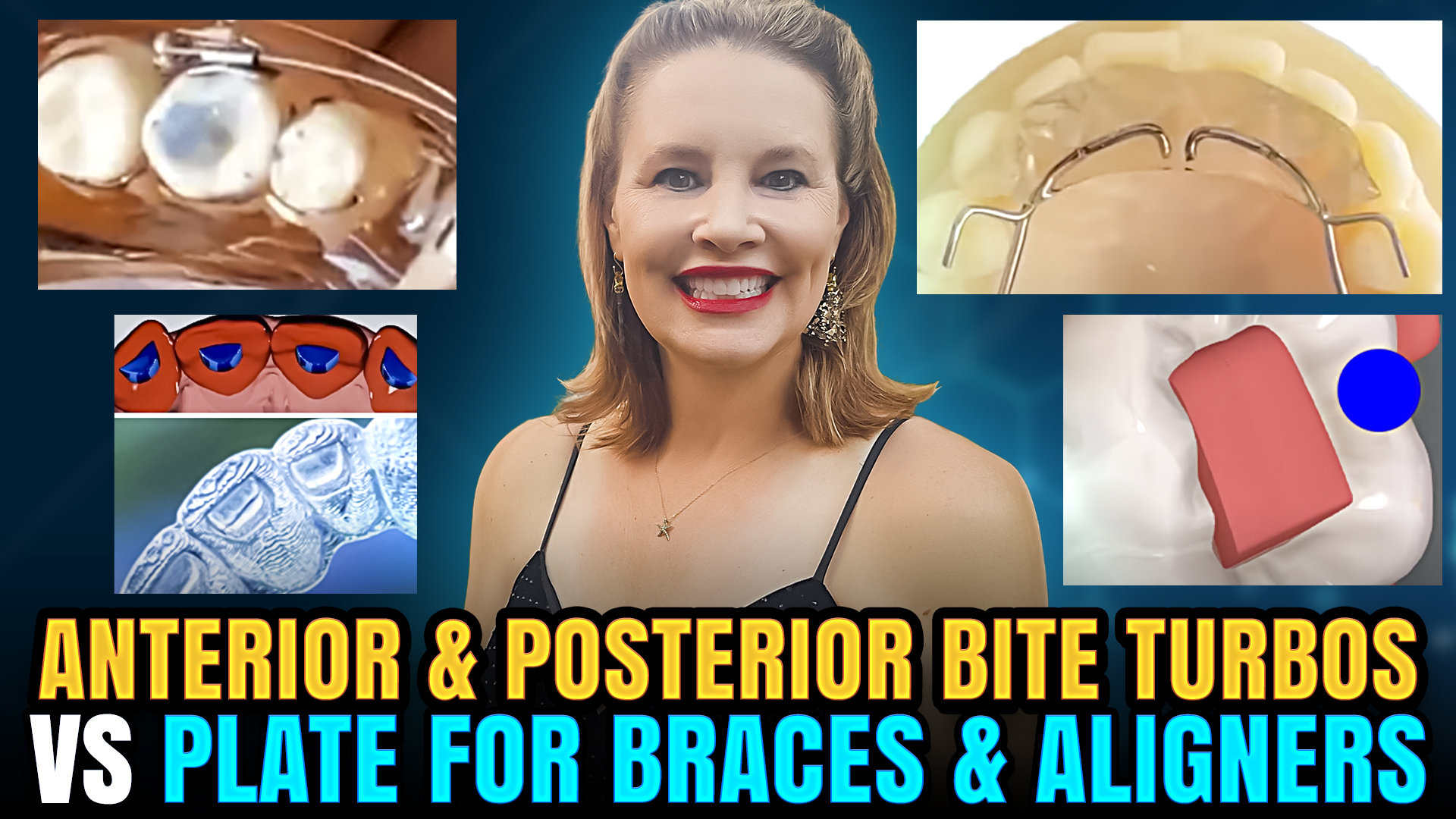
● Dr. Amanda, orthodontic expert and founder of StraightSmile Solutions, shares insight into the use of anterior bite plates, anterior bite turbos, and posterior bite turbos.
● These tools play a key role in:
○ Opening the bite
○ Leveling the curve of Spee
○ Intruding incisors
○ Correcting deep bites
● Each patient’s case is unique, so tools must be chosen wisely as part of a holistic treatment strategy.
II. There’s No One-Size-Fits-All
● Orthodontic care must be personalized. No single technique works for every case.
● Factors influencing treatment choices:
○ Individual skeletal and dental anatomy
○ Functional and aesthetic goals
○ Growth pattern, smile arc, and occlusion
● Proper tool selection can prevent complications and improve efficiency.
III. Education Opportunities through Straight Smile Solutions
A. The StraightWire Course
● Ideal for general dentists and orthodontic providers.
● Cost: $549 (as of publication), equivalent to $40 per CE unit.
● Offers a full year of access to complete the course.
● CE is sponsored by AGD PACE, making it ideal for professionals seeking accreditation.
B. Free YouTube Resources
● All course content is also available for free on YouTube.
● Organized into playlists for easier browsing.
● While not always in perfect logical order, it’s a great budget-friendly option for those who want to learn.
● Note: The YouTube content contains some overlap and repetition, which is trimmed out in the paid course.
IV. Anterior vs. Posterior Bite Turbos
A. In Braces
● Bite turbos are typically glued onto the teeth.
● They may be placed on:
○ Posterior molars (posterior turbos)
○ Behind anterior incisors (anterior turbos)
● Used to:
○ Temporarily disengage teeth during movement
○ Assist with bite opening and curve of Spee correction
B. In Aligners
● Bite turbos are often baked into the aligner material.
● No need to bond or remove—more convenient.
● Helps guide vertical tooth movement by applying pressure in key areas.
● Efficient and less labor-intensive than turbo placement in brackets.
V. The Role of Diagnostics
● Before using any bite-opening tools, clinicians must have a cephalometric radiograph (ceph).
● A ceph helps evaluate:
○ Incisor angulation
○ Curve of Spee
○ Skeletal profile
○ Depth of bite
● Additional considerations:
○ Smile line
○ E-line (esthetic line)
○ Lip support
○ TMJ considerations
○ Growth potential in younger patients
VI. Strategic Treatment Planning
● Not all deep bites require bite turbos—diagnosis must guide treatment.
● Tools should align with:
○ Long-term stability
○ Esthetic goals
○ Functional improvements
● Bite-opening methods vary between aligners and braces, and decisions should be case-specific.
VII. Personalized Clinical Support
● Straight Smile Solutions offers one-on-one support for challenging cases.
● Dr. Amanda encourages clinicians to seek help when needed and take advantage of resources to grow their confidence.
● The platform is designed to make orthodontics more accessible and manageable for general dentists.
VIII. Conclusion
● Anterior and posterior bite turbos are powerful tools when used appropriately.
● Understanding when, where, and how to use them is essential for effective treatment.
● Education is key—whether through the StraightWire course or free YouTube content.
● Dr. Amanda and the team at Straight Smile Solutions are here to support and empower clinicians on their orthodontic journey.
When you can use SLOTS with Aligner or Invisalign Elastics
Introduction
- Presenter: Amanda with StraightSmile Solutions
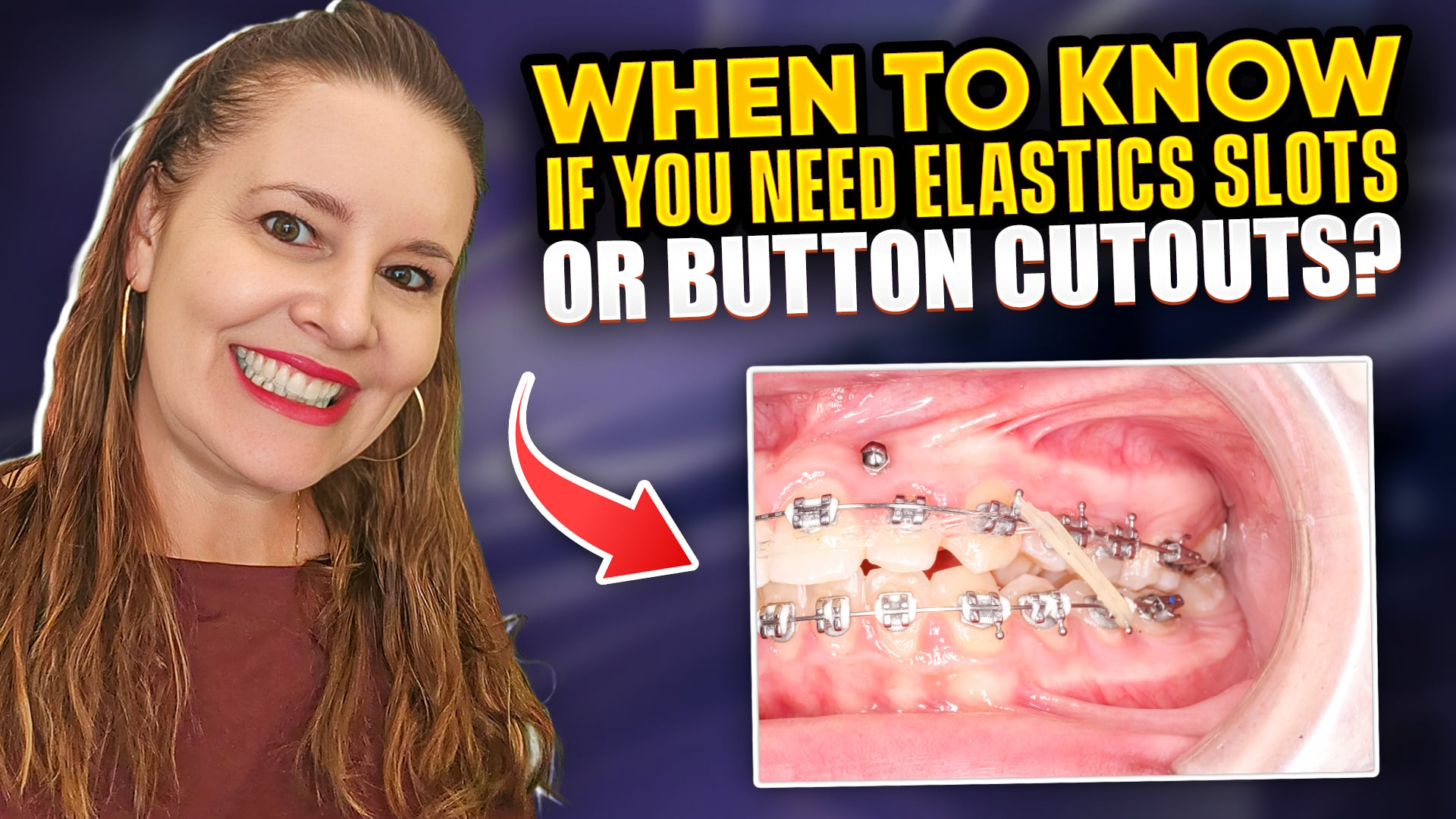
- Topic Overview: Discussing the advantages and disadvantages of button cutouts and elastic slots in clear aligners.
- Main Argument: Button cutouts are generally more effective than elastic slots for aligner treatment.
- Purpose of the Discussion: Educating dental professionals and patients on which option provides the best results in orthodontic treatments involving clear aligners.
1. Understanding Button Cutouts and Elastic Slots
What Are Button Cutouts?
- Small indentations in the aligners where buttons (attachments) are placed on the teeth.
- These buttons serve as an anchor point for elastics, allowing precise tooth movement.
What Are Elastic Slots?
- Slits in the aligners where elastics are hooked directly onto the aligner material itself.
- The intention is to guide teeth without needing additional attachments on the teeth.
2. Why Button Cutouts Are the Better Choice
1. Improved Aligner Retention
- Button cutouts ensure elastics are anchored directly to the teeth rather than pulling on the aligner.
- This prevents unwanted movement of the aligner when elastics are engaged.
2. Prevents Aligner Dislodgment
- Elastic slots can pull the aligners away from the teeth, leading to poor tracking.
- Proper fit and retention are crucial for successful orthodontic treatment.
3. Ensures Effective Tooth Movement
- The buttons act as stable anchor points, providing predictable and controlled force for tooth movement.
- This prevents inefficiencies in the treatment plan.
4. Enhances Treatment Predictability
- Since aligners must remain snug against the teeth to be effective, button cutouts ensure the aligners stay in place.
- Elastic slots, on the other hand, create opposing forces that can counteract treatment progress.
3. The Problems with Elastic Slots
1. Aligner Fit Issues
- Elastic slots create a pulling force that can cause the aligners to shift or detach.
- If the aligners do not fit properly, tooth movement may not follow the intended treatment plan.
2. Less Control Over Tooth Movement
- Aligners work best when they apply consistent, controlled forces to the teeth.
- Slots may introduce unintended forces that reduce treatment effectiveness.
3. Counterproductive Design
- The main goal of aligners is to remain in place for optimal tracking.
- Since elastic slots constantly exert force pulling the aligners away from the teeth, they may work against the treatment rather than aiding it.
4. When Are Elastic Slots Acceptable?
Though button cutouts are preferred, there is one specific scenario where elastic slots might be effective:
1. If the Teeth Are Already Straight
- When the alignment and leveling phase of treatment is complete.
- The patient does not require major tooth movement that could be compromised by aligner detachment.
2. If the Teeth Are Flared
- If the incisors (front teeth) are already angled outward, there is less risk of the aligners popping off.
- This could allow for controlled use of elastic slots without excessive interference.
3. Expert Opinions on Elastic Slots
- Webinars, podcasts, and research suggest that elastic slots may work in very specific cases.
- However, the majority of experts still favor button cutouts for consistent and predictable results.
5. Final Thoughts
1. General Recommendation
- Use button cutouts whenever possible to maximize aligner effectiveness and stability.
- Avoid elastic slots unless the patient meets the very specific conditions mentioned above.
2. Advice for Orthodontists and Aligners Providers
- Stay informed about new advancements in clear aligner treatments.
- Consider treatment predictability and patient compliance when selecting an approach.
3. Where to Learn More
- For additional insights, search for “slot,” “button,” or “Invisalign” on Dr. Amanda’s YouTube channel for detailed videos and case studies.
Conclusion
- Key Takeaway: Button cutouts provide superior stability, tracking, and predictability in clear aligner treatment.
- Action Step: Dental professionals should prioritize button cutouts unless the patient’s case specifically allows for the use of elastic slots.
2025 Retention / Retainer Wear Update
Retention is a critical part of orthodontic treatment, yet many doctors overlook the need for personalized retainer plans. Every patient requires a unique aftercare strategy based on their initial orthodontic condition, treatment outcome, and future needs.
This guide explores the best practices for retainer wear, different types of retainers, and how to create a long-term retention strategy.
1. The Importance of Retention
- Retainers prevent teeth from shifting after orthodontic treatment.
- Teeth naturally move over time, so retainers must be worn for life.
- A customized retention plan ensures long-term stability and patient satisfaction.
2. Types of Retainers
2.1 Essex (Clear) Retainers
- Thin, clear plastic retainers that fit over the teeth.
- Pros: Nearly invisible, comfortable to wear.
- Cons: Prone to wear and tear, requiring replacements every 1-2 years.
2.2 Vivera Retainers
- A more durable version of clear retainers made by Invisalign.
- Pros: Longer lifespan than standard Essex retainers.
- Cons: More expensive than other options.
2.3 Hawley Retainers
- Traditional acrylic retainers with a metal wire.
- Pros: Extremely durable, can last decades if well maintained.
- Cons: More visible and may not be as aesthetic as clear retainers.
2.4 Bonded (Fixed) Retainers
- A thin wire bonded to the back of teeth for permanent retention.
- Pros: No risk of patient non-compliance.
- Cons: Requires regular dental monitoring and maintenance.
3. Creating a Custom Retention Plan
3.1 Why One-Size-Fits-All Doesn’t Work
- Every patient has unique needs, making a standard retention schedule ineffective.
- Instead of using a universal “wear full-time for three months, then nighttime only” rule, retention should be phased down based on individual progress.
3.2 Factors to Consider
- The patient’s initial dental condition and treatment goals.
- Lifestyle factors, including compliance with retainer wear.
- The patient or parent’s expectations regarding cost and replacements.
4. Educating Patients and Parents
4.1 Setting Expectations for Long-Term Retention
- Patients must understand that retainer wear is a lifetime commitment.
- Retainers need regular replacements, except for durable options like Hawley.
- Bonded retainers require check-ups to prevent breakage or dental issues.
4.2 Why a Retainer Menu Matters
- A structured retainer menu helps patients choose the best option for their lifestyle.
- Modern Hawley retainers can now be 3D-printed or made with aesthetic labial bows.
- Offering multiple retainer options ensures patient satisfaction.
5. Planning for Long-Term Retention Success
5.1 Retainer Check-Ups Beyond the First Year
- Many practices offer retainer follow-ups for only the first year, leaving patients without long-term guidance.
- Extended check-ups or maintenance plans should be available for patients, especially those with bonded retainers.
5.2 Monetizing Retention Care
- Consider offering a subscription-based retainer replacement plan for Essex or Vivera retainers.
- Provide extended warranties or check-up plans for bonded retainers to avoid unexpected failures.
Conclusion
A cookie-cutter approach to retention does not work. Each patient needs a customized plan that considers their unique orthodontic journey.
For more insights, watch Dr. Amanda’s StraightSmile Solutions YouTube channel and check out the Retainer Wear Protocol video for detailed guidance.
The RIGHT Way of doing a Combo Ortho Pediatric Practice
I. Introduction
- The dental industry is evolving, and orthodontists and pediatric dentists are beginning to recognize the power of collaboration.
- A combined orthodontic and pediatric dental practice offers a unique business model that maximizes patient care and revenue.
- This article explores the benefits of this model, how to structure it effectively, and why dentists should embrace this opportunity.
II. The Shift in the Dental Industry
- The traditional separation of orthodontics and pediatric dentistry is becoming outdated.
- More orthodontists and pediatric dentists are joining forces to offer comprehensive care under one roof.
- The driving factors behind this shift:
- Changing patient preferences and expectations.
- The need for greater efficiency in practice operations.
- The importance of early intervention in orthodontic cases.
III. The Benefits of a Combined Ortho-Pedo Practice
A. Seamless Patient Experience
- Parents appreciate the convenience of having both services in one location.
- Continuity of care ensures better treatment outcomes for young patients.
- Regular orthodontic screenings can be incorporated into routine pediatric dental visits.
B. Increased Revenue Potential
- A combined practice captures more patients who need both services.
- Early-phase orthodontic treatments (Phase 1) provide additional revenue streams.
- Retention rates improve when patients start with pediatric dental care and transition into orthodontic treatment.
C. Efficiency in Staffing and Operations
- Shared staff reduces operational costs and improves scheduling efficiency.
- Dental assistants and hygienists can be cross-trained to support both specialties.
- Streamlined patient management systems enhance workflow and reduce administrative burdens.
D. Stronger Referral and Retention System
- Patients who begin with pediatric care are more likely to stay for orthodontic treatment.
- Sibling referrals increase, as families often bring all children to the same practice.
- A built-in patient base for orthodontists leads to reduced marketing costs.
IV. Structuring the Business Model for Success
A. Establishing the Right Partnership
- Choose the right professional partner:
- Orthodontists and pediatric dentists must share the same treatment philosophy.
- A long-term commitment is essential to prevent disruptions in patient care.
- Consider a partnership structure rather than an independent contractor agreement.
- A clear business agreement ensures stability and defines responsibilities.
B. Designing the Practice Layout
- An efficient practice layout must accommodate both pediatric and orthodontic treatments.
- Open bays for orthodontics and private rooms for pediatric procedures ensure patient comfort.
- Plumbing and equipment must be suitable for both specialties.
C. Implementing Early Orthodontic Screening
- Pediatric dentists should integrate orthodontic screenings into regular checkups.
- Scanning technology can help detect issues early and guide treatment plans.
- Early intervention minimizes complex orthodontic cases later.
V. Why Pediatric Dentists Must Act Fast
- Orthodontists are already capitalizing on this model by adding pediatric dentists to their practices.
- Pediatric dentists who fail to incorporate orthodontics risk losing potential revenue.
- Training in orthodontics is essential for pediatric dentists to stay competitive.
- Continuing education courses, such as those offered by StraightSmile Solutions, provide essential training in early orthodontic treatment.
VI. Key Considerations for Success
A. Investing in the Right Technology
- Digital scanners, CBCT imaging, and modern orthodontic appliances streamline treatment.
- Efficient technology reduces chair time and increases profitability.
B. Training and Continuing Education
- Both orthodontists and pediatric dentists should stay updated on the latest treatment techniques.
- Investing in courses and certifications ensures high-quality patient care.
C. Patient and Parent Education
- Educating parents about the benefits of early orthodontic intervention increases acceptance rates.
- Clear communication about treatment options builds trust and encourages long-term relationships.
VII. Conclusion
- The combination of orthodontics and pediatric dentistry is the future of dental practice models.
- By working together, specialists can offer a better patient experience and maximize their business potential.
- Pediatric dentists must take proactive steps to integrate orthodontics or risk losing opportunities to orthodontists who recognize the advantages of this model.
- StraightSmile Solutions offers training and resources for dentists looking to embrace this winning strategy.
How to Close a POB (Posterior Openbite) in Invisalign or Clear Aligners
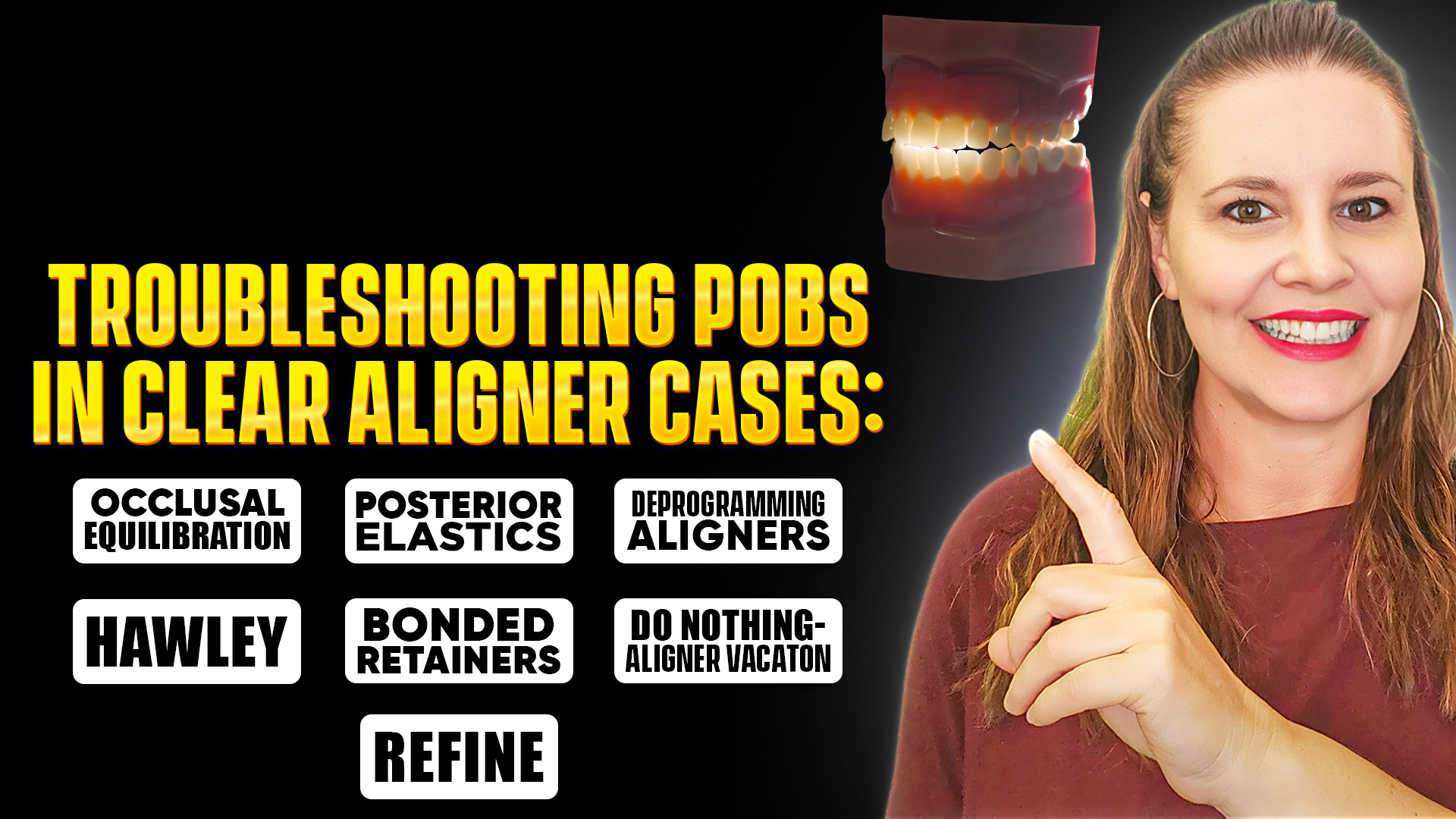 How to Close a POB (Posterior Openbite) in Invisalign or Clear Aligners
Posterior open bites can be a challenging issue when using clear aligners. Many patients and practitioners struggle with finding the best approach to address this problem effectively.
This guide outlines the step-by-step process for diagnosing and treating posterior open bites in clear aligners:
Step 1: Identifying Premature Contacts
Before making any corrections, it is crucial to determine if premature contacts exist. Follow these steps:
● Use articulating paper instead of digital scans like iTero to check for premature contacts.
● Have the patient tap and grind their teeth to identify any high spots, especially on the anterior teeth.
● If contacts are found on teeth 7-8-9-10 or 22-26 (upper and lower anterior teeth), they must be addressed first.
Step 2: Correcting Anterior Premature Contacts
Once premature contacts are identified:
● If the interference is minor, occlusal equilibration may be sufficient.
● If the interference is more significant:
○ Perform interproximal reduction (IPR) on the lower anterior teeth if needed.
○ Ensure there is no crowding on the upper arch before proceeding with adjustments.
● Removing anterior premature contact ensures the bite can close properly in the posterior.
Step 3: Checking for Palatal Hanging Cusps
Another factor that can contribute to a posterior open bite is palatal impingement. Consider the following:
● If expansion is done without proper translation, hanging cusps may form.
● This issue is more common in older patients with less natural adaptation.
● The solution involves allowing more time for torquing and uprighting the teeth.
● If not addressed, palatal hanging cusps can interfere with posterior bite closure.
Step 4: Deprogramming Aligners
After eliminating anterior interferences, deprogramming aligners can help the bite settle. Methods include:
● Trimming the aligners to allow posterior contact to reestablish naturally.
● Using bonded retainers with or without elastics.
● Monitoring carefully to avoid overcorrection.
● Deprogramming allows teeth to settle into their natural occlusion without excessive force.
Step 5: Using Posterior Elastics (Last Resort)
Many practitioners rush to use posterior elastics, but these should be the last option after all other factors are addressed. Considerations include:
● Elastics can be used with buttons or bonded retainers.
● Patients must wear elastics full-time for effectiveness.
● Overcorrection is a risk, requiring close monitoring.
Step 6: Alternative Retention Methods
Apart from elastics, other effective methods include:
● Hawley Retainers (Hollies): These were widely used in the 90s and 2000s and can help settle the bite if designed without excessive clasps.
● Circumferential or Wrap-Around Hawley Retainers: These retainers avoid excessive posterior clasps and can be effective in maintaining bite closure.
● Bonded Retainers with Gravity: Sometimes, allowing gravity to work without elastics is a more gradual but effective method.
Step 7: Aligner Vacation (Do Nothing Approach)
In some cases, simply pausing aligner wear can allow the bite to settle naturally. Options include:
● Stopping aligner wear completely for a period.
● Wearing aligners only at night to observe any settling effect.
● This method mimics the passive effect of bonded retainers without the need for intervention.
Step 8: Refinement as a Last Option
If none of the above solutions work, refinement aligners may be necessary. Before opting for refinements:
● Ensure that all other premature contacts and interferences are corrected first.
● Only proceed if there is no alternative to closing the posterior open bite.
Conclusion
Correcting a posterior open bite in clear aligners requires a systematic approach. Careful diagnosis and step-by-step intervention will ensure a more stable and functional bite for the patient. For more expert advice, visit StraightSmile Solutions.