
StraightSmile Solutions®
Invisalign Adult vs Teen
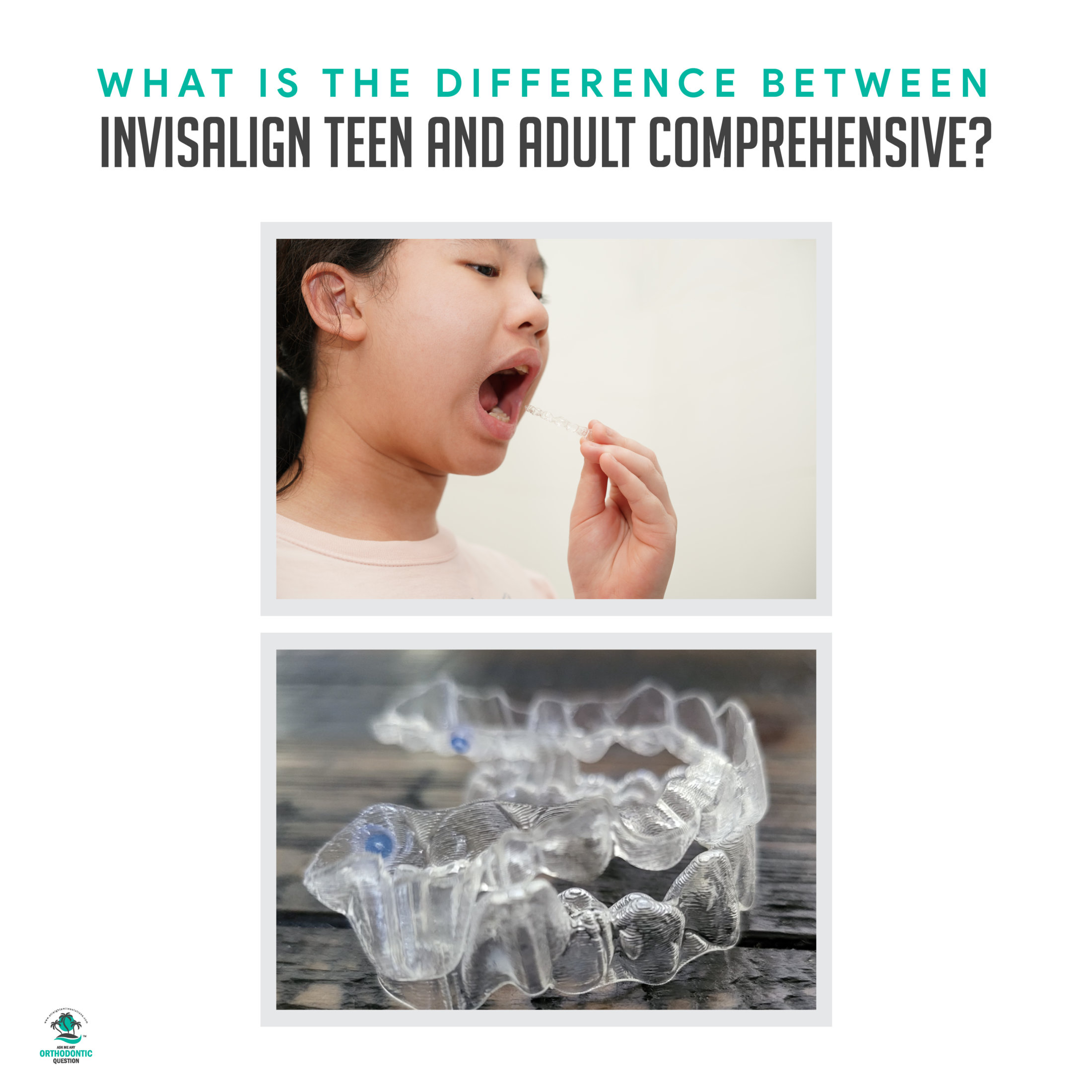
When it comes to Invisalign consulting, one of the simplest questions to answer – but also one of the most commonly asked questions among new mixed dentition orthodontists – is when you should make the shift between teen and adult Invisalign. Indeed, if you find that Invisalign doesn’t fit your patient’s teeth, there’s a good chance you’ll need to switch; luckily, there are several simple steps you can take at the outset to reduce the risk of Invisalign not fitting.
When to Give Invisalign Adult vs. Invisalign Teen
Generally speaking, you’ll probably want to consider using Invisalign teen for the majority of patients between the ages of nine and nineteen years of age. Outside of this range, Invisalign Teen is likely to be a less appropriate option. It’s also worth considering that many of the previous free extras that came with teen aligners in the past are now only available as a purchasable extra.
It’s worth noting here that Invisalign Teen may come with more features that can help make them suited to mixed dentition cases; usually, adults won’t still have erupting teeth, for example, and so their requirements are different.
What if my Patient Has All of Their Teeth In?
If your patient already has all of their teeth in, but they are an older teenager themselves, you’ll probably still want to use Teen Invisalign. However, if your patient already has all of their teeth in and is over this age, you may be able to use Invisalign Adult instead.
If you have any further questions about your Invisalign case, please don’t hesitate to get in touch with our Invisalign consulting team today. We’re here to help and can even offer bespoke one-off sessions to help you with your dental cases.
How Long Should a Retainer Be Worn?
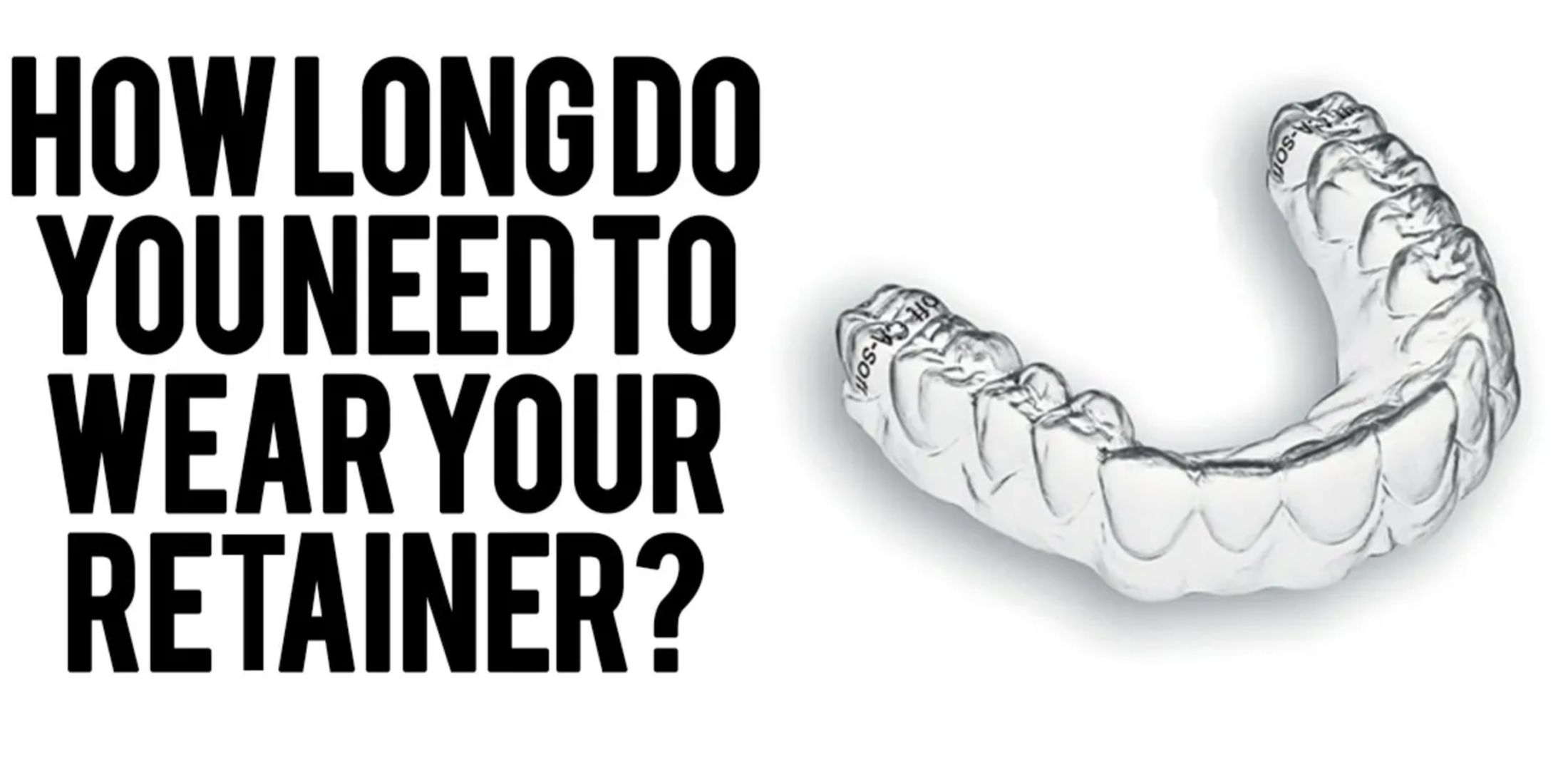
It’s not always clear how long you should wear your retainers, which can have a massive impact on your overall ability to succeed with retainer use. However, considering this is undeniably important to get the best results from your retainers, our friendly team is on hand today to help you learn more about Invisalign clear aligners.
How Long Should an Invisalign Clear Aligner or Retainer Be Worn?
It’s not always easy to identify how long your clear aligners should be worn. However, in most cases, your patient will likely want to wear their retainers for a few months – 3, 6, or 9 months or full-time – before progressing with a phase down period, where the retainer is just worn at night.
During this transitionary phase, you’ll need to carefully determine how long this should last since every patient is different. Getting this wrong may cause greater numbers of relapses, so care should always be taken here to help. However, the patient may be able to influence this decision based on their experience.
If the retainer doesn’t feel tight after an hour without the retainer, they can begin looking at removing their retainers for a longer period. However, the retainer should never feel uncomfortable when putting it back on after a break.
Take a Case-by-Case Approach
In order to get the best results from your Invisalign clear aligners, you’ll want to take a case-by-case approach. Indeed, this can help you ensure that your patients wear their retainers for the most appropriate duration for their specific case.
Don’t leave this to chance! Contact our experts today to find out more; we’re here to help!
Midline Elastics: Preventing Canting

Have you ever wondered about how midline elastics can be used more effectively to help prevent canting from occurring? If so, our friendly experts here at Straight Smile Solutions are on hand to give you a little more guidance and thoughts overall on the right treatment plan to prevent canting.
What are Midline Elastics?
Midline elastics are a process used to help align the teeth in patients where the upper and lower teeth do not match. More specifically, they are used to align the center of the lower and upper tooth arches.
During midline elastics cases, an elastic wire or band is hooked to the upper and lower canines (typically, though not always). In theory, this serves to help gradually align the teeth – however, it can result in canting, which causes asymmetry between the gums and the teeth themselves.
How to Prevent Canting with Midline Elastics Cases
If you get canting in your patients using midline elastics, the problems can often be almost impossible to fix. As such, you should always try to prevent canting from occurring during your treatment plan.
First, it’s important to use heavy stable wires. Ideally, you should also have good spacing in the mouth to reduce the risk of canting overall.
If you’re having difficulty with your midline elastics cases, you may want to try another technique instead, such as differential anchorage or sequential distalization, where the aligners themselves help move the teeth.
Final Thoughts
Finding the optimal strategy for your own midline elastics cases can sometimes seem difficult. However, canting can potentially become an issue in some cases. As such, it’s important to be prepared for this when creating your patient’s treatment plan and take precautionary steps to reduce the risk of canting during your own midline elastics cases.
Need further ideas on how to tackle a particular case? Our experts here at Straight Smile Solutions provide professional dentist consulting solutions to help you find the optimal strategy for every patient.
How to Avoid Getting Screwed by Retainer Relapse
How to Avoid Getting Screwed by Retainer Relapse
Retainer relapse, also known as orthodontic relapse, is a common occurrence after orthodontic treatment. It happens when teeth shift out of their corrected position and return to their original alignment over time. This can happen due to a variety of factors, including natural growth and changes in the teeth and jawbone, genetics, failure to wear a retainer as directed after treatment, and other environmental factors such as teeth grinding or jaw clenching. Retainer relapse can cause the bite to become misaligned, crowding or spacing between teeth, or other orthodontic issues, and may require additional treatment to correct.
How Common Is Orthodontic Relapse?
Orthodontic relapse is relatively common and can occur in a significant percentage of patients who have undergone orthodontic treatment. The exact rate of relapse depends on various factors, such as the type of orthodontic treatment received, the severity of the original dental misalignment, and the patient’s compliance with post-treatment instructions.
Studies have found that relapse rates range from 10% to 50% depending on the specific type of orthodontic treatment. The highest relapse rates are typically seen in patients who received treatment with traditional braces. However, early detection and appropriate treatment can manage many relapse cases.
Conclusion
To ensure successful orthodontic treatment outcomes and prevent liability for relapses, you need to lay a solid foundation. Begin by learning how to finish the case and document it with a “congratulations form” or “statement of satisfaction.” Taking a full set of final orthodontic records is crucial before delivering retainers.
Implement a bulletproof retainer compliance program with a 30-day warranty period and required retainer appointments at one, three, and six months after the d-bond. As the patient, you’ll need to wear the retainers full-time for at least six months and then gradually phase down usage. The warranty program details and the phase-down process is customized to the patient’s needs.

My Comprehensive Smile Index
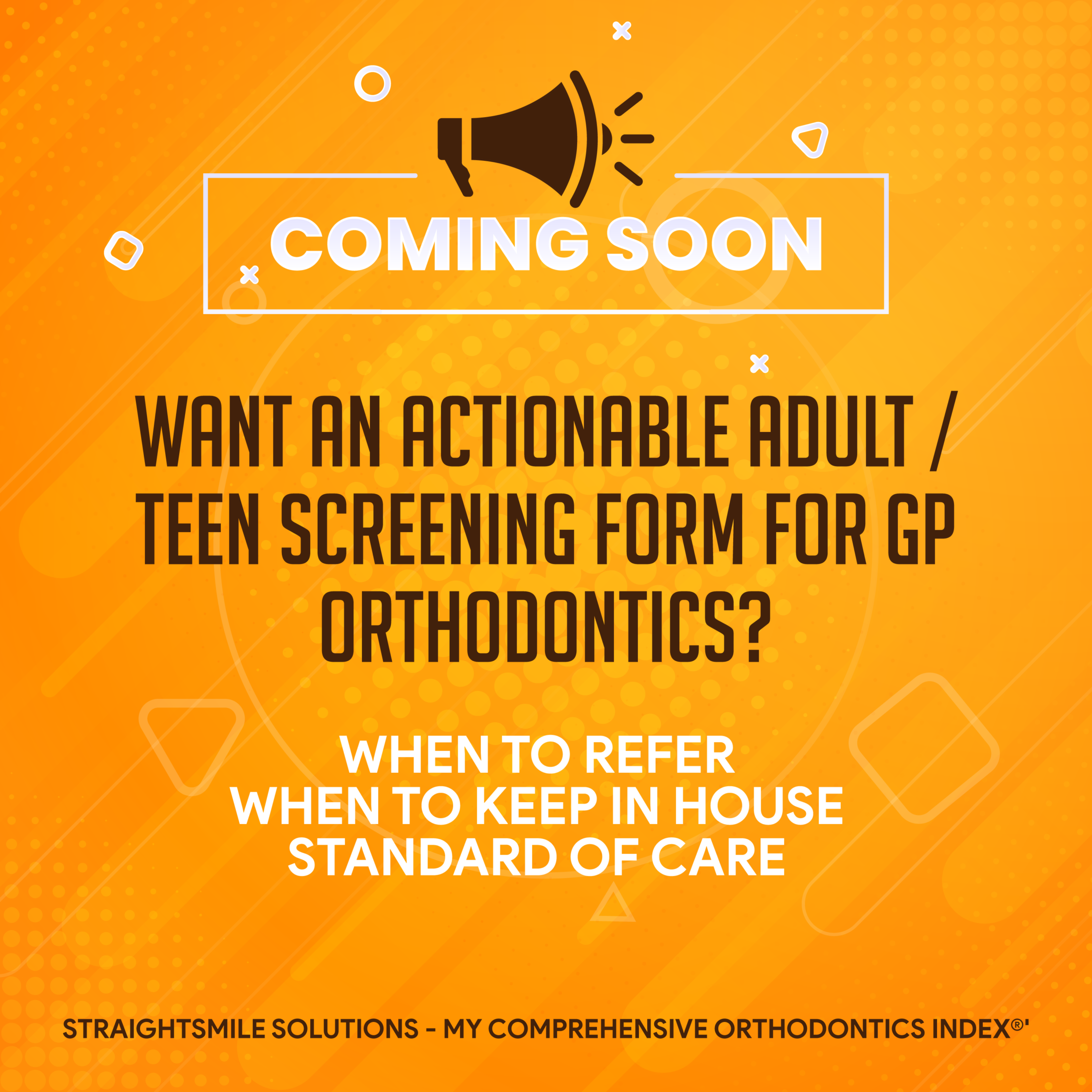
Hello there! I’m Dr. Amanda, and I’m delighted to share some exciting news about our latest offering at Street Smile Solutions. Our team has been working hard to create a new form called “My Comprehensive Orthodontics Index,” which will be available soon in our form store.
This innovative PDF form is designed for teens and adults and will help you screen your patients effectively. This interactive form is action-packed and user-friendly, with various checkboxes covering essential points and conditions, including overbite, overjet, impacted canine, and more.
By completing the form, you will receive a score and determine whether orthodontic treatment is necessary. We believe this will help make the screening process easy and the standard of care for everyone who prioritizes their dental health.
We understand the importance of patient education, and we aim to replace the sales process with informative discussions about occlusion issues and less-than-ideal conditions. Our goal is to motivate patients to undergo orthodontic treatment, highlighting its long-term benefits, including saving them money, maintaining their teeth, and improving their smile’s appearance.
To purchase the form directly, it is only $20, or it will be available for free if you attend our webinars, purchase our courses, premium memberships, or VIP, or concierge memberships.
We’re currently finalizing the copyright process and aim to have the form available by the end of April. We’ll keep you updated, so stay tuned!
In Summary
Street Smile Solutions’ introduction of the My Comprehensive Orthodontics Index is a groundbreaking development in dental care. This innovative approach aims to improve patient screening and education for teens and adults. The team’s emphasis on patient education aims to replace the sales process with informative discussions, empowering patients to prioritize their dental health. The introduction of this form is a testament to Street Smile Solutions’ commitment to providing high-quality dental care and services.
Using Invisalign with MA in Adults to Correct Bites for Sleep and Airway

Have you ever heard of using Invisalign with MA in adults? Today, let’s review a case where Invisalign with MA was performed on an adult with a Step 2 high-angle airway case in Australia.
From the description, this case looked like a clear case where surgery would have been required to make corrections effectively, but the patient didn’t want to go that route. Instead, this provider decided to do Invisalign with MA with TADs. So, let’s review whether or not it is allowed, whether it is possible, and if we think it’ll work.
Using Invisalign with MA in Adults to Correct Bites for Sleep and Airway
First and foremost, can you use Invisalign with MA in adults? You actually can’t order MA for adults, so the only way that we suspect this could be possible is through some manipulation of the system. Unfortunately, doing so violates Invisalign’s terms and conditions because this treatment is only FDA-approved for growing kids and teens who still have growth time.
Whether or not Invisalign allows you to add MA to a patient’s case plan answers our second question of if this strategy is possible for an adult patient. Technically, it is possible to order, but not without risking violating Invisalign’s terms.
Next, did it work? ‘Working’ and creating an excellent result are two different things in orthodontics. For this particular case, this client would have needed some sort of surgical intervention to create nice looking alignment while correcting their bite and serving the desired purpose for the airway. The case was essentially a VME case, which could have seen improvement from removing the third molars, sequential distalization, and Invisalign. These cases are standard and have precedence in the field.
While this case was certainly experimental, we wouldn’t recommend proceeding down this route. With the risks involved in skirting Invisalign rules and potentially not correcting the problem or making the patient’s case worse, we recommend avoiding using Invisalign with MA in adult patients.
Invisalign Buyer vs. Seller Patients- How to Remove Clear Aligner Sales Barriers
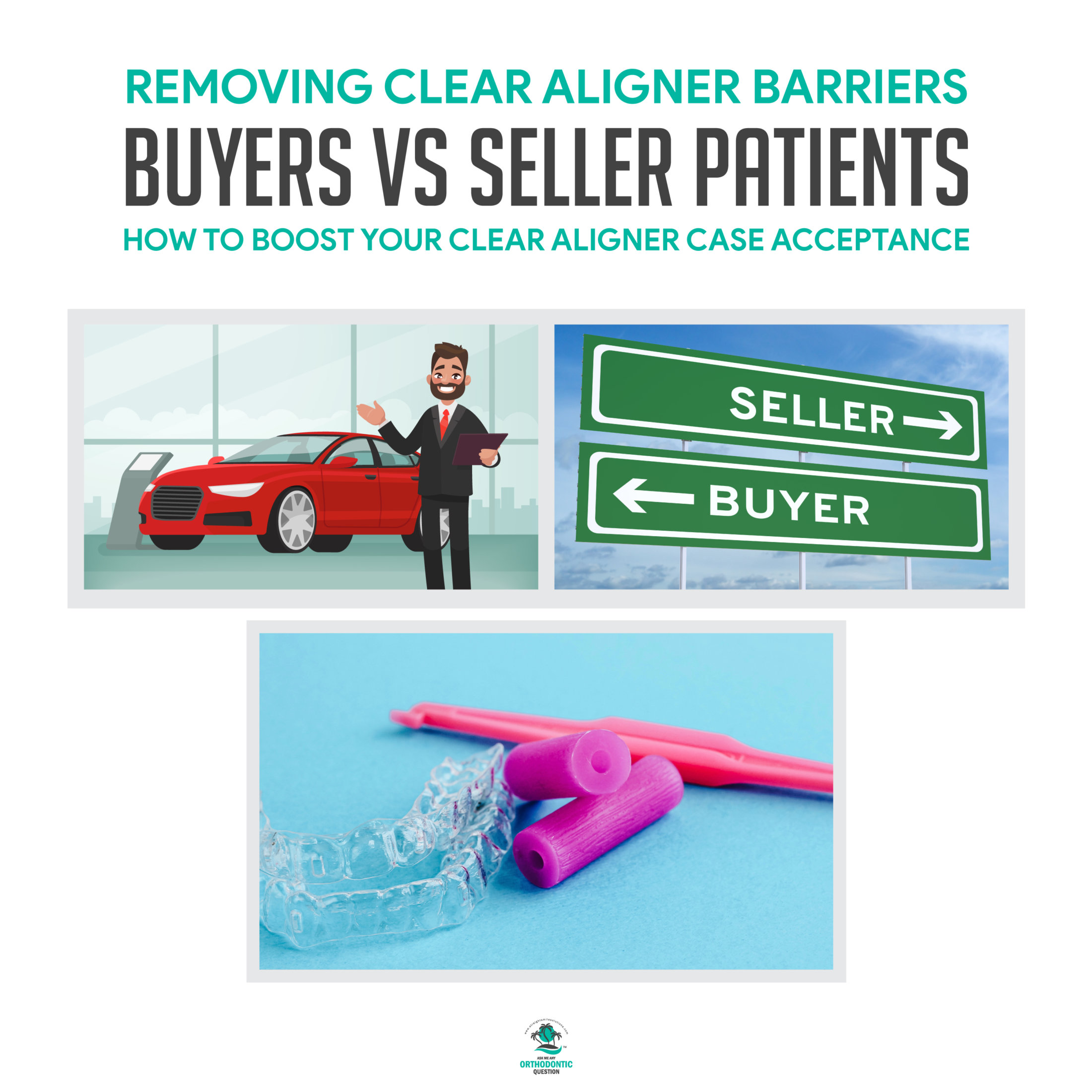
Clear aligners are becoming increasingly popular among those seeking a straighter smile, and Invisalign is one of the leading brands in the industry. However, there can often be a disconnect between Invisalign sellers and buyers, leading to sales barriers that prevent patients from getting the treatment they need.
In this article, we’ll explore the differences between Invisalign buyer and seller patients and provide tips for removing sales barriers and ensuring a smooth treatment process.
Understand the different motivations and priorities of Invisalign buyer and seller patients. Buyers are typically more focused on the end result – they want a straighter, more attractive smile and are willing to invest time and money in achieving that goal. On the other hand, sellers may be more concerned with the technical aspects of the treatment process, such as fitting the aligners correctly and ensuring that they’re properly worn and maintained.
One common sales barrier for Invisalign buyers is cost. Clear aligner treatment is expensive, and many patients may hesitate to invest in something they perceive as cosmetic rather than necessary. To remove this barrier, sellers can emphasize the long-term benefits of Invisalign, such as improved oral health and a boost in confidence and self-esteem. They can also work with patients to create customized payment plans or offer financing options to make treatment more affordable.
Another barrier is skepticism about the effectiveness of clear aligners. Some patients may believe that traditional braces are more reliable or effective or may be unsure if their specific orthodontic issues can be addressed with clear aligners. To overcome this barrier, sellers can provide detailed information about the science behind Invisalign and before-and-after photos and testimonials from satisfied patients. They can also work with patients to create a treatment plan tailored to their specific needs and concerns.
Conclusion
If you want to sell clear aligners such as ClearCorrect or Invisalign, it’s important to approach it like any other medical or dental treatment. Don’t put up any sales material that might seem tacky, but include a smile questionnaire on your intake forms. This can help identify patients who may be good candidates for clear aligners, but make sure to also perform a comprehensive oral health check on all patients. By taking an informative approach and showing concern for their oral health, you can build trust with patients and potentially increase sales in your practice.
When to Use Cross Elastics- Brody, Scissor, and Posterior Crossbite

Cross elastics are orthodontic tools that can correct different types of malocclusions, which are dental misalignments that can affect how a person’s teeth and jaw function. Orthodontists often recommend these elastics as a non-invasive way to help fix various bite problems.
Here’s when to use cross elastics for three specific types of malocclusions: Brody, scissor, and posterior crossbite.
Brody Bite
A brody bite is a type of dental misalignment where a person’s upper teeth are too narrow or constricted, causing them to bite down on the wrong areas of the lower teeth. This can lead to tooth wear and tear, gum damage, and other problems. Cross elastics can help correct this by applying pressure on the upper teeth, widening them, and allowing for a more even bite. The elastics are attached to hooks on the upper teeth and then stretched to hooks on the lower teeth, creating a force that will gradually move the teeth into the correct position.
Scissor Bite
A scissor bite is another type of malocclusion where the upper teeth overlap the lower teeth in a crosswise pattern. This can cause problems with chewing, speaking, and aesthetic concerns. Cross elastics can be used to correct this by applying force to the upper teeth, pulling them forward and down while pushing the lower teeth back and up. This will gradually bring the teeth into the correct position and help improve the patient’s bite.
Posterior Crossbite
A posterior crossbite occurs when the upper teeth are positioned inside the lower teeth when biting down. This can lead to problems with tooth wear and tear, speech difficulties, and other issues. Cross elastics can be used to correct this by applying pressure to the upper teeth and pulling them outwards while pushing the lower teeth inwards. This will gradually bring the teeth into the correct position and help improve the patient’s bite.
Conclusion
Cross elastics can be an effective tool for correcting malocclusions, but it’s important to be aware of the different types and not rush into placing them. For Brody cases, it’s crucial to determine if it’s a dental or skeletal crossbite, and for posterior crossbites, it’s best to leave them alone if skeletal expansion isn’t possible. Coordinating wires can help fix dental crossbites, but always be cautious when selecting cases and integrating the bite gradually. Remember, cross elastics should only be used towards the end of treatment, and if the bones won’t fit together, it’s best to leave the issue. By carefully considering these factors, orthodontists can achieve optimal results for their patients.
IPR in Kids

IPR in Kids: What’s the Right Age?
Have you ever wondered why you might need to do IPR in kids and when the right age for this procedure might be? In many cases, mixed dentition cases can be among the trickiest to fix since it’s not always clear what you should be offering as part of your dentist consultations.
What is IPR?
IPR is a procedure called interproximal reduction, which serves to help reduce a tooth’s width by removing very small amounts of enamel. This procedure can be completed relatively easily by an experienced dentist, but it’s important to consider the age of your patient before you get started.
When Should Patients be Offered IPR For the First Time
Here at Straight Smile LLC, we recommend you avoid offering IPR for kids since there’s generally not much need to do this. Children who need IPR will often have tooth crowding cases. However, these cases can be easily addressed with other techniques such as arch expansion, proclination (based on a CEPH), sequential digitalization, etc.
Generally, you may want to avoid this technique for children except when you’ve already run it through the Bolton simulator and the child needs 0.2mm per site. However, there can still be exceptions to this.
In the end, it’s worth getting professional support on a case-by-case basis. Luckily, our team here at Straight Smile LLC can help you find the proper techniques for your patients.
Retaining Gen Z Employees
Have you ever considered the challenges of retaining old GenZ employees (or even hiring new ones)? In many cases, getting new employees can sometimes seem like a challenge, and when it comes to talking about Gen Z employees, things become even more tricky.
Indeed, Gen Z employees are often just getting into the workplace for the first time now, and this can make hiring them – and retaining them – a tricky task. With the right approach, though, it’s definitely not impossible!
How to Hire and Retain Gen Z Employees
If you want to hire – and retain – Gen Z employees in your business, you’ll need to keep several things in mind. Indeed, Gen Z staff often have very specific wants – but meeting these can make hiring these staff members for back and front office roles easy.
Perhaps the most important aspect here is to ensure there’s flexibility in your business. Many Gen Z workers (and others!) appreciate being able to have different working patterns to suit their needs.
In addition, embracing digital in your practice can be a great option if you want to encourage more Gen Z staff. Virtual, synchronous, and asynchronous consults and check-ins are incredibly popular among the demographic.
Finally, try to be open to suggestions. While there’s only so much that you can necessarily implement, ensuring that your staff members feel heard and appreciated can go a long way overall.
Final Thoughts
If hiring Gen Z employees seems like a challenge, don’t worry – it’s not that hard. However, you’ll need to focus on modernizing your office to provide the best experience for Gen Z staff overall.