Introduction
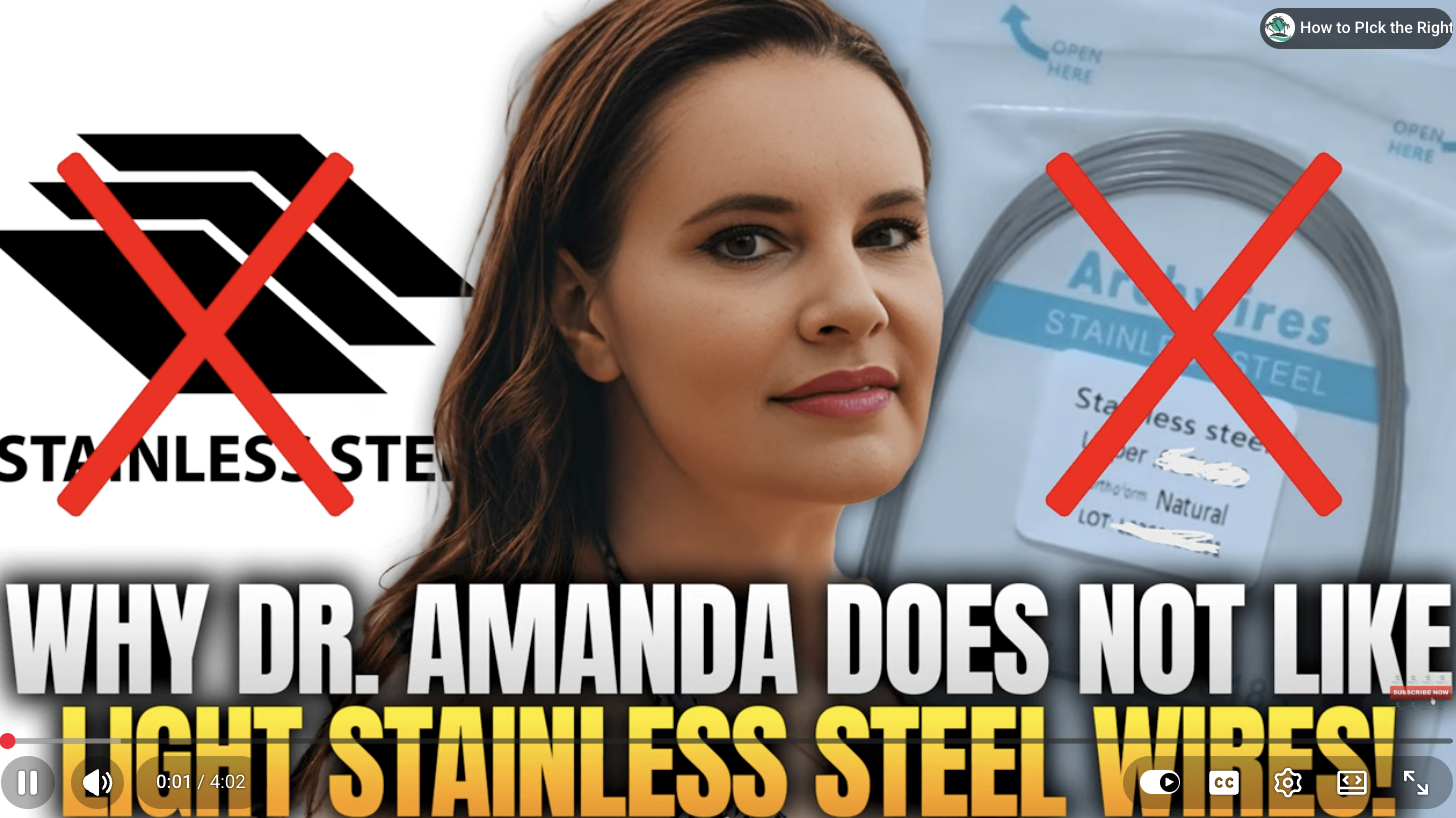
Dr. Amanda of Straight Smile Solutions explains why she strongly advises against using light stainless-steel wires such as 16×16, 18, and 16×22. Speaking primarily to general and pediatric dentists, she highlights how these wires create inefficiencies, increase chair time, frustrate patients, and ultimately compromise treatment outcomes. From an orthodontic workflow and profitability standpoint, Dr. Amanda considers these wires unnecessary and counterproductive in modern straight-wire and indirect bonding systems.
Lack of Clinical Purpose
- No clear orthodontic indication for light stainless-steel wires
- Often used out of habit or because “someone said to use them.”
- Do not effectively align teeth or maintain control
- Not suitable for power chaining or meaningful tooth movement
Designed for Techniques Most GPs Don’t Use
- Intended for wire-bending techniques learned in orthodontic residencies
- General and pediatric dentists typically do not bend wires
- Indirect bonding eliminates the need for most wire adjustments
- Stocking these wires adds unnecessary inventory
Better Alternatives Exist
- Heavy stainless-steel wires (e.g., 18×25 or 19×25) have real applications
- Useful for sliding mechanics, arch coordination, and occasional step-down bends
- Modern indirect bonding reduces the need for finishing bends altogether
- Clear aligners are a faster, cheaper, and more patient-friendly finishing option
Patient Comfort and Compliance Issues
- Light stainless-steel wires bend easily during normal eating
- Everyday foods like pizza or tacos can distort the wire
- Bent wires cause unwanted tooth movement and loss of control
- Leads to additional visits and wire replacements
Time, Cost, and Efficiency Concerns
- Increased chair time and doctor time
- More emergency visits due to bent wires
- Slows treatment progress instead of advancing it
- Reduces patient satisfaction and confidence in treatment
Conclusion
Dr. Amanda’s message is clear: light stainless-steel wires offer no meaningful benefit in modern orthodontic workflows for general and pediatric dentists. They compromise efficiency, increase complications, and frustrate both doctors and patients. With indirect bonding and affordable aligner finishing options available, these wires are unnecessary and best left out of clinical practice altogether.