
I. Introduction
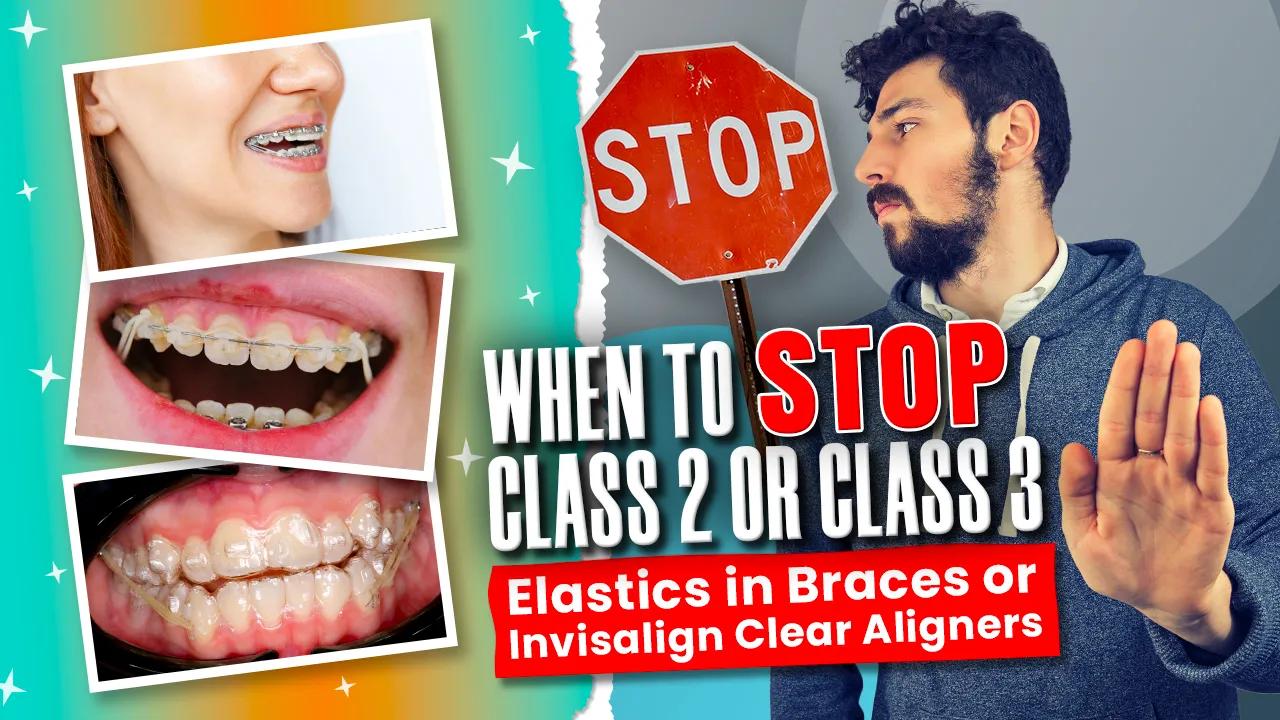
Welcome to StraightSmile Solutions, your go-to destination for cutting-edge orthodontic insights and solutions. I’m thrilled to share that we’ve just posted a video on StraightSmile Solutions that delves into the nuances of using appliances like twin blocks and MA cases. These appliances play a crucial role in growing jaws and addressing overjet concerns. Our expert, Dr. Amanda, with over 20 years of experience, provides valuable insights into when to employ these appliances and when to stop, ensuring optimal results. Before diving into the details, check out the video for a comprehensive understanding. At StraightSmile Solutions, we’re committed to offering unbiased orthodontic education, empowering you to make informed decisions in your practice. Explore our content, stay informed, and elevate your orthodontic expertise.
II. Overview of Elastics
- Purpose: Used to grow jaws and address overjet in orthodontic cases
- Severity of cases:
- Severe overjet – elastics for Class II or Class III cases
- Mild overjet – elastics for minor situations (1-3 mm)
III. Elastics Mechanism
- Misconception: Elastics do not grow jaws
- Actions: Canting and tipping the inclusive plane
- Caution: Side effects and unpredictability in treatment
- Importance of understanding straight wire before using elastics in Invisalign
IV. Case Considerations
- Class II cases
- Usage: In aligners or braces
- Bite situation: Consideration of bite opening or unwanted forces
- Class III cases
- Aligner preference: Better for intrusive forces
- Case selection: Consider severity and desire for growth
V. When to Stop Elastics
- Completion of treatment: Stop when the desired result is achieved
- Muscle memory and deprogramming: Less of an issue with gradual changes
- Relapse: Expect some relapse; plan treatment accordingly
VI. Class II Elastic Case
- Endpoint: Achieve a solid Class I with minimal overjet
- Relapse consideration: Plan for potential relapse, stop treatment conservatively
VII. Class III Elastic Case
- Endpoint: Positive overjet, no anterior contacts
- Relapse consideration: Expect relapse, especially if not worn full-time
VIII. Importance of Case Selection
- Evaluate the severity of overjet or negative overjet
- Consider patient growth and cephalometric analysis
- Emphasize the need for understanding case dynamics and forces
IX. Caution against Blindly Trusting ClinCheck
- Warning: Do not solely rely on ClinCheck predictions
- Consultation: Seek advice from orthodontists for complex cases or uncertainty
X. Promotional Content
- Mention of Straight Wear course
- Benefits: Logical sequence, comprehensive content
- Reminder: Price increase after January 31, 2024
XI. Acknowledgment of Support
- Acknowledges support from viewers and course purchasers
- Emphasizes the goal of providing unbiased and quality orthodontic education
- Acknowledges the financial challenges of producing content but expresses dedication to continue
XII. Conclusion
Understanding the nuanced application of elastics in orthodontics is crucial for successful outcomes. Driven by a commitment to providing unbiased education, StraightSmile Solutions offers valuable insights. The recently shared video delves into the intricacies of when to cease interventions with various appliances. Dr. Amanda emphasizes prudent case selection, cautioning against overreliance on clinchecks. With a wealth of experience, the emphasis on comprehensive learning remains evident, urging practitioners to prioritize patient health and efficient treatment paths.