
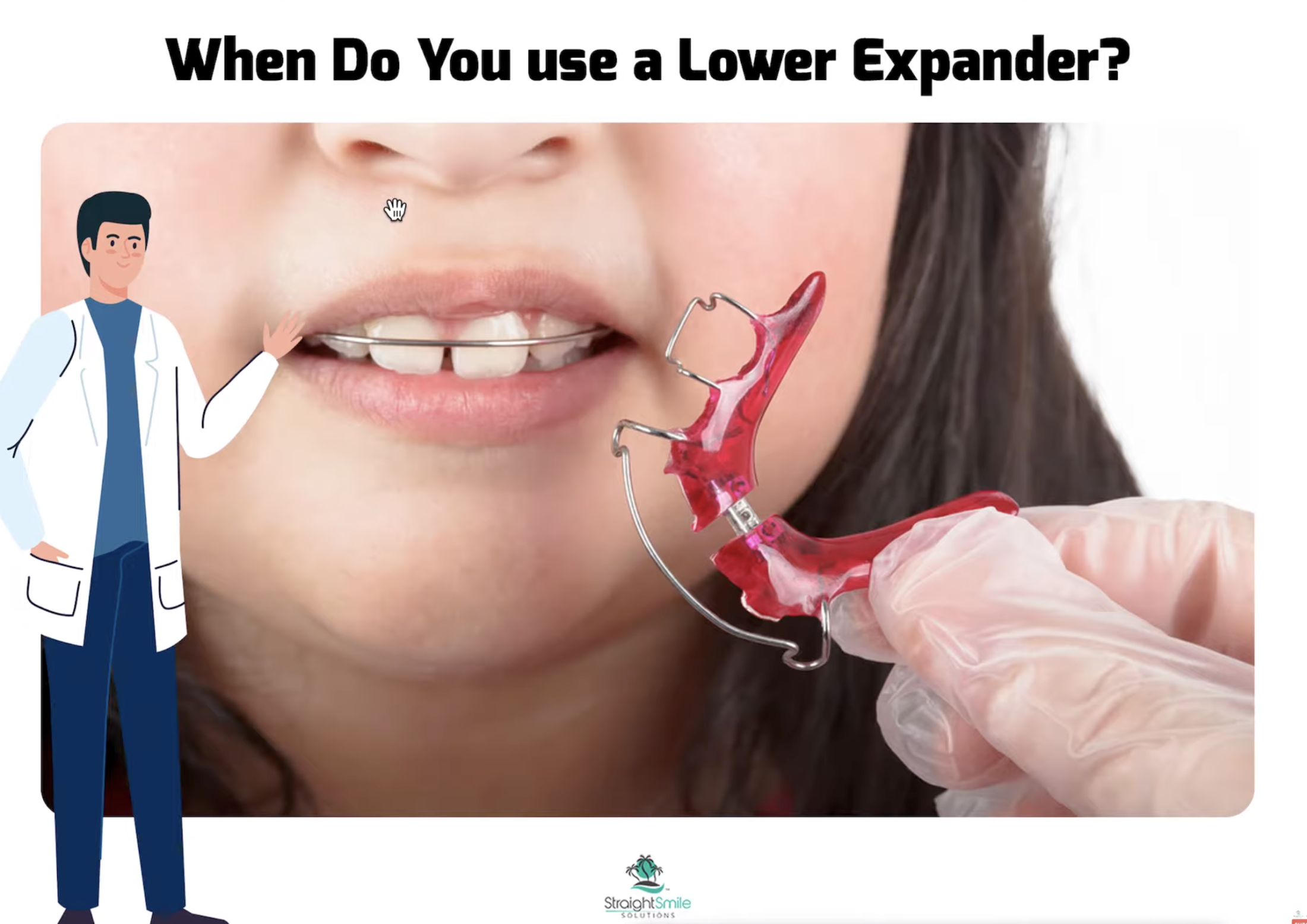
When Do You Use a Lower RPE / Expander?
In orthodontics, a lower removable palatal expander (RPE) is commonly used to correct dental and skeletal issues in growing children. The RPE device applies gentle pressure to the palate and teeth, gradually expanding the upper jaw to create space for proper tooth alignment and improve overall facial symmetry. However, there are instances where a lower RPE or expander with a lower resistance to force is recommended.
When determining the appropriate resistance level, one crucial factor is the child’s dental development stage. A lower RPE with reduced resistance may be used during the early mixed dentition phase, which occurs between the ages of six to nine. At this stage, the primary goal is to guide the growth and development of the jaw while creating sufficient space for the permanent teeth to erupt properly. The orthodontist can gradually encourage jaw expansion without excessive force using a lower RPE or expander.
Children with certain skeletal discrepancies or craniofacial conditions may also benefit from a lower RPE or expander. For instance, in cases of maxillary constriction, where the upper jaw is narrower than ideal, a lower RPE can be used to widen the palate and promote better teeth alignment gently. Similarly, children with cleft palate or other congenital abnormalities may require a lower resistance expander to accommodate their specific needs.
It’s important to note that a qualified orthodontist should make the decision to use a lower RPE or expander after a thorough examination and evaluation of the child’s individual needs. Before recommending the appropriate treatment approach, the orthodontist will consider factors such as the child’s age, dental development, skeletal structure, and existing conditions.
Conclusion
Dr. Amanda from Straight Smile Solutions discusses the topic of expansion in orthodontics, specifically focusing on the use of upper and lower expanders in growing children. Dr. Amanda advises against expanding in adults due to risks and suggests oral surgery instead. However, she recommends using both upper and lower expanders in children with crowding or impactions. The turns and treatment approach frequency may vary, and retention is crucial after expansion. Dr. Amanda stresses the importance of early intervention for proper jaw growth and addressing behavioral issues related to sleep and airway problems. She recommends using eruptive guidance appliances for teeth alignment and bite improvement. Dr. Amanda also highlights the impact of diet and lifestyle on jaw development and recommends exploring resources like the book “Breath” by James Nestor for further information. Her approach aims to expand the arches and promote healthy jaw development in children, considering the effects of modern lifestyles.