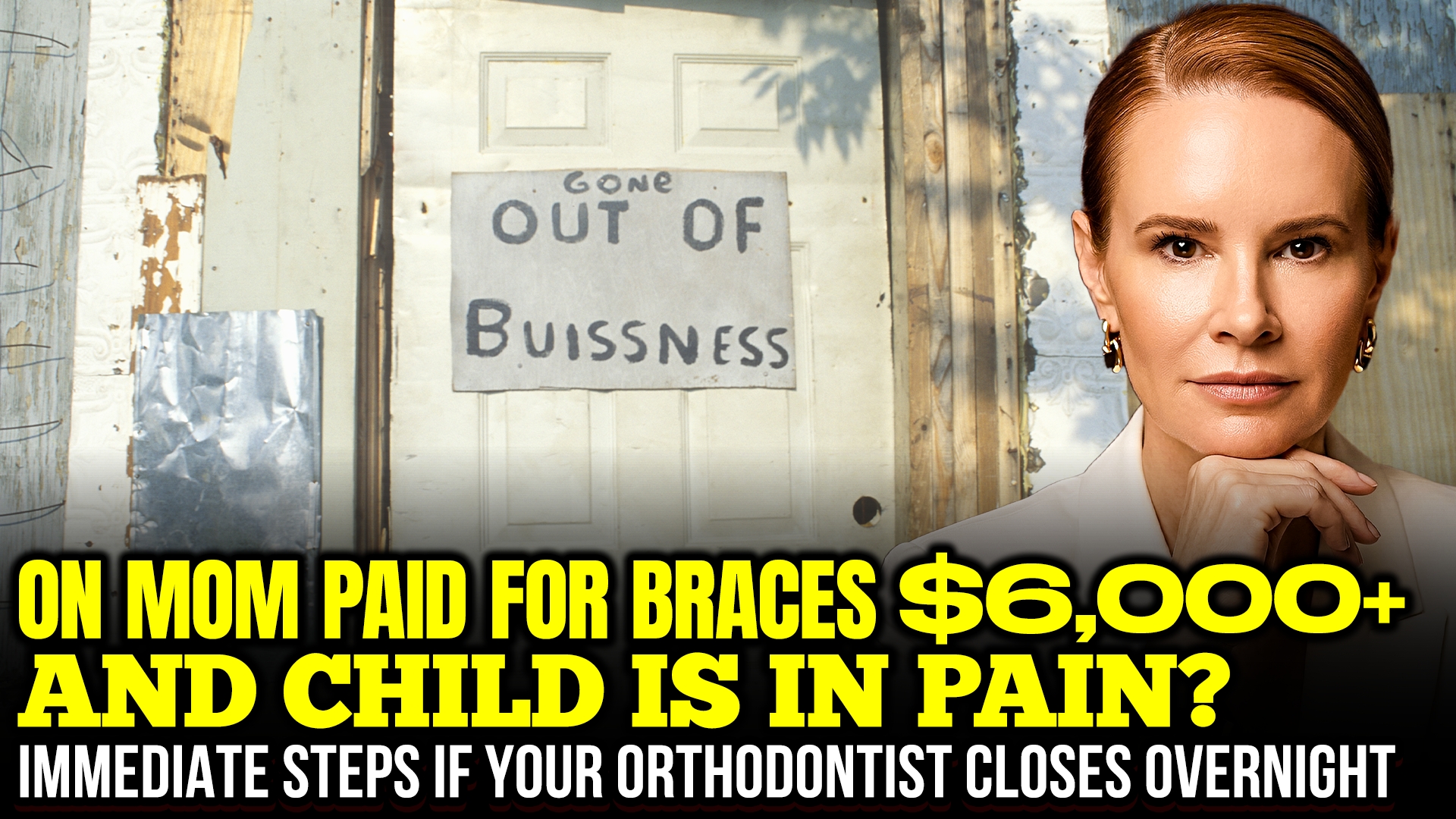
Discovering that your orthodontic clinic has suddenly gone out of business is incredibly stressful. Patients are often left with active appliances, like braces or expanders, and no immediate plan for finishing treatment. While navigating a sudden closure is challenging, taking swift action can help protect your smile and your finances.
Immediate Protection Against Patient Abandonment
Legally, dental providers are bound by strict regulations regarding patient abandonment. Even if an office goes bankrupt or shuts down, state regulations usually require the practice to remain accessible for emergency care for a specific period of time. Clinics are also required to send an official notification letter to all active patients.
Your top priority should be securing your complete dental and radiographic history immediately. Practice records can easily get misplaced or locked away indefinitely during legal asset liquidations. Having physical or digital copies of your diagnostic photos and treatment notes is vital for a smooth transition to a new provider.
Recovering Your Lost Financial Investment
If you paid for your treatment upfront, getting your money back can be difficult if the business files for bankruptcy. However, you still have a few options to pursue a prorated refund:
- Credit Card Chargebacks: Contact your financial institution immediately to dispute the charges for unrendered services.
- State Attorney General: File an official complaint with your state’s attorney general or local dental board to report the sudden closure.
- Proof of Claim: If the practice enters formal bankruptcy court proceedings, file a proof of claim as a creditor to potentially recoup some losses.
Transitioning Your Orthodontic Care on a Budget
Finishing your treatment with a new doctor will likely incur additional expenses, but you can find ways to manage the costs. Reach out to local dental schools, as their graduate orthodontic clinics often provide excellent care at a significantly reduced rate. Additionally, nearby private practices sometimes offer specific “rescue discounts” to assist families affected by local clinic closures.
Moving forward, consider protective payment options. Paying gradually as treatment progresses—rather than all upfront—minimizes your financial risk. Always review your treatment contract thoroughly before signing so you completely understand the practice’s cancellation policies.