
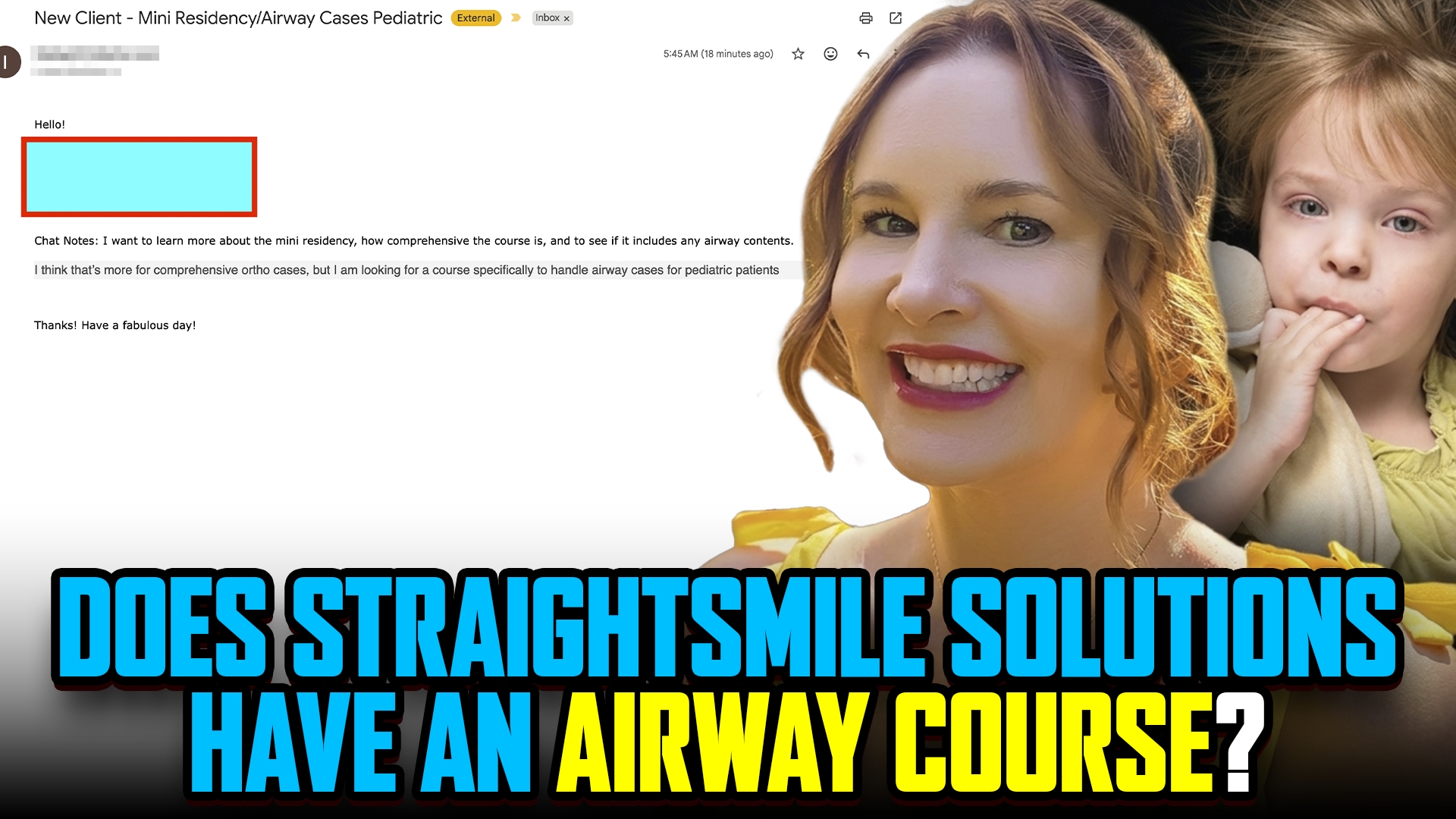
 Rethinking the Pediatric Airway Trend: Why General Dentists Should Focus on Phase 1 Orthodontics InsteadAirway health has become an incredibly popular topic among pediatric and general dentists. Many practitioners are eager to find a specialized, off-the-shelf pediatric airway course to implement in their practices. However, looking for a standardized airway curriculum might actually be the wrong approach for your dental practice.The Compliance Pitfalls of Airway CoursesThe truth is that a generic, official airway course does not truly exist within the standard of care. The American Association of Orthodontists (AAO) maintains a highly conservative stance on this matter. Their official white papers and guidelines explicitly emphasize that orthodontics is not a proven, definitive cure for pediatric airway issues.Because of this stance, marketing or practicing under a standardized airway curriculum presents massive compliance and legal challenges. Promoting a generic course can unintentionally expose your practice to unnecessary liability risks.Shifting Focus to Phase 1 Interceptive OrthodonticsInstead of chasing a standalone airway curriculum, dentists should shift their focus toward mastering Phase 1 Interceptive Orthodontics. By focusing entirely on pure orthodontic mechanics, staging, and jaw development, you can safely help your patients while remaining fully compliant with current dental association guidelines.When managing Phase 1 cases on a patient-by-patient basis, you naturally address the structural environment that influences breathing. Proper interceptive mechanics allow you to:Optimize overall jaw growth and facial developmentMaximize dental arch widthMinimize or eliminate harmful oral habitsImprove tongue posture and promote healthier nasal breathingThis structured mechanical approach optimizes a child’s physical growth environment while keeping your clinical documentation perfectly safe and defensible.Ethical Practice and Building Community TrustPrioritizing early growth management is not a quick strategy to maximize immediate profits. Instead, it represents an ethical commitment to early intervention for practitioners who want to do what is right for their patients.For decades, traditional orthodontic practices have frequently gatekept information, often telling parents to wait until a child is older to begin treatment. Unfortunately, this waiting period can cause children to miss critical early growth windows. By actively screening young patients and applying Phase 1 interceptive mechanics early, primary care dentists can correct foundational structural issues before they worsen. Over time, this dedication to early intervention helps build immense long-term trust within your entire community.Disclaimer: This blog post is for general informational purposes only and does not constitute professional medical or dental advice. Always consult with a licensed orthodontist or a specialized dental sleep medicine group for diagnostic protocols.