
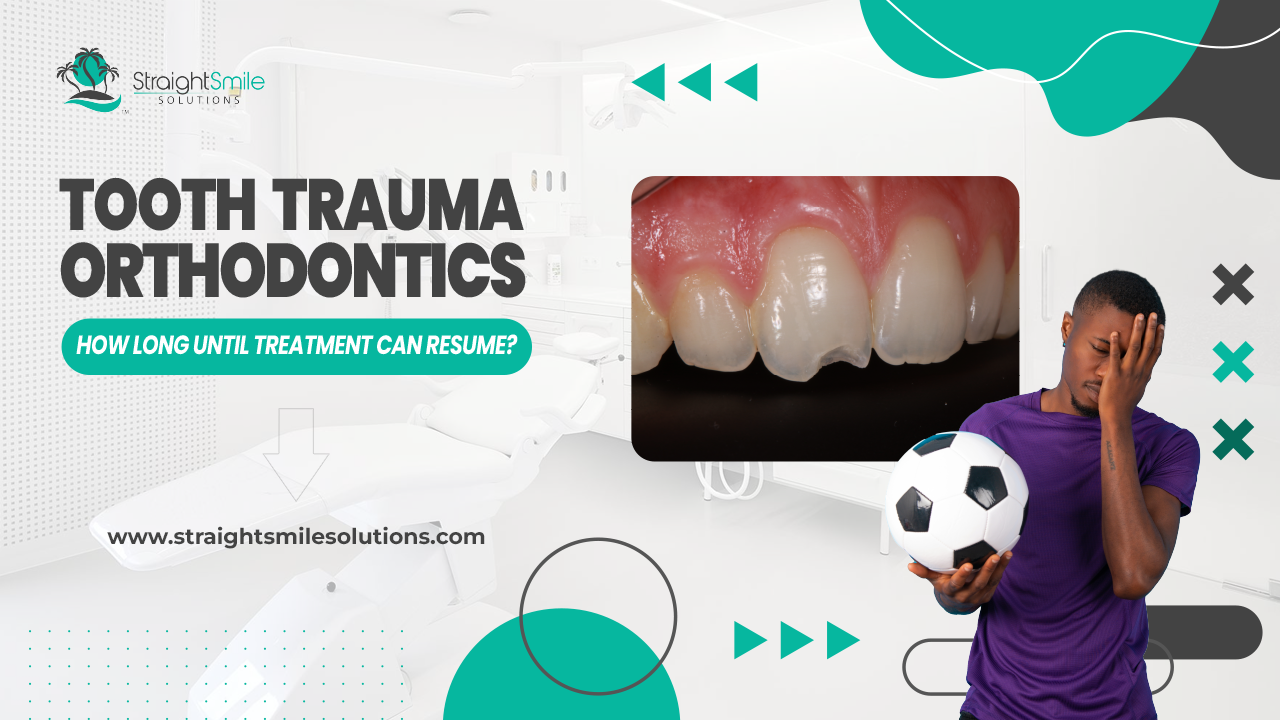
Managing Traumatized Teeth in Orthodontics Cases
Tooth trauma can be incredibly common – however, this can potentially complicate your approach to orthodontics treatment planning. In line with this thought, we’ve outlined some of the key things you should know about tackling these cases.
How Long After Trauma to Commence or Resume the Orthodontics Treatment Plan?
If your patient has experienced tooth trauma, you will need to stop or delay orthodontics work to ensure that the treatment plan is tailored to your patient’s needs. However, it’s not necessarily clear how long you should wait, and this can be on a patient by patient basis. As such, it’s often best to defer to their primary care dentist, endodontists, and dental radiologists for professional advice.
You should always get professional advice before tackling orthodontics in a patient with tooth trauma. However, if you see an obvious issue, such as mobility complications a lesion, it’s best to avoid these cases.
Before taking on any tooth trauma cases, always get an informed consent form signed. A section on traumatized teeth is usually included in Invisalign and standard braces informed consent forms.
What to do Post-Trauma
After a patient has experienced tooth trauma, you will want to take an x-ray to look for any signs of fractures, and the tooth will likely want to be taken out of occlusion. If the tooth has mobility, you may also want to splint it (or use a heavy wire in braces). Furthermore, if you are using Invisalign or a similar clear aligner company, you could lock the tooth by blocking it to move just the teeth around it.
Always take an x-ray before and during the treatment plan. X-rays should ideally be taken at two-monthly intervals (at least) to highlight any changes.