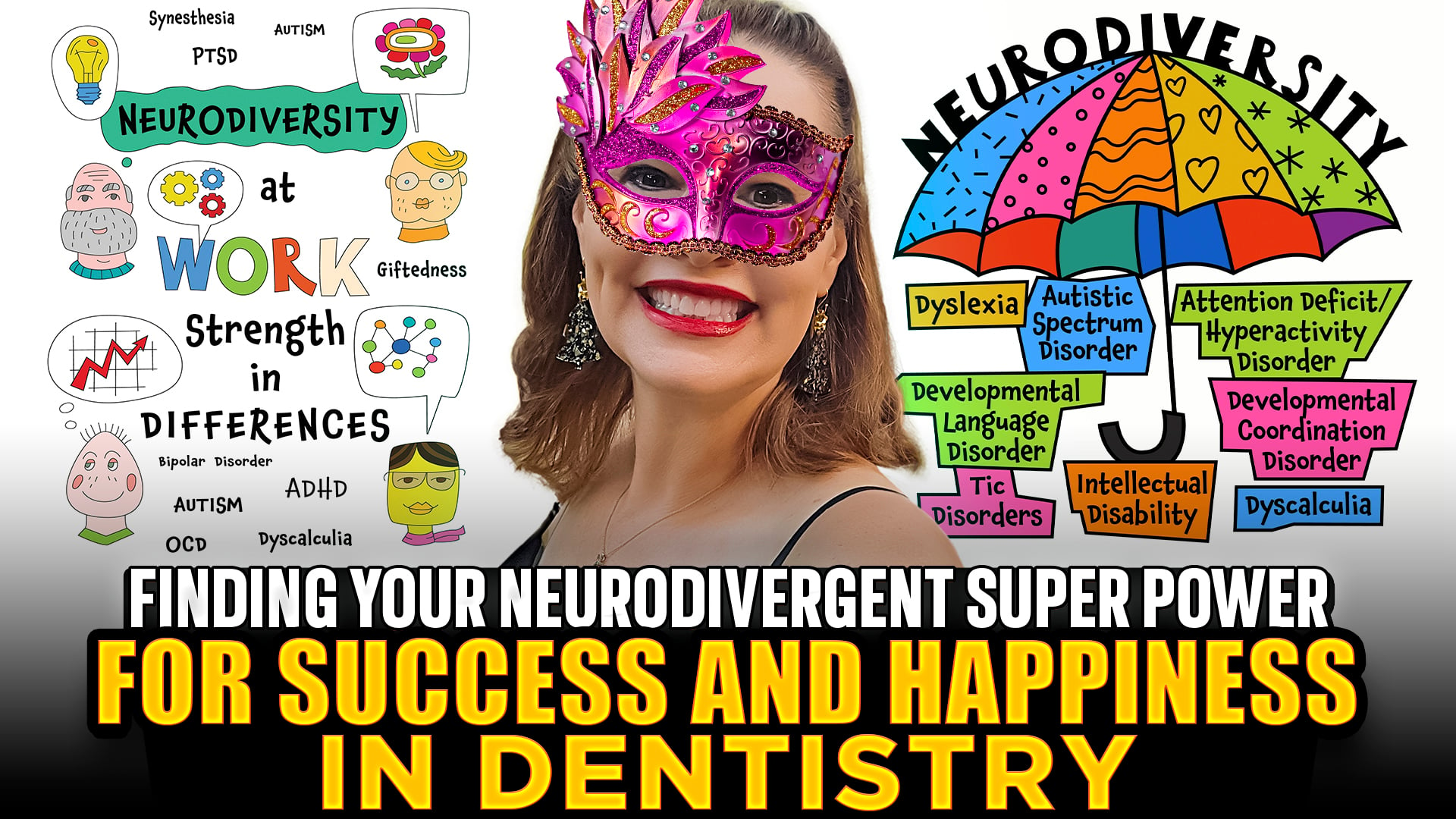
Making Orthodontics More Accessible for Neurodivergent Patients
In recent years, there has been a growing awareness around neurodivergence—an umbrella term encompassing conditions such as autism spectrum disorder (ASD), attention deficit hyperactivity disorder (ADHD), sensory processing challenges, and other developmental or cognitive differences. As orthodontic professionals, embracing neurodiversity isn’t just good practice; it’s essential for creating a truly inclusive environment for all patients.
The Value of Inclusion in Orthodontics
Neurodivergent patients deserve the same high standard of orthodontic care as anyone else. When we welcome these patients into our practices with understanding, flexibility, and proactive planning, we create not only successful treatment outcomes but also long-term trust with families and communities.
Too often, myths persist, suggesting that neurodivergent individuals can’t tolerate orthodontics or that only traditional braces are suitable for special needs. The reality is quite the opposite. With a patient-centered, adaptive approach, clear aligners, phased treatment, and sensory-aware scheduling, many neurodivergent patients thrive during orthodontic care.
Best Practices for Supporting Neurodivergent Patients
Here are a few practical strategies that can make a real difference in treatment outcomes and patient satisfaction:
- Pre-Visit Preparation: Provide visual aids, introductory videos, or office tours before the first visit to reduce anxiety and improve familiarity.
- Sensory-Smart Scheduling: Book appointments during quieter times, such as early mornings, and keep visits consistent with the same team members whenever possible.
- Comfort-Centered Tools: Dim lights, reduce noise, and allow comfort items like fidget toys or stuffed animals during treatment. Digital scanners can help avoid triggering gag reflexes.
- Flexible Treatment Planning: Consider starting with passive aligners or short sessions to build tolerance gradually. Customizing aligner plans or breaking up longer procedures can foster a sense of control and comfort.
- Collaborative Communication: Actively involve caregivers. Understanding the patient’s communication style, routines, and triggers can guide smoother appointments and at-home care.
These accommodations are not burdens—they’re opportunities to connect and serve with empathy. Neurodivergent patients often become some of the most loyal and appreciative members of your patient community.
Building a Practice that Stands Out
Orthodontic offices that train their staff and invest in making treatment more accessible aren’t just being compassionate, they’re also future-proofing their practices. In a world increasingly focused on inclusivity, offering neurodivergence-informed care is a powerful differentiator.
We specialize in helping pediatric dentists, general dentists, and new orthodontic graduates launch and scale successful orthodontic programs, including those focused on neurodivergent care. If you’re ready to build a practice that’s not just effective but inclusive, schedule a consultation with our team today.