
Interceptive Orthodontics Under Scrutiny: Time for a Pediatric Dentistry Revolution
Introduction
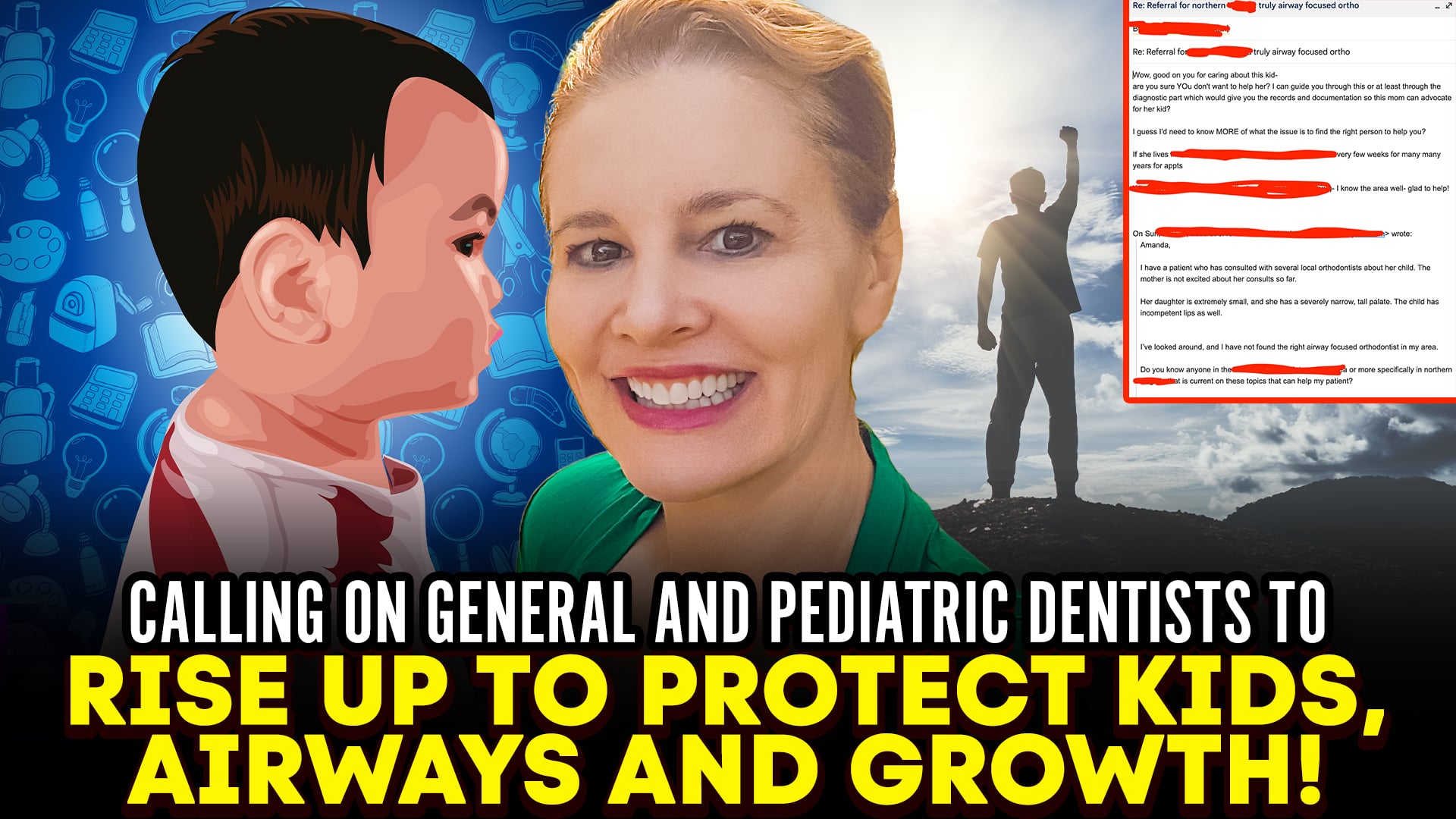
Dr. Amanda highlights a growing shift in public awareness around early orthodontic care. Parents across the U.S., Canada, and beyond are increasingly questioning delayed treatment models that postpone intervention until “Phase Two,” despite clear functional concerns such as breathing and sleep issues. While airway-focused orthodontics continues to evolve, she emphasizes a cautious, orthodontics-first approach grounded in evidence, experience, and patient safety.
Rising Consumer Awareness
- Parents are pushing back against delayed orthodontic care
- Increased attention to breathing, sleep, and functional concerns
- Media and emerging research are connecting orthodontics with systemic health
Orthodontics First, Airway Second
- Treatment is based on identifiable orthodontic problems
- Potential airway improvements are a secondary benefit—not a promise
- Ethical care avoids overclaiming outcomes not yet fully supported by data
Appropriate Timing for Treatment
- Preferred start: once first permanent molars erupt (around age 6+)
- Aligns with established systems like Invisalign First
- Lower clinical risk and clearer orthodontic indications
Very Young Children (Ages 2–5)
-
- Orthodontic treatment is generally not appropriate
- Focus instead on low-risk strategies:
- Breathing exercises
- Sleep positioning
- Habit awareness
- High liability and cooperation challenges with active appliances
Provider Gap in Early Orthodontic Care
-
- More pediatric dentists than orthodontists offering interceptive solutions
- Limited formal training in residency programs
- Knowledge often acquired independently, not systematically taught
Education, Transparency, and Resistance
- Resistance within the orthodontic community to open knowledge sharing
- Dr. Amanda advocates research-based, experience-driven education
- Emphasis on protecting facial development and long-term outcomes
Conclusion
Interceptive orthodontics is under increasing scrutiny and for good reason. Dr. Amanda calls for a thoughtful shift toward earlier, evidence-based intervention that prioritizes orthodontic necessity while acknowledging broader health benefits. As parents demand better answers, the future lies in ethical timing, proper training, and collaboration, particularly between pediatric dentists and orthodontists who are willing to evolve with the data.