
I. Introduction: Why Impacted Canines Matter
- Impacted canine cases are complex, multi-year treatments
- Proper management requires detailed imaging, planning, and frequent follow-up
- Though we don’t offer virtual consulting for these cases, this guide is meant to empower providers globally
II. Why Straight Smile Solutions Does Not Consult on Impacted Canines
- Complexity and liability make virtual consulting unsafe and impractical
- These cases require ongoing supervision and frequent in-person evaluations
- Still, many doctors globally lack access to this info — hence the educational content
III. First Step: Diagnostic Imaging
A. Get a CBCT (Cone Beam CT)
- Mandatory for patients over 18
- Helps identify ankylosis, root resorption, and exact 3D positioning
- Allows safe treatment planning and protects against malpractice
B. Don’t DIY the Radiology
- Have a licensed oral radiologist or beam reader review and report on the scan
- Orthodontists are not trained to fully interpret CBCTs
- Look for signs of partial or full ankylosis, and adjacent tooth resorption
C. No CBCT? Go Old School
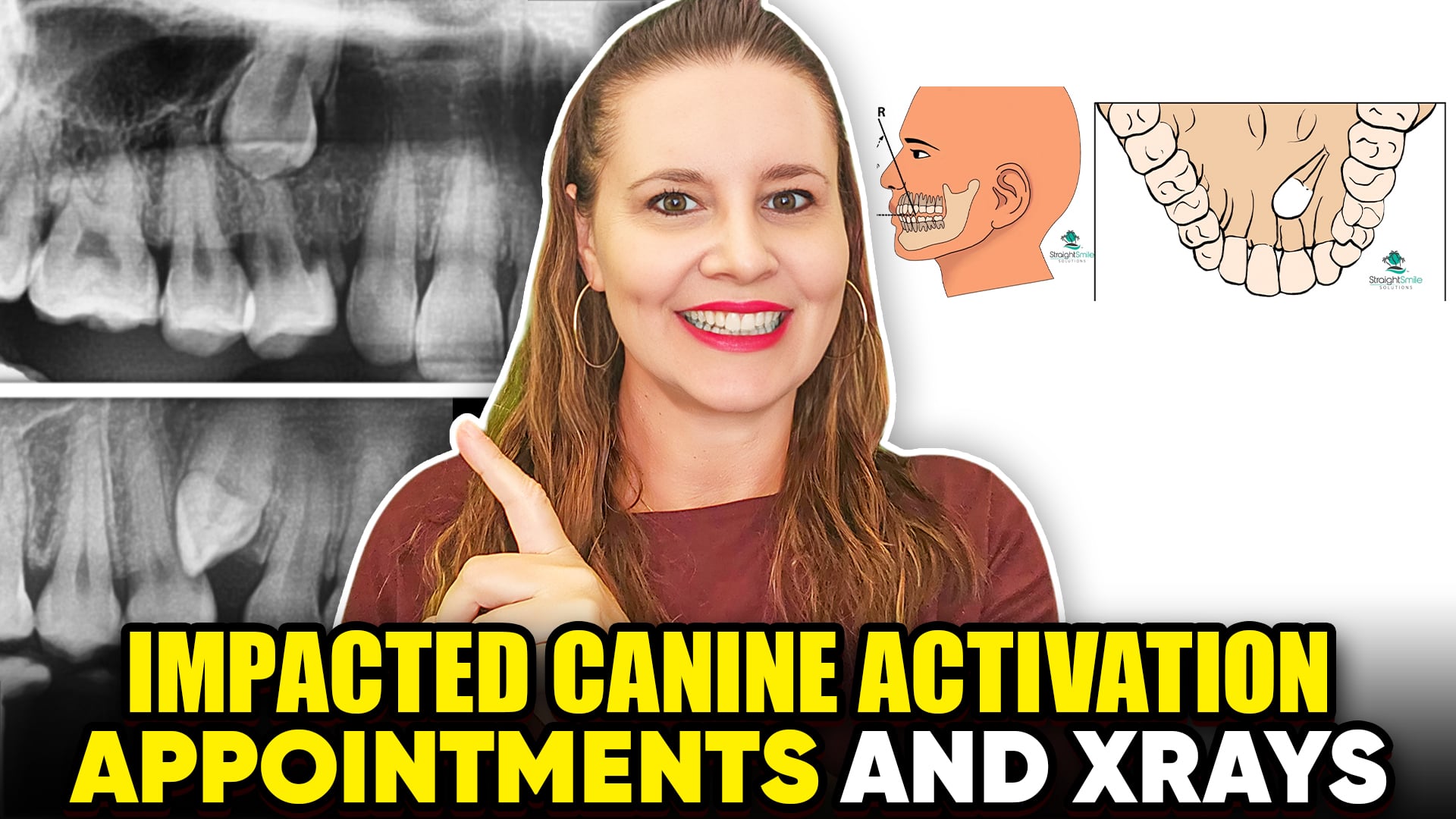
- Use multiple PAs with a shift, plus occlusal X-rays
- Less accurate, but still gives some insight when CBCT is unavailable
IV. Key Case Selection Criteria
- Do NOT take the case if:
- There is ankylosis
- Significant root resorption on adjacent teeth
- The patient cannot commit to multi-year treatment and cost
- Primary care dentists: refer out when in doubt
- Orthodontists: sometimes no choice, but caution is advised
V. Financial & Ethical Considerations
- Impacted canine cases are expensive and time-consuming
- Treatment often costs $12,000–$20,000, yet insurance rarely covers the full cost
- Be upfront with patients about the financial and time commitments
VI. Treatment Preparation and Planning
A. Sequence of Treatment
- Straighten adjacent teeth first (without disturbing the impacted canine)
- Confirm no collision risk using 3D imaging
- Monitor closely with regular X-rays — not just one-time CBCT
B. Anchorage Planning
- Use TPA or other anchorage devices to prevent unwanted tooth movement
- “For every action, there is an equal and opposite reaction” — plan accordingly
VII. Surgical Coordination
- Patients MUST identify a surgeon and understand costs before treatment begins
- Exposure surgery may cost thousands, especially with IV sedation
- Surgeons must be looped in during planning stages
VIII. Treatment Timeline and Compliance
- Patients must follow the treatment timeline — delays can derail results
- If surgery is postponed:
- Remove appliances
- Pause treatment
- Restart with new contract and fees later
IX. Risk Management and Documentation
- Always outline risks:
- Ankylosis during treatment
- Failed eruption
- Implant/bone graft need if tooth fails to move
- Document everything and create clear policies
- Be prepared for legal/insurance challenges even if everything is done right
X. Final Thoughts
- Impacted canines are not beginner-friendly cases
- They require skill, patience, and extensive diagnostics
- When handled correctly, these cases can be rewarding — but choose wisely
🦷 For more content, check out the “Impacted Canine” playlist on our YouTube channel.
📧 Questions? Reach out through our contact at StraightSmile Solutions