
I. Introduction
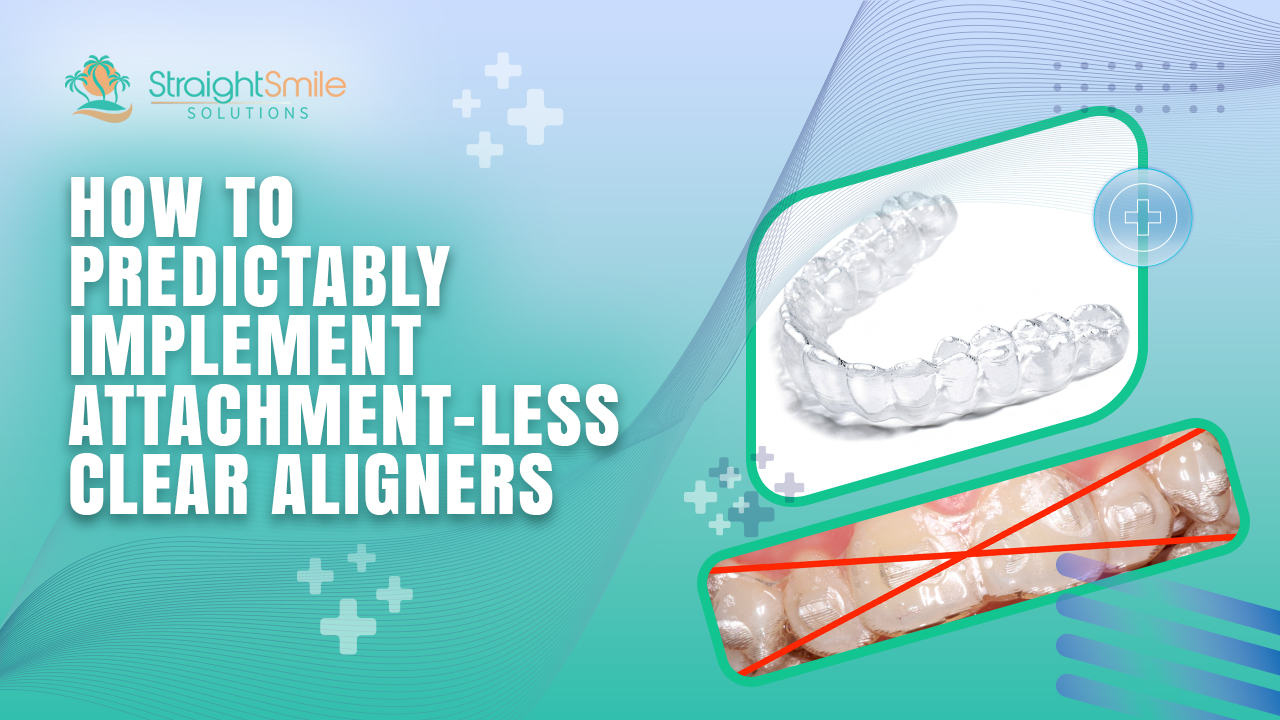
Dr. Amanda from StraightSmile Solutions shares valuable insights on dental procedures and solutions. She dives into an overlooked topic – the challenges and considerations when using attachment-less clear aligners. Dr. Amanda emphasizes the importance of caution, providing tips and tricks for those considering this approach. She shares her preference for ClearCorrect, highlighting its unique features. Dr. Amanda delves into case selection, cautioning against unpredictable outcomes, and stresses the significance of a strong, informed consent process. This informative guide is a must-read for dental professionals navigating the nuances of attachment-less clear aligners. For more content, visit her website.
II. Material and Platform Selection
A. Clear Correct chosen over Invisalign
B. Reasons for Clear Correct preference
1. Material stiffness and predictability
2. Ease of submission and dashboard usability
III. Preparation and Caution
A. Insurance and Dental Board differences
B. Caution with insurance patients due to unpredictability
C. Suggestion: Consult liability insurance for risk management advice
IV. Case Approach
A. Only comprehensive or unlimited cases; no light, express, or moderate cases
B. No reliance on flex, three, two, or one case; all treated as full cases
C. Quadruple the aligner quantity to ensure gradual movement without attachments
D. Highlighting teeth movements that may not predictably track
V. Case Selection
A. Choose easy cases; avoid cases with the potential for worsening conditions
B. Consider patient outcomes: Would incomplete movement leave them worse off?
C. Utilize experience and clinical judgment in selecting suitable cases
VI. Informed Consent
A. Customized informed consent addressing attachment options and potential outcomes
B. Patient shown perfect scenario with attachments, given an option to convert within a timeframe
C. Patient consent to use of chewies and agreement to remote monitoring
VII. Remote Monitoring
A. Mandatory use of chewies for optimal tracking
B. Requirement for remote monitoring for accountability and progress tracking
C. Emphasize the importance of not progressing to the next aligner until tracking is achieved
VIII. Accountability Measures
A. Informed consent emphasizes patient responsibility and cooperation
B. Remote virtual monitoring as an additional layer of accountability
C. Clear instructions on aligner progression and wearing durations
IX. Potential Issues and Refunds
A. Acknowledgment that despite precautions, patient complaints may arise
B. Possibility of refund in case of unresolved issues; understanding the occasional need for refunds
C. Preparing for potential complaints to dental boards or insurance companies
X. Conclusion
Dr. Amanda provides valuable insights and practical tips on utilizing clear aligners, specifically ClearCorrect, for attachment-less cases. Emphasizing the importance of case selection, she advises against using light or express cases and recommends quadrupling the number of aligners for a comprehensive approach. Dr. Amanda underscores the need for customized informed consent, addressing potential challenges and offering patients the option to transition to traditional treatment with attachments if necessary. Stressing the importance of remote monitoring and diligent use of chewies, she provides a thorough guide for orthodontists venturing into attachment-L clear aligner cases while also cautioning about potential challenges and the possibility of refunds in certain situations.