
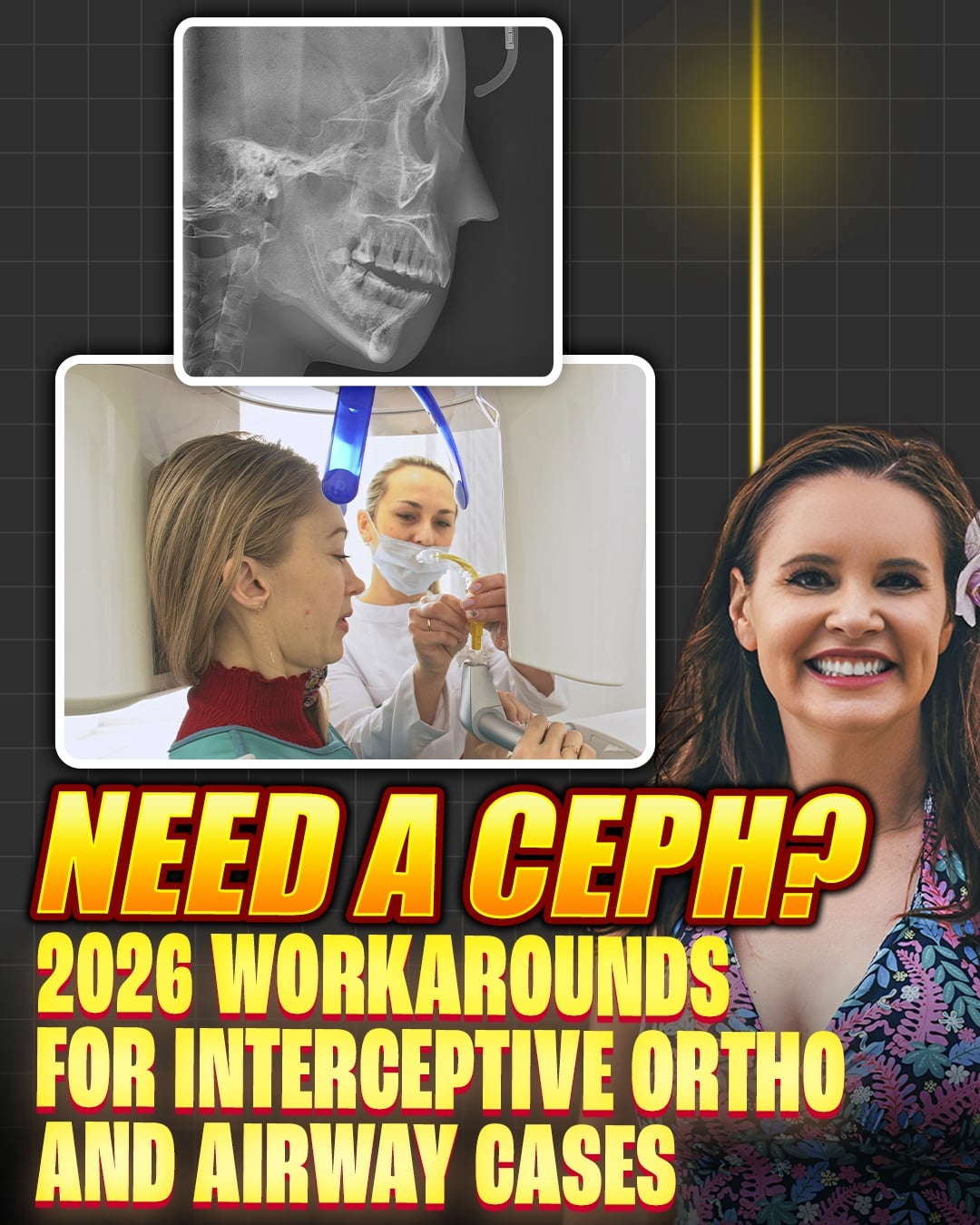
 How to Do Interceptive Orthodontics Without a Ceph Machine?
Are you a pediatric or general dentist who wants to offer Phase 1 interceptive orthodontics, but you feel stuck because you do not own a cephalometric (Ceph) machine?Purchasing a Ceph machine or a large Field of View (FOV) CBCT is a massive financial investment. For many doctors, this upfront cost acts as a barrier to entry. The good news is that you do not need to buy expensive new equipment to provide excellent orthodontic care. By utilizing smart, modern workarounds, you can easily get the diagnostic records you need while keeping your overhead low.Here is how you can successfully navigate interceptive orthodontics using outsourced imaging workflows.Top 3 Diagnostic WorkaroundsIf your clinic lacks a Ceph machine, you can utilize three highly effective alternatives to capture the necessary skeletal data:1. Independent Dental Imaging CentersIn many urban and suburban areas, you can find dedicated dental imaging centers or mobile dental imaging vans. These businesses specialize exclusively in taking high-quality cone beams, Cephs, and digital scans. You simply give your patient a prescription slip, send them to the center, and the center sends the digital files back to you. The patient pays a reasonable flat fee directly to the imaging center, removing the equipment burden from your practice entirely.2. Strategic Specialist CollaborationsLook around your local community for specialists who already own a Ceph or a large FOV CBCT. Oral surgeons and periodontists are excellent partners because they do not compete with you for primary pediatric or orthodontic patients, eliminating any risk of “patient poaching.”You can establish a professional relationship where you utilize their equipment. To make it a win-win, offer to compensate their staff for their time if you send patients during off-hours, ensuring everything is handled legally and fairly.3. Maximize a Small FOV CBCTIf you already own a small FOV CBCT machine in your office, do not count it out. While a small FOV cannot capture a full orthodontic head film in a single shot, modern imaging software allows you to stitch multiple smaller scans together. You can also use it to perform precise sectional airway analyses, giving you critical diagnostic data without requiring a brand-new machine.Managing the Logistics and LegalitiesTo ensure your outsourced diagnostic workflow runs smoothly, you must plan your legal, billing, and technical systems ahead of time.The Necessity of OMFR Radiologist ReadsEvery single time you take a CBCT scan or outsource one, you must send the file to a remote Oral and Maxillofacial Radiologist (OMFR) for an official interpretation. Expect to pay a standard fee between $75 and $150 per read. This is not optional; it is a critical step that protects both you and the partner practice legally. Furthermore, you must ensure strict compliance with anti-kickback laws, meaning you cannot exchange financial incentives or finder’s fees for patient referrals.Setting Up Your Billing WorkflowThe cleanest way to handle finances is through a direct doctor-to-doctor monthly invoicing system. The partner specialist or imaging center should bill your office directly for the scans. You then bundle this cost into your total patient diagnostic fee. This keeping-it-in-house approach keeps your billing clean, looks professional to the patient, and protects your practice during financial audits.Handling Large File TransfersCBCT scans generate massive DICOM files that are far too large to send via standard email. You will need to use secure, HIPAA-compliant healthcare transfer tools such as Ambra, Dropbox, or Biopath. Additionally, ensure your office computers are equipped with proper viewing software—like Romexis, Blue Sky Plan, or Anatomage Vivo—so you can properly open, view, and evaluate the files once they arrive.Grow Your Practice TodayDo not let a lack of heavy machinery hold your practice back from offering high-value interceptive orthodontics. By outsourcing your imaging, you can start helping patients immediately. Once your Phase 1 workflow is running smoothly, the internal revenue you generate will easily fund your own in-office technology upgrades down the road.Create a standard clinical imaging prescription form, reach out to local specialists, and expand your clinical options today!