
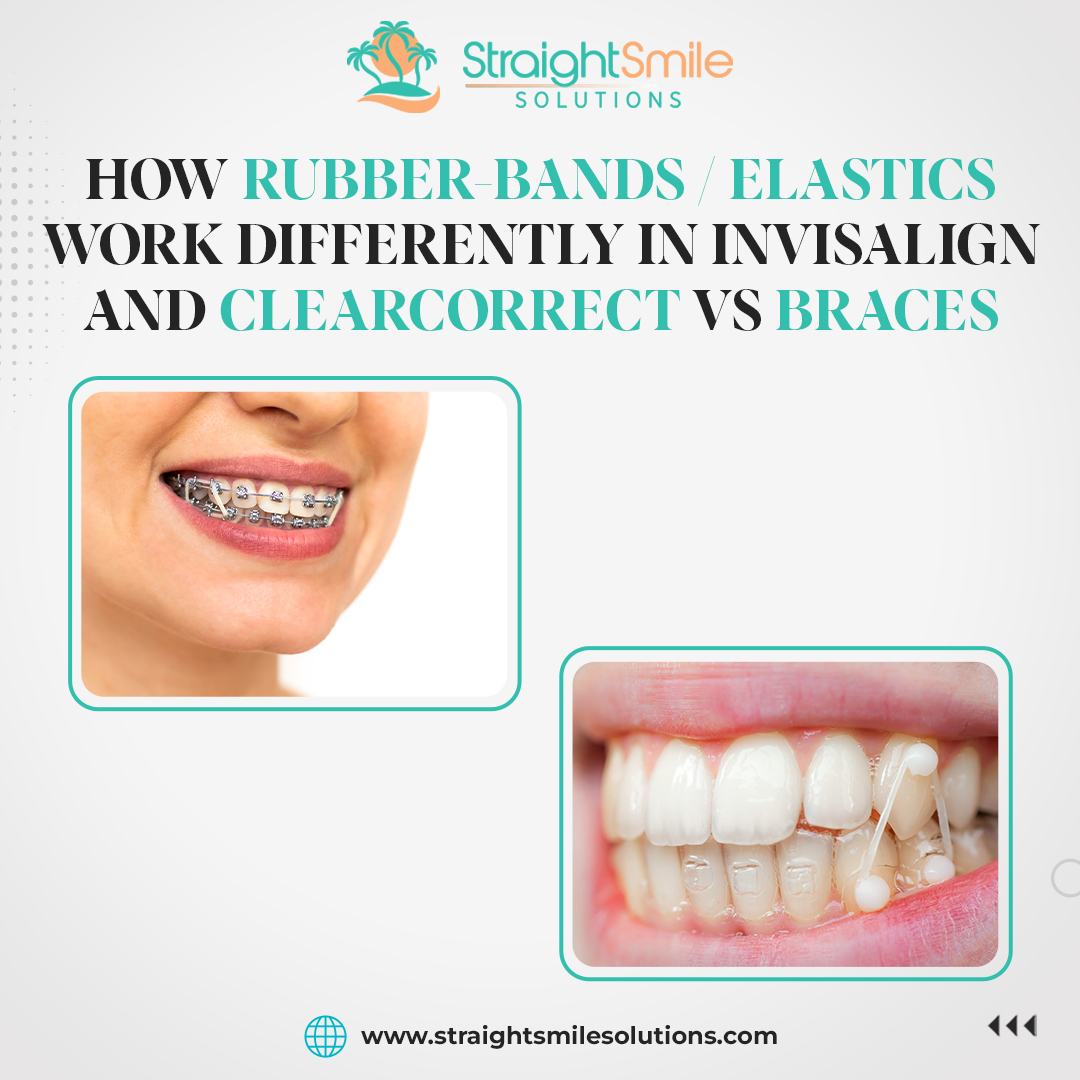
How Elastics Work Differently in Invisalign and ClearCorrect vs Braces
I. Introduction
In this insightful discussion led by Dr. Amanda of StraightSmile Solutions, we delve into the intricacies of biomechanics in orthodontics, specifically comparing the use of elastics in traditional braces versus clear aligners like Invisalign. Dr. Amanda emphasizes the importance of foundational knowledge in Phase One orthodontics, highlighting the pitfalls of disregarding this essential step. With over 15 years of training experience, she sheds light on the nuances of elastic application, cautioning against common mistakes and providing valuable insights for achieving optimal outcomes in braces and aligners.
II. The Fundamental Role of Phase One Appliances
A. Personal experience and training background
1. 15+ years of training doctors
2. Distinction between doctors trained in braces and those starting with clear aligners
B. Importance of mastering braces and Phase One appliances
1. Essential for effective Invisalign, clearcorrect, or clear aligner treatment
III. Biomechanics of Elastics in Braces
A. Overview of the Straight wire approach
1. Align and level first with light nighttime wires
2. No space closure in light nighttime wires
B. Introduction of elastics in braces
1. Timing: Class two and class three elastics in the second half of treatment
2. Addressing deep bites and high canines with posterior box elastics
3. Impact on occlusal planes and space closure
4. Caution with impacted molars
IV. Application of Biomechanics to Aligners
A. Aligners vs. Braces biomechanics
1. Highlighting the differences
2. Emphasis on the need for a solid foundation in braces
B. Common Mistakes with Aligners
1. Incorrect use of elastics
a. Overuse and its negative impact on outcomes
b. Case-specific considerations for elastics in aligners
2. Importance of control in aligners
a. The advantage of control over anchorage in aligners
b. Utilizing buttons instead of hooking elastics onto plastic
V. Aligners in Complex Cases
A. Addressing complex cases with aligners
1. Demonstrating sequential distillation for major tooth movement
2. Leveraging control in aligners for effective anchorage
B. Understanding case specifics
1. Analyzing sagittal slices for class two and class three cases
2. Strategic use of elastics based on tooth inclinations
VI. Importance of Comprehensive Knowledge
A. High-level understanding of aligner success
1. Emphasizing the need for in-depth knowledge
2. Aligner success linked to fundamental orthodontic concepts
B. The role of technology
1. The necessity of a cephalometric machine or CBCT for sagittal slices
2. Integrating technology into treatment planning for aligner cases
VII. Conclusion
Dr. Amanda emphasizes the critical importance of understanding the biomechanics of braces and clear aligners, debunking the notion that mastering clear aligners can be achieved without a solid foundation in traditional orthodontics. Drawing on over 15 years of experience, she underscores the necessity of Phase One Braces training before delving into aligners. Dr. Amanda provides insights into the judicious use of elastics in braces, cautioning against their premature application in aligner cases. Her high-level discourse stresses the need for a comprehensive understanding of orthodontic principles and the essential role of diagnostic tools like CBCT for successful