
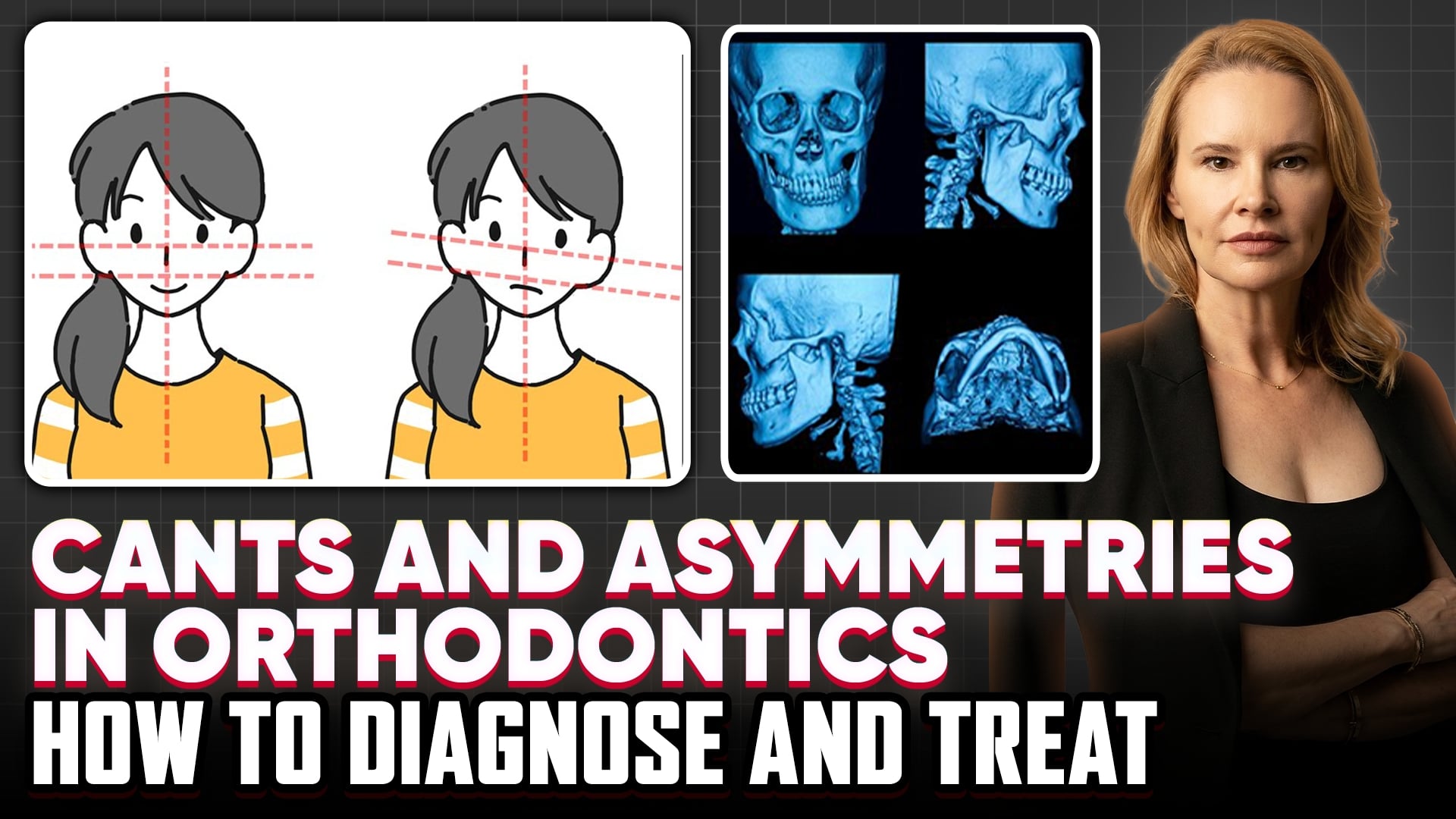
 Embracing Uniqueness: How to Discuss Facial Asymmetries in Orthodontics
In the world of orthodontics, no two faces are exactly alike. As practitioners, one of the most delicate challenges we face isn’t just bending wires—it is navigating sensitive conversations about facial asymmetries and dental cants with our patients.Why Early Communication MattersIt is a common mistake to stay silent about a minor asymmetry, hoping the patient won’t notice. However, avoiding the topic can lead to misunderstandings later in treatment. You should never assume a patient is unaware of their unique facial structure. Addressing these traits openly during the initial consultation builds trust and sets realistic expectations from day one.Changing the Narrative with Gentle LanguageWhen pointing out a cant or asymmetry, the language we choose is incredibly important. Instead of using clinical words that might sound alarming or negative, we can use simple, everyday analogies to normalize these differences.Comparing facial variations to the natural differences in our fingers or toes is an excellent approach, especially when speaking with younger patients. It helps them understand that variation is a normal part of human anatomy. By reframing the conversation, we can help patients see these traits not as flaws, but as a unique fingerprint that makes them who they are.Managing Expectations SafelyEvery successful orthodontic journey relies on clear communication. During the diagnosis phase, it is vital to explain exactly what treatment can and cannot fix.Growth Factors: Explain how natural growth might impact the asymmetry over time.Treatment Limits: Clearly outline which elements can be corrected with braces alone and which might require surgical intervention.Documentation: Always document these detailed conversations in the patient’s chart.Thorough documentation is not just about keeping good clinical records. It protects your practice legally and financially, ensuring everyone remains on the same page throughout the treatment process. By balancing clinical honesty with empathy, we can guide our patients toward beautiful, healthy smiles while celebrating their individuality.