Introduction
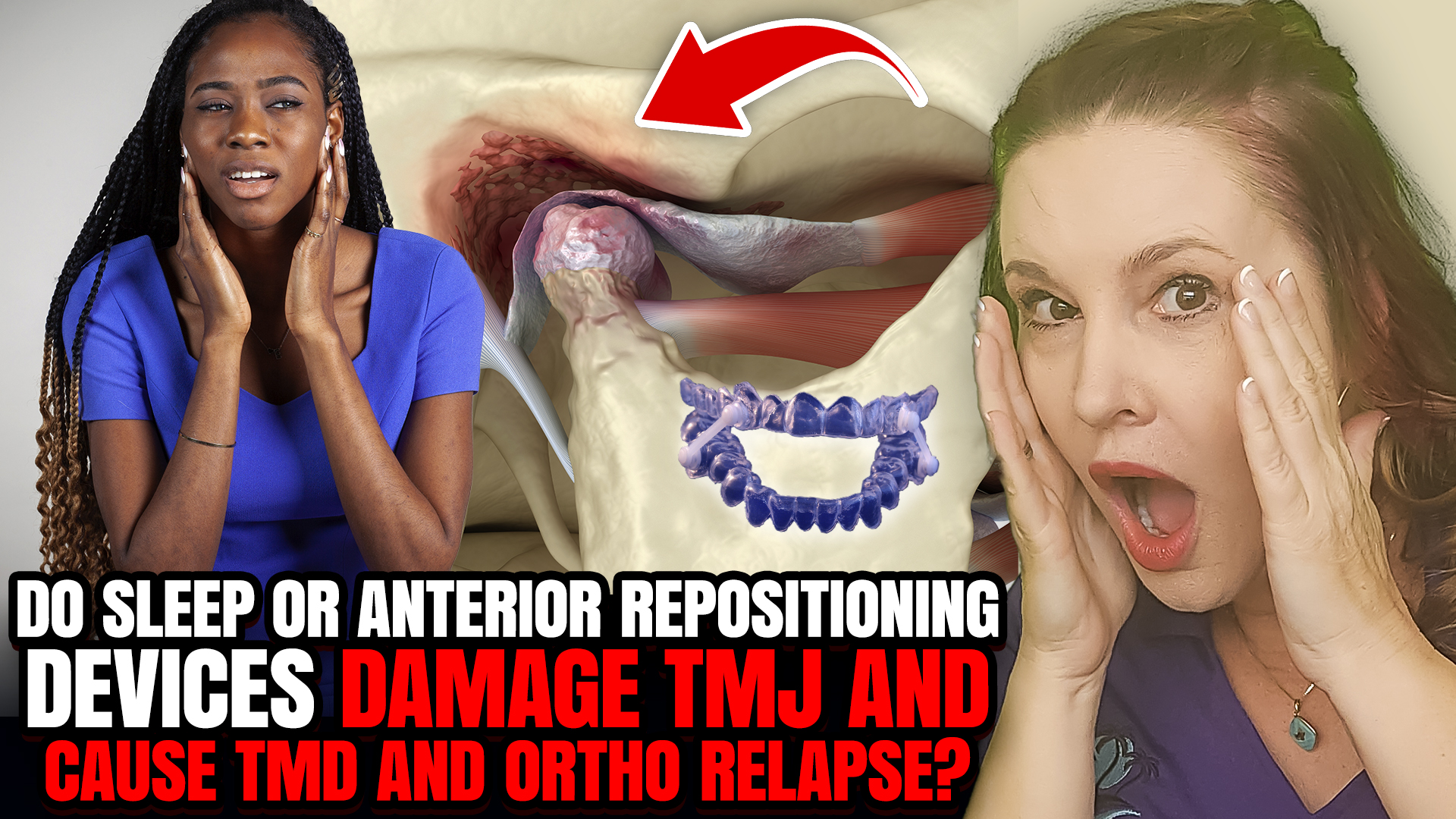
Dr. Amanda addresses a growing clinical trend she is seeing more frequently: patients presenting with unexplained bite shifts, orthodontic relapse, and TMJ symptoms linked to sleep appliances and anterior repositioning splints. Many of these devices are prescribed without clear communication about their potential joint, bite, and long-term risks, raising both clinical and liability concerns.
Key Clinical Concerns with Sleep Appliances and ARS
- Mandibular Advancement Devices (MADs)
- Commonly prescribed for sleep apnea
- Can cause jaw soreness, joint tenderness, and TMD
- Apply prolonged forward positioning forces on the mandible
- Stretch TMJ ligaments, which are not visible on CBCT (MRI required)
- FDA alerts have noted long-term joint and bite complications with some jaw remodeling devices
- Anterior Repositioning Splints (ARS)
- Designed to temporarily recapture the TMJ disc
- May reduce clicking and pain short term
- Use beyond ~6 weeks can contribute to permanent joint damage
- Joint inflammation or ligament injury may go undetected on standard imaging
- Orthodontic Bite Changes
- Posterior open bites are the most common complication
- Anterior-only contacts and occlusal instability
- Dental tipping, spacing, and relapse that may not be fully correctable
- Continuous force application causes bite “drift,” even in adults
- Patient Education and Liability
- Patients are often warned about bite changes but not joint damage
- Long-term pain, dysfunction, or surgical needs may develop
- Inadequate informed consent increases future legal risk
- Why Dr. Amanda Avoids This Space
- These devices do not address underlying skeletal problems
- Interceptive orthodontics in children is safer and preventive
- Early jaw development reduces future sleep-related complications
Conclusion
Sleep appliances and anterior repositioning splints are not benign. While they may be necessary in select cases, they carry real risks to the TMJ and occlusion, especially when prescribed without full disclosure. Dr. Amanda emphasizes the importance of caution, thorough documentation, and patient education while advocating for early interceptive orthodontics as the safest long-term solution.