
 Treatment Planning Mechanics for Bi Max Protrusive Cases in Braces and Invisalign
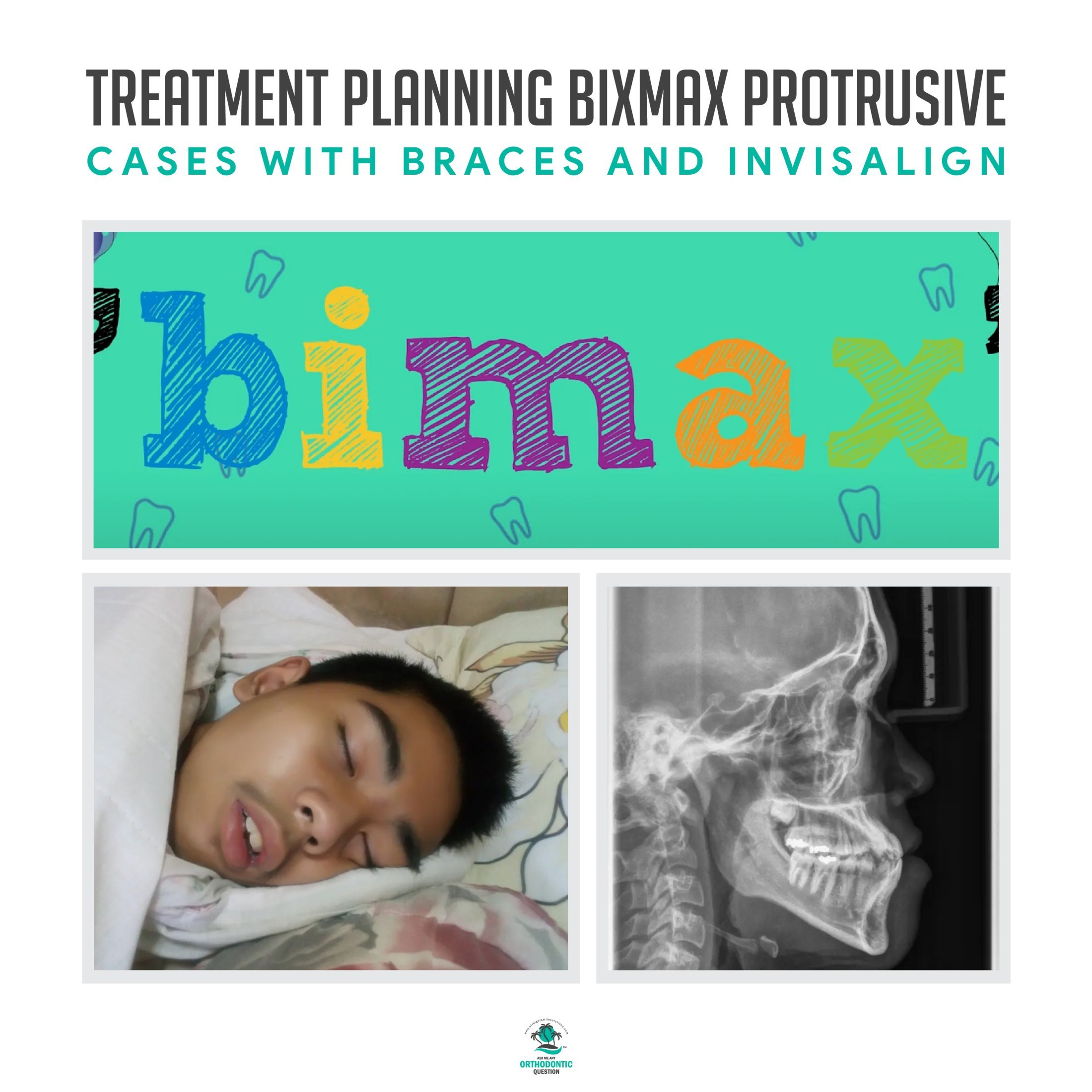
Careful treatment planning is essential to achieve optimal results in orthodontic treatment for patients with a bimaxillary protrusion. Bimaxillary protrusion refers to the condition where both the upper and lower jaws are positioned forward, causing a prominent appearance of the lips and an increased overjet. This article will discuss the treatment planning mechanics for bimaxillary protrusive cases using traditional braces and Invisalign.
Understanding Bimaxillary Protrusion
The Bimaxillary protrusion can have various causes, including skeletal discrepancies, dental factors, and soft tissue imbalances. Conducting a thorough diagnosis and analysis is crucial to determine the underlying factors contributing to the protrusion.
Traditional Braces for Bimaxillary Protrusion
Archwire Selection
In cases of bimaxillary protrusion, it is common to begin treatment with a rectangular stainless steel archwire. This wire provides better control and allows for torque expression, which is crucial for correcting the protrusive position of the anterior teeth.
Anchorage Control
Anchorage management is vital in bimaxillary protrusion cases, as there is a risk of proclaiming the posterior teeth further during retraction of the anterior teeth. Various techniques can be employed to reinforce anchorage, such as temporary anchorage devices (TADs), intermaxillary elastics, or headgear.
Anterior Teeth Retraction
Mechanisms like sliding mechanics or mini-implants can be used to address the excess protrusion of the anterior teeth. Sliding mechanics involve friction between the brackets and the archwire to retract the anterior teeth gradually. Mini-implants, also known as temporary skeletal anchorage devices, provide stable anchorage for controlled retraction.
Conclusion
The treatment plan for maxillary protrusive cases depends on whether the patient is a child or an adult. In children, the assessment includes lip competency, profile satisfaction, and potential airway problems. If the child is lip incompetent and requires retraction of the maxillary incisors, treatment options may involve clear aligners or braces. Clear aligners should be comprehensive and customizable to allow precise control over tooth movement, while braces may require expanders and mechanics like long ties to retract the posterior teeth before aligning the front teeth. Premolar extractions may be necessary in adults who cannot undergo jaw surgery or sequential distalization. Airway assessment and consideration of sleep-disordered breathing screening and orofacial myofunctional therapy are important in both child and adult cases. Individual patient characteristics and preferences should be considered, and consultation with an orthodontic specialist is advised to determine the most suitable treatment approach for maxillary protrusive cases.