
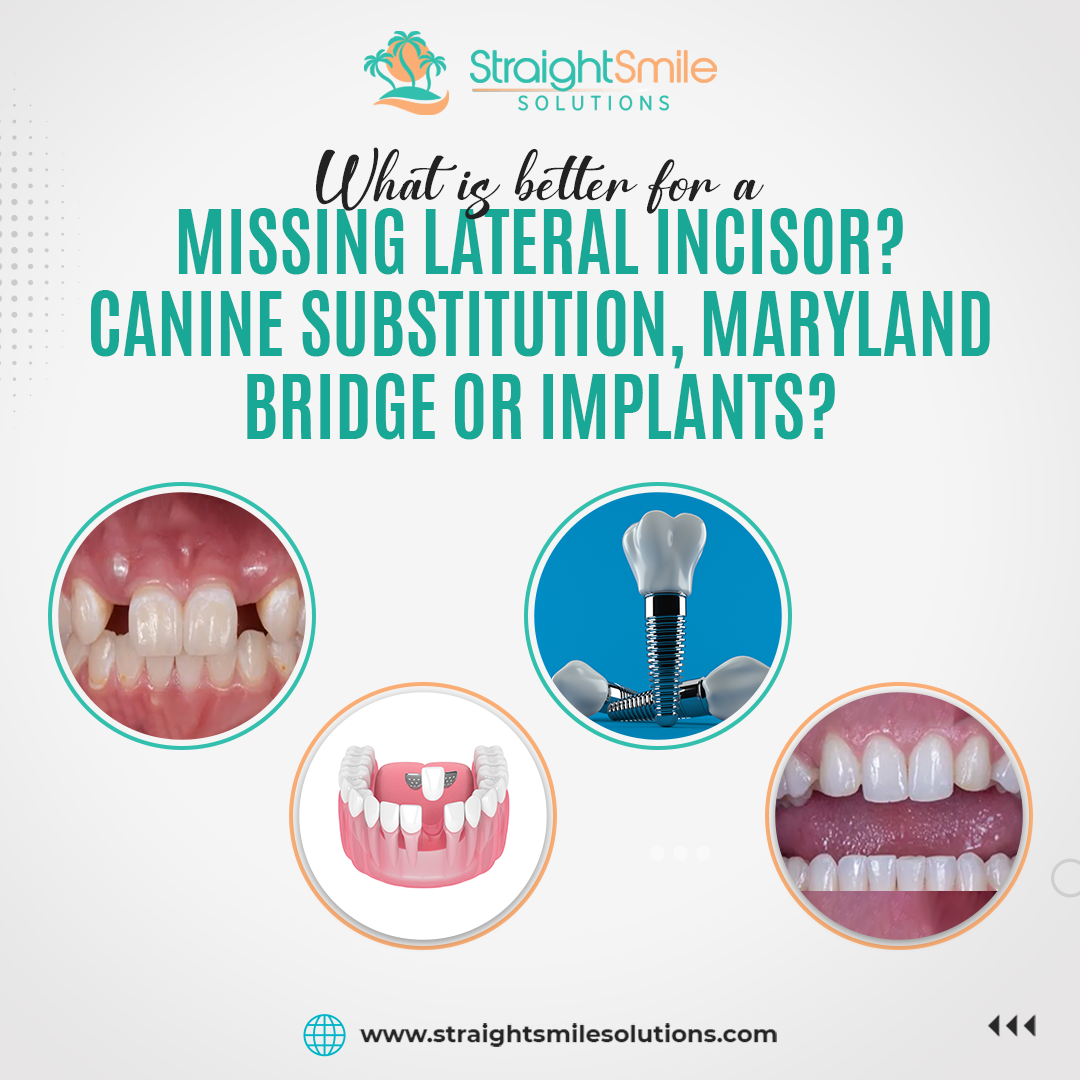
 Best Restorative Options and Retention for a Missing Lateral Incisor: Maryland Bridge, Implant
I. Introduction
Dr. Amanda from StraightSmile Solutions delves into the nuanced world of restorative options for missing lateral incisors. Drawing from personal experience with her daughter’s dental challenges, she explores considerations such as canine substitution, implant placement, and aesthetic concerns. Dr. Amanda emphasizes the importance of candid dialogue with families, weighing the financial and practical aspects of various restoration methods. The complexities of orthodontic preparation, bone health, and bite dynamics are carefully navigated. The conversation encapsulates the intricacies of decision-making, offering valuable insights for dental professionals and families facing the restoration of missing lateral incisors.
II. Canine Substitution
A. Explanation of canine substitution for missing lateral incisor
1. Example of using a premolar as a substitute
2. Importance of considering the age of the patient
B. Factors influencing the decision
1. Canine position and alignment
2. Aesthetic concerns and potential imbalance
3. Cost considerations
C. Candid discussion with the family
1. Importance of a heart-to-heart conversation
2. Considering the budget and long-term implications
3. Mention of implant timing for optimal results
III. Implant Considerations
A. Long wait for implant in young patients
1. Discussion on the ideal age for implant placement
2. Challenges of prolonged temporary solutions
B. Cost implications of implant procedure
1. Breakdown of additional expenses
a. Resin bonded bridge
b. Splinted or bonded retainer
c. Implant placement cost
d. Implant crown cost
C. Assessing viability for implant
1. Examination of bone quality
2. Evaluation of root alignment
3. Bite considerations for successful implantation
IV. Canine Substitution Challenges
A. Impact on adjacent teeth
1. Need for recontouring premolars
2. Addressing potential off-balance issues
B. Maryland bridge as an alternative
1. Suitability based on the inclination of incisors
2. Caution regarding potential shearing off
C. Importance of orthodontic collaboration
1. Coordination with a restorative dentist
2. Challenges in finding a restorative dentist for young patients
V. Future Considerations
A. Rapid advancements in dental technology
1. Potential new options in 8-10 years
2. Keeping abreast of developments in the field
B. Tricky nature of decision-making
1. Uncertainty in long-term planning
2. Evolving options for restorative solutions
VI. Retention Concerns
A. Importance of retention in implant cases
1. Preference for bonded retention or Maryland bridge
2. Risks associated with removable options
a. High chance of root relapse
b. Need for orthodontic treatment repetition
VII. Personal Decision-Making
A. Current status of daughter’s case
1. Aligning the canine and closing the space
2. Contemplation of resin-bonded bridge
B. Acknowledgment of ongoing decision-making process
1. Hopeful for space closure
2. Consideration of resin-bonded bridge or future implant
VIII. Conclusion
Dr. Amanda’s discussion on restorative options for missing laterals, particularly in cases of impacted canines, provides valuable insights. Decision-making involves considering age, canine placement, aesthetics, and financial considerations. While options like canine substitution and Maryland bridges may be viable, the long-term implications must be carefully weighed, including potential aesthetic concerns and added costs. The decision to proceed with implant placement requires thoroughly evaluating factors like bone health, root alignment, and bite considerations. Dr. Amanda emphasizes the importance of communication with patients, addressing their expectations, and being mindful of evolving dental advancements. The complexity of the decision underscores the need for collaboration between orthodontic and restorative dental professionals, emphasizing the significance of a comprehensive and informed approach.